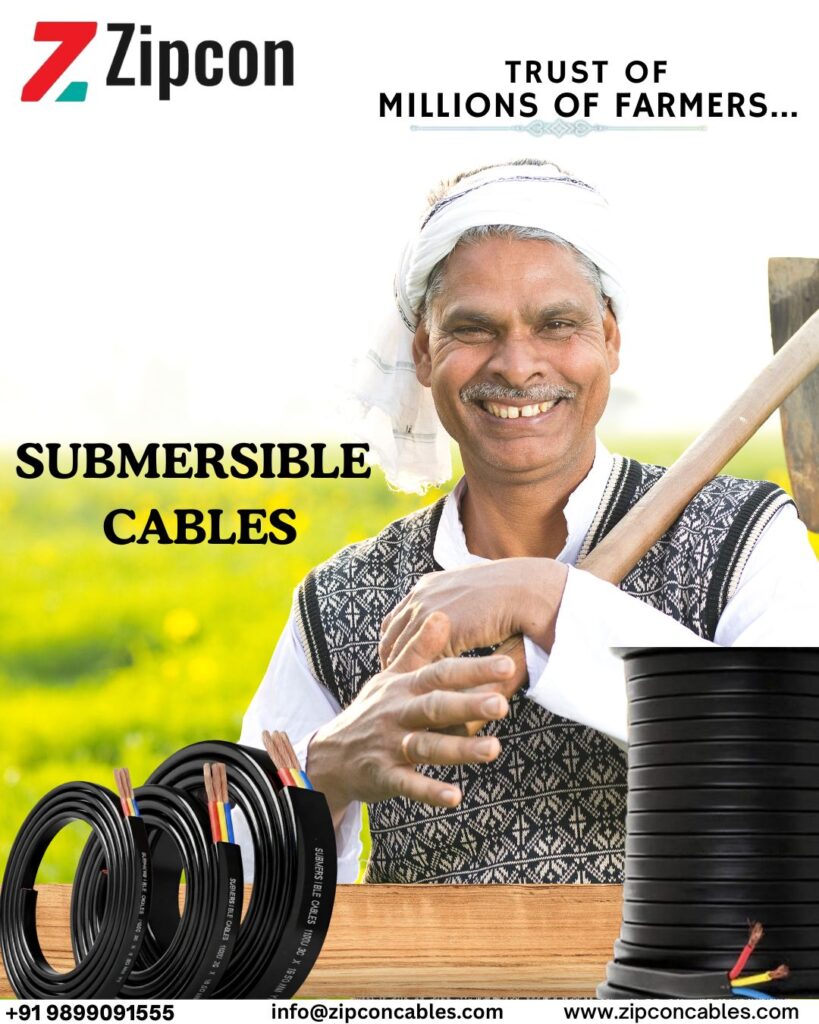
When selecting the best submersible cable for your needs in Kerala, it’s essential to understand several critical factors, such as conductivity, durability, weight, cost, safety, installation requirements, and typical use cases. With a range of materials and insulation options available, making the right choice can have a significant impact on the longevity, efficiency, and safety of your electrical systems. This guide will explore these factors in detail, offering straightforward advice for professionals in the field.
Conductivity: Why It Matters and How Different Materials Perform
Conductivity is one of the most important characteristics of a best submersible cable in Kerala. It refers to a cable’s ability to conduct electrical current, and the material used plays a vital role in determining this property.
- Copper Cables: Copper is the gold standard for conductivity. It has low resistance, meaning it allows electrical current to flow with minimal energy loss. Copper cables are ideal for applications where high performance is crucial, such as in deep wells, long cable runs, and locations requiring efficient power transmission. In Kerala, where water quality can vary, copper’s resistance to corrosion adds extra value.
- Aluminum Cables: While aluminum is more affordable, it has higher resistance than copper, leading to slightly more energy loss. Aluminum cables are often used in cost-sensitive applications such as shallow wells or smaller agricultural systems. However, aluminum is more susceptible to corrosion, especially in coastal areas with saline water. It can also be heavier, which might increase installation challenges.
- Tinned Copper Cables: These are copper cables with a tin coating to prevent corrosion. While not as conductive as pure copper, they offer a good balance of performance and resistance to corrosion, making them suitable for environments with high humidity or where the cables are exposed to corrosive elements, such as in coastal regions of Kerala.
Durability: Resistance to Water, Corrosion, and Mechanical Stress
Submersible cables in Kerala need to withstand challenging environmental conditions, including high moisture, saltwater (in coastal areas), and mechanical wear.
- Water Resistance: Both copper and aluminum cables are typically coated with high-quality insulation to protect against water. Zipcon Cables use robust insulation materials like XLPE (Cross-Linked Polyethylene), which offers excellent water resistance compared to PVC, ensuring longer service life even when submerged in water.
- Corrosion Resistance: In coastal regions of Kerala, where saltwater exposure is inevitable, copper cables are often preferred due to their natural resistance to corrosion. Aluminum, however, can corrode over time, especially if the cable’s outer sheath is damaged. Tinned copper cables provide an additional layer of protection against this issue.
- Mechanical Stress: Zipcon Cables are designed to resist mechanical stress, making them suitable for installation in harsh environments where the cable might be subjected to friction, bending, or stretching.
Weight: How It Affects Handling, Installation, and Support Systems
The weight of submersible cables plays a significant role in their handling and installation, especially for large projects where cables need to be pulled over long distances or down into deep wells.
- Lighter Cables: Lighter cables are easier to handle, which reduces installation time and labor costs. Aluminum cables tend to be lighter than copper, making them easier to install in systems where weight is a concern. However, the trade-off is often in performance and durability.
- Heavier Cables: Copper cables, although heavier, offer superior performance and are better suited for long-term use in more demanding applications like deep wells, where the cables will be submerged for extended periods. These cables also provide better protection against mechanical damage during installation.
Cost: Realistic Considerations and Value Over the Cable’s Life
Cost is a primary factor when selecting best submersible cables manufacturer in Kerala. However, it’s important to consider not just the upfront cost but also the long-term value of the cable.
- Copper Cables: Copper submersible cables are typically more expensive than aluminum cables, but their high conductivity, durability, and low maintenance costs make them a worthwhile investment. In areas where reliability and longevity are paramount, such as deep well installations or agricultural irrigation systems, copper cables prove to be more cost-effective in the long run.
- Aluminum Cables: Aluminum cables are a more budget-friendly option for applications where performance is less critical. They are suitable for smaller installations, such as shallow wells, where the cable is not likely to face harsh conditions. However, due to their higher resistance and potential for corrosion, aluminum cables might need to be replaced more often, adding to long-term costs.
Safety: Insulation, Overheating Risk, and Compliance
Safety is one of the most crucial aspects of submersible cable selection. Cables must adhere to international standards to ensure the protection of both the electrical system and the environment.
- Insulation Quality: Zipcon Cables are known for their high-quality XLPE insulation, which provides excellent protection against moisture, heat, and mechanical wear. XLPE is more durable and heat-resistant compared to PVC, which is commonly used in lower-end cables.
- Overheating Risks: Proper insulation is critical in preventing overheating, which can lead to system failures and even fires. Zipcon Cables are designed with heat-resistant insulation, ensuring safe operation even in high-temperature environments.
- Compliance Standards (IS/IEC): Zipcon Cables adhere to international standards like IS 694 and IEC 60227, ensuring safety and reliability in all applications. These standards guarantee that the cables are safe for use in submerged and high-voltage conditions.
Installation Needs: Flexibility, Jointing, and Ease on Site
Ease of installation is another key factor when choosing submersible cables. Professionals need cables that are easy to handle, bend, and join, particularly in deep or challenging installations.
- Flexibility: Zipcon submersible cables offer good flexibility, which makes them easier to install in confined spaces or deep wells. This flexibility also makes them less prone to damage during installation.
- Jointing and Bending Radius: Zipcon cables are designed for easy jointing, with minimal risk of failure. The bending radius of Zipcon cables is optimized for use in tight spaces, reducing the chances of damage during installation.
Typical Use Cases: Where to Use Which Cable
Different types of submersible cables are better suited to different applications. Here are some typical use cases for submersible cables in Kerala:
- Deep Wells and Boreholes: Copper cables are ideal for deep wells or boreholes, where efficiency and low energy loss are important.
- Agricultural Pumps: For irrigation and farming, aluminum cables may be suitable for smaller, less critical applications. However, for larger farms with higher water demand, copper cables are recommended for their durability and reliability.
- Residential vs. Commercial: For residential and smaller commercial applications, PVC-insulated aluminum cables can be a cost-effective option. In larger, more critical installations (e.g., industrial or municipal systems), XLPE-insulated copper cables are preferable due to their higher durability and lower energy losses.
Conclusion: Practical Recommendations
When choosing the best submersible cable for your application in Kerala, the decision should be based on the specific needs of your system:
- Copper Cables: Best for applications that require high conductivity, durability, and resistance to corrosion, especially in deep wells, agricultural pumps, and coastal environments.
- Aluminum Cables: Ideal for cost-effective, smaller applications where performance requirements are less stringent, such as shallow wells or irrigation systems.
- Zipcon Cables: Zipcon offers a solid choice, with both copper and aluminum options designed to meet international standards for safety, performance, and longevity. Their XLPE-insulated copper cables are particularly well-suited for demanding environments in Kerala, ensuring high efficiency and a long operational life.
By considering these factors, engineers, electricians, and buyers can make an informed decision and ensure they select the best submersible cable for their needs.