

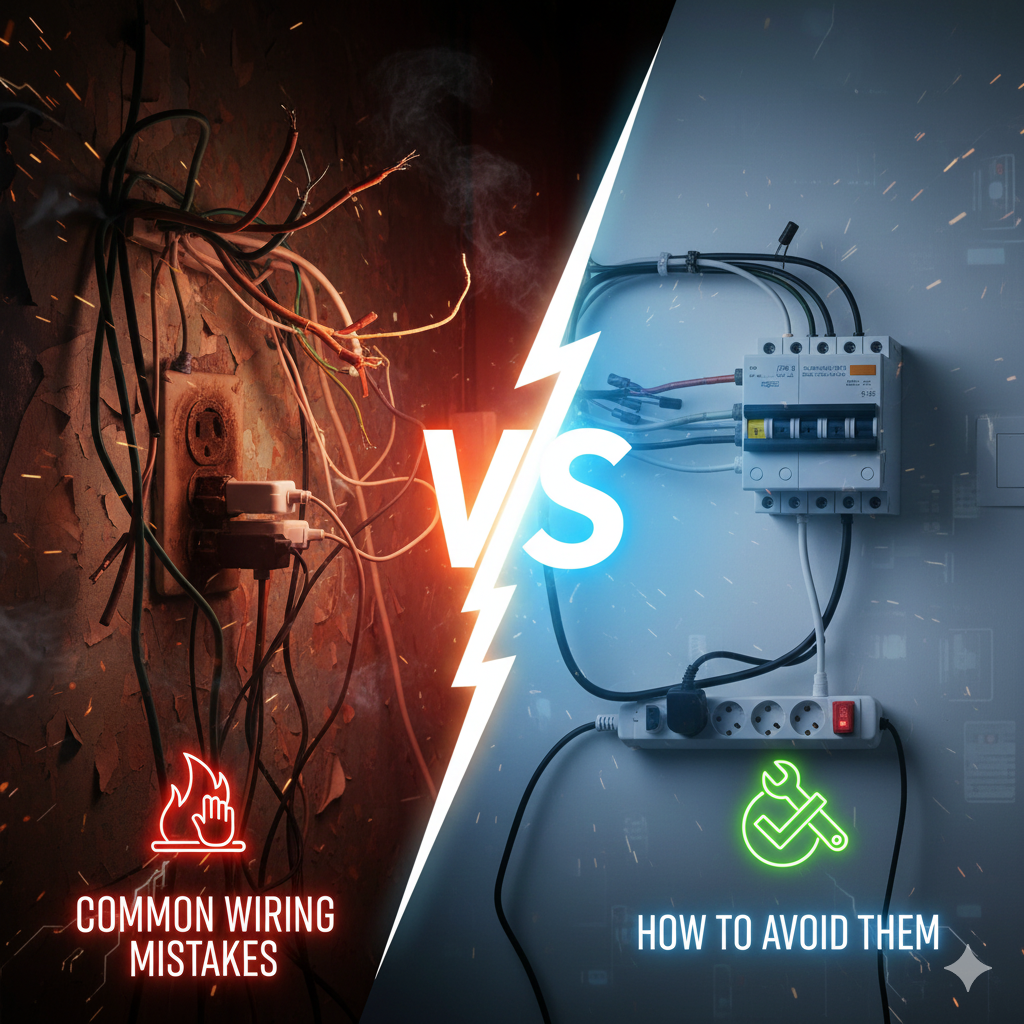
When it comes to electrical wiring in your home, safety and performance should always be a top priority. Many common wiring mistakes are avoidable with the right knowledge and materials. One excellent choice for ensuring safety and reliability in residential wiring projects is Choosing fro Zipcon Cables. These high-quality, durable cables are designed to reduce the risk of common wiring issues, offering dependable conductivity, durability, and safety in your home.
In this article, we’ll discuss some of the most frequent electrical wiring mistakes made during home installations and how to avoid them. We’ll cover key aspects like proper wire sizing, the right choice of wire, circuit overloads, and safety standards to help ensure your electrical system works efficiently and safely.
1. Improper Wire Sizing
One of the most common mistakes homeowners or DIYers make is choosing the wrong wire gauge (size) for the job. Wire gauge refers to the thickness of the wire, which affects its current-carrying capacity. If the wire is too small for the amount of power being used, it can overheat, causing a fire hazard. On the other hand, choosing best wire manufacturer in india that’s too large can lead to unnecessary costs and complications.
How to Avoid It:
Always choose the correct wire gauge for the specific appliance or circuit. For example, for most lighting and outlet circuits, a 14-gauge wire is sufficient, but for higher-powered appliances, you’ll need a 12-gauge wire or larger. A licensed electrician can help you choose the right wire gauge for your home’s wiring system.
Real-World Scenario:
Imagine overloading a power strip with high-powered devices like a microwave or space heater. If the wire size is too small, the heat generated can cause the insulation to melt or spark, leading to a potential fire.
2. Using the Wrong Type of Wire
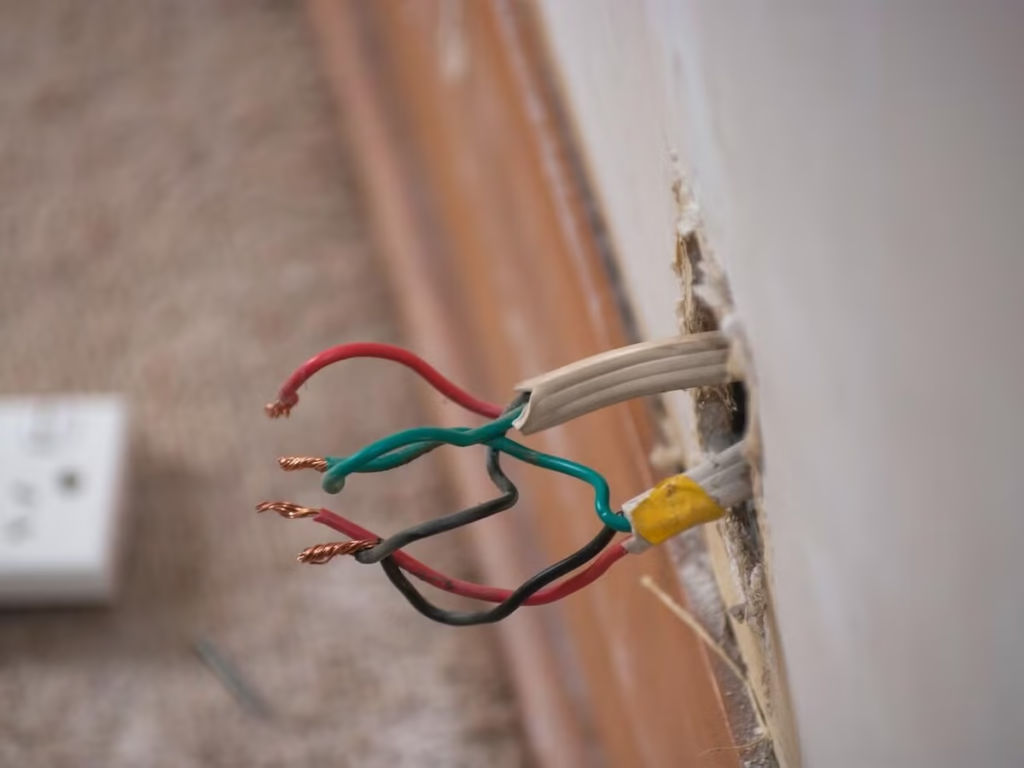
Another common mistake is using the wrong type of wire for a given application. For instance, some people may use indoor-rated wires in outdoor applications, or they may use uncoated wire in areas that need a protective jacket to prevent exposure to moisture.
How to Avoid It:
Make sure to use the right type of wire for the environment and purpose. For instance, if you’re wiring outdoor lighting or appliances, you’ll need a wire that’s rated for outdoor use. Choosing Zipcon Cables, which offer both residential-grade and specialized cables for different environments, can help prevent such errors by providing high-quality materials designed for specific uses.
Real-World Scenario:
Using an indoor-rated wire for an outdoor application can cause damage over time due to weather exposure. In the long term, it might lead to short circuits or power outages due to insulation breakdown.
3. Overloading Circuits
Overloading a circuit is a frequent mistake that occurs when too many appliances are plugged into one circuit or when a circuit is asked to handle more power than it was designed for. This often happens when too many devices are connected to a single power strip, drawing too much current through the wiring.
How to Avoid It:
Always ensure that your circuits are not overloaded. The National Electrical Code (NEC) recommends not exceeding 80% of a circuit’s rated capacity for continuous use. For instance, if a 15-amp circuit is used, it should not exceed 12 amps of continuous load. Install multiple circuits for larger areas and distribute devices evenly to reduce the risk of overload.
Real-World Scenario:
A common issue occurs when homeowners overload a single circuit by using multiple power-hungry appliances, like a fridge, microwave, and washing machine, all on the same circuit. This can trip the breaker or lead to overheating, causing potential safety hazards.
4. Ignoring Safety Standards
When wiring a home, it’s essential to follow local building codes and safety standards. Ignoring these regulations can lead to wiring that’s unsafe or incompatible with your home’s electrical system, which could result in power outages or safety risks like fires or electrocution.
How to Avoid It:
Make sure to adhere to local electrical codes and safety standards when performing any wiring work. If you’re unsure about the correct practices, it’s always best to consult a licensed electrician. Additionally, using quality materials like Trust-able Manufacturer in Delhi NCR Zipcon Cables ensures that you’re meeting safety standards with durable and reliable products.
Real-World Scenario:
If you’re using outdated or non-compliant wiring systems, like using old two-prong outlets or not grounding certain circuits, you may be exposing your home to significant electrical hazards, such as electric shock or fires.
5. Using Copper and Aluminium Wiring Improperly
Copper and aluminium are two common materials used in wiring, but each has specific characteristics that make it suitable for certain applications. Copper is highly conductive and more durable but is more expensive. Aluminium is lighter and cheaper, but it requires special care in installation because of its susceptibility to corrosion and expansion under heat.
How to Avoid It:
If you opt for copper or aluminium wires, ensure they are used correctly. For example, copper is ideal for high-power circuits where efficiency and durability are crucial. Aluminium, on the other hand, is better suited for larger-scale applications like overhead power lines, where weight reduction is essential. Using Zipcon Cables can help you avoid common issues with copper and aluminium wiring, offering a durable alternative that combines the best features of both materials.
Real-World Scenario:
Inappropriately connecting copper and aluminium wires can lead to corrosion at the connection points, increasing the risk of overheating and creating a fire hazard. Zipcon Cables, which are designed to reduce these risks, offer a safe and reliable option.
Conclusion: How to Avoid Common Wiring Mistakes
Electrical wiring mistakes in the home can lead to serious consequences, including electrical fires and power outages. To avoid these issues, ensure that you are using the right materials and following proper procedures.
Tips to Avoid Common Wiring Mistakes:
- Choose the correct wire gauge for each circuit to avoid overheating.
- Use the right type of wire for indoor or outdoor applications.
- Never overload circuits; spread appliances across multiple circuits.
- Follow safety standards and local codes to ensure compliance and safety.
- Consider using Zipcon Cables for their durability and reliability in residential wiring projects, reducing the risk of common wiring issues.
By following these simple guidelines and opting for high-quality materials like Zipcon Cables, you can ensure that your home’s electrical system is safe, efficient, and long-lasting.