

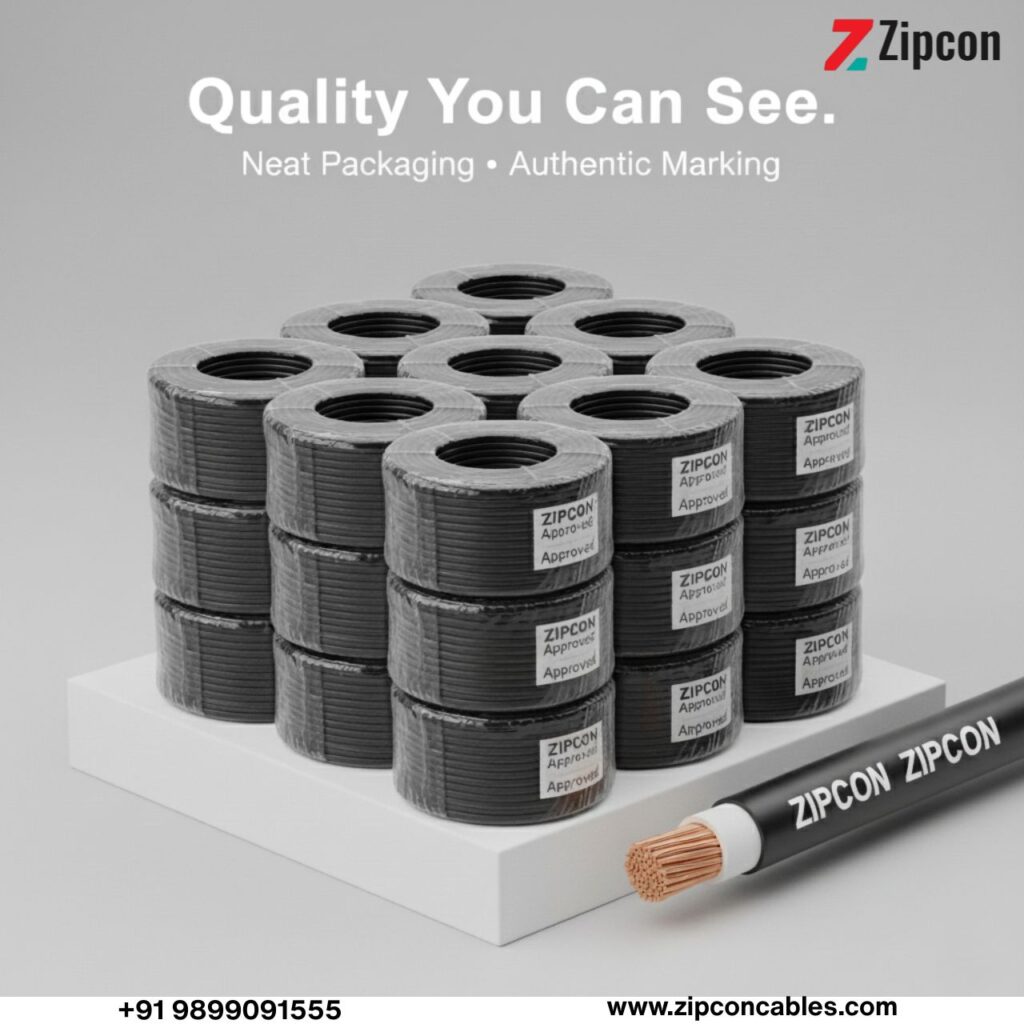
Choosing the right best multicore cable in madhya pradesh is a practical decision that directly affects performance, safety, and long-term costs. In Madhya Pradesh—where projects range from residential buildings and commercial complexes to factories and solar installations—buyers need cables that can handle varied loads, temperatures, and site conditions. Zipcon Cables has built a strong reputation in this space by offering reliable multicore cables designed for Indian operating environments. This guide breaks down what actually matters when selecting multicore cables and where Zipcon fits best.
Conductivity: Why It Matters on Site
Conductivity determines how efficiently a cable carries current. Higher conductivity means lower power loss, less heat generation, and better performance over long runs.
Copper multicore cables, which Zipcon specializes in, offer excellent conductivity. This makes them ideal for applications where voltage drop and heat buildup must be controlled—such as elevators, HVAC systems, control panels, and industrial machinery. In comparison, aluminium or mixed-metal alternatives are lighter and cheaper but conduct less efficiently. These are often acceptable for short-distance or low-load applications.
Short comparison:
Best Copper multicore cables manufacturer deliver stable performance under continuous load, while aluminium-based options may require larger cross-sections to achieve similar results.
Durability: Built for Long Service Life
Durability depends on insulation quality, conductor strength, and resistance to environmental stress. In Madhya Pradesh, cables often face heat, dust, moisture, and occasional chemical exposure.
Zipcon multicore cables use high-grade PVC or XLPE insulation that resists cracking, moisture ingress, and thermal degradation. Proper insulation also prevents conductor oxidation, which is a common reason for cable failure. Cheaper alternatives may look similar initially but often degrade faster under heat or mechanical stress.
Real-world scenario:
In an industrial unit in Indore, cables routed near machinery are exposed to vibration and heat. A durable, well-insulated copper multicore cable lasts significantly longer than low-grade alternatives, reducing downtime and maintenance costs.
Weight: Impact on Handling and Installation
Weight affects ease of handling, routing, and support requirements. Copper cables are heavier than aluminium ones, which can make handling slightly more demanding on large runs.
However, Zipcon balances weight with flexible conductor stranding, making installation smoother despite the higher density of copper. For vertical runs or tight conduits, flexibility matters more than raw weight.
Short comparison:
Aluminium multicore cables are lighter and easier to lift, but copper cables are more compact for the same current rating, often fitting better in existing trays and conduits.
Cost: Looking Beyond Purchase Price
Cost is always a concern, especially for large projects. Copper multicore cables from Zipcon typically cost more upfront than aluminium-based options. However, long-term value is where copper stands out.
Lower energy losses, fewer breakdowns, and longer service life mean reduced operating and replacement costs. For buyers in Madhya Pradesh, where power reliability and maintenance access can vary, this long-term stability is often worth the initial investment.
Practical insight:
For residential wiring, the cost difference per meter is small, but the safety and lifespan benefits of copper are significant.
Safety: Standards That Protect People and Equipment
Safety is non-negotiable.Best Multicore cables in Madhya Pradesh must meet insulation ratings, fire resistance requirements, and national standards.
Zipcon Cables are manufactured to meet relevant IS standards, with consistent insulation thickness and flame-retardant properties. Good insulation reduces the risk of short circuits, electric shock, and fire spread. In contrast, poorly insulated cables may overheat or crack over time, especially in high-load areas.
Real-world concern:
In commercial buildings, a single cable failure can shut down operations. Using certified, high-quality multicore cables reduces this risk substantially.
Installation Needs: What Electricians Should Expect
Ease of installation depends on flexibility, outer sheath quality, and core identification. Zipcon multicore cables are designed for clean stripping, clear core color coding, and smooth bending during routing.
Common challenges on site include tight conduits, long horizontal runs, and frequent bends. Copper multicore cables handle these conditions better due to superior flexibility and tensile strength.
Short comparison:
Copper cables tolerate repeated bending better, while some aluminium cables are more prone to fatigue if not installed carefully.
Typical Use Cases Across Madhya Pradesh
In residential projects, Zipcon multicore copper cables are commonly used for internal wiring, power distribution, and lighting circuits due to their safety and reliability.
In commercial buildings, they are preferred for HVAC systems, lifts, and backup power connections. In industrial settings, copper multicore cables are used in control panels, motors, and automation systems where stable current and durability are critical.
Alternative multicore cables may be suitable for temporary installations, rural electrification, or low-load applications where budget constraints are tight and distances are short.
Final Recommendation
If your application involves continuous load, safety-critical systems, or long-term use, Zipcon’s copper multicore cables are the right choice. They offer superior conductivity, durability, and safety, making them ideal for residential, commercial, and industrial projects across Madhya Pradesh.
For lighter-duty or short-term applications where cost and weight are the primary concerns, alternative multicore cables can be considered. The key is matching the cable type to the application—not just the price. Choosing wisely at the start saves time, money, and risk over the life of the project.