

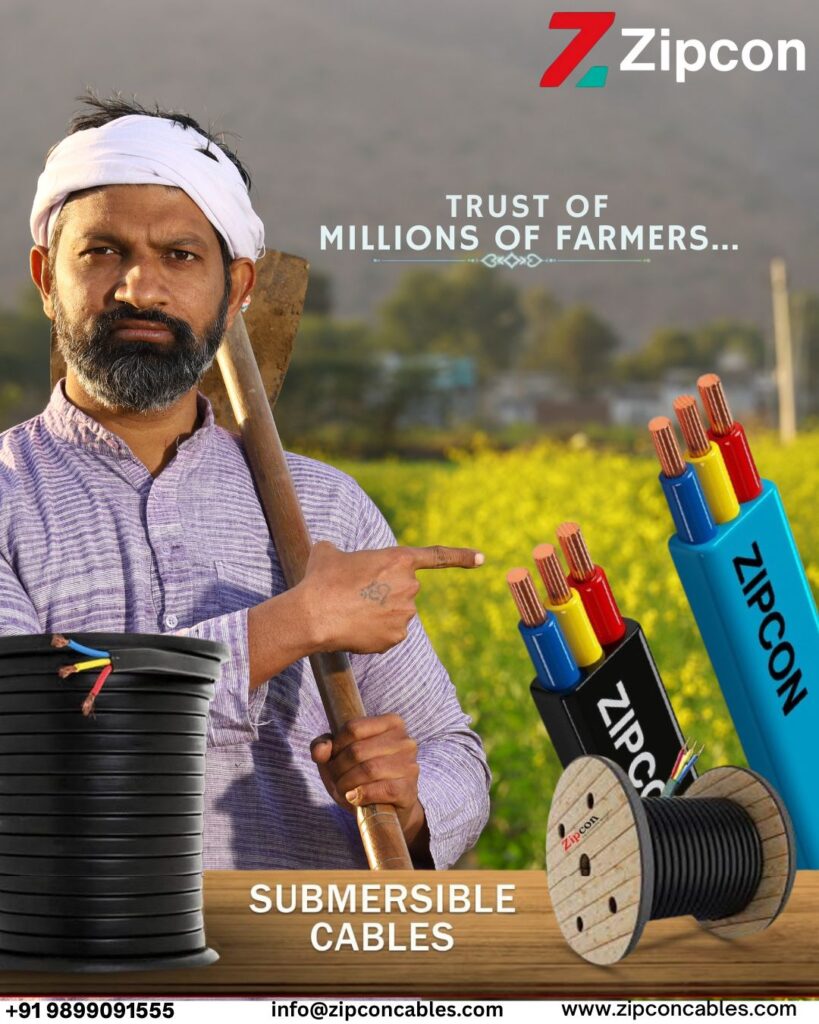
When selecting the best submersible cable for applications in Tamil Nadu, understanding the unique properties of materials, such as copper and aluminum, is essential for making an informed decision. Whether you’re an engineer, electrician, or a buyer planning large-scale installations, factors like conductivity, durability, weight, cost, safety, installation needs, and typical use cases must be considered. This guide breaks down these key factors, helping you choose the right submersible cable for your project.
Conductivity: Copper vs. Aluminum
One of the most crucial factors when choosing a submersible cable is its conductivity. Copper has superior electrical conductivity compared to aluminum, making copper cables more efficient in conducting electricity. This results in lower power loss over long distances, which is especially important in large installations like irrigation systems or industrial water pumps.
Aluminum, however, is less conductive than copper. But it is still a popular choice for submersible cables due to its lower cost and lighter weight. If minimizing electrical loss is a top priority, especially in high-power systems, copper cables are the better choice. For less demanding applications where cost is a major consideration, aluminum may be a more economical option.
Durability: Resilience to Environmental Conditions
Durability is another critical consideration when selecting a submersible cable, particularly in Tamil Nadu’s diverse climate. Copper cables tend to be more durable overall, offering excellent resistance to corrosion and high temperatures. However, in regions with high humidity or saline water, the insulating materials on copper cables must be of high quality to prevent corrosion.
Aluminum cables, while still durable, are more susceptible to corrosion over time, especially in salty or highly humid environments. To mitigate this, aluminum cables are often coated with corrosion-resistant materials. However, in extreme environmental conditions, copper is generally the preferred option due to its superior resistance to environmental wear and tear.
Weight: Impact on Installation
The weight of the submersible cable can significantly impact its handling and installation. Copper cables are heavier and may require more manpower or special equipment for installation, particularly in large, deep installations. The added weight may also contribute to higher transportation costs and increased labor time.
On the other hand, aluminum cables are lighter and easier to handle. This makes them ideal for installations in places where handling and flexibility are key, such as smaller projects or installations requiring frequent maintenance. However, the lighter weight can sometimes affect their stability, particularly in submerged conditions where the cable might be exposed to turbulent water.
Cost: Budget Considerations
Cost is a deciding factor for many buyers, and it’s here where aluminum cables tend to outperform copper cables. Aluminum cables are generally more affordable due to the lower cost of raw materials. However, for larger projects requiring long-lasting performance, the higher upfront cost of copper cables might be worth the investment.
If you’re working with a tight budget or in applications where the lifespan of the cable is less critical, aluminum cables provide a cost-effective solution. For critical infrastructure that requires long-term durability and minimal power loss, copper cables should be considered despite their higher cost.
Safety: Ensuring Safe Operation
Safety is paramount when choosing submersible cables, particularly in submerged or wet conditions. Copper cables have superior safety features due to their higher conductivity, reducing the risk of overheating or electrical faults. They are also better at handling higher currents without compromising insulation integrity.
Aluminum cables, while safe when used correctly, require more attention to insulation quality, especially in high-current situations. Aluminum tends to expand and contract more than copper, which can put additional stress on the insulation material, making it crucial to ensure the correct cable size and insulation material.
Installation Needs: Handling and Setup
When it comes to installation, copper cables offer more flexibility, making them easier to work with in terms of bending and adjusting for different setups. However, they require careful handling to avoid damage to the insulation due to their weight and rigidity.
Aluminum cables, being lighter, are easier to maneuver and install, especially in installations where flexibility is important. However, they require more precise handling during the installation process to avoid stress on the cable that could lead to premature failure.
Typical Use Cases: Choosing the Right Cable for Your Application
In Tamil Nadu, submersible cables are commonly used in a variety of applications, such as water pumps, irrigation systems, and industrial water pumps.
- Water Pumps: Copper cables are often preferred for large water pump installations that require high efficiency and low power loss. Their superior conductivity ensures smooth operation, especially in systems that run continuously.
- Irrigation Systems: For smaller-scale applications like irrigation, aluminum cables are a good choice due to their lighter weight and cost-effectiveness. They provide reliable performance for less demanding tasks while keeping expenses lower.
- Industrial Applications: For industrial use, especially in areas that experience high currents and harsh environmental conditions, copper cables are the best option. Their durability and resistance to corrosion make them ideal for long-term operations.
Conclusion: Copper vs. Aluminum Submersible Cables
In summary, both copper and aluminum submersible cables have their merits, but the decision largely depends on the specific application, environmental conditions, and budget constraints.
- Choose copper cables when conductivity, durability, and safety are top priorities, especially for high-power systems or harsh environments.
- Choose aluminum cables for more budget-friendly options, especially in smaller-scale or less demanding installations where weight and cost are critical factors.
When selecting submersible cables in Tamil Nadu, it’s important to weigh these factors carefully to ensure that the cable you choose meets your specific needs. Whether it’s a copper or aluminum cable, Zipcon Cables offers high-quality options that ensure both reliability and performance.