
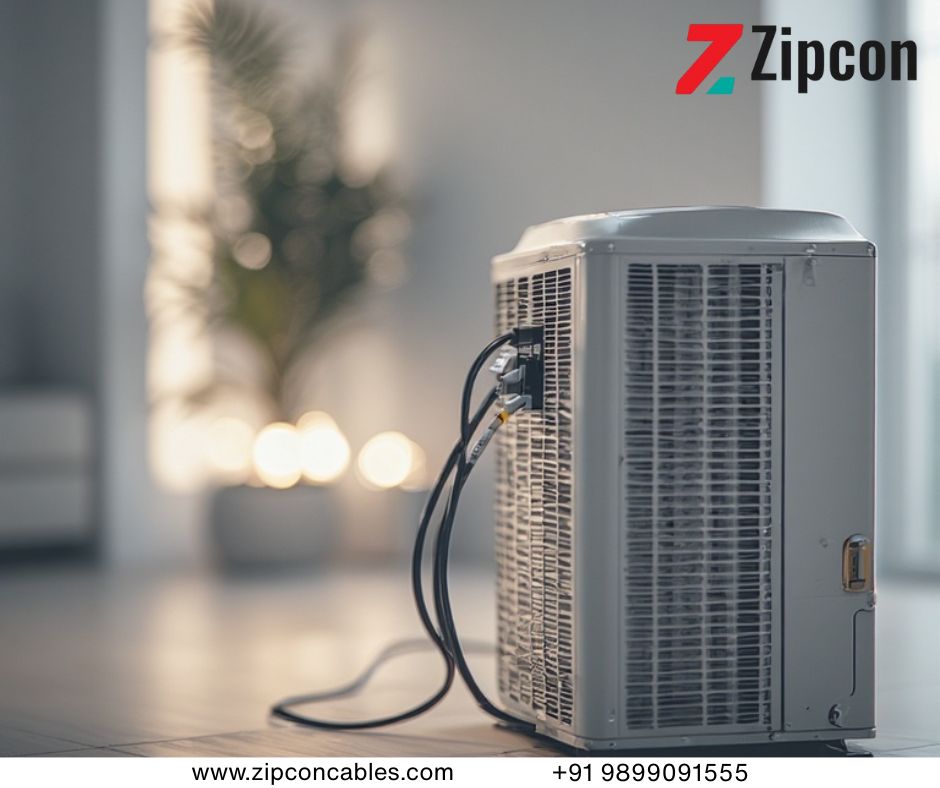
Choose the Zipcon Caples is right wire for an air conditioner or HVAC system matters more than most people think. The wrong cable can lead to overheating, high voltage drop, or even equipment failure. Most installations rely on either copper or aluminium conductors, and both have strengths depending on load, distance, and the environment where they are installed. A good choice comes from understanding how each wire behaves under typical HVAC conditions.
Get a Quote:- @https://zipconcables.com/contact-us/
Conductivity and Heat Handling
Copper has higher conductivity than aluminium, so it carries current more efficiently. This means a copper cable can deliver the same power with a smaller cross-section, which keeps voltage drop in control even when the AC runs at peak load. Copper also handles heat better & best cables manufacturer in india. When the compressor cycles and current spikes, copper maintains stability without softening or expanding as much. Aluminium can work well too, but it requires a larger gauge to match the same current capacity, which affects installation planning. In small indoor runs, this difference is manageable. On longer or high-load paths, the drop across aluminium becomes noticeable.
Durability and Mechanical Strength
Copper stands up better to bending, vibration, and repeated heating cycles. HVAC units produce vibration, especially outdoor condensers, and copper survives these stresses with fewer failures at joints. Aluminium is lighter, but it is more prone to breaking if over-bent or pulled through conduit without care. Most electricians avoid aluminium in tight bends or areas that require frequent maintenance access. For fixed, open-path cable trays in commercial buildings, aluminium wire is still widely used and performs well when sized correctly.
Weight and Cost in Real Projects
Copper is heavier and more expensive. Best Aluminium wire Manufacturer in India is significantly lighter, which helps when running long cables across rooftops or multi-storey ducts. Many large commercial and industrial jobs prefer aluminium simply because long-distance copper cabling becomes costly and difficult to support. In smaller homes, the difference in cost and weight is minor since the total length is short. Residential installers nearly always choose copper because its reliability outweighs the small price difference at this scale.
Safety and Joint Quality
Copper makes stronger, more stable connections at terminals. It resists oxidation and maintains a firm grip over time, which reduces the risk of loose contacts and overheating. Aluminium needs special care at joints, including anti-oxidation paste and proper tightening torque. If an aluminium connection is not prepared correctly, thermal expansion can loosen it over time. Trained technicians handle this easily in commercial projects, but copper still remains safer for household setups where access to skilled maintenance is limited.
Installation Conditions: Home, Commercial, and Industrial
In a typical home AC installation, runs are short and loads are moderate. Copper wires are easy to handle, flexible enough for wall conduits, and well-suited for the frequent thermal cycling of residential air conditioners. A 1 to 1.5-ton split AC, for instance, usually runs on copper because it keeps drop low over 10–20 meters.
In commercial buildings, the central HVAC system draws heavier current and runs across long distances from power rooms to outdoor chillers or rooftop units. Aluminium cabling becomes practical here. It reduces project cost and weight while still meeting load requirements when sized properly. Industrial setups follow this pattern, especially in plants with large chillers, long corridors, and cable trays designed for heavy conductors.
Real-World Scenarios and Practical Comparisons
If the distance between the panel and the AC is short, copper wins. It keeps voltage in range and avoids compressor strain. For example, a window AC wired from a nearby MCB panel benefits from copper because the drop is almost negligible.
When the distance is long, aluminium becomes more reasonable. Imagine a commercial chiller placed 60–80 meters away from the main power panel. Copper will work but will cost more, weigh more, and require larger support structures. Aluminium, sized one or two gauges higher, delivers the same performance for a fraction of the cost.
Outdoor environments also influence the choice. Copper handles moisture, sun exposure, and vibration better when used in outdoor conduits that feed rooftop units. Aluminium can be used outdoors as well but needs better sealing at terminations to avoid oxidation. For rooftop cable trays, its lighter weight is helpful since installers can run longer spans without overloading support brackets.
Voltage Drop Considerations
High starting current from compressors demands cables that can maintain stable voltage. Copper naturally keeps the drop lower, especially where the supply fluctuates. In areas with weak power supply or frequent voltage dips, copper gives more headroom. Aluminium is fine for stable commercial feeders, but in homes or small shops where supply varies, copper keeps the compressor safer.
Final Recommendations
For split AC units in homes, copper is the ideal choice. It stays stable, handles current spikes well, and needs minimal maintenance.
For window AC units, the requirement is similar. Short runs favor copper because it is simple, safe, and easy to install.
For central HVAC systems in commercial buildings, aluminium is often the better option. The long cable runs and heavy feeders make its lower weight and cost more practical.
For long-run cables from power rooms to rooftop or outdoor condensers, aluminium performs well when sized correctly and terminated properly.
For outdoor installations exposed to heat, moisture, or vibration, copper offers stronger mechanical stability, but aluminium remains acceptable in structured cable trays with good termination work.
A simple rule helps:
- Use copper for short, high-stability, or residential installations.
- Use aluminium for long-distance, large-capacity, or commercial and industrial feeders.
This balance keeps HVAC systems running reliably, safely, and without unnecessary cost.