Zipcon Cables

Tag best cable manufacturer in delhi

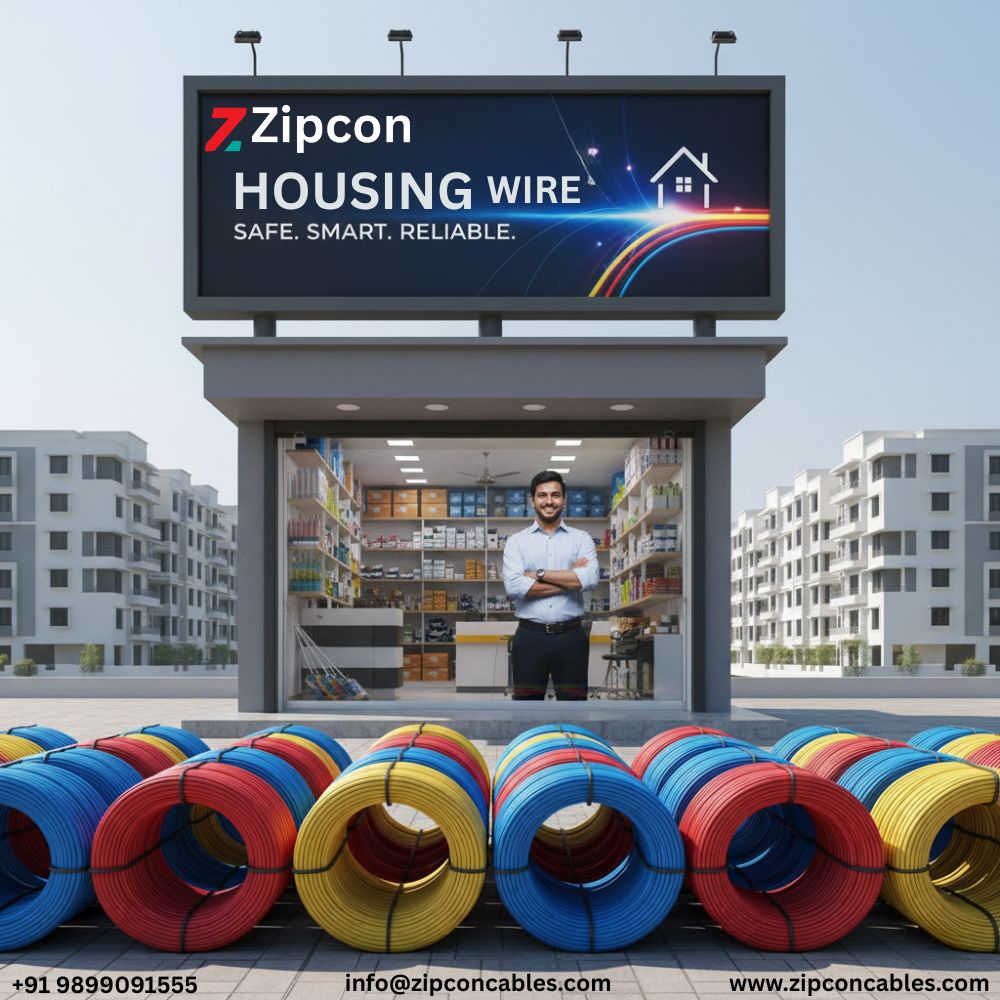
Best House Wire in Delhi

House wires in India are the backbone of every Indian home’s electrical system. They carry power from the main supply to lights, fans, sockets, and heavy appliances like air conditioners and geysers. A wrong choice in house wiring can lead to voltage drops, frequent tripping, overheating, or even fire hazards over time. That’s why selecting the right house wire is not just about brand or price—it’s about safety, performance, and long-term value. Zipcon Cables has built a strong reputation in India for manufacturing reliable house wires designed for Indian load conditions, climate, and installation practices.

Conductivity

Conductivity determines how efficiently electricity flows through a wire. Higher conductivity means lower power loss, stable voltage at the appliance end, and reduced heat generation.

Copper has significantly higher conductivity than aluminum. In technical terms, copper’s resistivity is around 1.68 µΩ·cm, while aluminum is about 2.82 µΩ·cm—roughly 40% higher resistance. For electricians, this directly translates into better load handling with thinner copper wires compared to aluminum. Zipcon copper house wires are preferred in circuits where consistent power delivery and low losses matter.

Durability

Durability depends on conductor quality, insulation material, and overall wire construction. Copper is naturally more resistant to oxidation and mechanical fatigue. When combined with high-grade PVC or FR-grade insulation, copper wires can last decades without performance degradation.

In high-humidity regions or coastal areas, aluminum wiring can oxidize faster if insulation quality is poor. Zipcon Cables addresses this by using robust insulation compounds that protect both copper and aluminum conductors from moisture and chemical exposure, improving lifespan in real-world Indian conditions.

Weight

Weight affects installation ease, conduit loading, and long-term stress on junction boxes.

Copper is heavier, which makes handling slightly harder in long conduit runs. Aluminum is nearly 30% lighter, making it easier to pull through conduits in large homes or multi-floor buildings. Electricians often prefer aluminum for long-distance runs where weight reduction simplifies installation without compromising safety when sized correctly.

Cost

Cost is often the deciding factor for homeowners. Copper house wires are more expensive due to raw material costs, sometimes 1.5 to 2 times the price of aluminum for the same length.

However, copper delivers better long-term value through lower energy losses, higher load tolerance, and fewer maintenance issues. Aluminum wires reduce upfront cost but may require larger sizes to match copper performance. Zipcon offers both options, allowing buyers to balance budget and performance without compromising on quality.

Safety

Safety is influenced by current-carrying capacity, heat resistance, and insulation quality. Copper handles heat better and is less prone to loose connections, reducing fire risk.

In high-load circuits or areas with voltage fluctuations, copper wires provide a safer margin. Zipcon’s FR and FRLS insulated house wires are designed to limit flame spread and reduce smoke, making them suitable for modern residential safety standards.

Installation Needs

Copper wires are more flexible, making them easier to bend, terminate, and secure at switchboards. Aluminum requires careful termination using appropriate lugs and torque control to avoid loose joints.

Electricians generally prefer copper for indoor residential wiring due to ease of handling. Aluminum is better suited where trained installers and proper tools are available. Zipcon wires are designed with uniform conductor stranding to simplify installation for both materials.

Typical Use Cases

Lighting and fan circuits require stable voltage and moderate load handling—both copper and aluminum can work, depending on wire size.

Socket outlets, kitchens, and inverter lines benefit from copper due to fluctuating loads.

Heavy appliances like air conditioners, geysers, and ovens demand copper wiring for reliability and thermal safety.

Practical Comparisons

For small apartments with general lighting and sockets, aluminum house wires can be used if correctly sized, offering cost savings without performance issues.

For high-load circuits like air conditioners and geysers, copper house wires provide better long-term performance due to lower resistive losses and higher thermal tolerance.

Real-World Application Scenarios

Scenario A: New 2BHK Home

A middle-class family wiring a new 2BHK can use 1.5 sq.mm copper for lighting and fans, 2.5 sq.mm copper for sockets, and 4 sq.mm copper for AC and geyser points. This setup balances safety, efficiency, and durability using Zipcon copper house wires.

Scenario B: Renovation Upgrade

In older homes with aluminum wiring, upgrading to copper requires checking conduit size, load requirements, and breaker ratings. Switching to copper improves safety and reduces voltage drop, especially for modern appliances with higher power demands.

Direct Recommendations

Choose copper house wires when safety, load stability, and long-term reliability are priorities—especially for kitchens, air conditioners, and main circuits.

Choose aluminum wires when budget constraints exist and loads are light, such as basic lighting circuits, provided correct sizing and installation standards are followed.

Zipcon Cables offers tested copper and aluminum house wire ranges designed specifically for Indian residential needs, making selection straightforward for homeowners and electricians.

Conclusion

Choosing the best house wire in India requires understanding how material, load, and usage conditions work together. Copper excels in safety and performance, while aluminum offers cost and weight advantages when used correctly. With Zipcon Cables, homeowners get dependable wiring solutions engineered for Indian homes. Make your choice based on application, not assumptions—and invest in wiring that delivers safety and peace of mind for years.
Best House Wire in Tamil Nadu

Choosing the right best house wire in Tamil Nadu is not just a technical decision—it directly affects safety, power efficiency, and the long-term reliability of your home’s electrical system. Tamil Nadu’s conditions are unique: high humidity in coastal cities like Chennai, heat in interior regions, dense urban housing, and many buildings that mix residential and small commercial usage. This makes wire quality far more important than many homeowners realize.

This guide explains, in simple and practical terms, how to choose the best house wire for Tamil Nadu homes and why a reliable brand like Zipcon Cables makes a real difference.

Conductivity: Why It Matters in Everyday Homes

Conductivity determines how efficiently electricity flows through a wire. Higher conductivity means less voltage drop, lower heat generation, and better protection for appliances.

Copper house wires offer significantly higher conductivity than alternative materials. In practical terms, this means:

  • Fans run at correct speed
  • Air conditioners draw stable power
  • Geysers and kitchen appliances heat efficiently
  • Less energy loss over long wiring routes

In Tamil Nadu homes, where wiring lengths can be long—especially in independent houses or villas—poor conductivity can cause voltage drop and overheating. Copper house wires, such as those used by Zipcon Cables, maintain consistent current flow, making them the safer and more reliable option for residential wiring.

Durability & Insulation Quality in Tamil Nadu’s Climate

Tamil Nadu’s climate puts constant stress on best house wire in India. High humidity, heat, and dust can degrade insulation over time if the wire quality is poor.

Good house wire insulation should:

  • Resist moisture absorption
  • Withstand high temperatures
  • Remain flexible for years without cracking
  • Protect against short circuits

Zipcon Cables focuses on strong, heat-resistant insulation that performs well in both coastal and inland environments. This is especially important in cities like Chennai, where humidity can silently damage low-quality insulation and increase the risk of electrical leakage.

Weight & Handling: Why Electricians Prefer Better Wires

Wire weight affects installation speed and quality. Extremely heavy wires are hard to pull through conduits, while very light wires may indicate reduced copper content.

A balanced wire:

  • Slides smoothly through PVC conduits
  • Bends easily around corners
  • Reduces installation time and labor fatigue

Electricians in Tamil Nadu often work in tight spaces, especially in apartments and renovation projects. Zipcon house wires are designed for easy handling without compromising copper quality, making installations cleaner and more reliable.

Cost vs Long-Term Value

Cheaper house wires may reduce upfront cost, but they often lead to:

  • Higher power loss
  • Frequent maintenance
  • Increased fire risk
  • Shorter lifespan

High-quality copper wires cost slightly more initially but save money over time through better efficiency and fewer electrical issues. For homeowners planning long-term occupancy, investing in a reliable wire like Zipcon Cables is a financially smart decision.

Safety & Compliance: Non-Negotiable for Homes

Electrical safety depends heavily on wire quality. Certified house wires offer:

  • Fire resistance
  • Strong insulation against short circuits
  • Compliance with Indian electrical standards

In densely populated areas of Tamil Nadu, a single wiring fault can affect multiple homes. Using certified copper house wires reduces fire risk and protects both property and lives. Zipcon Cables follows strict quality checks to meet Indian residential safety requirements.

Installation Needs: New Homes vs Renovation Projects

Different projects need different wire behavior:

  • New constructions require long wire pulls and clean routing
  • Renovations demand flexibility and easy stripping
  • Older homes need reliable insulation to handle existing load patterns

Zipcon house wires are compatible with common conduit systems used across Tamil Nadu and allow smooth stripping and bending, making them suitable for both fresh installations and upgrades.

Typical Use Cases in Tamil Nadu Homes

For apartments and independent homes, copper house wires ensure stable power across lighting, fans, and sockets.

In villas and gated communities, longer cable runs make high-conductivity copper essential to avoid voltage drop.

For shops and small commercial spaces, copper wires handle mixed loads—lighting, refrigeration, and equipment—more safely.

In high-load areas like kitchens, air conditioners, and geysers, copper house wires are strongly recommended due to their heat resistance and current-carrying capacity.

Copper vs Other Cable Types: A Clear Comparison

Copper house wires perform best in:

  • High-load circuits
  • Long-distance wiring
  • Humid and hot environments
  • Homes with multiple appliances

Alternative cable types may be acceptable for:

  • Temporary installations
  • Very short wiring runs
  • Low-load applications

However, for most homes in Tamil Nadu, copper remains the safer and more reliable choice. The climate and power usage patterns simply demand better conductivity and insulation stability.

Real-World Scenarios

In a Chennai flat with high humidity, moisture-resistant insulation and pure copper conductors prevent leakage and corrosion.

For a new independent house in Coimbatore, long wiring routes make copper wires essential for voltage stability.

In a renovation project in Madurai, flexible copper house wires simplify re-routing through existing conduits.

Final Recommendation

For homeowners, electricians, and contractors in Tamil Nadu, the best house wire is one that combines high conductivity, durable insulation, safety compliance, and ease of installation. Copper house wires clearly meet these requirements.

Zipcon Cables stands out as a dependable choice due to its consistent copper quality, strong insulation performance, and suitability for Indian residential conditions. Choosing the right house wire is not just about power—it’s about protecting your home, appliances, and family for years to come.

Best Multicore Cables In Madhya Pradesh

Choosing the right best multicore cable in madhya pradesh is a practical decision that directly affects performance, safety, and long-term costs. In Madhya Pradesh—where projects range from residential buildings and commercial complexes to factories and solar installations—buyers need cables that can handle varied loads, temperatures, and site conditions. Zipcon Cables has built a strong reputation in this space by offering reliable multicore cables designed for Indian operating environments. This guide breaks down what actually matters when selecting multicore cables and where Zipcon fits best.

Conductivity: Why It Matters on Site
Conductivity determines how efficiently a cable carries current. Higher conductivity means lower power loss, less heat generation, and better performance over long runs.

Copper multicore cables, which Zipcon specializes in, offer excellent conductivity. This makes them ideal for applications where voltage drop and heat buildup must be controlled—such as elevators, HVAC systems, control panels, and industrial machinery. In comparison, aluminium or mixed-metal alternatives are lighter and cheaper but conduct less efficiently. These are often acceptable for short-distance or low-load applications.

Short comparison:
Best Copper multicore cables manufacturer deliver stable performance under continuous load, while aluminium-based options may require larger cross-sections to achieve similar results.

Durability: Built for Long Service Life
Durability depends on insulation quality, conductor strength, and resistance to environmental stress. In Madhya Pradesh, cables often face heat, dust, moisture, and occasional chemical exposure.

Zipcon multicore cables use high-grade PVC or XLPE insulation that resists cracking, moisture ingress, and thermal degradation. Proper insulation also prevents conductor oxidation, which is a common reason for cable failure. Cheaper alternatives may look similar initially but often degrade faster under heat or mechanical stress.

Real-world scenario:
In an industrial unit in Indore, cables routed near machinery are exposed to vibration and heat. A durable, well-insulated copper multicore cable lasts significantly longer than low-grade alternatives, reducing downtime and maintenance costs.

Weight: Impact on Handling and Installation
Weight affects ease of handling, routing, and support requirements. Copper cables are heavier than aluminium ones, which can make handling slightly more demanding on large runs.

However, Zipcon balances weight with flexible conductor stranding, making installation smoother despite the higher density of copper. For vertical runs or tight conduits, flexibility matters more than raw weight.

Short comparison:
Aluminium multicore cables are lighter and easier to lift, but copper cables are more compact for the same current rating, often fitting better in existing trays and conduits.

Cost: Looking Beyond Purchase Price
Cost is always a concern, especially for large projects. Copper multicore cables from Zipcon typically cost more upfront than aluminium-based options. However, long-term value is where copper stands out.

Lower energy losses, fewer breakdowns, and longer service life mean reduced operating and replacement costs. For buyers in Madhya Pradesh, where power reliability and maintenance access can vary, this long-term stability is often worth the initial investment.

Practical insight:
For residential wiring, the cost difference per meter is small, but the safety and lifespan benefits of copper are significant.

Safety: Standards That Protect People and Equipment
Safety is non-negotiable.Best Multicore cables in Madhya Pradesh must meet insulation ratings, fire resistance requirements, and national standards.

Zipcon Cables are manufactured to meet relevant IS standards, with consistent insulation thickness and flame-retardant properties. Good insulation reduces the risk of short circuits, electric shock, and fire spread. In contrast, poorly insulated cables may overheat or crack over time, especially in high-load areas.

Real-world concern:
In commercial buildings, a single cable failure can shut down operations. Using certified, high-quality multicore cables reduces this risk substantially.

Installation Needs: What Electricians Should Expect
Ease of installation depends on flexibility, outer sheath quality, and core identification. Zipcon multicore cables are designed for clean stripping, clear core color coding, and smooth bending during routing.

Common challenges on site include tight conduits, long horizontal runs, and frequent bends. Copper multicore cables handle these conditions better due to superior flexibility and tensile strength.

Short comparison:
Copper cables tolerate repeated bending better, while some aluminium cables are more prone to fatigue if not installed carefully.

Typical Use Cases Across Madhya Pradesh
In residential projects, Zipcon multicore copper cables are commonly used for internal wiring, power distribution, and lighting circuits due to their safety and reliability.

In commercial buildings, they are preferred for HVAC systems, lifts, and backup power connections. In industrial settings, copper multicore cables are used in control panels, motors, and automation systems where stable current and durability are critical.

Alternative multicore cables may be suitable for temporary installations, rural electrification, or low-load applications where budget constraints are tight and distances are short.

Final Recommendation
If your application involves continuous load, safety-critical systems, or long-term use, Zipcon’s copper multicore cables are the right choice. They offer superior conductivity, durability, and safety, making them ideal for residential, commercial, and industrial projects across Madhya Pradesh.

For lighter-duty or short-term applications where cost and weight are the primary concerns, alternative multicore cables can be considered. The key is matching the cable type to the application—not just the price. Choosing wisely at the start saves time, money, and risk over the life of the project.

Best Submersible Cables in Chhattisgarh

Best Submersible cables in Chhattisgarh are essential components for powering water pumps and various industrial applications, especially in regions like Chhattisgarh, where irrigation, deep-well pumps, and water supply systems play a vital role in day-to-day life. Choosing the right submersible cable can make a significant difference in efficiency, durability, and safety. In this guide, we’ll explore key factors such as conductivity, durability, weight, cost, safety, installation needs, and typical use cases, with a special focus on Zipcon Cables, known for their superior quality and reliability.

Conductivity: Copper vs. Aluminum

Conductivity is a critical factor when choosing submersible cables. Higher conductivity means less power loss during transmission, which is crucial in water-based environments where efficiency is paramount. The two most common materials used in submersible cables are copper and aluminum.

  • Copper: Copper cables are known for their superior conductivity. They are ideal for installations requiring high efficiency and minimal power loss. Copper’s lower resistance means that it can carry more current over long distances without losing energy. This is particularly important for deep-well pumps or other applications that require long cable runs under water.
  • Aluminum: Aluminum is a more cost-effective option, but its conductivity is lower than copper. While it is lighter and less expensive, it requires a larger cross-sectional area to match the performance of copper cables. For installations where the cable length isn’t as long, aluminum can be a good option. However, for applications where power loss and energy efficiency are crucial, copper cables like those from Zipcon are the best choice.

Durability: Resistance to Corrosion and Wear

Submersible cables are often exposed to harsh environments, including water, soil, and various chemicals. Durability is a key factor to consider, especially in Chhattisgarh, where the cables need to withstand both wet and dry conditions.

  • Corrosion Resistance: One of the main concerns for submersible cables is corrosion, especially when they are exposed to water for long periods. Copper cables are naturally resistant to corrosion, but the insulation and outer covering of the cable also play a crucial role. Zipcon Cables incorporate advanced corrosion-resistant materials that protect the cable from damage, ensuring a longer lifespan even in the harshest conditions.
  • Wear Resistance: Submersible cables must be able to handle abrasion, especially when they move or rub against surfaces while being pulled into or out of wells. Zipcon Cables use robust outer jackets that protect against abrasion, ensuring the cable remains functional even in high-wear situations.

Weight: Choosing the Right Option for Installation

The weight of submersible cables affects both installation and performance. Heavier cables can be more difficult to handle during installation, while lightweight cables may be easier to work with but could compromise durability in some situations.

  • Lightweight Cables: These are easier to install, especially in deep installations, and they reduce the strain on both the installers and the cable itself. However, lighter cables may not always offer the same level of durability and protection as heavier alternatives.
  • Heavier Cables: Although they can be more challenging to install, heavier cables tend to be more robust, with better protection against external elements like abrasion. Copper cables, such as those offered by Zipcon, strike a balance between weight and strength, ensuring ease of installation without sacrificing durability.

Cost: Quality vs. Price

Submersible cables are available in a wide price range, influenced by the material, insulation, and overall build quality. While it may be tempting to choose cheaper alternatives, the cost-benefit of investing in high-quality cables, such as Zipcon Cables, is evident in the long run.

  • Price Range: Copper cables are generally more expensive than aluminum ones due to the higher cost of the material and better conductivity. However, Zipcon Cables provide excellent value for money, offering a high-performance product at competitive prices. The initial investment in a higher-quality cable can pay off through reduced power loss, better durability, and fewer maintenance requirements.
  • Value for Money: While cheaper cables might seem like an attractive option initially, they can lead to higher long-term costs due to reduced efficiency and more frequent replacements. Zipcon Cables, made with high-quality copper and advanced insulation, offer a cost-effective solution for projects that require reliability and durability over time.

Safety: Protecting Against Electrical Hazards

Safety is one of the most important aspects to consider when choosing submersible cables. A poorly insulated or low-quality cable can pose significant electrical hazards, especially in wet or submerged environments.

  • Insulation: The insulation material of submersible cables is critical for preventing electrical hazards. Zipcon Cables use high-quality, industry-standard insulation that ensures complete protection against water, chemicals, and physical wear. This ensures that the cables maintain their integrity and prevent short circuits or power failure.
  • Electrical Protection: Submersible cables must also meet strict industry standards for electrical safety. High-quality cables like those from Zipcon are designed to withstand electrical surges and provide a safe, reliable power supply in water.

Installation Needs: Simplifying the Process

Installing submersible cables requires proper handling and understanding of the environmental factors. Depth, handling, and maintenance are key considerations during installation.

  • Installation Depth: Depending on the depth of the water source (e.g., a deep-well pump), the installation requirements for submersible cables will vary. Zipcon Cables are designed to work efficiently at different depths, providing reliable performance without the need for frequent maintenance.
  • Handling: Ensure that the cables are handled with care during installation to avoid kinks or damage to the insulation. Zipcon Cables are designed to be flexible and easy to manage during installation, ensuring a smooth and efficient process.
  • Maintenance: Regular inspection and maintenance of the cables can extend their lifespan. Zipcon Cables require minimal maintenance, thanks to their durable construction and resistance to corrosion and wear.

Typical Use Cases in Chhattisgarh

Submersible cables are used in a wide range of applications in Chhattisgarh, from irrigation systems to deep-well pumps for agricultural or industrial use.

  • Irrigation Systems: Submersible cables are essential for powering irrigation pumps. Copper cables are preferred in these scenarios due to their high conductivity, ensuring efficient power transmission over long distances.
  • Deep-Well Pumps: For deep-well applications, copper submersible cables are the best choice because they ensure reliable performance and energy efficiency in demanding conditions.
  • Industrial Applications: In industries such as mining, manufacturing, and water treatment, submersible cables are used to power pumps, cooling systems, and other machinery. Zipcon Cables are highly suitable for these applications, offering a durable, safe, and efficient solution.

Conclusion: Choosing the Right Submersible Cable

When choosing submersible cables in Chhattisgarh, it’s important to balance conductivity, durability, weight, cost, safety, and installation needs. Zipcon Cables offer an excellent solution, providing high-quality copper cables that deliver superior performance, safety, and longevity. Whether you’re installing a deep-well pump or powering an irrigation system, Zipcon Cables ensure efficient power transmission and a long-lasting, safe connection.

Top Cable Manufacturer In Delhi

Choosing the right electrical cable is not just a purchasing decision—it directly affects safety, efficiency, and long-term performance. For engineers, electricians, contractors, and procurement managers working across Delhi and NCR, cable selection often determines whether a project runs smoothly or faces repeated faults and maintenance issues. This is where working with a reliable, technically sound top cable manufacturer in delhi like Zipcon Cables, based in Delhi, becomes important.

Conductivity: The Core of Electrical Performance

Conductivity defines how efficiently electricity flows through a cable. Higher conductivity means lower resistance, reduced voltage drop, and better energy efficiency.

Copper cables offer superior conductivity, making them ideal for applications requiring stable current flow over long distances or under high loads. They reduce power loss and maintain consistent performance over time.
Alternative cable types, such as aluminium conductors, have lower conductivity and therefore require larger cross-sectional areas to carry the same current.

Practical insight:
In a commercial building with long cable runs, copper cables help maintain voltage stability across floors. In contrast, aluminium cables may be suitable for shorter runs where size adjustments are manageable.

Zipcon Cables focuses on maintaining conductor purity and uniform strand construction, ensuring predictable electrical performance in real-world conditions.

Durability: Designed for Real Environments

Cable durability depends heavily on insulation quality and resistance to environmental stress. Poor insulation leads to cracking, moisture ingress, and early failure.

High-quality cables should resist:

  • Heat generated during continuous load
  • Moisture in damp or underground installations
  • Chemicals in industrial environments
  • Mechanical stress during installation and use

In residential wiring, durability ensures decades of trouble-free operation. In industrial plants, it prevents downtime caused by insulation breakdown. Zipcon Cables designs insulation systems that meet these varying demands, making them suitable for both indoor and harsh outdoor applications.

Weight: Handling and Installation Efficiency

Weight plays a major role during transportation and installation. Copper cables are heavier, which can increase handling effort and installation time, especially in high-rise buildings or long routing paths.

Lighter cable options can reduce structural load and speed up installation. However, weight reduction should never compromise electrical or mechanical performance.

Example:
In a multi-storey housing project, lighter cables may reduce labor fatigue and installation time. But for critical feeder lines, copper’s weight is often justified by its electrical stability and durability.

Cost: Initial Price vs Long-Term Value

Cost evaluation should go beyond the purchase price. Copper cables typically have a higher upfront cost but offer:

  • Lower energy losses
  • Longer service life
  • Reduced maintenance and replacement costs

Alternative cables may be cost-effective in budget-sensitive projects, provided proper sizing and installation practices are followed.

Smart buying approach:
For permanent infrastructure like hospitals or data-heavy commercial buildings, investing in copper cables pays off long term. For temporary setups or controlled-load environments, cost-effective alternatives can work well.

Safety: A Non-Negotiable Factor

Electrical safety depends on insulation integrity, fire resistance, and compliance with Indian standards. Poor-quality cables increase risks of short circuits, overheating, and fire hazards.

A top cable manufacturer in Delhi must ensure:

  • Flame-retardant insulation
  • Consistent insulation thickness
  • Compliance with IS standards
  • Reliable short-circuit performance

Zipcon Cables emphasizes safety-focused manufacturing, making their cables suitable for residential, commercial, and industrial use where human safety and asset protection are critical.

Installation Needs: Practical Site Considerations

Ease of installation affects both labor cost and long-term reliability. Key factors include:

  • Flexibility for bending and routing
  • Adequate bending radius
  • Easy termination at panels and equipment
  • Performance in tight or congested spaces

Electricians prefer cables that are flexible yet robust. Site engineers value predictable performance during long runs. Zipcon Cables designs its products keeping these real installation challenges in mind.

Typical Use Cases: Choosing the Right Cable

Residential Wiring:
Copper cables are preferred for safety, longevity, and consistent performance.

Commercial Buildings:
Copper works best for lighting, power, and backup systems where voltage stability is essential.

Industrial Plants:
Heavy-duty copper cables handle high loads and continuous operation reliably.

Solar & Renewable Energy Systems:
Both copper and alternative cables are used, depending on distance, load, and cost targets.

Submersible Pumps & Outdoor Installations:
Durable insulation and moisture resistance are critical—cable quality matters more than material alone.

Direct Recommendation: What Should You Choose?

  • Choose copper cables for high-load, long-term, and safety-critical applications.
  • Choose cost-effective alternatives for shorter runs, controlled environments, and budget-driven projects—without compromising standards.
  • Always prioritize certified quality, insulation performance, and manufacturer reliability.

Final Takeaway

Being a top cable manufacturer in Delhi is not about offering the cheapest product—it’s about delivering consistent performance, safety, and reliability across applications. By focusing on conductivity, durability, safety, and practical installation needs, Zipcon Cables stands out as a dependable choice for engineers, electricians, and project decision-makers seeking long-term value and peace of mind.

Best Submersible Cable in Karnataka
For Engineers, Electricians, and Smart Buyers – with Actionable Advice

Choosing the right best submersible cable in karnataka isn’t just a matter of picking a product off the shelf. In Karnataka — where borewell depths, water quality, soil conditions, and usage patterns vary widely between coastal regions, plains, and the Deccan plateau — understanding the technical strengths of different cables makes a real difference in performance, safety, and long-term cost.

This guide cuts through jargon and gives you clear, practical insight into what matters most when selecting submersible cables, with comparisons between copper and alternative materials, real-world scenarios, and useful decision criteria.

What Buyers Really Care About

When selecting a submersible cable, these are the core factors that influence performance and value:

Conductivity

Conductivity determines how efficiently electrical current passes through the cable.

  • Higher conductivity = lower energy loss.
  • Copper has excellent electrical conductivity, meaning less voltage drop over long run lengths — critical when the pump is deep or the motor load is high.
  • Lower conductivity materials (e.g., aluminum or alloys) can require larger cross-section areas to compensate.

Why this matters – In deep borewells (>100 m) and high-power motors (>5 HP), voltage drop can cause overheating or reduced pump performance. Better conductivity means reliable starts and smoother operation.

Durability

Submersible cables are constantly exposed to water, pressure, abrasion against pipe walls, and soil chemicals.

  • Outer sheath quality (typically PVC/XLPE) affects resistance to abrasion and moisture.
  • Insulation thickness and material protect against breakdown.
  • Cables must endure continuous wet conditions without degradation.

Zipcon Cables’ construction focuses on robust insulation and sheathing to resist water ingress, bending fatigue, and mechanical strain.

Weight & Flexibility

Cables that are too rigid or heavy are harder to install, especially in narrow borewells.

  • Copper core with proper insulation achieves a balance of flexibility and strength.
  • Overly stiff cables increase installation time and risk of damage during deployment.

Cost

Cable cost includes initial material price + lifetime performance.

  • Materials like aluminum are cheaper upfront but may require larger sizes to match performance, reducing cost advantage.
  • Copper cables cost more per meter but often deliver better longevity and lower energy wastage.

Safety

Electrical safety is non-negotiable.

  • Good insulation prevents short circuits and ground faults.
  • Properly rated cables reduce fire risk and electrical hazard.
  • Compliance with standards ensures protection in varying water conditions.

Installation Requirements

Think about depth, conduit size, and ease of handling.

  • Cable size must match motor capacity and run length.
  • For deep installations, a balance of flexibility and tensile strength helps avoid stretch or damage.

Typical Use Cases in Karnataka

Every application has different priorities:

  • Residential borewells (5–10 HP): reliability, moderate depth, and water quality tolerance.
  • Agricultural pumping (10–30+ HP): long hours, high loads, variable soil/water conditions.
  • Industrial use (30+ HP or complex systems): maximum performance, low voltage drop, high reliability.

Copper vs. Other Cable Materials

Two main conductor materials are common in submersible cables today: copper and aluminum (or aluminum alloy). Here’s a straightforward comparison:

Where Copper Cables Perform Better

Electrical Performance

  • Copper’s conductivity is superior, reducing voltage drop.
  • Better for long runs and high-load motors.

Durability

  • More resilient to frequent start/stop cycles.
  • Less prone to fatigue from bending and environmental stress.

Corrosion Resistance

  • Copper tolerates exposure to water better than bare aluminum, especially in challenging groundwater conditions.

Installation Ease

  • More flexible and easier to handle in deep or narrow bores.

Real-World Scenario
You’re installing a 10 HP pump at 120 m depth in hard soil with moderate dissolved solids in water (common in north Karnataka). A copper cable keeps voltage drop low and avoids overheating — worth the investment for consistent irrigation cycles.

Where Alternatives (Aluminum or Alloys) Are Suitable

Lower Initial Cost

  • Aluminum conductor cables cost less per meter.
  • Suitable for shorter runs where conductivity limitations don’t become critical.

Lighter Weight

  • Aluminum is lighter, easing handling in shallow installations.

Good for Lower Loads

  • Residential wells with shallow depths (<60 m) and motors <5 HP may function well with properly sized aluminum cables.

Real-World Scenario
For a small 3 HP residential borewell at 40 m depth, a larger gauge aluminum cable can be a cost-effective option if budget is tight — but size must be correct to prevent inefficiency.

Actionable Guidance: How to Choose

To make the right choice between copper and alternatives, ask:

1. What is the borewell depth?

  • >80 m: Favor copper for lower voltage drop and better performance.
  • <60 m: Aluminum could work if sized correctly, but copper still adds reliability.

2. What is the motor size (HP)?

  • <5 HP: Alternative materials may suffice.
  • ≥5 HP: Copper’s conductivity pays off in performance and safety.

3. What’s the water and soil quality?

  • High dissolved solids or aggressive soil chemistry accelerates wear.
  • Copper cables with high-quality insulation resist corrosion and extend life.

4. What is your budget vs lifetime value?

  • Copper costs more upfront but often lasts longer, reducing replacement frequency.
  • Aluminum cable can feel cheaper but might require upsizing or earlier replacement.

Practical Recommendation for Karnataka Buyers

For most applications in Karnataka — from residential borewells in Bangalore’s outskirts to agricultural pumps in Mandya and industrial irrigation in Tumkur — copper submersible cables with high-quality insulation (PVC/XLPE) strike the best balance of conductivity, durability, and long-term value.

Zipcon Cables stands out as one of the best submersible cable manufacturer in Karnataka, delivering consistently reliable copper submersible cables designed for deep borewells, heavy motor loads, and challenging water and soil conditions. With a strong focus on conductor purity, insulation integrity, and field-tested performance, Zipcon cables are built to meet the real demands faced by electricians, engineers, and pump installers across the state.

Choose Zipcon Cables’ copper submersible range when you want:

  • Lower voltage drop over long runs
  • Better endurance in variable water and soil conditions
  • Easier installation and maintenance
  • Reliable performance for high-load motors

In Karnataka’s varied electrical and environmental conditions, choosing a proven, high-quality cable makes all the difference. With dependable construction and performance-driven design, Zipcon Cables remains a trusted and practical choice for the best submersible cable in Karnataka — ensuring safer operation, fewer breakdowns, and lower lifetime cost.

For shallow residential needs on a tight budget, aluminum cables can be considered — but only if sized appropriately and installed with an eye on future load increase.

Investing a bit more in the right cable today means fewer faults, safer operation, and lower lifetime cost, especially in Karnataka’s diverse electrical and environmental conditions. Choose wisely — your pump’s performance depends on it.

Best Submersible Cable in Delhi NCR

Choosing the right submersible cable in Delhi NCR is critical for reliable pump performance, especially in a city like Delhi NCR where groundwater levels, pump loads, and operating conditions vary widely. Whether you are an engineer designing a borewell system, an electrician installing a pump, or a buyer comparing options, understanding the basics of submersible cables helps you avoid power loss, frequent failures, and safety risks. This guide explains the key technical points in a clear and practical way, with Zipcon Cables used as a trusted reference brand.

Conductivity: Why It Matters Most

Conductivity determines how efficiently electricity flows through a cable. In submersible applications, poor conductivity leads to voltage drop, overheating, and reduced pump output.

Copper submersible cables, such as those from Zipcon Cables, offer very high electrical conductivity. This means:

  • Less power loss over long distances
  • Stable voltage reaching the motor
  • Better starting torque for pumps

In Delhi, where many borewells run deep and use high-HP pumps, copper cables clearly outperform aluminium or mixed-metal alternatives. Aluminium cables have lower conductivity, so they require a larger cross-section to carry the same current. While they may work for short runs or low-load pumps, copper remains the best choice for consistent performance.

Durability: Water, Insulation, and Corrosion Resistance

Submersible cables operate continuously in water, making durability non-negotiable. Three factors matter most:

  1. Water Resistance – High-quality insulation prevents water ingress that can cause short circuits.
  2. Insulation Quality – PVC or XLPE insulation should be thick, uniform, and flexible.
  3. Corrosion Resistance – Conductors and armouring must resist chemical reactions in groundwater.

Zipcon Cables use high-grade copper conductors and robust insulation designed specifically for submerged conditions. Inferior cables may work initially but often fail due to insulation cracking or conductor corrosion, especially in Delhi’s varying water quality zones.

Weight: Why Cable Weight Affects Installation

Weight is often overlooked, but it plays a big role during installation and long-term reliability.

  • Copper cables are heavier due to higher metal density.
  • Aluminium cables are lighter and easier to handle.

However, the extra weight of copper cables also means better mechanical strength. In deep borewells, a Zipcon copper submersible cable can handle tension and movement better than lightweight alternatives. Aluminium cables may be easier to lower initially, but they are more prone to stretching or joint issues over time.

Cost: Realistic Expectations and Value

Cost is a major factor for buyers, but it should be viewed in terms of total value, not just upfront price.

  • Copper submersible cables cost more initially.
  • Aluminium cables are cheaper upfront.

In real-world Delhi installations, copper cables from Zipcon often prove more economical over time because they:

  • Reduce power loss (lower electricity bills)
  • Last longer without insulation or joint failure
  • Protect expensive pump motors from voltage issues

For long-term or critical installations, copper offers better return on investment.

Safety: Standards and Checks Before Purchase

Safety is essential when dealing with submerged electrical systems. Buyers should always check:

  • ISI or relevant BIS certification
  • Proper voltage rating
  • Heat resistance and insulation class
  • Manufacturer testing standards

Zipcon Cables meet recognized safety and quality benchmarks, ensuring protection against electrical leakage, overheating, and insulation breakdown. Using uncertified cables increases the risk of pump damage and electrical hazards.

Installation Needs: Matching Cable Choice to Setup

Proper installation depends heavily on cable selection. Key requirements include:

  • Correct cable size based on pump HP and depth
  • Proper jointing kits designed for submersible use
  • Secure clamping to avoid stress on connections

Copper cables are slightly harder to handle due to weight, but they simplify long-term maintenance. Aluminium cables may seem easier initially, but require more careful sizing and jointing to avoid voltage drop and overheating.

Typical Use Cases in Delhi

Different applications demand different cable choices:

  • Deep Borewells (200+ feet): Copper submersible cables from Zipcon are the best choice due to high conductivity and strength.
  • High-Load Pumps (5 HP and above): Copper ensures stable current and motor safety.
  • Shallow Wells or Short Runs: Aluminium cables can work if properly sized and certified.
  • Residential Water Supply: Copper provides peace of mind and long service life.
  • Agricultural or Temporary Installations: Aluminium may be chosen for cost savings if loads are moderate.

Final Recommendation: Copper vs Other Cables

If your application involves deep installation, high load, long cable runs, or continuous operation, copper submersible cables clearly outperform alternatives. For these scenarios, Zipcon Cables copper submersible cables are the safest and most reliable choice.

If the installation is short, low-load, and budget-sensitive, certified aluminium cables may be acceptable, but they must be carefully sized and installed.

In simple terms:

  • Choose copper for performance, safety, and long-term value.
  • Choose aluminium only when conditions are light and cost is the main constraint.

For most buyers in Delhi or Delhi NCR especially those seeking durability and trouble-free operation, Zipcon Cables’ copper submersible cables remain the best practical option.

Best Submersible Cable Manufacturer in Delhi

When selecting submersible cables, the stakes are high. These cables are critical for reliable power delivery to submersible pumps in domestic, agricultural, and industrial settings. Poor cable choice can lead to energy loss, overheating, frequent failures, and safety hazards. This article explains what matters most — conductivity, durability, weight, cost, safety, installation practices, and use‑case fit — and offers a clear comparison between copper and aluminum conductors. We also highlight Zipcon Cables as the leading best submersible cable manufacturer in Delhi and provide specific buying recommendations based on application.

What Makes a Good Submersible Cable?

Choosing the right submersible cable means balancing performance, longevity, and cost. These are the key factors to consider:

Conductivity
Conductivity determines how efficiently the cable carries current. High conductivity means less energy loss and lower heat generation.

Durability
Submersible cables operate in wet, corrosive environments, often buried or submerged. They must resist water ingress, chemical attack, mechanical stress, and temperature variation.

Weight and Flexibility
Cables that are overly heavy or stiff are harder to handle and install, especially in deep wells or long runs.

Cost
Total cost includes purchase price, installation effort, and life‑cycle costs from losses or failures. A cheaper cable with high losses or short life can cost more over time.

Safety
Insulation quality, thermal performance, and resistance to short circuits and grounding issues directly impact safety.

Installation Requirements
Ease of installation reduces labor costs and errors. Good labeling, flexibility, and compatibility with connectors matter.

Why Choose Zipcon Cables in Delhi

Among manufacturers in Delhi, Zipcon Cables stands out for high‑quality submersible cables engineered to meet real‑world requirements. Here’s what makes Zipcon a top choice:

Balanced Performance & Durability
Zipcon’s submersible cables offer excellent conductivity and robust insulation, ensuring minimal losses and long service life — especially important in wet, buried, or submerged environments.

Compliance & Safety Standards
Products follow strict quality and safety standards, reducing the risk of failures due to insulation breakdown or overheating.

Range of Options
Zipcon offers a variety of cables suited to different loads and applications — from residential pumps to heavy agricultural and industrial installations.

Support & Availability
Local presence in Delhi ensures quick availability and reliable post‑sale support, which matters when downtime means lost productivity.

How to Select the Right Submersible Cable

Here’s a practical guide based on your application:

Domestic Use (Home & Residential Pumps)

  • Recommended Material: Copper
  • Why: Short‑to‑medium run lengths, need consistent performance, and frequent on‑off cycles.
  • Key Specs:
    • Choose cables with robust insulation and good flexibility.
    • Match cable cross‑sectional area to motor size and run length to minimize voltage drop.

Agricultural & Irrigation Systems

  • Recommended Material: Copper (preferred), or Aluminum (where budgets are tight and runs are short)
  • Why: Long operating hours and exposure to moisture and soil stress demand durability.
  • Key Specs:
    • Water‑proof and chemically resistant insulation.
    • Select cables with appropriate thickness for motor rating and pump depth.

Industrial Use (Manufacturing & Heavy Duty Pumps)

  • Recommended Material: Copper
  • Why: Industrial systems often demand high reliability, low losses, and long life under continuous use.
  • Key Specs:
    • High conductivity, high‑temperature insulation, and rugged mechanical strength.
    • Sizing based on load analysis and safety margins per industry standards.

Temporary or Low‑Load Projects

  • Recommended Material: Aluminum (if cost is a key constraint)
  • Why: Lower upfront cost and lighter weight help short‑term installations where performance demands are modest.
  • Key Specs:
    • Ensure corrosion‑resistant protection.
    • Size correctly to avoid excessive voltage drop.

Installation Tips for Longevity

Good installation ensures your submersible cable delivers on its performance promise:

  • Avoid Sharp Bends: Protect conductors from mechanical stress.
  • Use Proper Seals & Connectors: Water‑tight joints prevent moisture ingress.
  • Follow Code Standards: Adhere to electrical codes for grounding and protection.
  • Plan Cable Length Carefully: Too much slack increases cost; too little stresses the cable.

Conclusion

Selecting the right submersible cable isn’t just about price — it’s about performance, safety, and long‑term reliability. Copper cables generally outperform aluminum in conductivity, durability, and heat tolerance, making them suitable for most residential, agricultural, and industrial applications. Aluminum can be a cost‑effective alternative in limited scenarios.

For buyers in Delhi looking for quality, performance, and support, Zipcon Cables represents a reliable choice. By matching cable type, material, and specifications to your specific use case, you ensure efficient pump operation and fewer maintenance headaches down the line.

Best Submersible Cable In Madhya Pradesh
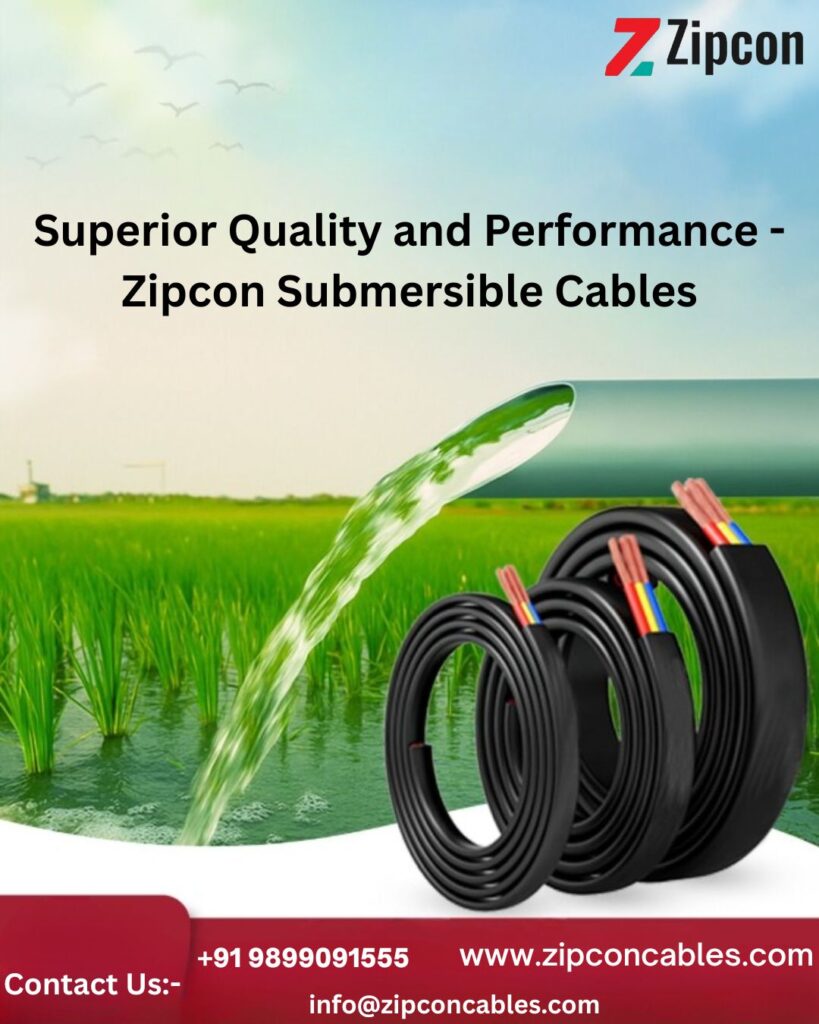
Submersible Flat Cable

When selecting best submersible cables for various applications in Madhya Pradesh, it’s important to evaluate key factors such as conductivity, durability, weight, cost, safety, and installation requirements. Both copper and aluminum submersible cables have their unique advantages, and understanding these differences can help you make the best decision for your specific needs. Zipcon Cables offers a range of high-performance submersible cables that meet these criteria, ensuring that you get a reliable and cost-effective solution.

Conductivity: Copper vs. Aluminum

Copper cables are widely known for their superior electrical conductivity. Copper’s conductivity is around 60% better than that of aluminum, which makes it the preferred choice for applications requiring high power transmission with minimal energy loss. In submersible pumps, where consistent and efficient power delivery is crucial, copper cables help ensure that energy is transferred effectively, resulting in lower power consumption and optimal performance.

Aluminum cables, on the other hand, are less conductive but still perform well in many submersible applications. Although the power loss is higher compared to copper, aluminum is a good alternative for applications where conductivity requirements are less demanding, and budget constraints are more significant.

Durability: Performance in Harsh Environments

Submersible cables are exposed to constant submersion in water, as well as varying temperatures and pressures. Copper cables typically offer better durability in such harsh conditions because copper is highly resistant to corrosion and oxidation. Over time, this resistance helps copper cables last longer, even in water-based environments where the cable is submerged for extended periods.

Aluminum cables, while still durable, are more prone to oxidation over time. When exposed to moisture, aluminum can corrode more quickly than copper, especially in areas with high humidity or temperature fluctuations. However, modern aluminum cables often come with protective coatings that help enhance their longevity, making them suitable for less critical installations where long-term exposure is a factor.

Weight: Impact on Installation and Use

When it comes to weight, copper cables are significantly heavier than aluminum cables. This difference can have practical implications during installation. Copper’s heavier weight may require more labor or special equipment to handle, especially in large-scale installations or deep-well submersible pumps. However, the additional weight can provide some advantages, such as greater stability and less chance of kinking or damage over time.

Aluminum cables, being lighter, are easier to handle and install. The lighter weight reduces the overall burden on installation teams, which can speed up the process and make it more cost-effective. For projects where multiple cables need to be installed quickly, or in locations where transportation and handling are factors, aluminum cables may be the preferred choice.

Cost: Copper vs. Aluminum

Copper cables are typically more expensive due to their higher conductivity and durability. However, the initial higher cost may be justified by the long-term benefits they offer, such as lower maintenance and better overall performance in demanding environments.

Aluminum cables are more budget-friendly, making them an attractive option for projects with a limited budget. While the performance may be slightly lower, aluminum cables can still provide good value for money in less demanding submersible applications.

For users in Madhya Pradesh who need to balance performance with budget, aluminum cables may be the better option for less critical installations, while copper cables should be chosen for applications that demand high reliability and long-term durability.

Safety: Ensuring Safe Operation

Both copper and aluminum cables offer safety benefits, but the key to safety in submersible cables lies in their insulation and corrosion resistance. Copper cables often have superior insulation resistance, ensuring better protection from external factors like water and temperature changes. Proper insulation helps prevent short circuits and ensures safe voltage management.

Aluminum cables also come with insulating layers, and their newer models often feature coatings designed to prevent corrosion. However, the safety of aluminum cables can be compromised if not installed correctly, as their joints can weaken more quickly compared to copper cables.

Installation Needs: Considerations for Ease and Flexibility

When it comes to installation, copper cables tend to be less flexible due to their higher density, making them more challenging to bend and manipulate during installation. However, they are still manageable, and the benefits of durability and performance often outweigh this drawback in critical applications.

Aluminum cables, being more flexible and lightweight, are easier to install and handle. They can be bent with greater ease, making them suitable for applications that require frequent changes or maintenance. Installation teams will find aluminum cables easier to manage in complex or large-scale setups.

Typical Use Cases: When to Choose Copper vs. Aluminum

Copper cables are best suited for high-performance applications, such as deep-well submersible pumps, industrial installations, and areas with high electrical demand. These applications benefit from copper’s superior conductivity, durability, and long-term cost-effectiveness.

Aluminum cables, while not as conductive as copper, are ideal for budget-conscious installations where the power requirements are moderate. They are often used for residential submersible pumps, irrigation systems, and smaller-scale projects that don’t require the high performance of copper cables.

Conclusion: Choosing Zipcon Cables for Your Needs

When selecting submersible cables, the decision between copper and aluminum depends on the specific requirements of your project. For high-performance, long-lasting solutions, copper cables from Zipcon Cables are the best choice. They offer superior conductivity, durability, and safety, making them perfect for demanding applications. On the other hand, if you need a cost-effective solution for less critical installations, aluminum cables from Zipcon Cables provide a reliable and budget-friendly alternative.

By choosing Zipcon Cables, you ensure that you get the best submersible cable for your needs, backed by a trusted brand that prioritizes quality, safety, and performance. Whether you need copper or aluminum, Zipcon’s products deliver reliability and efficiency for a wide range of applications across Madhya Pradesh.

Best Submersible Cable In Maharashtra

When it comes to selecting submersible cables for various applications in Maharashtra, making the right choice can be crucial. With a wide range of options available, it is essential to understand the key factors that affect cable performance. This article will guide you through the critical elements of submersible cables, focusing on copper and aluminum, the two most commonly used materials. We’ll explore conductivity, durability, weight, cost, safety, installation needs, and typical use cases to help you make an informed decision.

Conductivity

The performance of a best submersible cable in maharashtra is heavily influenced by its conductivity, as it determines how effectively the cable can carry electric current. Copper cables are renowned for their excellent conductivity, being a better choice for high-power applications that demand maximum current flow. Copper’s lower resistance allows for more efficient power transmission, reducing energy losses, which is particularly important in submersible pumps or motors that require stable power delivery over extended periods.

In comparison, aluminum cables have a lower conductivity, meaning they require a larger cross-sectional area to carry the same amount of current as copper. While aluminum is still a good conductor of electricity, the higher resistance can lead to increased heat generation and energy loss. Therefore, copper is generally preferred for applications requiring high reliability and efficiency, especially in harsh environments like deep-water submersible pumps.

Durability

Submersible cables are often exposed to harsh environmental conditions, including high moisture levels, temperature fluctuations, and sometimes, harsh chemicals. The material used in the cable determines how well it can withstand these challenges. Copper cables have strong corrosion resistance, making them suitable for long-term use in water and underwater applications. However, over time, copper cables may still suffer from some degree of corrosion due to prolonged exposure to water, particularly in areas with high salinity, though they remain highly durable in most conditions.

On the other hand, aluminum cables are more prone to corrosion when exposed to water, especially saltwater, and may require special coatings or treatments to enhance their longevity. However, in freshwater or other less corrosive environments, aluminum cables can last well, though they might still degrade faster compared to copper. It’s essential to consider the environmental conditions of your installation location before making a decision.

Weight

The weight of the cable is an important consideration for installation and handling. Copper cables are denser and heavier than aluminum cables, making them more cumbersome to transport and install. While this may not be a major issue in smaller installations, it can increase the cost and complexity of installing large cables for deep-water applications or large-scale projects.

Aluminum cables, being lighter, are easier to handle and install, especially for larger installations where weight becomes a concern. This makes aluminum a practical option for extensive submersible installations, where ease of handling and reduced installation time are critical.

Cost

One of the most significant factors that influence the choice of submersible cable is cost. Copper is more expensive than aluminum due to its higher conductivity and better performance. However, the increased cost of copper may be justified for applications that require reliable and efficient power transmission over long distances, especially in critical systems like water supply pumps or deep-well pumps.

Aluminum, while cheaper, may not provide the same level of efficiency and durability as copper. It is often chosen for large-scale installations or projects where budget constraints are a primary consideration. In some cases, using aluminum cables can lead to additional costs down the line if the cables need to be replaced more frequently due to wear or corrosion.

Safety

Safety is always a top priority when selecting electrical cables, and submersible cables are no exception. Both copper and aluminum cables are insulated to prevent electrical shocks and short circuits. The insulation used in submersible cables is typically designed to withstand submersion in water and protect the internal wires from damage.

Copper’s superior conductivity allows it to handle higher power loads without generating excessive heat, which can reduce the risk of electrical fires. However, it’s essential to ensure that the insulation is rated for the specific conditions in which the cable will be used, especially when dealing with high voltages or extreme depths.

Aluminum cables can also be safe when properly insulated, but their higher resistance can lead to heat buildup, particularly in applications with high current demands. It is crucial to select aluminum cables with appropriate insulation and consider factors like temperature resistance and moisture protection when making a choice.

Installation Needs

The ease of installation is another factor that must be taken into account when selecting submersible cables. Copper cables, due to their weight and rigidity, may require more specialized tools and techniques during installation. Their heavier weight can slow down the installation process, especially in deep-well or underwater applications. It’s essential to ensure that the installation team is equipped with the necessary tools to handle these cables efficiently.

Aluminum cables, being lighter and more flexible, are easier to install, particularly for large-scale installations. This can reduce both installation time and labor costs, making aluminum a practical choice for projects where time is a factor.

Typical Use Cases

When deciding between copper and aluminum submersible cables, it’s important to consider the specific needs of your application.

  • Copper Cables: These are ideal for high-power applications, such as deep-water submersible pumps and motors, where maximum efficiency and long-term durability are required. Copper’s superior conductivity makes it the go-to choice for high-demand installations, especially when water exposure is constant, and reliability is crucial.
  • Aluminum Cables: These are best suited for larger installations where cost is a primary concern, and power requirements are lower. They are commonly used in irrigation systems, municipal water supply projects, and other large-scale applications where the initial cost savings can offset the slightly reduced performance compared to copper.

Conclusion

Choosing the best submersible cable for your needs in Maharashtra depends on various factors, including conductivity, durability, weight, cost, safety, installation requirements, and the specific application. Copper cables are more efficient and durable, making them ideal for high-power applications, while aluminum cables offer a cost-effective solution for large-scale projects with lower power demands. Assessing the environmental conditions, power requirements, and budget constraints will help guide your decision on the best cable type for your project.

If you’re unsure about which type of submersible cable to choose, consulting with a professional like Zipcon Cables can ensure that you select the right product for your specific needs.