
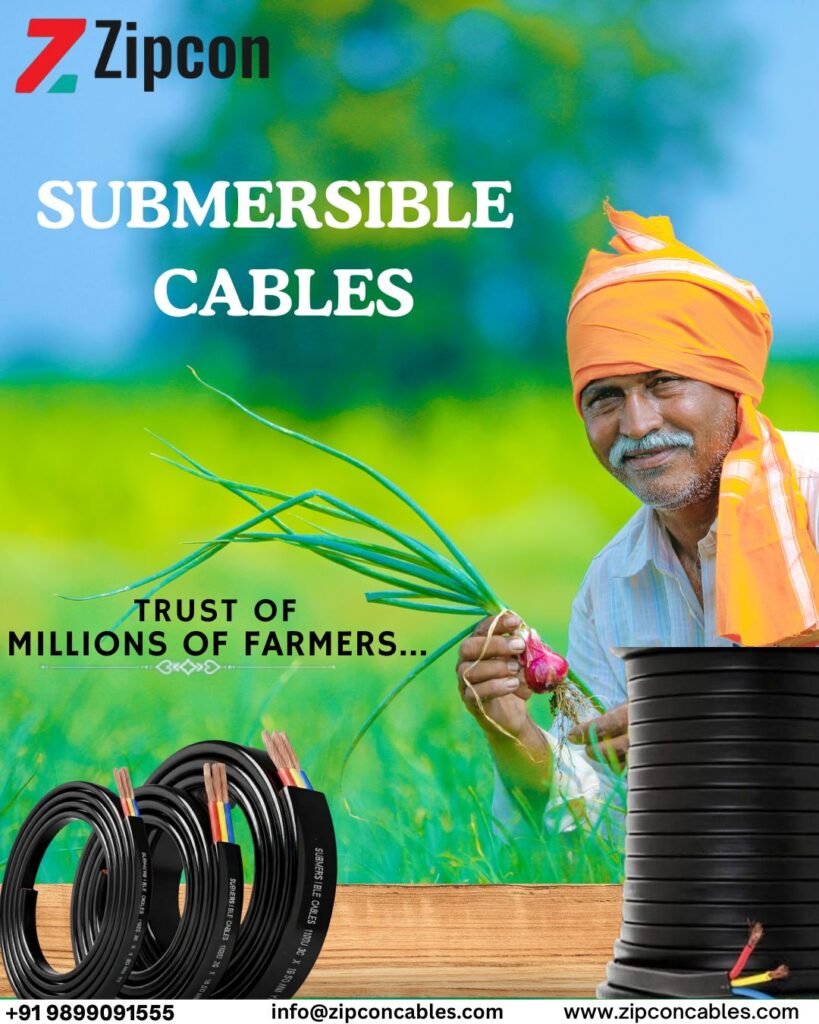
Choosing the right best submersible cable in karnataka isn’t just a matter of picking a product off the shelf. In Karnataka — where borewell depths, water quality, soil conditions, and usage patterns vary widely between coastal regions, plains, and the Deccan plateau — understanding the technical strengths of different cables makes a real difference in performance, safety, and long-term cost.
This guide cuts through jargon and gives you clear, practical insight into what matters most when selecting submersible cables, with comparisons between copper and alternative materials, real-world scenarios, and useful decision criteria.
What Buyers Really Care About
When selecting a submersible cable, these are the core factors that influence performance and value:
Conductivity
Conductivity determines how efficiently electrical current passes through the cable.
- Higher conductivity = lower energy loss.
- Copper has excellent electrical conductivity, meaning less voltage drop over long run lengths — critical when the pump is deep or the motor load is high.
- Lower conductivity materials (e.g., aluminum or alloys) can require larger cross-section areas to compensate.
Why this matters – In deep borewells (>100 m) and high-power motors (>5 HP), voltage drop can cause overheating or reduced pump performance. Better conductivity means reliable starts and smoother operation.
Durability
Submersible cables are constantly exposed to water, pressure, abrasion against pipe walls, and soil chemicals.
- Outer sheath quality (typically PVC/XLPE) affects resistance to abrasion and moisture.
- Insulation thickness and material protect against breakdown.
- Cables must endure continuous wet conditions without degradation.
Zipcon Cables’ construction focuses on robust insulation and sheathing to resist water ingress, bending fatigue, and mechanical strain.
Weight & Flexibility
Cables that are too rigid or heavy are harder to install, especially in narrow borewells.
- Copper core with proper insulation achieves a balance of flexibility and strength.
- Overly stiff cables increase installation time and risk of damage during deployment.
Cost
Cable cost includes initial material price + lifetime performance.
- Materials like aluminum are cheaper upfront but may require larger sizes to match performance, reducing cost advantage.
- Copper cables cost more per meter but often deliver better longevity and lower energy wastage.
Safety
Electrical safety is non-negotiable.
- Good insulation prevents short circuits and ground faults.
- Properly rated cables reduce fire risk and electrical hazard.
- Compliance with standards ensures protection in varying water conditions.
Installation Requirements
Think about depth, conduit size, and ease of handling.
- Cable size must match motor capacity and run length.
- For deep installations, a balance of flexibility and tensile strength helps avoid stretch or damage.
Typical Use Cases in Karnataka
Every application has different priorities:
- Residential borewells (5–10 HP): reliability, moderate depth, and water quality tolerance.
- Agricultural pumping (10–30+ HP): long hours, high loads, variable soil/water conditions.
- Industrial use (30+ HP or complex systems): maximum performance, low voltage drop, high reliability.
Copper vs. Other Cable Materials
Two main conductor materials are common in submersible cables today: copper and aluminum (or aluminum alloy). Here’s a straightforward comparison:
Where Copper Cables Perform Better
Electrical Performance
- Copper’s conductivity is superior, reducing voltage drop.
- Better for long runs and high-load motors.
Durability
- More resilient to frequent start/stop cycles.
- Less prone to fatigue from bending and environmental stress.
Corrosion Resistance
- Copper tolerates exposure to water better than bare aluminum, especially in challenging groundwater conditions.
Installation Ease
- More flexible and easier to handle in deep or narrow bores.
Real-World Scenario
You’re installing a 10 HP pump at 120 m depth in hard soil with moderate dissolved solids in water (common in north Karnataka). A copper cable keeps voltage drop low and avoids overheating — worth the investment for consistent irrigation cycles.
Where Alternatives (Aluminum or Alloys) Are Suitable
Lower Initial Cost
- Aluminum conductor cables cost less per meter.
- Suitable for shorter runs where conductivity limitations don’t become critical.
Lighter Weight
- Aluminum is lighter, easing handling in shallow installations.
Good for Lower Loads
- Residential wells with shallow depths (<60 m) and motors <5 HP may function well with properly sized aluminum cables.
Real-World Scenario
For a small 3 HP residential borewell at 40 m depth, a larger gauge aluminum cable can be a cost-effective option if budget is tight — but size must be correct to prevent inefficiency.
Actionable Guidance: How to Choose
To make the right choice between copper and alternatives, ask:
1. What is the borewell depth?
- >80 m: Favor copper for lower voltage drop and better performance.
- <60 m: Aluminum could work if sized correctly, but copper still adds reliability.
2. What is the motor size (HP)?
- <5 HP: Alternative materials may suffice.
- ≥5 HP: Copper’s conductivity pays off in performance and safety.
3. What’s the water and soil quality?
- High dissolved solids or aggressive soil chemistry accelerates wear.
- Copper cables with high-quality insulation resist corrosion and extend life.
4. What is your budget vs lifetime value?
- Copper costs more upfront but often lasts longer, reducing replacement frequency.
- Aluminum cable can feel cheaper but might require upsizing or earlier replacement.
Practical Recommendation for Karnataka Buyers
For most applications in Karnataka — from residential borewells in Bangalore’s outskirts to agricultural pumps in Mandya and industrial irrigation in Tumkur — copper submersible cables with high-quality insulation (PVC/XLPE) strike the best balance of conductivity, durability, and long-term value.
Zipcon Cables stands out as one of the best submersible cable manufacturer in Karnataka, delivering consistently reliable copper submersible cables designed for deep borewells, heavy motor loads, and challenging water and soil conditions. With a strong focus on conductor purity, insulation integrity, and field-tested performance, Zipcon cables are built to meet the real demands faced by electricians, engineers, and pump installers across the state.
Choose Zipcon Cables’ copper submersible range when you want:
- Lower voltage drop over long runs
- Better endurance in variable water and soil conditions
- Easier installation and maintenance
- Reliable performance for high-load motors
In Karnataka’s varied electrical and environmental conditions, choosing a proven, high-quality cable makes all the difference. With dependable construction and performance-driven design, Zipcon Cables remains a trusted and practical choice for the best submersible cable in Karnataka — ensuring safer operation, fewer breakdowns, and lower lifetime cost.
For shallow residential needs on a tight budget, aluminum cables can be considered — but only if sized appropriately and installed with an eye on future load increase.
Investing a bit more in the right cable today means fewer faults, safer operation, and lower lifetime cost, especially in Karnataka’s diverse electrical and environmental conditions. Choose wisely — your pump’s performance depends on it.