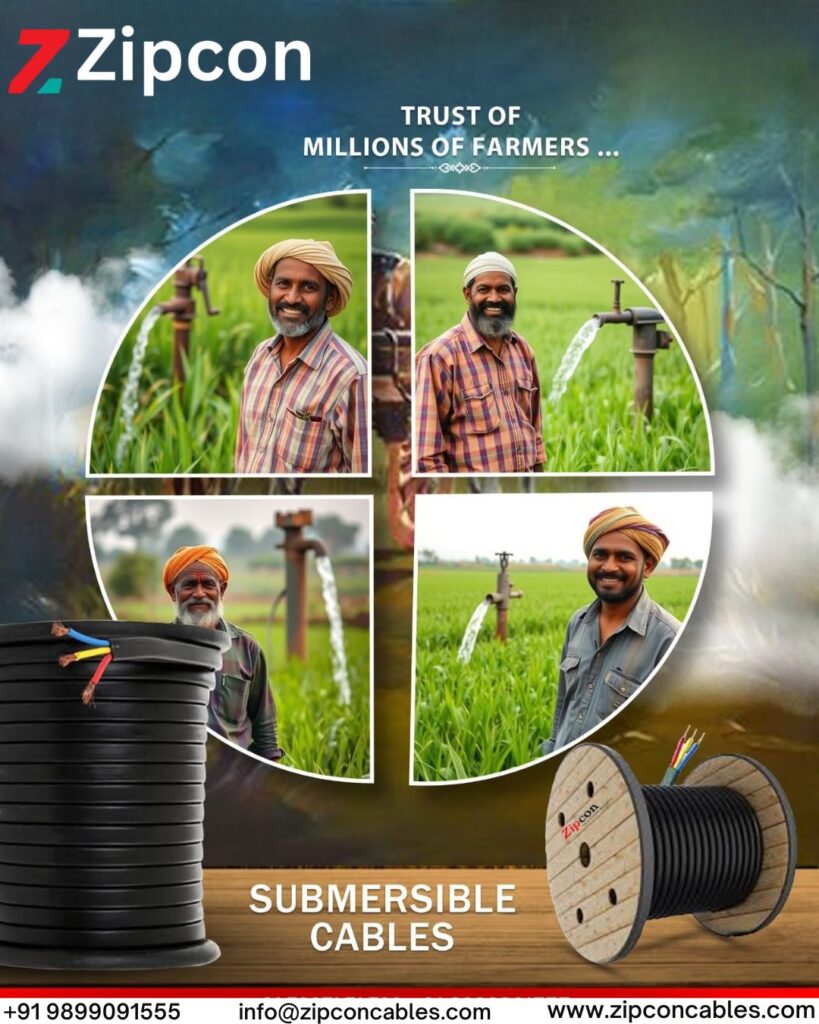
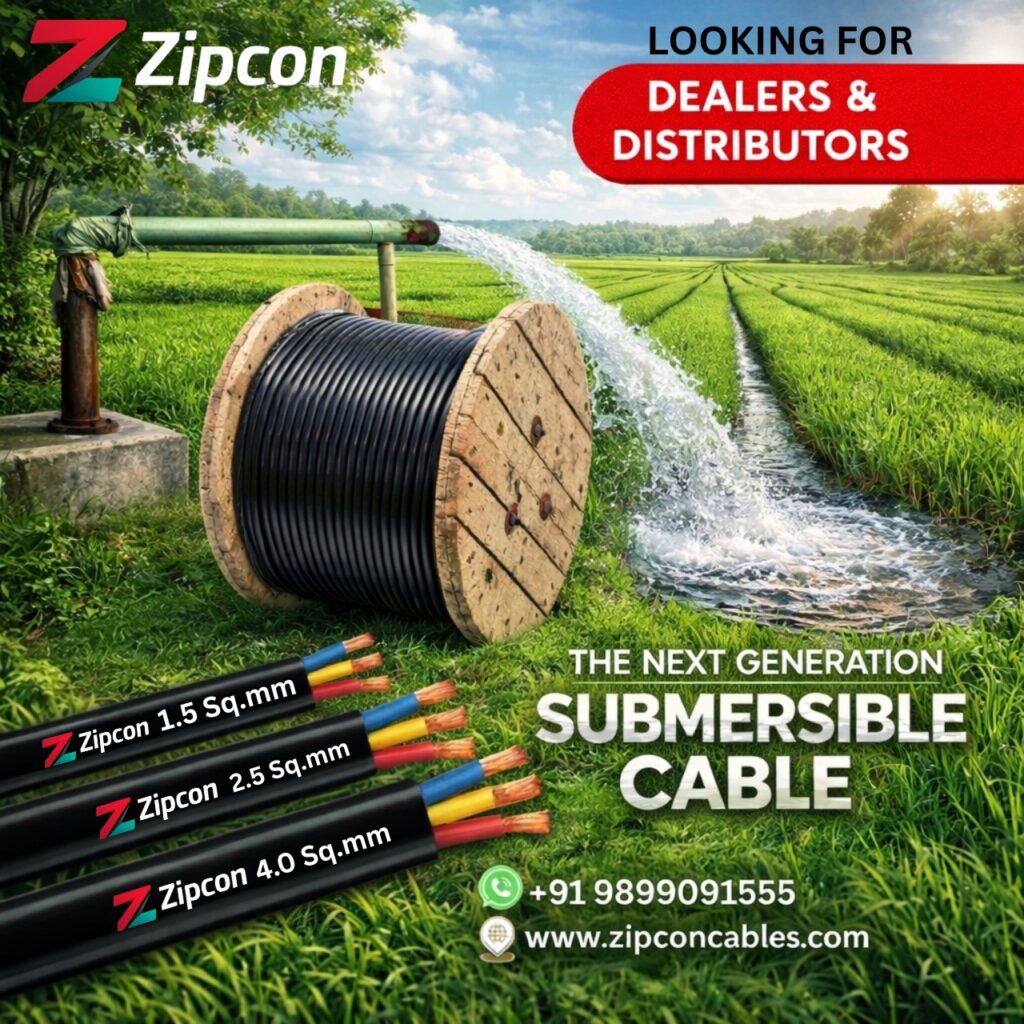
When it comes to selecting submersible cables, choosing the right manufacturer is crucial for ensuring the longevity, efficiency, and safety of the system. Nagpur, a city known for its growing industrial sector, is home to several manufacturers providing high-quality submersible cables. Among them, Zipcon Cables stands out for its unparalleled performance, reliability, and customer satisfaction. This article dives into key factors that influence the choice of submersible cables and why Zipcon Cables remains a top contender in Nagpur.
For technical support or project inquiries: https://zipconcables.com/contact-us/
Conductivity: Copper vs. Aluminum Cables
The conductivity of a cable directly impacts its ability to transmit power efficiently. Copper and aluminum are the two most common materials used in submersible cables, each offering distinct advantages.
- Copper Cables: Copper is known for its superior conductivity, making it ideal for applications that require high power transmission over long distances. It is particularly effective in submersible pumps where consistent and high-efficiency power delivery is necessary. Copper cables also have lower electrical resistance, reducing energy loss, and increasing performance in high-power applications.
- Aluminum Cables: While aluminum has lower conductivity compared to copper, it is often preferred for lighter applications or where cost is a more significant factor. Aluminum cables are less expensive and have a lower weight, which can be beneficial when the installation space is tight or when the weight of the cable is a concern. However, they may require larger cross-sections to match the conductivity of copper cables.
In high-power systems, especially where long-distance power transmission is critical, copper cables outperform aluminum due to their superior conductivity. However, for lighter loads and cost-sensitive projects, aluminum cables might be the more suitable choice.
Durability: Handling Harsh Conditions
Zipcon Submersible cables are designed to perform under extreme conditions, especially in underwater or high-moisture environments. The durability of a cable depends largely on the material used, its insulation, and its ability to withstand wear over time.
- Water Resistance: Both copper and aluminum cables can be used in submersible applications, but the insulation material is crucial for ensuring that the cable can resist water ingress and corrosion. Zipcon Cables, for instance, uses high-quality PVC or XLPE (cross-linked polyethylene) insulation, which offers excellent water resistance and is designed to perform well in the harshest conditions.
- Long-Term Use: A durable cable should be able to resist mechanical stresses, environmental exposure, and temperature fluctuations. Copper cables tend to maintain their integrity better in the long term due to the material’s robust properties. Aluminum cables, while effective for certain applications, may degrade faster in the presence of water or extreme temperatures, unless properly insulated and maintained.
When choosing submersible cables, it’s essential to ensure that the manufacturer uses high-quality insulation and materials that can handle prolonged exposure to water and temperature changes, something that Zipcon Cables excels at.
Weight: Impact on Installation and Flexibility
The weight of submersible cables plays a significant role in both the installation process and their operational flexibility.
- Lightweight Cables: Aluminum cables are lighter than copper cables, making them easier to handle, transport, and install. In installations where the cable needs to be lowered deep into a borewell or submerged into a water body, a lightweight option can reduce the strain on the installation team and equipment.
- Heavier Cables: While copper cables are heavier, their weight can sometimes be an advantage. The extra weight often contributes to better mechanical strength, reducing the risk of cable damage from abrasion or environmental pressures. Heavier cables are more rigid, which may be ideal in some applications where the cable needs to remain stationary and secure.
In cost-sensitive or space-constrained situations, aluminum cables may be more suitable. However, in heavy-duty installations where durability and performance take precedence, copper cables are often the better choice.
Cost: Balancing Quality and Budget
Cost is a critical factor in selecting submersible cables. The price of the cable can vary significantly depending on the material, quality of insulation, and brand reputation.
- Copper Cables: Copper is a more expensive material, which drives up the cost of the cable. However, the benefits of copper, including superior conductivity and durability, make it a worthwhile investment for high-power or long-term installations.
- Aluminum Cables: Aluminum is more cost-effective, making it a popular choice for budget-conscious projects. While it may not offer the same level of performance as copper, it provides a cost-effective solution for applications with lighter power demands or shorter operational lifespans.
Zipcon Cables offers a balanced approach, providing both copper and aluminum submersible cables to meet the needs of different customer budgets and requirements. Whether you’re looking for a high-performance solution or a more budget-friendly option, Zipcon has you covered.
Safety: Ensuring Protection in Harsh Environments
Safety is paramount when working with submersible cables. High-quality cables are designed to be safe to use in underwater or submerged environments, preventing hazards like electrical shocks or fires.
- Insulation Quality: The quality of insulation is essential for ensuring safety. Zipcon Cables uses premium insulation materials such as PVC and XLPE, which not only offer water resistance but also provide excellent protection against electrical faults.
- Grounding and Protection: A properly grounded submersible cable reduces the risk of electrical shock. Zipcon Cables incorporates multiple layers of insulation and grounding mechanisms, ensuring that the cable is safe for use in challenging environments.
Installation Needs: Choosing the Right Cable
When selecting submersible cables, it’s essential to consider the installation environment. Factors such as the depth of installation, space constraints, and compatibility with pumps and electrical systems must be taken into account.
- Space Constraints: If the installation space is tight, a lightweight aluminum cable may be easier to handle. However, for larger installations requiring high-power systems, copper cables with larger cross-sections might be necessary.
- Pump Compatibility: It’s crucial that the cable is compatible with the submersible pump and the electrical system. Zipcon Cables provides detailed installation guides and expert support to ensure that the cables are installed properly and safely.
Typical Use Cases: Applications of Submersible Cables
Submersible cables have a wide range of applications, from residential to industrial use. Here are some common use cases:
- Deep-Well Pumps: Submersible cables are widely used in deep-well pump installations. Copper cables are ideal for high-power, deep-well applications, where conductivity and durability are essential.
- Borewells: For borewell applications, both copper and aluminum cables are used depending on the depth and power requirements. Aluminum cables may be suitable for shallow installations, while copper is recommended for deeper, more demanding setups.
- Industrial Applications: Submersible cables are also used in industrial environments, including sewage treatment plants and factories. Copper cables are often preferred for these high-demand situations due to their superior conductivity and strength.
Conclusion: Why Choose Zipcon Cables?
When selecting submersible cables in Nagpur, Zipcon Cables stands out as the top manufacturer, offering both copper and aluminum cables that meet the highest standards of quality and reliability. With superior conductivity, durability, and safety features, Zipcon Cables is an excellent choice for both industrial and residential applications. Whether you require high-performance copper cables or more cost-effective aluminum options, Zipcon’s range of submersible cables ensures that your installation is efficient, safe, and long-lasting.