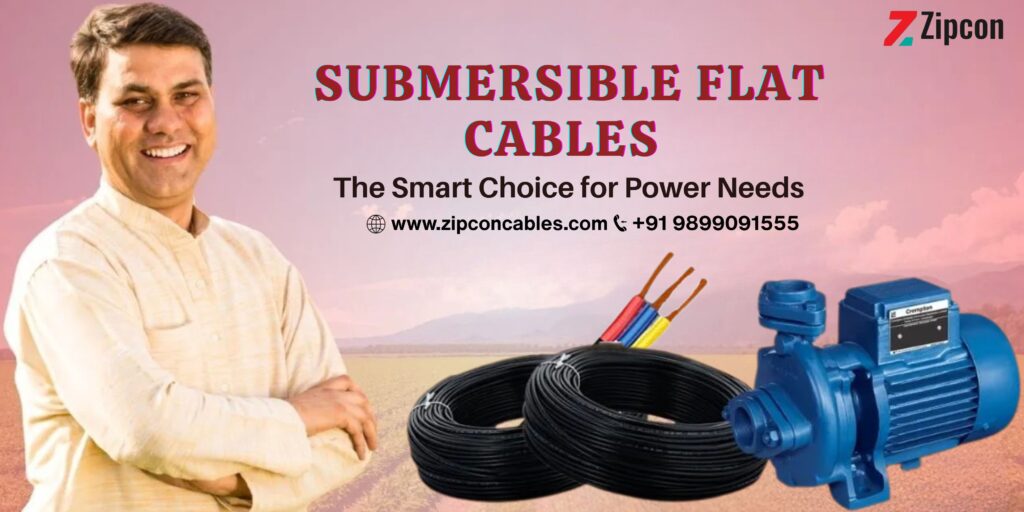
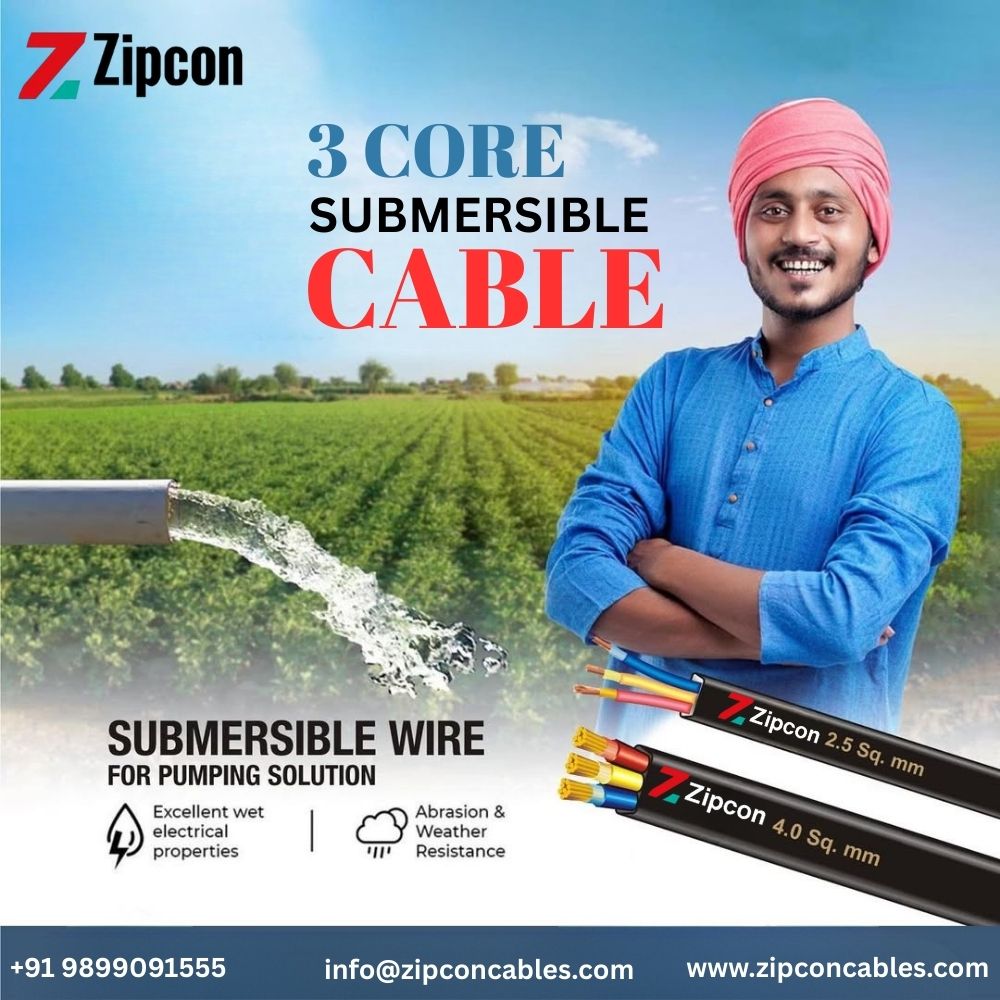
Submersible flat cables are essential components in a range of applications, particularly in environments where traditional cables might fail due to exposure to water or harsh conditions. These cables are specifically designed to perform reliably in submerged or wet environments, making them a preferred choice for industries ranging from water pumping to marine installations. This article covers the key aspects of submersible flat cables, including conductivity, durability, weight, cost, safety, installation, and typical use cases.
Conductivity: Copper vs. Aluminum
When considering submersible flat cables, electrical conductivity is a critical factor. These cables are often made from either copper or aluminum. Copper cables have superior conductivity compared to aluminum, making them the better option for applications requiring high efficiency, such as powering water pumps in deep wells or high-performance underwater lighting systems. The excellent conductivity of copper ensures minimal power loss, particularly important in submerged installations where efficiency is crucial.
Aluminum, on the other hand, is a more cost-effective alternative. While it doesn’t match copper’s conductivity, it still provides adequate performance in less demanding applications. Additionally, aluminum is lighter, which can be an advantage in situations where the weight of the cable needs to be minimized.
Durability: Designed for Harsh Environments
Submersible 3 core flat cables are built to withstand tough environments, especially underwater. The key to their durability lies in their robust construction, which typically includes multiple layers of insulation and coatings designed to protect against corrosion, wear, and mechanical damage. Most submersible cables feature a layer of rubber or thermoplastic material that resists water ingress and protects the wire inside.
In addition to their resistance to water, these cables are often coated with materials that prevent degradation caused by UV radiation, chemicals, and extreme temperatures. This makes them ideal for underwater pumps, fountains, and marine applications, where cables must be exposed to water for extended periods without suffering performance loss.
Weight: Lightweight for Easy Handling
One of the significant advantages of submersible flat cables is their lightweight nature. Compared to round cables, flat cables are easier to handle and install. Their flat design allows for more compact storage and efficient placement, reducing the overall footprint of the installation. This is particularly useful in underwater installations or in tight spaces where a bulky round cable might be difficult to manage.
However, this lightweight feature comes with some trade-offs. While the reduced weight of flat cables makes installation easier, it can also impact the strength of the cable. For instance, a round cable might be more durable in areas where the cable needs to bear heavy loads or endure rough handling. For most submersible applications, however, the lightweight nature of flat cables is a benefit.
Cost: Value for Money
In terms of cost, submersible flat cables can be more affordable than round cables, especially when opting for aluminum over copper. While copper cables offer superior conductivity, they come at a higher price point. Aluminum cables are more economical, making them a popular choice for non-critical installations where weight and conductivity are less of a concern.
For high-performance applications, such as in deep-sea or critical underwater installations, the extra investment in copper cables may be worth it due to their superior conductivity and longer lifespan. On the other hand, aluminum cables are often chosen for residential applications or projects where cost is a bigger factor than performance.
Safety: Electrical and Environmental Protection
Safety is a top priority when it comes to submersible cables. These cables are designed with features that help prevent electrical faults and reduce the risk of fire and other hazards. The insulation used in submersible flat cables is often fire-resistant, ensuring that the cable remains safe even in the event of electrical failure.
In underwater installations, one of the main safety considerations is the risk of electrical shock. High-quality submersible flat cables are equipped with insulation that prevents the cable from becoming a hazard when exposed to water. Furthermore, some cables feature additional protective layers that resist external pressure, further enhancing safety in submerged environments.
Installation Needs: Simple and Efficient
Installing submersible flat cables is generally straightforward, especially when compared to round cables. Their flat design makes them easier to lay out, minimizing the need for special tools. They can be installed in trenches, along walls, or even within ducts, depending on the application. This flexibility makes them ideal for a variety of installations, including water pumps, marine applications, and other submerged systems.
However, it is important to note that proper sealing and waterproofing are essential to ensure the longevity of the cable. Special connectors and junction boxes are often required to maintain the waterproof integrity of the installation.
Typical Use Cases: Where Submersible Flat Cables Excel
Submersible flat cables are commonly used in various industrial and residential applications where exposure to water or moisture is a concern. Some of the most typical use cases include:
- Water Pumps: Submersible flat cables are often used to power water pumps in wells, fountains, and wastewater treatment plants. Their ability to withstand constant submersion in water makes them ideal for these environments.
- Underwater Lighting: These cables are also used in marine and pool lighting systems, where durability and water resistance are essential.
- Marine Applications: In boats, ships, and other maritime vessels, submersible flat cables provide reliable electrical connections in harsh, submerged environments.
In each of these use cases, the durability, conductivity, and cost-effectiveness of submersible flat cables make them the preferred choice.
Copper vs. Other Materials: When to Choose What?
When deciding between copper and other materials like aluminum, it’s essential to consider the specific requirements of the installation. Copper excels in applications requiring high conductivity, such as powering pumps and equipment in deep-water or critical installations. Its superior electrical performance ensures minimal energy loss, making it ideal for energy-efficient systems.
Aluminum, while not as conductive as copper, is a viable alternative for applications where weight is a concern or where the power demands are lower. It’s also more affordable, making it a popular choice for general residential and commercial installations.
Comparisons and Recommendations
Submersible flat cables outperform round cables in specific scenarios, particularly in underwater or submerged installations. Their lighter weight, ease of handling, and compactness make them ideal for applications such as water pumps, underwater lighting, and marine projects. However, round cables may be more appropriate in situations requiring higher tensile strength or where the cable will be subject to heavy handling.
For high-performance and critical applications, copper submersible flat cables are the best choice due to their superior conductivity. In contrast, aluminum cables offer a more budget-friendly option for less demanding installations.
Conclusion
Submersible flat cables are a reliable, cost-effective solution for applications that require robust, water-resistant wiring. Their excellent conductivity, durability, and ease of installation make them a versatile choice for engineers, electricians, and businesses dealing with submerged or harsh environments. When choosing between copper and aluminum, consider the specific demands of your project to ensure the best performance and value for money. Choose Zipcon Cables for high-quality submersible flat cables that meet the rigorous standards of industrial and residential applications, ensuring a long-lasting, reliable solution for your next project.