
Zipcon Cables
Best Multicore Cables In Karnataka

Choosing the right best multicore cable in Karnataka isn’t just a technical decision — it impacts safety, efficiency, long‑term performance, and project cost. In Karnataka’s diverse environments — from industrial zones in Bengaluru to coastal districts and rural installations — making a smart cable choice matters. This guide focuses on key factors like conductivity, durability, weight, cost, safety, installation, and use cases, comparing copper multicore cables with aluminium and other alternatives. You’ll get clear insights to help you decide — with a recommendation framework at the end — and understand why ZIPCON Cables is a reliable choice in the region.

1. Conductivity: Copper Leads, Aluminum Follows

Why Conductivity Matters:
Conductivity determines how efficiently a cable carries current. Higher conductivity means less energy loss, lower heat generation, and better performance under load.

Copper Multicore Cables:

  • High conductivity — copper is one of the best conductors used in power and control cables.
  • Delivers stable performance even under heavy loads.
  • Ideal for industrial machinery, motor drives, control panels, and power distribution.

Aluminium and Other Alternatives:

  • Aluminium conducts less efficiently than copper. To match performance, aluminium cables must have larger cross‑sectional areas.
  • Suitable for low‑power circuits, long distribution lines, and applications where high performance isn’t critical.

Real World Tip:
For a manufacturing plant in Hubballi with multiple heavy motors and drives, copper cables keep voltage drop low and ensure reliable operations. For long outdoor feeder lines where cost is key, aluminium might be considered — but always size it correctly.

2. Durability: Standing Up to Karnataka’s Conditions

Environmental Challenges:
Karnataka’s humid coastal zones, dusty inland sites, and industrial environments with possible chemical exposure test cables over time.

Copper Advantages:

  • Excellent corrosion resistance and mechanical strength.
  • Less affected by moisture and heat cycles.
  • Better longevity in demanding conditions like chemical plants and outdoor exposed runs.

Aluminium Considerations:

  • More prone to oxidation unless properly sheathed.
  • Can become less reliable over time in extremely humid or corrosive environments.

Other Alternatives (e.g., FRLS, XLPE cables):

  • Flame retardant and low smoke (FRLS) options add fire safety where required.
  • Cross‑linked polyethylene (XLPE) jackets increase thermal performance.

Real World Insight:
At coastal power substations near Mangaluru with salt‑laden air, copper multicore cables with XLPE insulation offer longer life compared to basic aluminium cables prone to surface oxidation.

3. Weight: Handling and Installation

Copper Cables:

  • Heavier than aluminium for the same conductivity.
  • Installing long runs, especially overhead or in elevated ceilings, requires more manpower and support.

Aluminium Cables:

  • Significantly lighter, making them easier to transport and handle.
  • Saves on structural support and roofing load in buildings.

When Weight Matters:
Projects like campus wiring or inter‑building feeder links can benefit from aluminum’s lighter weight — but never at the expense of undersizing, which increases losses.

4. Cost: Upfront vs. Long‑Term Value

Material Costs:

  • Copper cables cost more upfront.
  • Aluminium is more affordable per meter.

Total Cost Considerations:

  • Copper’s efficiency means lower energy loss, fewer replacements, and less maintenance — reducing long‑term expense.
  • Aluminium’s lower purchase price can be attractive for large, budget‑constrained jobs.

Scenario Example:
For residential society wiring, aluminium might reduce initial budget pressure. For an industrial automation project with high uptime requirements, copper’s long‑term reliability justifies its cost.

5. Safety: Heat Resistance and Fault Protection

Copper Cables:

  • Handle high current loads with minimal heating.
  • Lower risk of insulation damage under overload.
  • Stable performance reduces risk of short circuits and fire.

Aluminium Cables:

  • More sensitive to temperature rise under load; requires careful sizing and protection.
  • Proper connectors and termination practices are critical to avoid hotspots.

Advanced Cable Types:

  • Fire‑resistant and low‑smoke cables add additional safety layers in critical environments like hospitals or data centers.

Practical Note:
In busy electrical rooms at commercial buildings in Mysuru, using copper multicore cables with fire‑resistant insulation improves safety margins and simplifies compliance with regulations.

6. Installation Needs: Flexibility and Ease

Copper:

  • More flexible, easier to bend and fit around tight corners.
  • Makes installation faster in constrained spaces.

Aluminium:

  • Stiffer and less flexible, especially in larger sizes.
  • May require additional bends allowance and specialized tools.

Installation Efficiency:
Projects with lots of cable routing — such as high‑rise buildings — benefit from copper’s flexibility, reducing labor time and risk of damage during installation.

7. Typical Use Cases: Matching Cable to Task

Application TypeBest Cable ChoiceWhy
Industrial machinery & automationCopper multicoreHigh conductivity, durability, safety
Power distribution in factoriesCopper multicoreLow losses and stable performance
Long feeder lines in rural electrificationAluminium (sized appropriately)Cost‑effective with lighter weight
Residential wiringAluminium or copperBudget vs. premium performance
High‑rise commercial buildingsCopper multicoreEasier installation and better safety
Outdoor exposed runsCopper multicore (with UV/XLPE insulation)Resists environmental wear

Recommendation Framework: Choosing the Right Cable

When selecting multicore cables in Karnataka, follow this simple decision path:

  1. Is high performance vital (industrial or heavy‑load)?
    Yes: Choose copper multicore cables (e.g., ZIPCON Copper Multicore)
    No: Go to step 2
  2. Is budget a key constraint?
    Yes: Aluminium multicore may be suitable, ensure correct sizing
    No: Copper provides long‑term benefits
  3. Will cables face harsh conditions (moisture, heat, chemicals)?
    Yes: Prefer copper with robust insulation
    No: Aluminium or copper both work
  4. Is installation space tight or routing complex?
    Yes: Copper’s flexibility helps
    No: Aluminium remains feasible
  5. Is safety and heat tolerance a priority?
    Yes: Copper scores higher on safety margins
    No: Aluminium still acceptable with proper protections

Final Thought: Why ZIPCON Cables

ZIPCON Cables offers a reliable range of multicore cables tailored for Karnataka’s diverse needs — from heavy‑duty copper multicore products for industrial environments to cost‑effective alternatives for commercial and residential installations. With quality materials, robust insulation, and reliable performance, ZIPCON helps you match the right cable to your application — ensuring safety, durability, and value.

For engineers, electricians, and buyers seeking dependable cable solutions in Karnataka, ZIPCON multicore cables give you the confidence to build systems that last. Choose smart, choose performance — choose ZIPCON.
Best Solar Cables in Karnataka

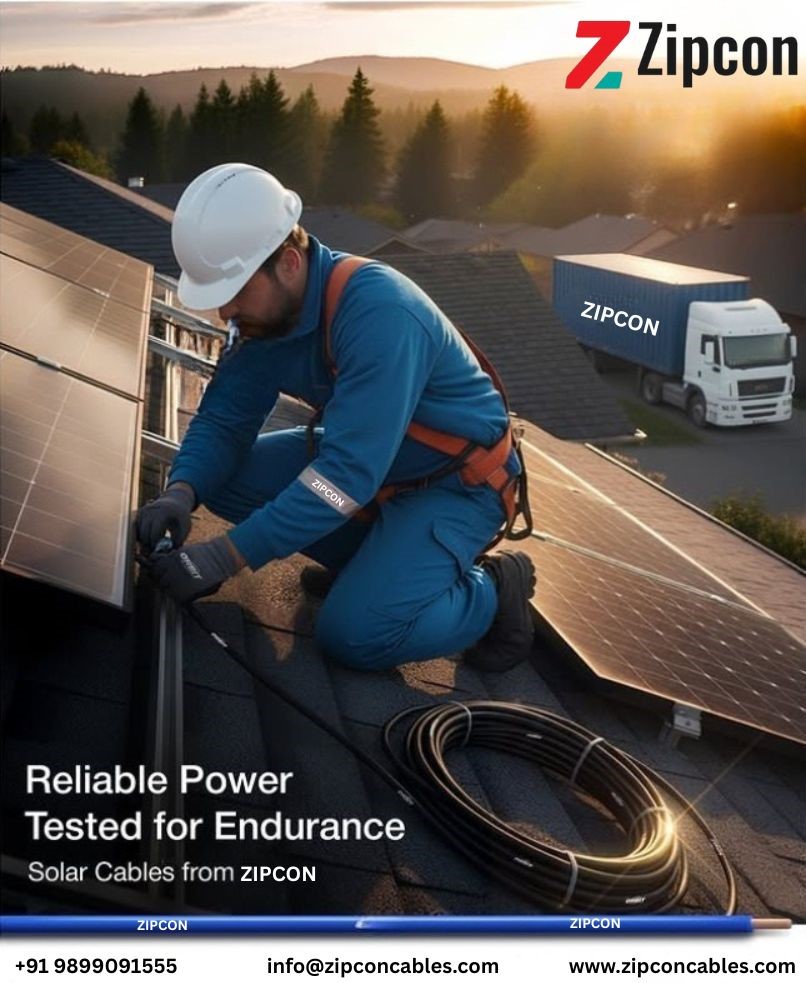
Best Solar Cable in Karnataka is a national leader in renewable energy, home to the massive Pavagada Solar Park and a rapidly growing rooftop solar sector. However, the state’s unique climatic profile—ranging from the high-heat, drought-prone zones of Tumakuru to the humid, monsoon-heavy regions of the Western Ghats—poses significant challenges for electrical infrastructure.

For engineers, EPC contractors, and homeowners, selecting the right solar cable is not just about cost; it is about ensuring decades of reliable power generation. At Zipcon Cables, we believe that understanding the technical nuances between copper and aluminum conductors is the first step toward a high-performing solar installation.

1. Conductivity: Why Material Choice Dictates Efficiency

Conductivity is the measure of a material’s ability to allow the flow of electric current.3 In solar applications, where every watt counts, the choice between copper and aluminum is critical.

  • Copper: With a conductivity rating of nearly 97% IACS (International Annealed Copper Standard), copper is the gold standard. It has lower electrical resistance, which means minimal energy is lost as heat during transmission.
  • Aluminum: Aluminum offers roughly 61% of the conductivity of copper. To carry the same current as a copper cable, an aluminum conductor must have a cross-sectional area approximately 1.6 times larger.
  • The Verdict: For high-efficiency systems where space is limited and maximum power harvest is required, copper cables from Zipcon ensure that the energy generated by your panels actually reaches your inverter.

2. Durability in Karnataka’s Climate

Solar cables are “front-line” components, exposed to 25+ years of intense UV radiation and temperature fluctuations.

In regions like North Karnataka (Kalaburagi, Vijayapura), temperatures can soar, while Coastal Karnataka (Mangaluru) faces high humidity and salt mist.

  • Corrosion Resistance: Aluminum is prone to oxidation, forming a resistive oxide layer that can lead to hot spots at connections. Copper, especially when tinned (as offered by Zipcon), provides superior resistance to corrosion and moisture.
  • Thermal Stability: Copper has a melting point of approximately 1,085°C, significantly higher than aluminum’s 660°C. This makes copper cables much more resilient during extreme heat or accidental overloads.

3. Weight vs. Performance: The Installation Trade-off

Weight is a major factor in logistics and structural loading.

  • Aluminum: It is nearly three times lighter than copper for the same volume. This makes it a popular choice for large-scale utility projects where thousands of meters of cable are suspended on overhead structures.
  • Copper: While heavier, copper’s higher density allows for compact cable runs. For residential rooftops where weight is less of a concern than space and reliability, copper is the more practical choice.

4. Cost: Initial Investment vs. Long-term Value

Price is often the deciding factor, but it requires a “Life Cycle Cost” (LCC) perspective.

  • Initial Cost: Aluminum cables can be 30% to 50% cheaper upfront.
  • Long-term Value: Copper cables typically last 25+ years, whereas aluminum cables may require more frequent maintenance or replacement (often within 10–15 years) due to connection failures or oxidation.

Pro Tip: If your project budget is tight and the system is massive (multi-megawatt), aluminum is viable. For rooftop systems where the “cost of failure” is high, copper offers a better ROI.

5. Safety: Overheating and Fire Prevention

Safety is paramount in solar installations, which operate at high DC voltages.

  • Thermal Expansion: Aluminum expands and contracts significantly more than copper when heated. This can lead to “creep,” where connections loosen over time, causing arcing—a leading cause of solar fires.
  • Fire Retardancy: Zipcon Cables utilizes XLPE (Cross-linked Polyethylene) insulation, which is halogen-free and flame-retardant, meeting international safety standards (like IEC 60332-1) to ensure that even in the event of a fault, fire propagation is halted.

6. Installation Needs: Flexibility and Handling

Installation ease directly impacts labor costs.

  • Flexibility: Copper is naturally more ductile. Zipcon’s stranded copper cables offer a smaller bending radius, making them easier to route through tight conduits and around corners on complex rooftops.
  • Complexity: Aluminum requires specialized bi-metal lugs and anti-oxidant pastes to prevent galvanic corrosion at connection points. Copper uses standard connectors, reducing the risk of installer error.

7. Typical Use Cases: Which Should You Choose?

Application TypeRecommended MaterialWhy?
Residential Rooftop (1kW – 10kW)CopperLimited space; requires maximum efficiency and low maintenance.
Commercial/Industrial (100kW+)CopperReliability and safety are critical for high-value assets.
Large Utility Solar Parks (MW)AluminumSignificant cost and weight savings for long-distance runs.
Coastal/Humid Areas24Tinned Copper25Prevents salt-mist corrosion and maintains conductivity.26

Real-World Scenarios

  • Scenario A: A textile mill in Surat (hot/humid) is installing a 500kW rooftop plant. Recommendation: Zipcon Tinned Copper Cables. The humidity and high current load demand a material that won’t oxidize or overheat.
  • Scenario B: A 50MW ground-mounted park in Pavagada (dry/vast). Recommendation: Aluminum cables for the long-distance transmission lines to save on structural and material costs, using copper only for the critical string-to-box connections.  

Conclusion: Why Zipcon Cables?

Choosing the right solar cable is the difference between a system that pays for itself and one that becomes a liability. Zipcon Cables provides high-quality, UV-stabilized, and flame-retardant cables designed specifically for India’s harsh environments. Our products offer:

  • 99.99% Pure Electrolytic Grade Copper for minimum power loss.
  • Advanced XLPE Insulation for 25-year durability.
  • Compliance with Global Standards (TUV, IEC) to ensure safety.

For your next solar project in Karnataka, don’t compromise on the lifeline of your system. Choose Zipcon Cables for reliability that lasts.

Best Submersible Cables in Chhattisgarh

Best Submersible cables in Chhattisgarh are essential components for powering water pumps and various industrial applications, especially in regions like Chhattisgarh, where irrigation, deep-well pumps, and water supply systems play a vital role in day-to-day life. Choosing the right submersible cable can make a significant difference in efficiency, durability, and safety. In this guide, we’ll explore key factors such as conductivity, durability, weight, cost, safety, installation needs, and typical use cases, with a special focus on Zipcon Cables, known for their superior quality and reliability.

Conductivity: Copper vs. Aluminum

Conductivity is a critical factor when choosing submersible cables. Higher conductivity means less power loss during transmission, which is crucial in water-based environments where efficiency is paramount. The two most common materials used in submersible cables are copper and aluminum.

  • Copper: Copper cables are known for their superior conductivity. They are ideal for installations requiring high efficiency and minimal power loss. Copper’s lower resistance means that it can carry more current over long distances without losing energy. This is particularly important for deep-well pumps or other applications that require long cable runs under water.
  • Aluminum: Aluminum is a more cost-effective option, but its conductivity is lower than copper. While it is lighter and less expensive, it requires a larger cross-sectional area to match the performance of copper cables. For installations where the cable length isn’t as long, aluminum can be a good option. However, for applications where power loss and energy efficiency are crucial, copper cables like those from Zipcon are the best choice.

Durability: Resistance to Corrosion and Wear

Submersible cables are often exposed to harsh environments, including water, soil, and various chemicals. Durability is a key factor to consider, especially in Chhattisgarh, where the cables need to withstand both wet and dry conditions.

  • Corrosion Resistance: One of the main concerns for submersible cables is corrosion, especially when they are exposed to water for long periods. Copper cables are naturally resistant to corrosion, but the insulation and outer covering of the cable also play a crucial role. Zipcon Cables incorporate advanced corrosion-resistant materials that protect the cable from damage, ensuring a longer lifespan even in the harshest conditions.
  • Wear Resistance: Submersible cables must be able to handle abrasion, especially when they move or rub against surfaces while being pulled into or out of wells. Zipcon Cables use robust outer jackets that protect against abrasion, ensuring the cable remains functional even in high-wear situations.

Weight: Choosing the Right Option for Installation

The weight of submersible cables affects both installation and performance. Heavier cables can be more difficult to handle during installation, while lightweight cables may be easier to work with but could compromise durability in some situations.

  • Lightweight Cables: These are easier to install, especially in deep installations, and they reduce the strain on both the installers and the cable itself. However, lighter cables may not always offer the same level of durability and protection as heavier alternatives.
  • Heavier Cables: Although they can be more challenging to install, heavier cables tend to be more robust, with better protection against external elements like abrasion. Copper cables, such as those offered by Zipcon, strike a balance between weight and strength, ensuring ease of installation without sacrificing durability.

Cost: Quality vs. Price

Submersible cables are available in a wide price range, influenced by the material, insulation, and overall build quality. While it may be tempting to choose cheaper alternatives, the cost-benefit of investing in high-quality cables, such as Zipcon Cables, is evident in the long run.

  • Price Range: Copper cables are generally more expensive than aluminum ones due to the higher cost of the material and better conductivity. However, Zipcon Cables provide excellent value for money, offering a high-performance product at competitive prices. The initial investment in a higher-quality cable can pay off through reduced power loss, better durability, and fewer maintenance requirements.
  • Value for Money: While cheaper cables might seem like an attractive option initially, they can lead to higher long-term costs due to reduced efficiency and more frequent replacements. Zipcon Cables, made with high-quality copper and advanced insulation, offer a cost-effective solution for projects that require reliability and durability over time.

Safety: Protecting Against Electrical Hazards

Safety is one of the most important aspects to consider when choosing submersible cables. A poorly insulated or low-quality cable can pose significant electrical hazards, especially in wet or submerged environments.

  • Insulation: The insulation material of submersible cables is critical for preventing electrical hazards. Zipcon Cables use high-quality, industry-standard insulation that ensures complete protection against water, chemicals, and physical wear. This ensures that the cables maintain their integrity and prevent short circuits or power failure.
  • Electrical Protection: Submersible cables must also meet strict industry standards for electrical safety. High-quality cables like those from Zipcon are designed to withstand electrical surges and provide a safe, reliable power supply in water.

Installation Needs: Simplifying the Process

Installing submersible cables requires proper handling and understanding of the environmental factors. Depth, handling, and maintenance are key considerations during installation.

  • Installation Depth: Depending on the depth of the water source (e.g., a deep-well pump), the installation requirements for submersible cables will vary. Zipcon Cables are designed to work efficiently at different depths, providing reliable performance without the need for frequent maintenance.
  • Handling: Ensure that the cables are handled with care during installation to avoid kinks or damage to the insulation. Zipcon Cables are designed to be flexible and easy to manage during installation, ensuring a smooth and efficient process.
  • Maintenance: Regular inspection and maintenance of the cables can extend their lifespan. Zipcon Cables require minimal maintenance, thanks to their durable construction and resistance to corrosion and wear.

Typical Use Cases in Chhattisgarh

Submersible cables are used in a wide range of applications in Chhattisgarh, from irrigation systems to deep-well pumps for agricultural or industrial use.

  • Irrigation Systems: Submersible cables are essential for powering irrigation pumps. Copper cables are preferred in these scenarios due to their high conductivity, ensuring efficient power transmission over long distances.
  • Deep-Well Pumps: For deep-well applications, copper submersible cables are the best choice because they ensure reliable performance and energy efficiency in demanding conditions.
  • Industrial Applications: In industries such as mining, manufacturing, and water treatment, submersible cables are used to power pumps, cooling systems, and other machinery. Zipcon Cables are highly suitable for these applications, offering a durable, safe, and efficient solution.

Conclusion: Choosing the Right Submersible Cable

When choosing submersible cables in Chhattisgarh, it’s important to balance conductivity, durability, weight, cost, safety, and installation needs. Zipcon Cables offer an excellent solution, providing high-quality copper cables that deliver superior performance, safety, and longevity. Whether you’re installing a deep-well pump or powering an irrigation system, Zipcon Cables ensure efficient power transmission and a long-lasting, safe connection.

Best Submersible Cable in Assam

When selecting the best submersible cable in Assam, several key factors must be considered to ensure reliability, performance, and safety. Submersible cables power pumps, motors, and other critical systems in various industries, from agriculture to water treatment. The right choice can impact energy efficiency, installation ease, long-term durability, and cost. In this article, we will explore the technical aspects of submersible cables, compare copper to other materials like aluminum and composite cables, and help you make an informed decision based on your specific needs.

Key Considerations When Choosing Submersible Cables

  1. Conductivity: Copper vs. Aluminum vs. Composite
    Conductivity is a fundamental property of submersible cables. Copper cables have the highest electrical conductivity, which means they allow electricity to flow more efficiently. This results in lower energy loss, reducing operational costs over time. Copper’s superior conductivity makes it ideal for long cable runs and high-power applications.

    On the other hand, aluminum cables, while less conductive, are often used in situations where the cost is a major concern. Aluminum cables carry more current than copper cables for shorter distances, but they do so at a higher voltage drop. For long-distance runs or deep-well pumping, copper cables are preferable as they have less power loss.

    Composite cables (such as those with a mix of copper and aluminum or with specialized coatings) are emerging as a viable option for certain submersible applications. They offer a balance between conductivity, cost, and weight, but may not match copper’s efficiency over long distances.

    Recommendation: For long-term, high-performance applications, especially in deep wells or industrial setups, copper cables are the best choice due to their higher conductivity and lower energy loss.
  2. Durability and Corrosion Resistance
    Submersible cables are constantly exposed to water, moisture, and sometimes harsh chemicals. Copper cables, when properly insulated, offer excellent corrosion resistance. They are less prone to degradation in saline and brackish water, which is especially important in coastal regions like Assam. Copper’s natural resistance to corrosion ensures that it lasts longer, requiring fewer replacements and reducing maintenance costs.

    Aluminum cables are more vulnerable to corrosion, particularly in saline or highly humid environments. Oxidation of aluminum can lead to a significant reduction in conductivity and overall performance. However, aluminum cables are sometimes coated with special layers to improve their resistance to corrosion, but they still cannot match copper in this regard.

    Composite cables may offer some resistance to corrosion, but they are not as widely used as copper and aluminum in submersible applications. Their effectiveness in harsh environments depends on the specific materials used in their construction.

    Recommendation: For installations in coastal or highly humid areas, copper cables are the most durable and corrosion-resistant option. For less demanding environments, aluminum cables may suffice, but they are not recommended in harsh conditions.
  3. Weight and Flexibility
    Aluminum cables are lighter than copper cables, making them easier to handle during installation, especially for larger cable runs. The reduced weight can make aluminum cables an attractive choice for projects where ease of installation is a priority. However, lighter cables often come at the cost of mechanical strength.

    Copper cables are heavier but more robust, which makes them better suited for high-stress applications. Their increased weight may require more care during installation, but they are more resistant to mechanical damage once in place.

    Recommendation: For large installations that require easy handling and where mechanical stress is minimal, aluminum cables are a suitable choice. However, if durability and long-term stability are more important, especially in high-stress applications, copper cables are recommended.
  4. Cost: Budget Considerations
    Aluminum cables are significantly cheaper than copper cables, making them a more budget-friendly option for projects with tight financial constraints. If the submersible system is used for a short period or in less critical applications, aluminum cables can provide sufficient performance at a lower upfront cost.

    However, the long-term savings of copper cables are undeniable. Their higher conductivity reduces energy losses, while their superior durability and corrosion resistance result in fewer maintenance and replacement costs. Over time, the higher initial cost of copper cables is offset by their lower operational and replacement expenses.

    Recommendation: For short-term or less critical applications, aluminum cables can be a cost-effective solution. For long-term investments where reliability and efficiency are crucial, copper cables are the better option.
  5. Safety Considerations
    Copper cables provide better safety compared to aluminum cables. Their superior conductivity ensures a consistent flow of electricity, reducing the risk of overheating and electrical failures.

    Aluminum cables, due to their higher resistance, are more likely to overheat and potentially cause electrical hazards, especially if the cable is exposed to environmental stress or improper installation.

    Recommendation: For safety-critical applications, particularly in commercial or industrial settings, copper cables are the safer choice. They offer a more reliable electrical connection, reducing the risk of electrical hazards.
  6. Installation Requirements
    Both copper and aluminum cables are relatively straightforward to install. However, aluminum cables are easier to handle because of their lighter weight. For larger installations or where the cable needs to be routed through tight spaces, the flexibility of aluminum cables may be advantageous.

    Copper cables, due to their weight, may require more labor during installation. However, their higher mechanical strength and resistance to wear and tear during installation often make them the preferred choice for more demanding applications.

    Recommendation: For ease of installation in large projects or tight spaces, aluminum cables may be ideal. However, for more complex or high-stress environments, copper cables are worth the additional effort during installation.

Typical Use Cases in Assam

In Assam, where submersible pumps are used in agriculture, water supply systems, and coastal regions, the choice of cable depends on the application:

  • Residential borewells: Aluminum cables can be a cost-effective choice for residential setups where cable runs are short, and cost savings are a priority.
  • Commercial and industrial pumping systems: Copper cables are recommended for their durability and high performance over long distances.
  • Coastal areas: Copper cables are best for areas with high humidity and salinity, as they resist corrosion better than aluminum cables.

Why Choose Zipcon Cables?

Zipcon Cables offer a wide range of high-quality copper and aluminum submersible cables that cater to various industrial and residential needs. With an emphasis on corrosion resistance, durability, and high conductivity, Zipcon Cables ensure that your systems remain efficient and long-lasting.

For commercial and industrial applications, Zipcon’s copper submersible cables provide unmatched performance, ensuring minimal power loss and long-term reliability. For residential applications where budget is a concern, Zipcon’s aluminum cables offer a cost-effective solution without sacrificing too much performance.

Conclusion: Making the Right Choice

In conclusion, the best submersible cable for your project in Assam depends on several factors, including the environment, application, budget, and long-term goals. Copper cables are generally the superior option for performance, durability, and safety, especially in harsh or industrial environments. However, aluminum cables can be a suitable and cost-effective choice for less demanding, short-distance applications.

For reliable, high-quality cables that meet all your needs, Zipcon Cables offers a solid solution, providing both copper and aluminum options with industry-leading technical specifications.

Why Choosing the Right Electric Cables for Build Better

Selecting the right electrical cables is crucial in any construction project. The performance, safety, and longevity of electrical systems depend heavily on the cables used. With so many options available, choosing the right type of cable can be challenging. This article aims to provide clear insights into the key factors to consider when choosing electric cables for construction projects, including conductivity, durability, weight, cost, safety, installation needs, and typical use cases. We’ll also look at where copper cables outperform other materials and where alternative options might be more suitable.

Conductivity: Copper vs. Alternatives

Copper Cables:
Copper is widely regarded as the gold standard for electrical wiring due to its excellent conductivity. It ensures efficient power transmission, minimizing energy losses. best copper cables manufacturer in india are ideal for applications where high current carrying capacity is essential. For instance, copper cables are preferred in large buildings and high-demand electrical systems such as industrial machines, where performance and reliability are paramount.

Alternative Materials:
While copper excels in conductivity, other materials like aluminum can sometimes be a better fit for specific applications. Aluminum cables are lighter and generally more affordable, but they have lower conductivity than copper, meaning they require larger diameters to handle the same amount of current.

Recommendation:
For high-performance applications where energy efficiency is critical, copper cables are the better choice. However, in low to medium power applications, or where cost is a primary concern, aluminum or other alternatives might offer a good balance.

Durability: The Longevity Factor

Copper Cables:
Copper is highly resistant to corrosion, making it a durable choice, especially for outdoor installations or environments exposed to moisture. It holds up well in harsh conditions, providing long-term reliability.

Alternative Materials:
While aluminum cables are more prone to corrosion, modern coatings can mitigate this risk. That said, copper’s durability remains superior, particularly in environments where reliability over time is key.

Recommendation:
If longevity and minimal maintenance are top priorities, copper cables are the better option, especially for high-stakes or outdoor applications.

Weight: Considerations for Installation

Copper Cables:
Copper cables are denser and heavier compared to alternatives like aluminum. This can be a disadvantage in installations where the weight of cables might strain support structures or complicate the installation process.

Alternative Materials:
Aluminum, on the other hand, is significantly lighter, making it easier and faster to install, especially for large-scale projects with extensive wiring needs.

Recommendation:
For large, overhead installations or projects where minimizing weight is crucial (such as in aerial wiring), aluminum cables might be the more practical choice. For smaller-scale or more high-performance installations, copper’s superior conductivity outweighs the additional weight.

Cost: Balancing Quality and Budget

Copper Cables:
Copper is generally more expensive than alternatives. However, the higher initial cost is often justified by its superior performance, durability, and lower maintenance requirements.

Alternative Materials:
Aluminum and other materials are more cost-effective upfront, but they may require larger diameters to meet the same power capacity. Over time, the cost savings might be offset by the need for additional maintenance or more frequent replacements.

Recommendation:
If your project has a flexible budget and requires long-term reliability, copper cables are worth the investment. For budget-conscious projects with less demanding requirements, aluminum or other materials might be a good alternative.

Safety: Ensuring a Secure Electrical System

Copper Cables:
Copper is highly effective at preventing electrical failures due to its excellent conductivity and resistance to corrosion. It also minimizes the risks of overheating, which can lead to electrical fires.

Alternative Materials:
While aluminum cables are generally safe when installed correctly, they can become dangerous if connections loosen or if corrosion occurs over time. Copper’s superior connection quality ensures a lower risk of these issues.

Recommendation:
For maximum safety, especially in high-risk environments or critical systems, copper cables are the safer choice. Proper installation and maintenance are key for both materials, but copper’s durability and performance often make it the more reliable option.

Installation Needs: Ease of Use

Copper Cables:
Copper cables are easier to terminate and crimp, which simplifies the installation process. Their higher flexibility also makes them easier to maneuver and install in confined spaces.

Alternative Materials:
Aluminum cables, while easier to handle due to their lighter weight, are more prone to damage during installation if not handled correctly. Special care is needed to prevent damage to aluminum wiring during installation, especially where fittings and connectors are concerned.

Recommendation:
For ease of installation, copper cables are a better choice, especially for intricate or high-quality installations where precision and durability are critical. If weight and cost are more important, aluminum might be the right choice for simpler projects.

Typical Use Cases

Copper Cables:

  • High-demand for housing wire in installations such as power stations, industrial plants, and large residential buildings.
  • Outdoor and harsh environment installations due to its resistance to corrosion.
  • Projects that require reliable, low-maintenance electrical systems.

Alternative Materials:

  • Residential buildings and small to medium commercial projects where budget constraints are a concern.
  • Applications where the weight of the cable is a critical factor (e.g., overhead installations).
  • Areas with less demanding electrical loads.

Conclusion: Making the Right Choice

When choosing between copper and alternative cables, it ultimately comes down to your specific project requirements. For high-conductivity, durability, and safety, copper cables from Zipcon Cables offer unmatched performance and reliability. If budget, weight, or simplicity of installation are more critical factors, aluminum or other options may be more suitable.

At Zipcon Cables, we provide a wide range of solutions designed to meet the needs of various projects. Our high-quality copper cables ensure long-term performance and safety, making them ideal for large-scale, high-demand installations. For more cost-sensitive or weight-restricted applications, we offer alternative cables that balance affordability and practicality.

Whether you’re an engineer, electrician, or project manager, choosing the right cable is crucial to the success of your construction project. Consider your project’s unique needs, and select the appropriate cable to ensure safety, efficiency, and reliability.

Top Cable Manufacturer In Delhi

Choosing the right electrical cable is not just a purchasing decision—it directly affects safety, efficiency, and long-term performance. For engineers, electricians, contractors, and procurement managers working across Delhi and NCR, cable selection often determines whether a project runs smoothly or faces repeated faults and maintenance issues. This is where working with a reliable, technically sound top cable manufacturer in delhi like Zipcon Cables, based in Delhi, becomes important.

Conductivity: The Core of Electrical Performance

Conductivity defines how efficiently electricity flows through a cable. Higher conductivity means lower resistance, reduced voltage drop, and better energy efficiency.

Copper cables offer superior conductivity, making them ideal for applications requiring stable current flow over long distances or under high loads. They reduce power loss and maintain consistent performance over time.
Alternative cable types, such as aluminium conductors, have lower conductivity and therefore require larger cross-sectional areas to carry the same current.

Practical insight:
In a commercial building with long cable runs, copper cables help maintain voltage stability across floors. In contrast, aluminium cables may be suitable for shorter runs where size adjustments are manageable.

Zipcon Cables focuses on maintaining conductor purity and uniform strand construction, ensuring predictable electrical performance in real-world conditions.

Durability: Designed for Real Environments

Cable durability depends heavily on insulation quality and resistance to environmental stress. Poor insulation leads to cracking, moisture ingress, and early failure.

High-quality cables should resist:

  • Heat generated during continuous load
  • Moisture in damp or underground installations
  • Chemicals in industrial environments
  • Mechanical stress during installation and use

In residential wiring, durability ensures decades of trouble-free operation. In industrial plants, it prevents downtime caused by insulation breakdown. Zipcon Cables designs insulation systems that meet these varying demands, making them suitable for both indoor and harsh outdoor applications.

Weight: Handling and Installation Efficiency

Weight plays a major role during transportation and installation. Copper cables are heavier, which can increase handling effort and installation time, especially in high-rise buildings or long routing paths.

Lighter cable options can reduce structural load and speed up installation. However, weight reduction should never compromise electrical or mechanical performance.

Example:
In a multi-storey housing project, lighter cables may reduce labor fatigue and installation time. But for critical feeder lines, copper’s weight is often justified by its electrical stability and durability.

Cost: Initial Price vs Long-Term Value

Cost evaluation should go beyond the purchase price. Copper cables typically have a higher upfront cost but offer:

  • Lower energy losses
  • Longer service life
  • Reduced maintenance and replacement costs

Alternative cables may be cost-effective in budget-sensitive projects, provided proper sizing and installation practices are followed.

Smart buying approach:
For permanent infrastructure like hospitals or data-heavy commercial buildings, investing in copper cables pays off long term. For temporary setups or controlled-load environments, cost-effective alternatives can work well.

Safety: A Non-Negotiable Factor

Electrical safety depends on insulation integrity, fire resistance, and compliance with Indian standards. Poor-quality cables increase risks of short circuits, overheating, and fire hazards.

A top cable manufacturer in Delhi must ensure:

  • Flame-retardant insulation
  • Consistent insulation thickness
  • Compliance with IS standards
  • Reliable short-circuit performance

Zipcon Cables emphasizes safety-focused manufacturing, making their cables suitable for residential, commercial, and industrial use where human safety and asset protection are critical.

Installation Needs: Practical Site Considerations

Ease of installation affects both labor cost and long-term reliability. Key factors include:

  • Flexibility for bending and routing
  • Adequate bending radius
  • Easy termination at panels and equipment
  • Performance in tight or congested spaces

Electricians prefer cables that are flexible yet robust. Site engineers value predictable performance during long runs. Zipcon Cables designs its products keeping these real installation challenges in mind.

Typical Use Cases: Choosing the Right Cable

Residential Wiring:
Copper cables are preferred for safety, longevity, and consistent performance.

Commercial Buildings:
Copper works best for lighting, power, and backup systems where voltage stability is essential.

Industrial Plants:
Heavy-duty copper cables handle high loads and continuous operation reliably.

Solar & Renewable Energy Systems:
Both copper and alternative cables are used, depending on distance, load, and cost targets.

Submersible Pumps & Outdoor Installations:
Durable insulation and moisture resistance are critical—cable quality matters more than material alone.

Direct Recommendation: What Should You Choose?

  • Choose copper cables for high-load, long-term, and safety-critical applications.
  • Choose cost-effective alternatives for shorter runs, controlled environments, and budget-driven projects—without compromising standards.
  • Always prioritize certified quality, insulation performance, and manufacturer reliability.

Final Takeaway

Being a top cable manufacturer in Delhi is not about offering the cheapest product—it’s about delivering consistent performance, safety, and reliability across applications. By focusing on conductivity, durability, safety, and practical installation needs, Zipcon Cables stands out as a dependable choice for engineers, electricians, and project decision-makers seeking long-term value and peace of mind.

Best Submersible Cable in Karnataka
For Engineers, Electricians, and Smart Buyers – with Actionable Advice

Choosing the right best submersible cable in karnataka isn’t just a matter of picking a product off the shelf. In Karnataka — where borewell depths, water quality, soil conditions, and usage patterns vary widely between coastal regions, plains, and the Deccan plateau — understanding the technical strengths of different cables makes a real difference in performance, safety, and long-term cost.

This guide cuts through jargon and gives you clear, practical insight into what matters most when selecting submersible cables, with comparisons between copper and alternative materials, real-world scenarios, and useful decision criteria.

What Buyers Really Care About

When selecting a submersible cable, these are the core factors that influence performance and value:

Conductivity

Conductivity determines how efficiently electrical current passes through the cable.

  • Higher conductivity = lower energy loss.
  • Copper has excellent electrical conductivity, meaning less voltage drop over long run lengths — critical when the pump is deep or the motor load is high.
  • Lower conductivity materials (e.g., aluminum or alloys) can require larger cross-section areas to compensate.

Why this matters – In deep borewells (>100 m) and high-power motors (>5 HP), voltage drop can cause overheating or reduced pump performance. Better conductivity means reliable starts and smoother operation.

Durability

Submersible cables are constantly exposed to water, pressure, abrasion against pipe walls, and soil chemicals.

  • Outer sheath quality (typically PVC/XLPE) affects resistance to abrasion and moisture.
  • Insulation thickness and material protect against breakdown.
  • Cables must endure continuous wet conditions without degradation.

Zipcon Cables’ construction focuses on robust insulation and sheathing to resist water ingress, bending fatigue, and mechanical strain.

Weight & Flexibility

Cables that are too rigid or heavy are harder to install, especially in narrow borewells.

  • Copper core with proper insulation achieves a balance of flexibility and strength.
  • Overly stiff cables increase installation time and risk of damage during deployment.

Cost

Cable cost includes initial material price + lifetime performance.

  • Materials like aluminum are cheaper upfront but may require larger sizes to match performance, reducing cost advantage.
  • Copper cables cost more per meter but often deliver better longevity and lower energy wastage.

Safety

Electrical safety is non-negotiable.

  • Good insulation prevents short circuits and ground faults.
  • Properly rated cables reduce fire risk and electrical hazard.
  • Compliance with standards ensures protection in varying water conditions.

Installation Requirements

Think about depth, conduit size, and ease of handling.

  • Cable size must match motor capacity and run length.
  • For deep installations, a balance of flexibility and tensile strength helps avoid stretch or damage.

Typical Use Cases in Karnataka

Every application has different priorities:

  • Residential borewells (5–10 HP): reliability, moderate depth, and water quality tolerance.
  • Agricultural pumping (10–30+ HP): long hours, high loads, variable soil/water conditions.
  • Industrial use (30+ HP or complex systems): maximum performance, low voltage drop, high reliability.

Copper vs. Other Cable Materials

Two main conductor materials are common in submersible cables today: copper and aluminum (or aluminum alloy). Here’s a straightforward comparison:

Where Copper Cables Perform Better

Electrical Performance

  • Copper’s conductivity is superior, reducing voltage drop.
  • Better for long runs and high-load motors.

Durability

  • More resilient to frequent start/stop cycles.
  • Less prone to fatigue from bending and environmental stress.

Corrosion Resistance

  • Copper tolerates exposure to water better than bare aluminum, especially in challenging groundwater conditions.

Installation Ease

  • More flexible and easier to handle in deep or narrow bores.

Real-World Scenario
You’re installing a 10 HP pump at 120 m depth in hard soil with moderate dissolved solids in water (common in north Karnataka). A copper cable keeps voltage drop low and avoids overheating — worth the investment for consistent irrigation cycles.

Where Alternatives (Aluminum or Alloys) Are Suitable

Lower Initial Cost

  • Aluminum conductor cables cost less per meter.
  • Suitable for shorter runs where conductivity limitations don’t become critical.

Lighter Weight

  • Aluminum is lighter, easing handling in shallow installations.

Good for Lower Loads

  • Residential wells with shallow depths (<60 m) and motors <5 HP may function well with properly sized aluminum cables.

Real-World Scenario
For a small 3 HP residential borewell at 40 m depth, a larger gauge aluminum cable can be a cost-effective option if budget is tight — but size must be correct to prevent inefficiency.

Actionable Guidance: How to Choose

To make the right choice between copper and alternatives, ask:

1. What is the borewell depth?

  • >80 m: Favor copper for lower voltage drop and better performance.
  • <60 m: Aluminum could work if sized correctly, but copper still adds reliability.

2. What is the motor size (HP)?

  • <5 HP: Alternative materials may suffice.
  • ≥5 HP: Copper’s conductivity pays off in performance and safety.

3. What’s the water and soil quality?

  • High dissolved solids or aggressive soil chemistry accelerates wear.
  • Copper cables with high-quality insulation resist corrosion and extend life.

4. What is your budget vs lifetime value?

  • Copper costs more upfront but often lasts longer, reducing replacement frequency.
  • Aluminum cable can feel cheaper but might require upsizing or earlier replacement.

Practical Recommendation for Karnataka Buyers

For most applications in Karnataka — from residential borewells in Bangalore’s outskirts to agricultural pumps in Mandya and industrial irrigation in Tumkur — copper submersible cables with high-quality insulation (PVC/XLPE) strike the best balance of conductivity, durability, and long-term value.

Zipcon Cables stands out as one of the best submersible cable manufacturer in Karnataka, delivering consistently reliable copper submersible cables designed for deep borewells, heavy motor loads, and challenging water and soil conditions. With a strong focus on conductor purity, insulation integrity, and field-tested performance, Zipcon cables are built to meet the real demands faced by electricians, engineers, and pump installers across the state.

Choose Zipcon Cables’ copper submersible range when you want:

  • Lower voltage drop over long runs
  • Better endurance in variable water and soil conditions
  • Easier installation and maintenance
  • Reliable performance for high-load motors

In Karnataka’s varied electrical and environmental conditions, choosing a proven, high-quality cable makes all the difference. With dependable construction and performance-driven design, Zipcon Cables remains a trusted and practical choice for the best submersible cable in Karnataka — ensuring safer operation, fewer breakdowns, and lower lifetime cost.

For shallow residential needs on a tight budget, aluminum cables can be considered — but only if sized appropriately and installed with an eye on future load increase.

Investing a bit more in the right cable today means fewer faults, safer operation, and lower lifetime cost, especially in Karnataka’s diverse electrical and environmental conditions. Choose wisely — your pump’s performance depends on it.

Best Submersible Cable In Tamil Nadu

When selecting the best submersible cable for applications in Tamil Nadu, understanding the unique properties of materials, such as copper and aluminum, is essential for making an informed decision. Whether you’re an engineer, electrician, or a buyer planning large-scale installations, factors like conductivity, durability, weight, cost, safety, installation needs, and typical use cases must be considered. This guide breaks down these key factors, helping you choose the right submersible cable for your project.

Conductivity: Copper vs. Aluminum

One of the most crucial factors when choosing a submersible cable is its conductivity. Copper has superior electrical conductivity compared to aluminum, making copper cables more efficient in conducting electricity. This results in lower power loss over long distances, which is especially important in large installations like irrigation systems or industrial water pumps.

Aluminum, however, is less conductive than copper. But it is still a popular choice for submersible cables due to its lower cost and lighter weight. If minimizing electrical loss is a top priority, especially in high-power systems, copper cables are the better choice. For less demanding applications where cost is a major consideration, aluminum may be a more economical option.

Durability: Resilience to Environmental Conditions

Durability is another critical consideration when selecting a submersible cable, particularly in Tamil Nadu’s diverse climate. Copper cables tend to be more durable overall, offering excellent resistance to corrosion and high temperatures. However, in regions with high humidity or saline water, the insulating materials on copper cables must be of high quality to prevent corrosion.

Aluminum cables, while still durable, are more susceptible to corrosion over time, especially in salty or highly humid environments. To mitigate this, aluminum cables are often coated with corrosion-resistant materials. However, in extreme environmental conditions, copper is generally the preferred option due to its superior resistance to environmental wear and tear.

Weight: Impact on Installation

The weight of the submersible cable can significantly impact its handling and installation. Copper cables are heavier and may require more manpower or special equipment for installation, particularly in large, deep installations. The added weight may also contribute to higher transportation costs and increased labor time.

On the other hand, aluminum cables are lighter and easier to handle. This makes them ideal for installations in places where handling and flexibility are key, such as smaller projects or installations requiring frequent maintenance. However, the lighter weight can sometimes affect their stability, particularly in submerged conditions where the cable might be exposed to turbulent water.

Cost: Budget Considerations

Cost is a deciding factor for many buyers, and it’s here where aluminum cables tend to outperform copper cables. Aluminum cables are generally more affordable due to the lower cost of raw materials. However, for larger projects requiring long-lasting performance, the higher upfront cost of copper cables might be worth the investment.

If you’re working with a tight budget or in applications where the lifespan of the cable is less critical, aluminum cables provide a cost-effective solution. For critical infrastructure that requires long-term durability and minimal power loss, copper cables should be considered despite their higher cost.

Safety: Ensuring Safe Operation

Safety is paramount when choosing submersible cables, particularly in submerged or wet conditions. Copper cables have superior safety features due to their higher conductivity, reducing the risk of overheating or electrical faults. They are also better at handling higher currents without compromising insulation integrity.

Aluminum cables, while safe when used correctly, require more attention to insulation quality, especially in high-current situations. Aluminum tends to expand and contract more than copper, which can put additional stress on the insulation material, making it crucial to ensure the correct cable size and insulation material.

Installation Needs: Handling and Setup

When it comes to installation, copper cables offer more flexibility, making them easier to work with in terms of bending and adjusting for different setups. However, they require careful handling to avoid damage to the insulation due to their weight and rigidity.

Aluminum cables, being lighter, are easier to maneuver and install, especially in installations where flexibility is important. However, they require more precise handling during the installation process to avoid stress on the cable that could lead to premature failure.

Typical Use Cases: Choosing the Right Cable for Your Application

In Tamil Nadu, submersible cables are commonly used in a variety of applications, such as water pumps, irrigation systems, and industrial water pumps.

  • Water Pumps: Copper cables are often preferred for large water pump installations that require high efficiency and low power loss. Their superior conductivity ensures smooth operation, especially in systems that run continuously.
  • Irrigation Systems: For smaller-scale applications like irrigation, aluminum cables are a good choice due to their lighter weight and cost-effectiveness. They provide reliable performance for less demanding tasks while keeping expenses lower.
  • Industrial Applications: For industrial use, especially in areas that experience high currents and harsh environmental conditions, copper cables are the best option. Their durability and resistance to corrosion make them ideal for long-term operations.

Conclusion: Copper vs. Aluminum Submersible Cables

In summary, both copper and aluminum submersible cables have their merits, but the decision largely depends on the specific application, environmental conditions, and budget constraints.

  • Choose copper cables when conductivity, durability, and safety are top priorities, especially for high-power systems or harsh environments.
  • Choose aluminum cables for more budget-friendly options, especially in smaller-scale or less demanding installations where weight and cost are critical factors.

When selecting submersible cables in Tamil Nadu, it’s important to weigh these factors carefully to ensure that the cable you choose meets your specific needs. Whether it’s a copper or aluminum cable, Zipcon Cables offers high-quality options that ensure both reliability and performance.

Best Submersible Cable In Madhya Pradesh
Submersible Flat Cable

When selecting best submersible cables for various applications in Madhya Pradesh, it’s important to evaluate key factors such as conductivity, durability, weight, cost, safety, and installation requirements. Both copper and aluminum submersible cables have their unique advantages, and understanding these differences can help you make the best decision for your specific needs. Zipcon Cables offers a range of high-performance submersible cables that meet these criteria, ensuring that you get a reliable and cost-effective solution.

Conductivity: Copper vs. Aluminum

Copper cables are widely known for their superior electrical conductivity. Copper’s conductivity is around 60% better than that of aluminum, which makes it the preferred choice for applications requiring high power transmission with minimal energy loss. In submersible pumps, where consistent and efficient power delivery is crucial, copper cables help ensure that energy is transferred effectively, resulting in lower power consumption and optimal performance.

Aluminum cables, on the other hand, are less conductive but still perform well in many submersible applications. Although the power loss is higher compared to copper, aluminum is a good alternative for applications where conductivity requirements are less demanding, and budget constraints are more significant.

Durability: Performance in Harsh Environments

Submersible cables are exposed to constant submersion in water, as well as varying temperatures and pressures. Copper cables typically offer better durability in such harsh conditions because copper is highly resistant to corrosion and oxidation. Over time, this resistance helps copper cables last longer, even in water-based environments where the cable is submerged for extended periods.

Aluminum cables, while still durable, are more prone to oxidation over time. When exposed to moisture, aluminum can corrode more quickly than copper, especially in areas with high humidity or temperature fluctuations. However, modern aluminum cables often come with protective coatings that help enhance their longevity, making them suitable for less critical installations where long-term exposure is a factor.

Weight: Impact on Installation and Use

When it comes to weight, copper cables are significantly heavier than aluminum cables. This difference can have practical implications during installation. Copper’s heavier weight may require more labor or special equipment to handle, especially in large-scale installations or deep-well submersible pumps. However, the additional weight can provide some advantages, such as greater stability and less chance of kinking or damage over time.

Aluminum cables, being lighter, are easier to handle and install. The lighter weight reduces the overall burden on installation teams, which can speed up the process and make it more cost-effective. For projects where multiple cables need to be installed quickly, or in locations where transportation and handling are factors, aluminum cables may be the preferred choice.

Cost: Copper vs. Aluminum

Copper cables are typically more expensive due to their higher conductivity and durability. However, the initial higher cost may be justified by the long-term benefits they offer, such as lower maintenance and better overall performance in demanding environments.

Aluminum cables are more budget-friendly, making them an attractive option for projects with a limited budget. While the performance may be slightly lower, aluminum cables can still provide good value for money in less demanding submersible applications.

For users in Madhya Pradesh who need to balance performance with budget, aluminum cables may be the better option for less critical installations, while copper cables should be chosen for applications that demand high reliability and long-term durability.

Safety: Ensuring Safe Operation

Both copper and aluminum cables offer safety benefits, but the key to safety in submersible cables lies in their insulation and corrosion resistance. Copper cables often have superior insulation resistance, ensuring better protection from external factors like water and temperature changes. Proper insulation helps prevent short circuits and ensures safe voltage management.

Aluminum cables also come with insulating layers, and their newer models often feature coatings designed to prevent corrosion. However, the safety of aluminum cables can be compromised if not installed correctly, as their joints can weaken more quickly compared to copper cables.

Installation Needs: Considerations for Ease and Flexibility

When it comes to installation, copper cables tend to be less flexible due to their higher density, making them more challenging to bend and manipulate during installation. However, they are still manageable, and the benefits of durability and performance often outweigh this drawback in critical applications.

Aluminum cables, being more flexible and lightweight, are easier to install and handle. They can be bent with greater ease, making them suitable for applications that require frequent changes or maintenance. Installation teams will find aluminum cables easier to manage in complex or large-scale setups.

Typical Use Cases: When to Choose Copper vs. Aluminum

Copper cables are best suited for high-performance applications, such as deep-well submersible pumps, industrial installations, and areas with high electrical demand. These applications benefit from copper’s superior conductivity, durability, and long-term cost-effectiveness.

Aluminum cables, while not as conductive as copper, are ideal for budget-conscious installations where the power requirements are moderate. They are often used for residential submersible pumps, irrigation systems, and smaller-scale projects that don’t require the high performance of copper cables.

Conclusion: Choosing Zipcon Cables for Your Needs

When selecting submersible cables, the decision between copper and aluminum depends on the specific requirements of your project. For high-performance, long-lasting solutions, copper cables from Zipcon Cables are the best choice. They offer superior conductivity, durability, and safety, making them perfect for demanding applications. On the other hand, if you need a cost-effective solution for less critical installations, aluminum cables from Zipcon Cables provide a reliable and budget-friendly alternative.

By choosing Zipcon Cables, you ensure that you get the best submersible cable for your needs, backed by a trusted brand that prioritizes quality, safety, and performance. Whether you need copper or aluminum, Zipcon’s products deliver reliability and efficiency for a wide range of applications across Madhya Pradesh.

Best Submersible Cable In Maharashtra

When it comes to selecting submersible cables for various applications in Maharashtra, making the right choice can be crucial. With a wide range of options available, it is essential to understand the key factors that affect cable performance. This article will guide you through the critical elements of submersible cables, focusing on copper and aluminum, the two most commonly used materials. We’ll explore conductivity, durability, weight, cost, safety, installation needs, and typical use cases to help you make an informed decision.

Conductivity

The performance of a best submersible cable in maharashtra is heavily influenced by its conductivity, as it determines how effectively the cable can carry electric current. Copper cables are renowned for their excellent conductivity, being a better choice for high-power applications that demand maximum current flow. Copper’s lower resistance allows for more efficient power transmission, reducing energy losses, which is particularly important in submersible pumps or motors that require stable power delivery over extended periods.

In comparison, aluminum cables have a lower conductivity, meaning they require a larger cross-sectional area to carry the same amount of current as copper. While aluminum is still a good conductor of electricity, the higher resistance can lead to increased heat generation and energy loss. Therefore, copper is generally preferred for applications requiring high reliability and efficiency, especially in harsh environments like deep-water submersible pumps.

Durability

Submersible cables are often exposed to harsh environmental conditions, including high moisture levels, temperature fluctuations, and sometimes, harsh chemicals. The material used in the cable determines how well it can withstand these challenges. Copper cables have strong corrosion resistance, making them suitable for long-term use in water and underwater applications. However, over time, copper cables may still suffer from some degree of corrosion due to prolonged exposure to water, particularly in areas with high salinity, though they remain highly durable in most conditions.

On the other hand, aluminum cables are more prone to corrosion when exposed to water, especially saltwater, and may require special coatings or treatments to enhance their longevity. However, in freshwater or other less corrosive environments, aluminum cables can last well, though they might still degrade faster compared to copper. It’s essential to consider the environmental conditions of your installation location before making a decision.

Weight

The weight of the cable is an important consideration for installation and handling. Copper cables are denser and heavier than aluminum cables, making them more cumbersome to transport and install. While this may not be a major issue in smaller installations, it can increase the cost and complexity of installing large cables for deep-water applications or large-scale projects.

Aluminum cables, being lighter, are easier to handle and install, especially for larger installations where weight becomes a concern. This makes aluminum a practical option for extensive submersible installations, where ease of handling and reduced installation time are critical.

Cost

One of the most significant factors that influence the choice of submersible cable is cost. Copper is more expensive than aluminum due to its higher conductivity and better performance. However, the increased cost of copper may be justified for applications that require reliable and efficient power transmission over long distances, especially in critical systems like water supply pumps or deep-well pumps.

Aluminum, while cheaper, may not provide the same level of efficiency and durability as copper. It is often chosen for large-scale installations or projects where budget constraints are a primary consideration. In some cases, using aluminum cables can lead to additional costs down the line if the cables need to be replaced more frequently due to wear or corrosion.

Safety

Safety is always a top priority when selecting electrical cables, and submersible cables are no exception. Both copper and aluminum cables are insulated to prevent electrical shocks and short circuits. The insulation used in submersible cables is typically designed to withstand submersion in water and protect the internal wires from damage.

Copper’s superior conductivity allows it to handle higher power loads without generating excessive heat, which can reduce the risk of electrical fires. However, it’s essential to ensure that the insulation is rated for the specific conditions in which the cable will be used, especially when dealing with high voltages or extreme depths.

Aluminum cables can also be safe when properly insulated, but their higher resistance can lead to heat buildup, particularly in applications with high current demands. It is crucial to select aluminum cables with appropriate insulation and consider factors like temperature resistance and moisture protection when making a choice.

Installation Needs

The ease of installation is another factor that must be taken into account when selecting submersible cables. Copper cables, due to their weight and rigidity, may require more specialized tools and techniques during installation. Their heavier weight can slow down the installation process, especially in deep-well or underwater applications. It’s essential to ensure that the installation team is equipped with the necessary tools to handle these cables efficiently.

Aluminum cables, being lighter and more flexible, are easier to install, particularly for large-scale installations. This can reduce both installation time and labor costs, making aluminum a practical choice for projects where time is a factor.

Typical Use Cases

When deciding between copper and aluminum submersible cables, it’s important to consider the specific needs of your application.

  • Copper Cables: These are ideal for high-power applications, such as deep-water submersible pumps and motors, where maximum efficiency and long-term durability are required. Copper’s superior conductivity makes it the go-to choice for high-demand installations, especially when water exposure is constant, and reliability is crucial.
  • Aluminum Cables: These are best suited for larger installations where cost is a primary concern, and power requirements are lower. They are commonly used in irrigation systems, municipal water supply projects, and other large-scale applications where the initial cost savings can offset the slightly reduced performance compared to copper.

Conclusion

Choosing the best submersible cable for your needs in Maharashtra depends on various factors, including conductivity, durability, weight, cost, safety, installation requirements, and the specific application. Copper cables are more efficient and durable, making them ideal for high-power applications, while aluminum cables offer a cost-effective solution for large-scale projects with lower power demands. Assessing the environmental conditions, power requirements, and budget constraints will help guide your decision on the best cable type for your project.

If you’re unsure about which type of submersible cable to choose, consulting with a professional like Zipcon Cables can ensure that you select the right product for your specific needs.