Choosing the best flexible cable manufacturer in India is important when electrical systems require reliable power transmission, easy installation and long-term flexibility. Flexible cables are designed to withstand repeated bending, movement and demanding installation conditions without compromising electrical performance.
Unlike standard rigid cables, flexible cables are suitable for applications where the cable needs to move, bend or pass through tight spaces. They are widely used in machinery, control panels, industrial equipment, construction, automation systems, commercial installations and other electrical applications.
For buyers, the right manufacturer should offer more than flexibility. Conductor quality, insulation, sheath strength, manufacturing consistency, safety, size availability and application suitability all influence cable performance. ZIPCON Cables focuses on these factors to provide dependable flexible cable solutions for different electrical requirements.
For inquiries or assistance:– https://zipconcables.com/contact-us/
What Is a Flexible Cable?
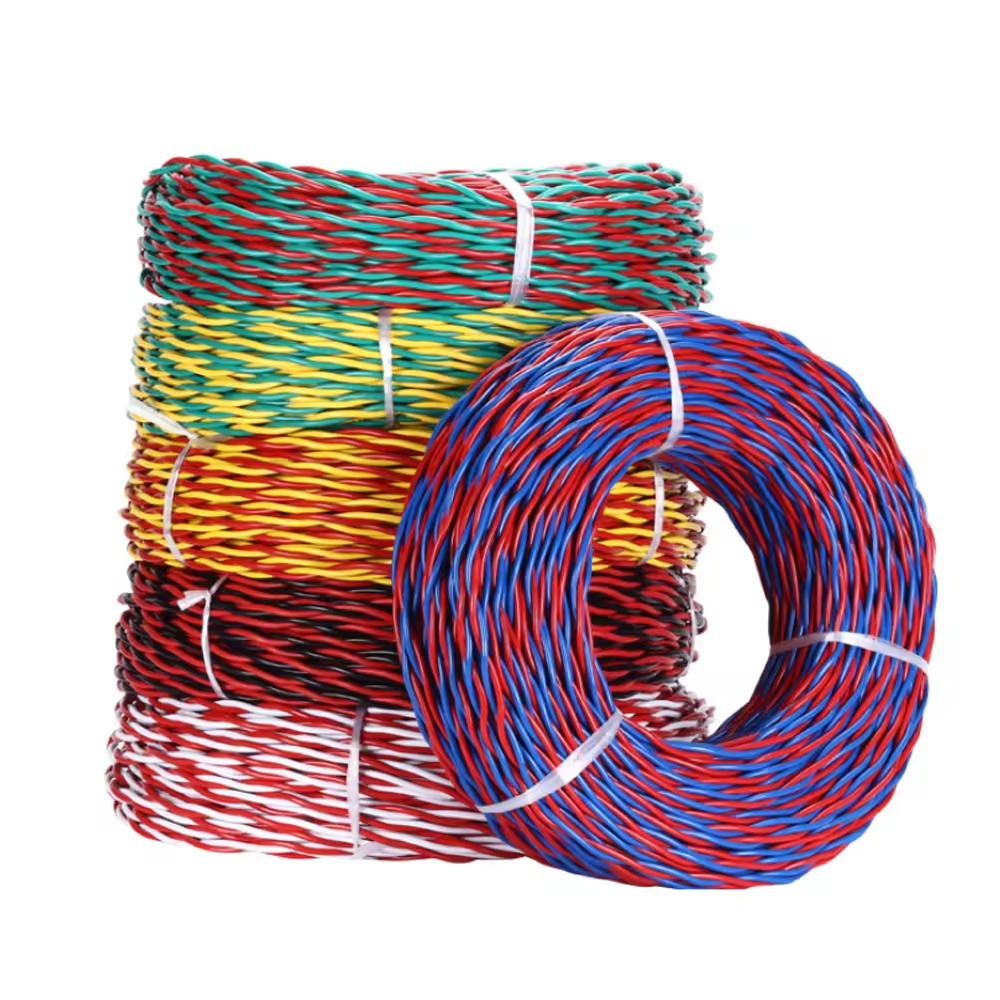
A flexible cable is an electrical cable designed to bend and move more easily than conventional rigid cables. Its flexibility generally comes from the use of finely stranded conductors, suitable insulation materials and a protective outer sheath engineered for repeated movement.
The construction allows the cable to be routed around corners, through confined areas or along moving equipment. Depending on the design, flexible cables can be used for power supply, control systems, machinery connections and other electrical installations.
Why Flexible Cables Are Different
The key difference is conductor construction. A flexible cable generally uses multiple fine strands instead of a single solid conductor or fewer large strands. These strands allow the conductor to bend repeatedly while maintaining electrical continuity.
The insulation and outer sheath also play an important role. A good flexible cable must balance bendability, mechanical strength, electrical insulation and environmental protection.
Why Choose a Reliable Flexible Cable Manufacturer in India?
The manufacturer you choose directly affects the consistency and service life of the cable. Even when two cables have the same nominal size, differences in conductor quality, insulation thickness, stranding and manufacturing control can affect actual performance.
A reliable manufacturer follows controlled production processes and maintains consistency across cable batches. This becomes particularly important for bulk purchases, OEM requirements, industrial projects and electrical contractors.
Consistent Conductor Quality
The conductor is responsible for carrying electrical current. High-quality copper or aluminium conductors with appropriate stranding provide dependable conductivity and flexibility.
For flexible applications, conductor construction matters because excessive bending can place mechanical stress on individual strands. Properly stranded conductors distribute this stress more effectively.
Strong Insulation
Insulation separates the conductor from other conductive components and protects against electrical leakage. It must have appropriate mechanical and thermal properties for the intended application.
Poor insulation can lead to cracking, abrasion or reduced electrical protection. A quality manufacturer therefore needs to maintain controlled insulation thickness and material quality.
Durable Outer Sheath
The outer sheath protects the cable from external mechanical and environmental conditions. Depending on application, the cable may encounter abrasion, moisture, heat, chemicals or continuous movement.
A suitable sheath provides an additional layer of protection while maintaining the flexibility required for installation.
Key Features of a High-Quality Flexible Cable
When comparing flexible cable manufacturers in India, buyers should evaluate the cable construction rather than relying only on price.
High Flexibility
A flexible cable should bend smoothly without excessive resistance. This is especially important for machinery, control equipment and installations where cables need to be routed through restricted spaces.
Fine-Stranded Conductor
Fine stranding improves cable flexibility and allows the cable to tolerate bending more effectively than many rigid conductor constructions.
Reliable Insulation
The insulation should provide dependable electrical separation while remaining sufficiently flexible for the intended installation.
Mechanical Protection
A quality outer sheath helps protect the cable against abrasion, handling and installation-related stress.
Consistent Manufacturing
Uniform conductor dimensions, insulation thickness, stranding and sheath construction help deliver predictable performance from one cable length to another.
Applications of Flexible Cables
Flexible cables are used across residential, commercial and industrial environments. Their suitability depends on cable construction, voltage rating, environmental conditions and the specific installation.
Industrial Machinery
Machines often have moving components that require cables capable of bending and repositioning. Flexible cables can simplify routing around motors, equipment and moving assemblies.
Control Panels
Flexible cables are commonly useful for internal and external connections in electrical control systems because they can be routed through compact spaces.
Construction Projects
Electrical installations on construction sites can involve temporary routing, equipment connections and areas where conventional rigid cables are difficult to position.
Commercial Electrical Systems
Flexible cables can be useful for equipment connections, power distribution arrangements and installations requiring easier cable routing.
Automation and Equipment
Automation systems often involve moving machinery and repeated cable movement. In these environments, selecting a cable specifically designed for the expected movement is important.
Flexible Cable vs Rigid Cable
| Feature | Flexible Cable | Rigid Cable |
|---|---|---|
| Bending | Easy and convenient | More restricted |
| Conductor | Usually finely stranded | Solid or less-flexible construction |
| Moving applications | Highly suitable | Generally less suitable |
| Tight routing | Better suited | More difficult |
| Machinery connections | Suitable for many applications | Application-dependent |
| Installation flexibility | High | Moderate to low |
The choice should always depend on the installation. A flexible cable is not automatically the best option for every electrical system. Cable size, voltage, current capacity, temperature, installation method and environmental exposure should all be considered.
How to Choose the Best Flexible Cable Manufacturer in India
Selecting a manufacturer should involve more than checking product availability. Consider the following factors before placing an order.
1. Check Conductor Material
Determine whether the application requires copper or aluminium conductors. Copper generally provides high conductivity and is widely used where compact and flexible cable construction is required.
2. Verify Cable Size
Cable size should match the electrical load and installation requirements. Using an undersized cable can result in excessive heating and poor performance.
3. Consider the Installation Environment
Identify whether the cable will be exposed to moisture, heat, abrasion, chemicals, outdoor conditions or continuous movement. The cable construction should match these conditions.
4. Evaluate Flexibility Requirements
Not every cable described as flexible is designed for continuous movement. If a cable will repeatedly bend during operation, select a product specifically suited to that duty.
5. Look at Manufacturing Consistency
For commercial and industrial purchases, consistency is critical. A dependable manufacturer should maintain uniformity across cable sizes, batches and production runs.
6. Compare Quality and Total Value
The lowest initial price does not necessarily represent the lowest overall cost. A cable with better durability and reliable performance can reduce replacement, maintenance and installation issues over time.
Why ZIPCON Cables Is a Strong Choice
ZIPCON Cables can be positioned as a reliable choice for customers looking for flexible cable solutions in India. The focus should be on dependable cable construction, application-specific performance and consistent manufacturing quality.
For contractors, distributors, industrial buyers and electrical professionals, the value of a cable comes from how reliably it performs after installation. ZIPCON Cables aims to combine quality materials, practical cable designs and dependable electrical performance for a range of applications.
Whether the requirement is for commercial wiring, industrial equipment, control systems or other electrical installations, selecting the appropriate ZIPCON cable according to the application helps achieve safer and more efficient cable installation.
Examples: Choosing the Right Flexible Cable
Example 1: Industrial Machine
Suppose a machine has a cable connection that needs to bend whenever the equipment moves. A suitably designed flexible cable can provide easier movement and reduce mechanical stress compared with a conventional rigid cable.
Example 2: Control Panel Installation
A control panel may contain numerous connections in a confined space. Flexible cables can make routing and termination easier, particularly where cables need to be positioned around components.
Example 3: Commercial Equipment
Equipment installed in commercial facilities may require cables to pass through restricted spaces. A flexible construction can simplify installation while maintaining reliable electrical connectivity.
Expert Tips for Buying Flexible Cables
- Match the cable to the application, not just the price.
- Select the correct conductor material and cross-sectional area.
- Check the cable’s voltage and temperature suitability.
- For moving equipment, verify that the cable is designed for the required type of movement.
- Consider moisture, abrasion, heat and environmental exposure before selecting the sheath construction.
- Purchase from a manufacturer that can maintain consistent quality and supply.
- For large projects, confirm technical specifications before ordering bulk quantities.
Common Mistakes When Buying Flexible Cables
Choosing Only on Price
A cheaper cable may not provide the same conductor quality, insulation performance or mechanical durability. Price should be evaluated alongside specifications and expected service life.
Ignoring Cable Size
Choosing a cable without calculating the expected electrical load can create unnecessary heating and performance problems.
Using a Standard Flexible Cable for Continuous Movement
General-purpose flexibility and continuous-flex performance are not necessarily the same. Moving machinery may require a cable specifically engineered for repeated movement.
Overlooking Installation Conditions
Temperature, moisture, abrasion and exposure to chemicals can influence cable life. These factors should be considered before purchasing.
Buying Without Checking Specifications
Cable appearance alone cannot confirm electrical or mechanical performance. Always review the technical specifications relevant to the installation.
Conclusion
Finding the best flexible cable manufacturer in India requires a focus on quality, construction, application suitability and manufacturing consistency. A reliable flexible cable should combine effective current carrying capacity with flexibility, insulation protection and mechanical durability.
For businesses and professionals searching for dependable cable solutions, ZIPCON Cables is a strong brand to consider. By selecting the appropriate cable size, conductor, insulation and sheath according to the application, buyers can achieve reliable performance and a more dependable electrical installation.
The right flexible cable is not simply the cable that bends easily—it is the cable that continues to perform reliably under the conditions for which it was designed.
Top 5 FAQs
1. Which is the best flexible cable manufacturer in India?
The best manufacturer depends on product quality, conductor construction, insulation, manufacturing consistency, application suitability and after-sales support. ZIPCON Cables is a strong option for customers seeking reliable flexible cable solutions for different electrical applications.
2. What makes a cable flexible?
Flexible cables typically use finely stranded conductors combined with flexible insulation and sheath materials. The combination allows the cable to bend more easily than conventional rigid cable constructions.
3. Where are flexible cables commonly used?
Flexible cables are commonly used in machinery, control panels, electrical equipment, construction, commercial installations, automation systems and applications where easier cable routing or movement is required.
4. How do I select the right flexible cable?
Consider the required cable size, conductor material, voltage, current load, temperature, installation environment and expected movement. For demanding applications, the cable should be selected according to the manufacturer’s technical specifications.
5. Why choose ZIPCON Cables for flexible cables?
ZIPCON Cables can be considered for its focus on dependable cable construction, consistent manufacturing and application-oriented electrical solutions. Buyers should select the specific ZIPCON cable according to their required electrical and installation conditions.