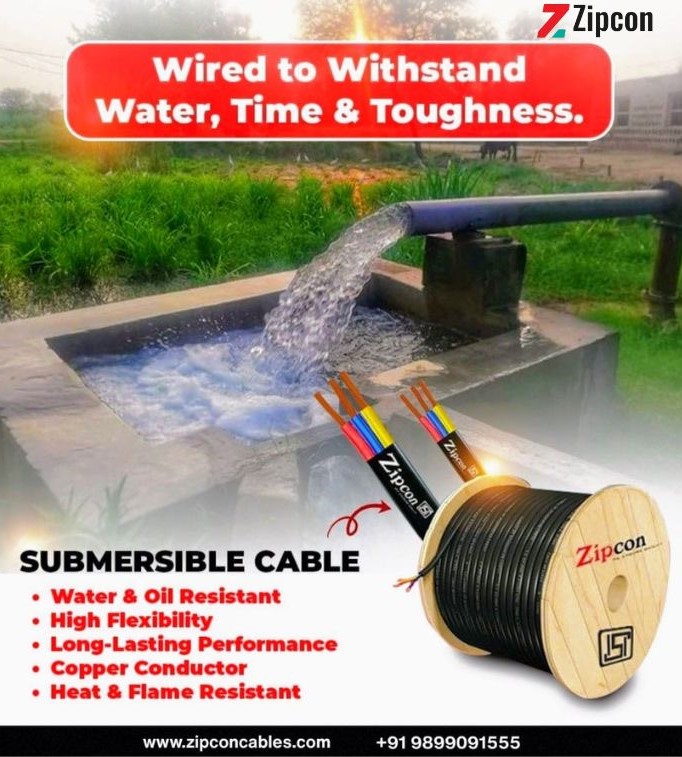
Best Submersible cable in Rajasthan are crucial for a range of applications, especially in areas like Rajasthan, where water extraction from borewells, agricultural wells, and industrial pumps is common. Choosing the right submersible cable can make all the difference in ensuring efficiency, safety, and longevity. This guide provides practical insights into submersible cables, focusing on conductivity, durability, weight, cost, safety, installation, and typical use cases in Rajasthan.
1. Conductivity: Copper vs. Aluminum vs. Tinned Copper
Electrical conductivity is a critical factor in submersible cables. The better the conductivity, the lower the energy loss, which is essential for efficient performance.
- Copper Cables: Copper is the gold standard when it comes to conductivity. It offers excellent electrical conductivity, ensuring that the power reaches the pump efficiently with minimal loss. This makes copper cables ideal for applications with high loads or where energy efficiency is crucial.
- Aluminum Cables: While aluminum cables are more affordable than copper, their conductivity is lower. They are suitable for shorter runs or applications where cost is a significant consideration, but they may result in slight energy loss over longer distances.
- Tinned Copper Cables: Tinned copper is copper with a thin tin coating, which improves corrosion resistance, particularly in water-rich environments. Tinned copper cables offer a good balance of conductivity and durability, making them suitable for both residential and industrial applications.
2. Durability: Withstanding Water, Abrasion, and Environmental Stress
The durability of a submersible cable depends on its ability to withstand harsh environmental conditions. In Rajasthan, submersible cables often face high temperatures, abrasions, and water exposure.
- Copper Cables: Copper is highly durable and resistant to corrosion, but it is more vulnerable to damage from water and abrasion compared to other cable types unless properly insulated.
- Aluminum Cables: Aluminum is more prone to corrosion, but when insulated well, it can still perform reliably. The key advantage is that aluminum is lightweight, which makes it easier to install, but its durability against water damage is less than copper.
- Tinned Copper Cables: The tin coating on these cables makes them highly resistant to corrosion, even in highly humid or water-heavy environments, making them ideal for agricultural wells and industrial pump systems.
3. Weight: Handling and Installation
Weight is an important factor to consider during cable installation, especially in deep water wells or when pulling the cable through long distances.
- Copper Cables: Copper is heavier than aluminum, which can make installation more challenging. However, its higher strength compensates for this, especially in applications requiring higher power transmission over long distances.
- Aluminum Cables: Aluminum cables are lighter, making them easier to handle and install. This can reduce labor costs and installation time, especially for short-to-medium runs.
- Tinned Copper Cables: Tinned copper cables are slightly heavier than aluminum but lighter than copper, striking a balance between durability and ease of installation.
4. Cost: Realistic Considerations
Cost is always a significant consideration, but it should be balanced with performance requirements.
- Copper Cables: Copper is the most expensive option due to its high conductivity and durability. However, the upfront investment pays off in the long run due to better efficiency and fewer replacements.
- Aluminum Cables: Aluminum cables are the most cost-effective option, but they may lead to higher energy consumption and more frequent replacements if used in long-distance or high-load applications.
- Tinned Copper Cables: These offer a middle ground between copper and aluminum in terms of cost. The added corrosion resistance makes them an excellent choice for environments with water exposure, such as borewells, without significantly increasing the cost.
5. Safety: Insulation, Overheating, and Compliance
Submersible cables must be safe to use in wet, high-pressure environments. This means insulation, resistance to overheating, and leakage prevention are paramount.
- Copper Cables: Copper cables usually come with high-quality insulation and are more resistant to overheating than aluminum. They are generally compliant with safety standards and are considered safe for most applications.
- Aluminum Cables: While aluminum cables are less prone to overheating, their insulation quality can vary. Proper insulation is essential to ensure safe operation, particularly in high-power systems.
- Tinned Copper Cables: These cables offer excellent corrosion resistance and come with robust insulation, ensuring safety in wet environments. They also comply with most safety standards, making them a reliable choice for long-term use.
6. Installation Needs: Best Practices
Proper installation is key to ensuring optimal performance and safety.
- Copper Cables: Due to their weight, copper cables require more care during installation. Make sure to follow proper bending radius guidelines to prevent damage. Use high-quality connectors to ensure a secure connection.
- Aluminum Cables: Although lighter, aluminum cables require careful handling to avoid damage during installation. Ensure that connectors are tightly secured, as aluminum is more prone to loosening over time.
- Tinned Copper Cables: Tinned copper cables are easy to handle and install, but care should be taken to follow the bending radius guidelines, especially in deep water applications.
7. Typical Use Cases in Rajasthan
Submersible cables are used in various scenarios in Rajasthan, from agricultural wells to industrial pumps.
- Agricultural Wells: Copper cables are ideal for agricultural wells that require high energy efficiency and long-term durability. The cost is justified by the cable’s performance over long distances.
- Residential Borewells: For shorter runs and residential applications, aluminum cables can be a cost-effective choice. However, tinned copper cables offer a good middle ground in terms of durability and cost.
- Industrial Pumps: For heavy-duty industrial pumps, tinned copper cables are often the best choice due to their resistance to corrosion and durability in harsh environments.
8. How to Choose Between Cable Types
When selecting a submersible cable for your project in Rajasthan, consider the following:
- For High-Load or Long-Distance Runs: Copper cables are the best option. Their superior conductivity ensures minimal power loss, and their durability makes them ideal for high-demand applications.
- For Short Runs or Budget-Conscious Projects: Aluminum cables are a good choice, especially for residential applications or low-load systems.
- For Environments with High Corrosion Risk (e.g., agricultural wells, industrial pumps): Tinned copper cables offer the best of both worlds: solid conductivity, durability, and resistance to environmental stress.
Conclusion
Choosing the right submersible cable for your application in Rajasthan boils down to balancing conductivity, durability, weight, cost, safety, and installation requirements. Copper, aluminum, and tinned copper each have their strengths, and your choice should reflect the specific needs of the project, whether it’s an agricultural well, residential borewell, or industrial pump. Always consider the length of the cable run, the load on the system, and the environmental conditions before making a decision.