zipconcables
Choose the Best Wires and Cables Manufacturers in India

Wires and Cables Manufacturers in India – What You Need to Know

A substandard wire and cable leads to frequent short circuits, overheating and performance issues. This is one of the reasons you should select the best wires and cables manufacturers in India to ensure safety and reliability. The Indian electrical industry has experienced massive advancement over the last few years and offers a variety of cables that not just meet national standards but also international standards. Be it a homeowner looking to rewire their kitchen or a contractor wanting to manage a large-scale infrastructure project, you need a specific and certified cable manufacturer to fulfil your requirements. Many homeowners and buyers often miss basic parameters to consider while choosing the right brand. Zipcon Cables is one of the most reliable electrical cable manufacturers in India that offers wires and cables at affordable prices, making it an ideal brand for residential, commercial and industrial applications. In this blog, we will discuss the most trusted brands, types of wires, how to select the right cable based on usage, how you can choose the right cables based on application, safety standards and pricing.

Best Electric Wire Brands in India – Safety, Quality & Price Compared
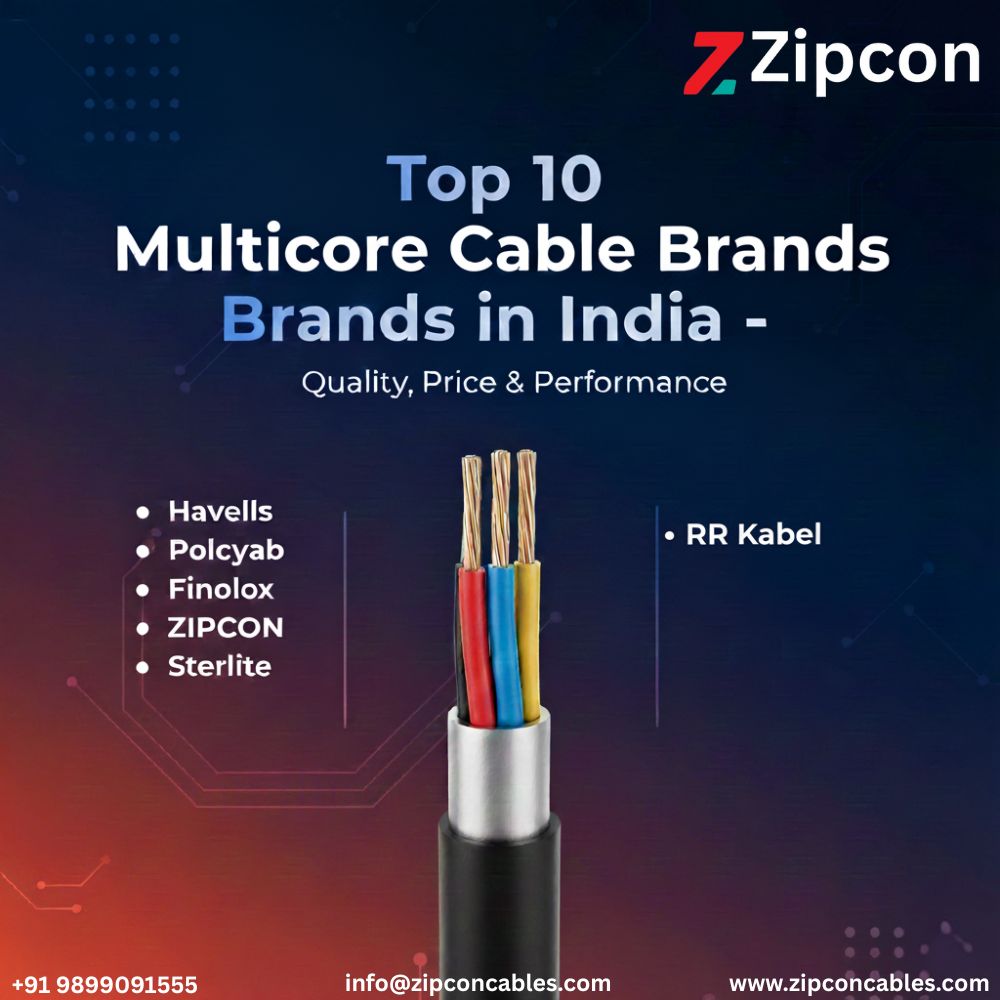
You can ensure safety, durability and performance of your electrical systems with the best electrical wire brands in India. In this section, we will discuss the leading brands based on insulation type, certifications and pricing that help you choose the best option from local brands with confidence and clarity. Let us understand what defines a top brand.

  • Consistent quality.
  • Fire-resistant insulation (FR or FRLS)
  • Proper meter markings.
  • ISI/BIS certification

Zipcon Cables is one of the best electric wire brands in India, popular for FR insulation, accurate metering and certifications that combine both safety and affordability.

You might think local brands are affordable, but national wires and cables manufacturers in India like Zipcon Cables provide better quality, certifications and safety standards in every electrical wire and cable.

House Wiring Cables in India – What You Should Know Before You Buy
Constructing a new home or upgrading old wiring requires choosing the best wire for house wiring in India to protect your property from fire hazards, ensure energy efficiency and deliver long-lasting electrical performance.

Types of house wiring cables:

  • PVC wires
  • FR wires
  • Single-core wires
  • Multistrand cables

Features to Check:

  • Flexibility and ease of bending.
  • Fire-resistant properties.
  • Certifications like ISI and RoHS
  • Conductor quality

Industrial Cable Manufacturers in India – Built for Tough Performance
Industries demand cables that perform in extreme conditions such as heat, abrasion and chemical exposure. That is one of the reasons wires and cables manufacturers in India manufacture robust and high-performance cables for machinery, automation and heavy-duty applications.

Why industries need special cables:

  • To manage high voltage and heavy current loads
  • To resist heat, moisture and chemical exposure
  • To ensure long-term durability in vibration-heavy environments

Top Cable Types for Industrial Use:

  • Copper armoured cable
  • Aluminum armoured cables
  • Multi-strand cables

Certifications to Check:

  • ISO 9001:2025
  • ISI and BIS
  • CE (if exporting)

Choose the right industrial cable manufacturers in India, like Zipcon Cables, to ensure long-term safety and durability.

High Voltage Cable Manufacturers in India – Power You Can Trust
Top wires and cables manufacturers in India provide high-voltage cables essential for powering transformers, factories and underground systems.

What is a High Voltage Cable?

  • Extra-thick insulation
  • Moisture-resistant sheaths
  • UV and abrasion protection

Recommended Options:

  • 2-core flat cable
  • Armoured XLPE cable

Fire Resistant Cables in India – Choose Safety Over Regret

  • FR cables delay flame propagation
  • Emit less toxic smoke
  • Help protect life and property

Product Examples:

  • Zipcon Gold FR wire
  • Havells FRLS housing cable

Solar Cable Suppliers in India – Powering Sustainable Solutions
Solar cables come with UV-stable jackets, double insulation and weatherproof construction to survive sunlight, rain and extreme temperatures.

Where Solar Cables Are Used:

  • Rooftop solar systems
  • Commercial PV farms
  • Solar street lights

Where to Buy? Top Electrical Wire Suppliers in India
Look for suppliers that:

  • Provide ISI products
  • Offer transparent pricing
  • Make ordering and returns easy
  • Offer warranty and support

Zipcon Cables is one of the top electrical wire suppliers in India, known for fast shipping, technical support and customised cable length options.

How to Choose the Right Cables for Your Needs

ApplicationRecommended cable type
Home wiringPVC or FR housing wires
Office internetCat 6 and telephone wires
Industrial useArmoured and multicore cables
Fire protectionFR and FRLS cables
Solar setupUV-stable solar cables

Choose the right cables for your project with top wires and cables manufacturers in India like Zipcon Cables.

Conclusion
Selecting the right cable brand can be confusing with so many options in the market. Whether it’s residential wiring, solar installations or industrial systems, choosing certified suppliers is essential. Always choose reliable manufacturers in India like Zipcon Cables to ensure complete safety, high-grade quality and long-term durability.

How to Reduce Electricity Bill by 30% Using Smart Tricks

Cutting your electricity bill by 30% sounds ambitious, but it’s realistic when you combine smart habits with technically sound choices. Many people focus only on appliances, but the wiring behind those appliances often has just as much impact on power consumption. Zipcon Cables Provides Better Conductivity Wire & Cables, lower voltage drop, and safer installation all add up to cleaner, more efficient energy use. With the right cables and a few everyday adjustments, both homeowners and professionals can achieve significant savings without expensive upgrades.

Use Better Cables to Reduce Power Loss

A major portion of electricity loss happens in the wiring itself. When current flows through a cable, resistance converts some of that energy into heat. Higher resistance means more heat and higher bills. This is where cable quality matters, especially in high-load circuits like air conditioners, water heaters, and heavy appliances.

Copper cables naturally have better conductivity than aluminium. They carry current smoothly with lower resistance, which reduces voltage drop and improves appliance performance. Aluminium cables can still be efficient when sized correctly, but they need a larger diameter to match the performance of copper.

Zipcon Cables are engineered to reduce these losses by maintaining strong conductivity, heat resistance, and long-term stability. Their insulation handles high temperatures without degrading, which keeps resistance predictable and prevents energy waste.

Copper vs Aluminium: Where Each One Works Best

Copper performs better when the load is high or when the wiring distance is long. Homes with rooftop solar systems, large HVAC units, or indoor-to-outdoor connections benefit from the higher efficiency of copper cables. Copper also maintains its strength over time, which means fewer loose joints and lower fire risk.

Aluminium cables are lighter and more cost-friendly. They work well for long trunk lines and overhead connections where weight matters. In commercial buildings with long cable trays, aluminium becomes a practical choice if sized one or two gauges higher.

A simple comparison helps:

  • Copper: Higher conductivity, stronger, safer, ideal for home appliances, HVAC, and short to medium distances.
  • Aluminium: Cheaper, lighter, good for long industrial runs and areas where frequent maintenance is available.

Engineers and electricians often choose Zipcon’s copper-based cables for high-load equipment because they maintain stable voltage and reduce compressor stress, which directly cuts electricity use.

Ensure Proper Installation to Avoid Hidden Energy Losses

Even the best cable wastes energy if installed incorrectly. Loose joints create micro-sparks and heat, increasing consumption and posing safety risks. Sharp bends increase resistance. Oversized or undersized cables also cause unnecessary loss.

A well-installed circuit maintains steady current flow and keeps appliances running smoothly at their peak efficiency. This is why professionals value Zipcon Cables—they hold their flexibility and strength during installation, reducing the chance of bends, cracks, or poor terminations.

Reduce Load on Heavy Appliances

Air conditioners, refrigerators, washing machines, and heaters consume the most electricity. A few smart adjustments can lower their usage by 15–20% alone:

  • Keep ACs at 24–26°C instead of 18–20°C.
  • Clean air filters regularly to reduce compressor strain.
  • Avoid overloading washing machines.
  • Turn off appliances fully instead of leaving them on standby.

When appliances run with stable voltage (thanks to good wiring), they complete cycles faster and draw less current. Zipcon’s low-loss cables help maintain that stability.

Fix Voltage Drop in Long Runs

Voltage drop becomes a major issue in long cable paths—for example, from your main panel to the outdoor AC unit or rooftop solar inverter. If voltage drops too low, the motor or inverter compensates by drawing more current, increasing your bill.

Copper reduces this drop significantly. Aluminium can do the job but needs thicker sizing. In small homes, the difference between using a cheap cable and a Zipcon copper cable can translate to hundreds of rupees saved each month.

Optimize Lighting and Daily Use

Small changes in lighting can save up to 10% each month:

  • Replace old CFLs and tube lights with LEDs.
  • Use daylight whenever possible.
  • Install motion sensors in low-traffic areas.

Running lights and fans on stable voltage reduces wear and extends their life. Consistent power delivery from Zipcon Cables supports this kind of long-term efficiency.

Use Smart Power Management

Plug-in timers, power strips with master switches, and smart plugs help eliminate standby losses. Refrigerators, routers, TV boxes, and chargers consume power even when idle.

A high-quality cable system reduces fluctuations, allowing smart devices to operate in their most efficient mode.

Choose Copper or Aluminium Based on Application

A simple recommendation makes this choice easy:

  • For home appliances, HVAC units, kitchen circuits, solar systems, and all short-to-medium runs — choose copper. It ensures lower voltage drop and better long-term savings.
  • For long-distance feeder lines, rooftop-to-ground connections, and industrial cable trays — aluminium works well when sized properly.

Zipcon’s copper cables are the preferred choice for energy-saving installations because they maintain high efficiency even under heavy load.

Final Thoughts

Reducing your electricity bill by 30% doesn’t require drastic changes. It comes from choosing the right cables, maintaining stable voltage, preventing energy loss, and using appliances wisely. With reliable options like Zipcon Cables and a few smart habits, any home or small business can cut costs, improve safety, and enjoy long-term performance without spending much.

Which wire is used for Air Conditioner and HVAC Systems ?

Choose the Zipcon Caples is right wire for an air conditioner or HVAC system matters more than most people think. The wrong cable can lead to overheating, high voltage drop, or even equipment failure. Most installations rely on either copper or aluminium conductors, and both have strengths depending on load, distance, and the environment where they are installed. A good choice comes from understanding how each wire behaves under typical HVAC conditions.

Get a Quote:- @https://zipconcables.com/contact-us/

Conductivity and Heat Handling

Copper has higher conductivity than aluminium, so it carries current more efficiently. This means a copper cable can deliver the same power with a smaller cross-section, which keeps voltage drop in control even when the AC runs at peak load. Copper also handles heat better & best cables manufacturer in india. When the compressor cycles and current spikes, copper maintains stability without softening or expanding as much. Aluminium can work well too, but it requires a larger gauge to match the same current capacity, which affects installation planning. In small indoor runs, this difference is manageable. On longer or high-load paths, the drop across aluminium becomes noticeable.

Durability and Mechanical Strength

Copper stands up better to bending, vibration, and repeated heating cycles. HVAC units produce vibration, especially outdoor condensers, and copper survives these stresses with fewer failures at joints. Aluminium is lighter, but it is more prone to breaking if over-bent or pulled through conduit without care. Most electricians avoid aluminium in tight bends or areas that require frequent maintenance access. For fixed, open-path cable trays in commercial buildings, aluminium wire is still widely used and performs well when sized correctly.

Weight and Cost in Real Projects

Copper is heavier and more expensive. Best Aluminium wire Manufacturer in India is significantly lighter, which helps when running long cables across rooftops or multi-storey ducts. Many large commercial and industrial jobs prefer aluminium simply because long-distance copper cabling becomes costly and difficult to support. In smaller homes, the difference in cost and weight is minor since the total length is short. Residential installers nearly always choose copper because its reliability outweighs the small price difference at this scale.

Safety and Joint Quality

Copper makes stronger, more stable connections at terminals. It resists oxidation and maintains a firm grip over time, which reduces the risk of loose contacts and overheating. Aluminium needs special care at joints, including anti-oxidation paste and proper tightening torque. If an aluminium connection is not prepared correctly, thermal expansion can loosen it over time. Trained technicians handle this easily in commercial projects, but copper still remains safer for household setups where access to skilled maintenance is limited.

Installation Conditions: Home, Commercial, and Industrial

In a typical home AC installation, runs are short and loads are moderate. Copper wires are easy to handle, flexible enough for wall conduits, and well-suited for the frequent thermal cycling of residential air conditioners. A 1 to 1.5-ton split AC, for instance, usually runs on copper because it keeps drop low over 10–20 meters.

In commercial buildings, the central HVAC system draws heavier current and runs across long distances from power rooms to outdoor chillers or rooftop units. Aluminium cabling becomes practical here. It reduces project cost and weight while still meeting load requirements when sized properly. Industrial setups follow this pattern, especially in plants with large chillers, long corridors, and cable trays designed for heavy conductors.

Real-World Scenarios and Practical Comparisons

If the distance between the panel and the AC is short, copper wins. It keeps voltage in range and avoids compressor strain. For example, a window AC wired from a nearby MCB panel benefits from copper because the drop is almost negligible.

When the distance is long, aluminium becomes more reasonable. Imagine a commercial chiller placed 60–80 meters away from the main power panel. Copper will work but will cost more, weigh more, and require larger support structures. Aluminium, sized one or two gauges higher, delivers the same performance for a fraction of the cost.

Outdoor environments also influence the choice. Copper handles moisture, sun exposure, and vibration better when used in outdoor conduits that feed rooftop units. Aluminium can be used outdoors as well but needs better sealing at terminations to avoid oxidation. For rooftop cable trays, its lighter weight is helpful since installers can run longer spans without overloading support brackets.

Voltage Drop Considerations

High starting current from compressors demands cables that can maintain stable voltage. Copper naturally keeps the drop lower, especially where the supply fluctuates. In areas with weak power supply or frequent voltage dips, copper gives more headroom. Aluminium is fine for stable commercial feeders, but in homes or small shops where supply varies, copper keeps the compressor safer.

Final Recommendations

For split AC units in homes, copper is the ideal choice. It stays stable, handles current spikes well, and needs minimal maintenance.

For window AC units, the requirement is similar. Short runs favor copper because it is simple, safe, and easy to install.

For central HVAC systems in commercial buildings, aluminium is often the better option. The long cable runs and heavy feeders make its lower weight and cost more practical.

For long-run cables from power rooms to rooftop or outdoor condensers, aluminium performs well when sized correctly and terminated properly.

For outdoor installations exposed to heat, moisture, or vibration, copper offers stronger mechanical stability, but aluminium remains acceptable in structured cable trays with good termination work.

A simple rule helps:

  • Use copper for short, high-stability, or residential installations.
  • Use aluminium for long-distance, large-capacity, or commercial and industrial feeders.

This balance keeps HVAC systems running reliably, safely, and without unnecessary cost.

Flexible vs Solid Wire: Which Is Better for Home Use?

Choosing the right type of wire for a home installation is more important than most people realize. The wiring you select affects performance, safety, lifespan, and even how easy it is to complete an installation. Flexible and solid wires are the two most commonly used options in residential applications, and both come with clear strengths. Understanding where each one performs better makes decision-making far easier, whether you’re an electrician, contractor, or homeowner planning upgrades.

Conductivity: How Well Do They Carry Current?

Solid wire has a slight advantage in conductivity because it is made from a single copper conductor. With no air gaps or multiple strand junctions, current flows smoothly with very low resistance. This is why solid copper wire is often the preferred option for fixed home wiring, especially for lighting circuits, power sockets, and internal wall wiring.

Flexible wire is made from multiple thin copper strands twisted together. While copper itself is highly conductive, the strand-to-strand contact points can introduce a bit more resistance. In real-world home use, the difference is small, but for long runs or high-load circuits, solid copper wire tends to deliver more stable performance.

Durability: Which One Handles Stress Better?

Durability depends on the kind of stress the wire faces.

Solid wire holds its shape and is more resistant to bending fatigue. Since it won’t be moved once installed behind walls, ceilings, or conduits, it tends to last longer in static environments.

Flexible wire shines in situations that involve motion or vibration. The multiple strands give it greater bend tolerance, making it far less likely to crack when repeatedly folded or twisted. This makes flexible wires a reliable choice for fans, appliances, control panels, or lighting fixtures that may be opened or serviced occasionally.

For wiring concealed inside walls, durability favors solid copper. For exposed or movable connections, strand flexibility becomes an advantage.

Weight: What Difference Does It Make?

Solid copper wire is slightly heavier because it is a single thick conductor. In short home runs, the weight difference doesn’t change much. But when pulling wire over long distances in conduits or overhead areas, flexible wire feels lighter and easier to route.

For most residential uses, weight is not a major deciding factor, but installers often appreciate the handling ease of flexible wires in tight or complex pathways.

Cost: Which One Fits the Budget?

Solid wire is generally more affordable to manufacture, so it costs less per meter. If you’re wiring an entire home where hundreds of meters may be used, solid copper becomes a cost-effective option without compromising performance.

Flexible wire is slightly more expensive because of the added manufacturing involved in creating many fine copper strands. Homeowners usually prefer flexible wire only where necessary, rather than throughout the whole house, to keep costs reasonable.

Safety: Which One Offers Better Protection?

Both wire types are safe when used correctly, but their safety profiles differ based on application.

Solid copper wire has fewer fatigue points and is less prone to strand breakage. This makes it safer for long-term, concealed wiring inside conduits and walls where disturbances are rare.

Flexible wire handles movement better, which makes it safer in environments where bending could otherwise cause cracks in a solid wire. However, if poorly terminated, flexible wires can fray or loosen at connection points, which increases the risk of short circuits. This is why proper lugs, ferrules, and secure terminals are essential whenever flexible copper wires are used in home installations.

Installation Needs: Which One Is Easier to Work With?

Solid wires are straightforward to route in simple paths, but they can be challenging when dealing with tight bends or crowded switch boxes. Their rigidity can make them difficult to manipulate around sharp corners.

Flexible wires offer much easier maneuverability. Electricians often prefer flexible copper cables in scenarios such as:

  • Routing wires through small switchboard spaces
  • Connecting ceiling fans or underground pump sets
  • Installing home automation modules
  • Wiring appliances with tight or curved internal layouts

For concealed wiring behind walls, solid wire still remains the standard choice because it stays in place and is easy to pull through conduits.

Typical Home Use Cases

Here’s a practical breakdown of where each wire performs best in home installations:

Best Use Cases for Solid Wire

  • Concealed house wiring
  • Lighting and power circuits
  • Long conduit runs
  • Fixed installations with no movement
  • Main electrical connections

Best Use Cases for Flexible Wire

  • Fans, inverters, and home appliances
  • Distribution boards with tight spaces
  • Areas requiring repeated bending
  • Temporary wiring setups
  • Control wiring in home automation devices

Copper Performance: When It Matters Most

Copper has long been the preferred conductor for home wiring because of its high conductivity and reliability. Copper solid wires provide excellent performance for long-term fixed use, minimizing power loss and heat buildup.

Copper flexible cables add convenience and adaptability without losing core conductivity benefits. When movement, vibration, or complex bends are involved, flexible copper wiring delivers better reliability than a rigid alternative.

How to Choose: A Simple Recommendation

If your installation is fixed, long-lasting, and concealed, Zipcon solid copper wire is the better choice.
If your installation requires flexibility, frequent handling, or tight bends, choose to Zipcon flexible copper wire.

In most modern homes, both types are used together. Solid copper forms the backbone of the electrical system, while flexible copper is used for appliances, switches, and areas requiring maneuverability.

Both types play essential roles in safe, efficient home wiring, and understanding these differences helps homeowners and professionals choose the right cable for the job while ensuring long-term reliability and performance.

What is the Difference Between Flexible Wire and Solid Wire?

When it comes to selecting the right wiring for your project, whether you’re an electrician, engineer, or buyer, understanding the key differences between flexible wire and solid wire is crucial. Each type has distinct advantages depending on the application. This article will provide a straightforward comparison of flexible wire and solid wire, covering key factors like conductivity, durability, weight, cost, safety, installation needs, and typical use cases.

Conductivity: Which Wire is Better?

Conductivity is one of the most important factors to consider when choosing between flexible and solid wire. Both types of wire are typically made from copper or aluminum, both of which are excellent conductors of electricity.

  • Solid Wire: Since solid wire consists of a single solid piece of metal, its conductivity is generally better than flexible wire. It provides a more direct path for electrical flow with fewer contact points, which results in minimal resistance.
  • Flexible Wire: Flexible wire is made of many smaller strands of wire bundled together. While it may offer slightly higher resistance due to more contact points, the difference is often negligible in most applications. However, for high-frequency electrical circuits, solid wire may perform better in terms of conductivity.

Durability: How Long Do They Last?

Durability is essential, particularly in environments where wires are exposed to wear and tear or harsh conditions.

  • Solid Wire: Solid wire is more durable and less prone to breaking or fraying over time. It performs well in situations where the wire is not subject to frequent movement, such as fixed installations in walls or ceilings.
  • Flexible Wire: While flexible wire is more resilient in environments where the wire needs to bend, it is more prone to damage if twisted, kinked, or bent too many times. Over time, the individual strands can break, especially in constant flexing or repetitive motion situations. This makes flexible wire less suitable for long-term static installations but perfect for dynamic environments like machinery or automotive wiring.

Weight: Which One is Lighter?

  • Solid Wire: Solid wire is typically heavier because it is made from a single, solid piece of material. For longer distances or applications requiring many feet of wire, solid wire may add extra weight to the installation, which could be a consideration in some cases.
  • Flexible Wire: Flexible wire is lighter due to its construction of many smaller strands. Its reduced weight can make it easier to handle and install in tight spaces, especially when you need to move it around or route it through narrow pathways.

Cost: Which One is More Affordable?

Cost is a major consideration when choosing wiring, especially when you’re working within a budget.

  • Solid Wire: Solid wire is generally less expensive than flexible wire, as it requires less material and fewer manufacturing processes. If you’re running wire through walls or other fixed locations, where flexibility is not a necessity, solid wire offers a more cost-effective solution.
  • Flexible Wire: Flexible wire tends to be more expensive because of the additional labor and materials required to make the smaller strands. The cost is justified when you need a wire that can handle movement or flexible applications, such as in appliances, vehicles, or machinery.

Safety: Which One is Safer?

Safety is a top priority in electrical installations, and both wire types have distinct advantages and drawbacks.

  • Solid Wire: Solid wire is generally safer for fixed installations. Its rigidity and durability reduce the risk of short circuits or wire breakage, which can cause fires or equipment malfunctions. It is also more resistant to corrosion when properly insulated.
  • Flexible Wire: While flexible wire is safer in terms of handling, especially in mobile or moving applications, it may have a higher risk of wear over time due to bending. If not properly maintained, the strands can fray, exposing conductive material, which could increase the risk of shorts or electrical hazards.

Installation Needs: Which is Easier to Work With?

Installation ease is another important factor to consider, particularly for electricians or DIYers.

  • Solid Wire: Solid wire is less flexible, making it more difficult to install in tight spaces or around corners. However, once installed, it doesn’t need much adjustment. Solid wire is ideal for applications where it will remain in place for long periods without needing frequent movement.
  • Flexible Wire: Flexible wire excels in installations that require mobility or movement, such as in appliances, machinery, or automotive applications. It’s much easier to route and adjust in hard-to-reach places, and it’s perfect for environments where the wiring needs to bend or flex.

Typical Use Cases: Where Does Each Shine?

Each type of wire has its own set of use cases that make it the ideal choice in specific scenarios.

  • Solid Wire: Solid wire is best used in fixed installations like lighting circuits, home wiring, and high-voltage applications. It works well when wires will not be exposed to bending or movement and when durability over time is a priority.
  • Flexible Wire: Flexible wire is ideal for applications where movement is necessary, such as in machinery, cars, or portable electronics. It’s commonly used for wiring appliances, tools, or any equipment where wires need to bend, twist, or move.

Copper vs. Other Materials

Both copper and aluminum wires are commonly used for flexible and solid wire. Copper wires are more conductive than aluminum, making them the better option for high-performance circuits or installations where power loss needs to be minimized. For larger installations, aluminum may also be used, especially in solid wire for overhead power lines.

When to Choose Copper Cables Over Aluminum Cables
If you require greater conductivity or durability, copper is usually the better option for solid and flexible wire. Copper wires are preferred in most home and commercial electrical systems because they have superior conductivity, which makes them more efficient. However, in specific large-scale applications, such as utility installations, aluminum may be more cost-effective.

Conclusion: Which Should You Choose?

The decision between flexible wire and solid wire ultimately comes down to your specific application.

  • Choose Solid Wire if you need a durable, cost-effective option for fixed installations where the wire won’t be moved often.
  • Choose Flexible Wire for applications requiring movement or flexibility, such as in machinery, appliances, or any setup where the wire will frequently bend or twist.

For high-conductivity needs, copper wire is often the best choice due to its superior electrical properties. The decision should always be based on your specific project requirements, balancing factors like durability, cost, weight, and the need for flexibility in the installation.

What Is Annealing of Copper and How It Improves Wire Quality?

Annealing is a critical process in the production of copper wires, significantly enhancing their electrical, mechanical, and physical properties. It involves heating copper to a specific temperature and then cooling it at a controlled rate, which helps relieve internal stresses and improve the wire’s flexibility. This article will explore how annealing enhances copper wire performance, particularly in areas such as conductivity, durability, weight, cost, safety, and installation needs.

Conductivity: Maximizing Electrical Efficiency

Copper is well-known for its excellent conductivity, which is why it is widely used for electrical wiring. Annealing copper wire enhances its conductivity by reducing internal stress and imperfections, which can increase resistance. During the cold-drawing process, copper wires can become rigid and develop dislocations, which hinder the flow of electricity. However, annealing helps relax these dislocations and reduces electrical resistance, allowing electricity to flow more efficiently.

Annealed copper wires are especially beneficial in applications where high conductivity is required, such as in power distribution systems, high-performance electronics, or industrial machinery. The improved conductivity ensures that energy loss during transmission is minimized, which ultimately improves the efficiency of electrical systems.

Practical Insight: For engineers and electricians working with energy-efficient systems or power-critical installations, annealed copper is the preferred choice, as it offers superior electrical performance and reduces energy losses.

Durability: Enhancing Longevity and Stress Resistance

Annealing significantly improves the durability of copper wires. When copper is drawn into wires, it becomes harder and more brittle, making it prone to mechanical stress and breakage. The annealing process softens the wire, relieving internal stresses and making it more malleable and resistant to bending, stretching, or fracturing. This is especially important in applications where copper wires are subjected to constant mechanical stress, such as in industrial machinery, telecommunications, or outdoor electrical installations.

Annealed best copper wires manufacturer in delhi are more resilient to environmental factors such as extreme temperatures, humidity, and mechanical wear, which helps extend their lifespan. The ability of annealed copper to withstand physical stress without breaking or cracking makes it a reliable choice for long-term installations, reducing the frequency of replacements and maintenance costs.

Practical Insight: For high-demand industries, including aerospace, manufacturing, and construction, where wires are exposed to vibration and physical stress, annealed copper offers superior durability and longevity, making it a more cost-effective long-term solution.

Weight and Cost: Balancing Performance and Efficiency

One of the key characteristics of annealed copper is its increased flexibility. The annealing process softens the copper, making it easier to bend, twist, and route without compromising its integrity. This flexibility is especially advantageous during installation, particularly when wires need to be threaded through tight spaces or complex setups.

While annealing adds some cost to the manufacturing process, the enhanced performance of annealed copper justifies the price for most high-performance applications. The added flexibility and reduced internal stress allow the wire to endure more bending and movement, minimizing the risk of wire fatigue and breakage, which would otherwise lead to costly maintenance.

The weight of annealed copper wire is also affected by the annealing process, with some reduction in mass due to the wire’s increased flexibility. Though this can make the wire slightly lighter compared to non-annealed copper, the trade-off in terms of increased functionality and ease of installation is significant.

Practical Insight: For projects requiring flexibility, such as residential wiring or installations in tight spaces, the benefits of annealed copper far outweigh the additional cost. In complex installations, the enhanced ease of handling and reduced risk of breakage make it a worthwhile investment.

Safety: Preventing Fatigue and Overheating

Safety is paramount when selecting wiring materials, especially when copper wires are exposed to high electrical loads or extreme physical conditions. Non-annealed copper can become brittle over time, leading to the risk of wire breakage, fatigue, and overheating, especially under constant movement or when subjected to fluctuating temperatures.

Annealing copper reduces the risk of these issues by softening the metal, allowing it to maintain its flexibility and resist breakage. Annealed copper wire is better able to cope with thermal expansion and contraction, which reduces the chances of overheating—a common issue in electrical systems. This improves the overall safety of the installation by minimizing the risk of fire or electrical failures caused by damaged wires.

Practical Insight: In safety-critical environments such as power plants, industrial machinery, or commercial buildings, using annealed copper wires reduces the likelihood of dangerous failures. For electricians, using annealed copper adds an extra layer of safety by preventing wire fatigue and minimizing overheating risks.

Installation Needs: Flexibility for Easy Handling

Annealed copper wires are easier to install compared to non-annealed wires due to their enhanced flexibility. The wire’s malleability makes it easier to maneuver through tight spaces, around corners, and into complex installations. This is particularly beneficial in areas like residential wiring, telecommunications, or industrial setups where flexibility is key to ease of installation.

Unlike rigid, non-annealed copper, which may break or damage surrounding materials when bent too much, annealed copper can be routed and shaped without compromising its integrity. This not only speeds up installation but also reduces the risk of errors during the process.

Practical Insight: For electricians working in confined spaces, using annealed copper wire simplifies the process. Its ease of bending and installation reduces time and effort, ensuring a smooth installation process and reducing the likelihood of wire damage during installation.

Typical Use Cases for Annealed Copper Wires

Annealed copper wires are commonly used in applications that require high conductivity, flexibility, and durability. Some typical use cases include:

  • Residential and Commercial Electrical Wiring: Annealed copper is the preferred choice for household and commercial power systems due to its high conductivity and ease of installation.
  • Telecommunications: Annealed copper is often used in telecommunications infrastructure, where the wire needs to carry high-frequency signals efficiently.
  • Industrial Machinery: In industries where wires are exposed to constant mechanical stress and environmental factors, annealed copper wires provide long-lasting performance.

When compared to alternatives like aluminum or steel, annealed copper offers superior conductivity, flexibility, and overall reliability. While aluminum is lighter and cheaper, it has a higher resistance and lacks the long-term durability of copper. Steel, though strong, doesn’t offer the same level of electrical efficiency, making copper the go-to choice for most electrical wiring applications.

ISI Mark, ISO, ROHS, BIS Certifications: Why are the important for Cable Quality ?

For anyone choosing electrical cables—whether an engineer, electrician, contractor, or farmer—understanding certifications is just as important as understanding the cable itself. Certifications ensure that the cable you install is safe, durable, and reliable under real-world conditions. At Zipcon Cables, every product goes through strict testing to meet national and international standards, giving users confidence that the cable will perform consistently in demanding environments.

This article explains four major certifications—ISI, ISO, ROHS, and CE—and how they affect cable quality, along with comparisons between cable types, real-world scenarios, and practical recommendations.

1. Understanding the Certifications

ISI Mark

The ISI (Indian Standards Institute) Mark is mandatory for many types of electrical cables sold in India. It ensures:

  • The cable is manufactured according to BIS safety standards
  • Proper conductor size and purity
  • Fire-resistant insulation quality
  • Protection against overheating and short circuits

If a cable carries an ISI mark, it means it has passed strict testing for Indian operating conditions, including heat, humidity, voltage fluctuation, and mechanical pressure.

ISO Certification

ISO (International Organization for Standardization) certification focuses on quality management systems.
For cables, ISO ensures:

  • Consistent quality in manufacturing
  • Traceability of materials
  • Quality control at every production stage

An ISO-certified cable manufacturer Company in India, like Zipcon Cables, ensures uniformity in conductor purity, insulation thickness, and overall build quality.

ROHS Compliance

ROHS (Restriction of Hazardous Substances) certification restricts harmful materials such as lead, cadmium, mercury, and other toxic chemicals.
ROHS-approved cables:

  • Are safer for users
  • Reduce environmental impact
  • Prevent exposure to harmful substances during installation

This certification is especially important in homes, hospitals, and schools where safety is a priority.

BIS Certification for Cables

  • BIS (Bureau of Indian Standards) certification ensures cables meet Indian safety and quality standards.
  • Guarantees durability, safety, and environmental resistance, ensuring cables handle electrical loads and harsh conditions.
  • Reduces risks like electrical hazards, overheating, and fire hazards.
  • Essential for compliance in construction, manufacturing, and power transmission sectors.
  • Zipcon Cables and other BIS-certified products offer reliability, safety, and long-term performance.

2. Key Technical Factors That Certifications Affect

Conductivity

Copper cables generally have superior conductivity.
Certifications ensure:

  • Purity of copper or aluminum
  • Correct conductor size
  • Proper resistance levels

This improves efficiency and reduces power loss.

Durability

Certified cables must withstand:

  • Heat
  • Moisture
  • Mechanical stress
  • Load variations

For example, ISI and CE require cables to pass durability tests to prevent early failure.

Weight

Aluminum cables are lighter and more cost-effective.
Certifications ensure that even lightweight cables meet minimum performance and safety standards.

Cost

Certified cables may cost more than uncertified ones, but they:

  • Reduce maintenance
  • Prevent electrical failures
  • Lower the chances of accidents or replacement costs

In the long run, certified cables save more money.

Safety

Certifications focus heavily on:

  • Fire safety
  • Resistance to electric shock
  • Hazard-free operation

This is crucial for buildings, industrial plants, and farms.

Installation Needs

Certified cables ensure:

  • Better flexibility
  • Correct insulation thickness
  • Reliable performance in underground or submerged installations

This makes installation safer and easier.

Typical Use Cases

  • Homes (ISI, ROHS)
  • Factories (ISO, CE)
  • Submersible pumps (ISI, ISO)
  • Industrial machinery (CE, ISO)
  • Renewable energy systems (ROHS, CE)

3. Cable Type Comparison

Copper Cables

Best for:

  • High-load machinery
  • Long-distance wiring
  • Submersible pumps
  • Commercial buildings

Why?
Superior conductivity, better durability, and low voltage drop.

Aluminum Cables

Suitable for:

  • Budget-sensitive projects
  • Long-distance power distribution
  • Lightweight installations

Why?
Lower cost and lighter weight.

Short Comparison:

FeatureCopperAluminum
ConductivityHigherModerate
WeightHeavierLighter
CostHigherLower
DurabilityStrongerModerate
Best UseHome & industryPower distribution

4. Real-World Scenarios

Industrial Buyer:
A factory installing heavy motors prefers CE and ISO-certified copper cables to prevent voltage drop and overheating.

Electrician for Homes:
Chooses ISI and ROHS-certified wires to ensure safety against fire, shock, and toxic materials.

Contractor for Government Projects:
Must use ISI and CE-certified cables to meet compliance standards required in tender documents.

Farmer Installing Submersible Pumps:
Uses ISI-certified copper submersible cables from Zipcon to prevent failure in deep-well installations.

5. Practical Recommendations

  • Choose copper cables for high-performance and long-term reliability.
  • Choose aluminum cables when budget and weight matter more.
  • Always select ISI-certified cables for Indian installations.
  • For export-quality or industrial use, prefer ISO and CE-certified cables.
  • For health-sensitive environments, select ROHS-compliant cables.
  • For submersible pumps, use ISI + ISO-certified copper submersible cables for best results.

Certified cables may cost more initially, but they reduce risk, prevent system failures, and save long-term costs—making them the smarter investment.

Understanding UV-Resistant, Water-Resistant, and Heat-Resistant Cables

Choosing the right cable is essential to ensuring the safety, efficiency, and longevity of your electrical systems, especially when operating in harsh environments. UV-resistant, water-resistant, and heat-resistant cables offer specialized protection that extends their lifespan and ensures optimal performance under specific conditions. In this article, we’ll discuss the properties, typical uses, and importance of selecting high-quality cables, such as Zipcon Cables, for installations that require resistance to UV rays, water, or heat.

Why Choose Zipcon Cables?

When it comes to wiring that needs to withstand challenging environments, Zipcon Cables offers a reliable solution. Zipcon’s UV-resistant, water-resistant, and heat-resistant cables are engineered to excel in environments where traditional cables might fail. These cables enhance safety, durability, and long-term reliability, ensuring your systems continue to operate smoothly, even in demanding conditions. Whether it’s harsh outdoor sunlight, exposure to moisture, or extreme heat, Zipcon Cables provide robust protection and peace of mind.

What Makes a Cable UV-Resistant, Water-Resistant, or Heat-Resistant?

Each type of resistance serves a unique purpose in enhancing the cable’s ability to perform in specific environments. Let’s take a closer look at what makes each type of cable resistant and how it benefits your installation.

UV-Resistant Cables

UV-resistant cables are designed to withstand the damaging effects of ultraviolet (UV) rays. Over time, exposure to UV radiation can degrade standard cables, causing them to crack, become brittle, and lose their electrical integrity. UV-resistant cables are coated with special materials that shield them from UV radiation, preserving their performance and safety for extended periods.

Typical Use Cases:

  • Outdoor wiring: Whether for garden lighting, outdoor signage, or street lighting, UV-resistant cables are crucial for installations exposed to direct sunlight.
  • Solar panel systems: Solar energy systems require UV-resistant cables to ensure long-term durability and reliable performance in the outdoor environment.

Water-Resistant Cables

Water-resistant cables are designed to resist moisture and prevent damage from water exposure. These cables are sealed to ensure that water cannot infiltrate the insulation, preventing short circuits and corrosion that can lead to system failure. Water-resistant cables are particularly valuable in areas prone to water exposure, such as marine environments or underground installations.

Typical Use Cases:

  • Marine applications: Wiring for boats, docks, and offshore installations needs to be water-resistant to protect against saltwater exposure and ensure electrical safety.
  • Underground installations: Electrical lines buried in the ground must be water-resistant to protect against moisture ingress, ensuring safety and reliable operation.

Heat-Resistant Cables

Heat-resistant cables are designed to perform in environments with high temperatures. These cables are built with insulation materials that can withstand elevated temperatures without degrading or losing their integrity. Heat-resistant cables are essential in industries where machinery or equipment generate significant heat, preventing overheating and fire risks.

Typical Use Cases:

  • Industrial machinery: In factories or manufacturing plants, heat-resistant cables are required to power machinery safely in high-temperature environments.
  • Power plants: Cables used in power generation and distribution systems must be heat-resistant to handle the high temperatures generated by electrical equipment.

Comparing UV-Resistant, Water-Resistant, and Heat-Resistant Cables

Each type of cable has its own set of advantages, but choosing the right one depends on the specific needs of your installation. Let’s compare these cables in terms of durability, cost-effectiveness, and performance.

  • Durability:
    • UV-resistant cables excel in outdoor environments, offering long-lasting protection against sunlight exposure. They maintain their structural integrity and performance even after prolonged sun exposure.
    • Water-resistant cables are crucial for moisture-prone environments, offering long-term protection against water infiltration and ensuring electrical safety in underground or marine applications.
    • Heat-resistant cables are designed to withstand high temperatures, ensuring they remain intact and functional even in extreme heat settings like industrial plants or power stations.
  • Cost-Effectiveness:
    • UV-resistant and heat-resistant cables tend to be more expensive due to the specialized materials used for their coatings and insulation.
    • Water-resistant cables may be relatively more affordable depending on the required protection level, but they still offer critical performance enhancements for wet environments.
    • While all three types of cables cost more than standard cables, they are worth the investment in environments where long-term durability, safety, and reliable performance are essential.
  • Performance:
    • UV-resistant Solar Cables provide reliable performance in areas exposed to sunlight, maintaining electrical integrity over time despite UV radiation.
    • Water-resistant cables ensure that your wiring stays protected in damp or submerged environments, reducing the risk of water-induced failures and enhancing safety.
    • Heat-resistant cables offer stable performance in high-temperature settings, ensuring the safe operation of equipment and preventing overheating-related risks.

Real-World Scenarios

Here’s how each type of cable performs in specific real-world scenarios:

  • UV-Resistant Cables: In a solar panel installation, UV-resistant cables are crucial for ensuring that wiring exposed to sunlight remains intact for many years, providing reliable energy transmission and reducing the need for replacements.
  • Water-Resistant Cables: For marine applications, such as wiring in boats or docks, water-resistant cables ensure that electrical systems remain functional and safe despite exposure to water and humidity.
  • Heat-Resistant Cables: In industrial machinery, such as manufacturing equipment or conveyor belts, heat-resistant cables prevent overheating, reducing the risk of fire hazards and ensuring that machinery operates safely and efficiently.

Choosing the Right Cable for Your Application

When selecting a cable, consider the environment in which it will be installed. Each type of cable resistance provides a specific benefit based on the surrounding conditions.

  • For outdoor installations where sunlight exposure is a concern, choose UV-resistant cables to ensure long-lasting durability.
  • For environments prone to moisture, such as marine environments or underground installations, opt for water-resistant cables to prevent moisture-related damage.
  • In high-temperature environments, like industrial settings or power plants, choose heat-resistant cables to maintain safe operation and prevent overheating.

Conclusion

Choosing the right cable for your application ensures that your electrical systems remain safe, efficient, and reliable. Whether you need UV-resistant, water-resistant, or heat-resistant cables, Zipcon Cables offers a high-quality solution designed to perform reliably under demanding conditions. By selecting Zipcon Cables, you invest in cables that ensure durability and long-term reliability, ultimately reducing maintenance and replacement costs. Always consider the specific requirements of your environment to make the best choice and ensure your systems operate without fail.

Common Wiring Mistakes in Homes & How to Avoid Them

When it comes to electrical wiring in your home, safety and performance should always be a top priority. Many common wiring mistakes are avoidable with the right knowledge and materials. One excellent choice for ensuring safety and reliability in residential wiring projects is Choosing fro Zipcon Cables. These high-quality, durable cables are designed to reduce the risk of common wiring issues, offering dependable conductivity, durability, and safety in your home.

In this article, we’ll discuss some of the most frequent electrical wiring mistakes made during home installations and how to avoid them. We’ll cover key aspects like proper wire sizing, the right choice of wire, circuit overloads, and safety standards to help ensure your electrical system works efficiently and safely.

1. Improper Wire Sizing

One of the most common mistakes homeowners or DIYers make is choosing the wrong wire gauge (size) for the job. Wire gauge refers to the thickness of the wire, which affects its current-carrying capacity. If the wire is too small for the amount of power being used, it can overheat, causing a fire hazard. On the other hand, choosing best wire manufacturer in india that’s too large can lead to unnecessary costs and complications.

How to Avoid It:
Always choose the correct wire gauge for the specific appliance or circuit. For example, for most lighting and outlet circuits, a 14-gauge wire is sufficient, but for higher-powered appliances, you’ll need a 12-gauge wire or larger. A licensed electrician can help you choose the right wire gauge for your home’s wiring system.

Real-World Scenario:
Imagine overloading a power strip with high-powered devices like a microwave or space heater. If the wire size is too small, the heat generated can cause the insulation to melt or spark, leading to a potential fire.

2. Using the Wrong Type of Wire

Another common mistake is using the wrong type of wire for a given application. For instance, some people may use indoor-rated wires in outdoor applications, or they may use uncoated wire in areas that need a protective jacket to prevent exposure to moisture.

How to Avoid It:
Make sure to use the right type of wire for the environment and purpose. For instance, if you’re wiring outdoor lighting or appliances, you’ll need a wire that’s rated for outdoor use. Choosing Zipcon Cables, which offer both residential-grade and specialized cables for different environments, can help prevent such errors by providing high-quality materials designed for specific uses.

Real-World Scenario:
Using an indoor-rated wire for an outdoor application can cause damage over time due to weather exposure. In the long term, it might lead to short circuits or power outages due to insulation breakdown.

3. Overloading Circuits

Overloading a circuit is a frequent mistake that occurs when too many appliances are plugged into one circuit or when a circuit is asked to handle more power than it was designed for. This often happens when too many devices are connected to a single power strip, drawing too much current through the wiring.

How to Avoid It:
Always ensure that your circuits are not overloaded. The National Electrical Code (NEC) recommends not exceeding 80% of a circuit’s rated capacity for continuous use. For instance, if a 15-amp circuit is used, it should not exceed 12 amps of continuous load. Install multiple circuits for larger areas and distribute devices evenly to reduce the risk of overload.

Real-World Scenario:
A common issue occurs when homeowners overload a single circuit by using multiple power-hungry appliances, like a fridge, microwave, and washing machine, all on the same circuit. This can trip the breaker or lead to overheating, causing potential safety hazards.

4. Ignoring Safety Standards

When wiring a home, it’s essential to follow local building codes and safety standards. Ignoring these regulations can lead to wiring that’s unsafe or incompatible with your home’s electrical system, which could result in power outages or safety risks like fires or electrocution.

How to Avoid It:
Make sure to adhere to local electrical codes and safety standards when performing any wiring work. If you’re unsure about the correct practices, it’s always best to consult a licensed electrician. Additionally, using quality materials like Trust-able Manufacturer in Delhi NCR Zipcon Cables ensures that you’re meeting safety standards with durable and reliable products.

Real-World Scenario:
If you’re using outdated or non-compliant wiring systems, like using old two-prong outlets or not grounding certain circuits, you may be exposing your home to significant electrical hazards, such as electric shock or fires.

5. Using Copper and Aluminium Wiring Improperly

Copper and aluminium are two common materials used in wiring, but each has specific characteristics that make it suitable for certain applications. Copper is highly conductive and more durable but is more expensive. Aluminium is lighter and cheaper, but it requires special care in installation because of its susceptibility to corrosion and expansion under heat.

How to Avoid It:
If you opt for copper or aluminium wires, ensure they are used correctly. For example, copper is ideal for high-power circuits where efficiency and durability are crucial. Aluminium, on the other hand, is better suited for larger-scale applications like overhead power lines, where weight reduction is essential. Using Zipcon Cables can help you avoid common issues with copper and aluminium wiring, offering a durable alternative that combines the best features of both materials.

Real-World Scenario:
Inappropriately connecting copper and aluminium wires can lead to corrosion at the connection points, increasing the risk of overheating and creating a fire hazard. Zipcon Cables, which are designed to reduce these risks, offer a safe and reliable option.

Conclusion: How to Avoid Common Wiring Mistakes

Electrical wiring mistakes in the home can lead to serious consequences, including electrical fires and power outages. To avoid these issues, ensure that you are using the right materials and following proper procedures.

Tips to Avoid Common Wiring Mistakes:

  • Choose the correct wire gauge for each circuit to avoid overheating.
  • Use the right type of wire for indoor or outdoor applications.
  • Never overload circuits; spread appliances across multiple circuits.
  • Follow safety standards and local codes to ensure compliance and safety.
  • Consider using Zipcon Cables for their durability and reliability in residential wiring projects, reducing the risk of common wiring issues.

By following these simple guidelines and opting for high-quality materials like Zipcon Cables, you can ensure that your home’s electrical system is safe, efficient, and long-lasting.

Copper vs. Aluminium Cables: Which Is Best for Your Application?

When it comes to selecting electrical wiring materials, copper and aluminium are the two most commonly used options, each with unique advantages suited for different applications. However, Zipcon cables, a newer and innovative alternative, are also gaining attention for their performance in specific use cases. This article compares copper, aluminium, and Zipcon cables based on key factors—conductivity, durability, weight, cost, safety, installation, and typical use cases—to help engineers, electricians, and procurement professionals make the right choice for their projects.

Conductivity: Power Transmission Efficiency

Copper is known for its superior electrical conductivity, meaning it can carry more current with less power loss for the same cable size. This makes copper ideal for high-performance systems, such as industrial machinery and sensitive electronics, where efficiency is crucial.

Aluminium, while only about 60% as conductive as copper, can still be effective for many applications. To achieve similar performance, aluminium cables need to be larger in diameter, which can increase their size and weight. Aluminium is most often used in long-distance power transmission & power cable manufacturer India where efficiency isn’t the top priority.

When to Choose Copper:

  • For high-performance systems
  • When minimizing power loss is important

When to Choose Aluminium:

  • For low-power applications
  • When space for cables is less restricted

Durability: Longevity and Resistance to Corrosion

Copper is highly resistant to corrosion, making it a long-lasting choice, especially in harsh environments like industrial, marine, and outdoor settings. Its resistance ensures that copper cables maintain their integrity over time, even when exposed to moisture and chemicals.

Aluminium, on the other hand, is more prone to corrosion. However, it can be treated with protective coatings or alloys to enhance its resistance, allowing it to perform well in outdoor environments. Despite these treatments, copper still offers better long-term durability in extreme conditions.

When to Choose Copper:

  • For harsh or corrosive environments
  • When minimal maintenance is required

When to Choose Aluminium:

  • In controlled environments with low corrosion risk
  • When corrosion-resistant coatings are used

Weight: Impact on Handling and Installation

Aluminium’s lightweight nature is one of its key benefits. It weighs about one-third of copper, which makes it easier to handle and install, particularly for large-scale projects like overhead power lines. The lighter weight also reduces transportation costs when shipping long cables.

Copper, being heavier, can make installation more challenging, especially in large-scale projects. However, this additional weight can provide extra stability and strength, which can be beneficial in certain systems.

When to Choose Copper:

  • For applications where weight isn’t a concern
  • When strength and stability are more important

When to Choose Aluminium:

  • For large-scale infrastructure projects
  • When reducing weight and transportation costs is a priority

Cost: Value for Money

Copper is more expensive than aluminium, mainly due to its superior conductivity and durability. The higher cost is justified for applications that demand high performance and longevity, such as in industrial machinery, medical equipment, and sensitive electronics.

Aluminium Cables Manufacturer in India, being less costly, is often used in large-scale projects like power transmission lines where budget constraints are more critical than performance. Even though aluminium requires larger cables to match copper’s conductivity, the cost savings can be significant, especially in long-distance applications.

When to Choose Copper:

  • For high-performance applications with a higher budget
  • In projects where long-term durability is worth the investment

When to Choose Aluminium:

  • For budget-conscious projects
  • In large-scale or low-power applications

Safety: Preventing Overheating and Electrical Failures

Copper cables have a safety advantage because their superior conductivity allows them to handle higher temperatures without the risk of overheating or electrical failure. Copper’s ability to resist thermal expansion and contraction also reduces the risk of failures, making it a safer option for high-power and sensitive systems.

Aluminium cables, while safe when installed correctly, require more care. Aluminium’s higher thermal expansion can cause connections to loosen over time, which may lead to overheating and potential safety hazards. Special care must be taken during installation to ensure secure connections and prevent overheating at cable joints.

When to Choose Copper:

  • For high-power systems where safety is critical
  • In systems where overheating risks must be minimized

When to Choose Aluminium:

  • With proper installation techniques and attention to detail
  • In low-power applications or where weight savings are a priority

Installation: Ease of Handling and Setup

Best Copper cables Manufacturer in India are more flexible, which makes them easier to install in confined or complex spaces. However, the heavier weight of copper can make it more labor-intensive to install, especially in large-scale projects.

Aluminium cables, being lighter, are easier to handle and install for large-scale projects. However, they are more susceptible to damage, particularly at the connectors, and require special connectors and installation techniques to ensure a secure connection.

When to Choose Copper:

  • For intricate or confined installations
  • When ease of handling is less of a concern

When to Choose Aluminium:

  • For large installations where weight savings are important
  • When the right connectors and installation practices are available

Typical Use Cases: Where Each Cable Excels

Copper Cables:
Copper is commonly used in high-performance environments, such as industrial machinery, medical equipment, commercial electrical systems, and data centers. It is ideal for applications where high conductivity and low power loss are crucial.

Aluminium Cables:
Aluminium is primarily used in overhead power lines, long-distance transmission lines, and residential wiring. Its affordability and lightweight nature make it a popular choice for large-scale infrastructure projects where cost and weight savings are more important than the highest performance.

Conclusion: How to Choose Between Copper and Aluminium

Choosing between copper and aluminium cables depends on several factors, including performance needs, cost considerations, and the specific requirements of your project. Here’s a quick guide:

  • Choose Copper: For high-performance, high-reliability systems where efficiency, safety, and long-term durability are crucial. Copper is ideal for industrial machinery, sensitive electronics, and situations where minimal power loss is essential.
  • Choose Aluminium: For cost-conscious projects, large-scale applications, and where weight reduction is key. Aluminium is ideal for power transmission, residential wiring, and long-distance infrastructure projects, where conductivity requirements can be met with thicker cables at a lower cost.

By understanding the unique benefits and limitations of copper and aluminium cables, you can make an informed decision that best fits your project’s specific needs.