

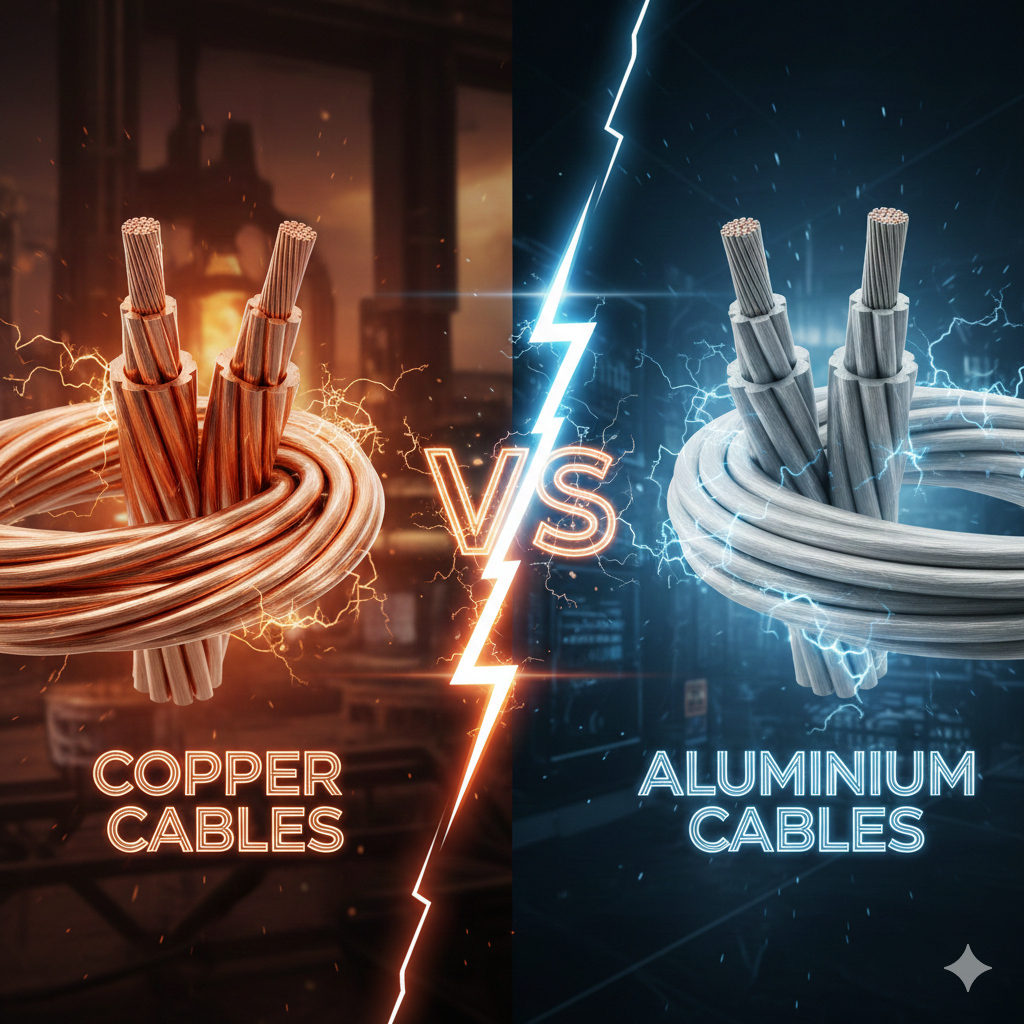
When it comes to selecting electrical wiring materials, copper and aluminium are the two most commonly used options, each with unique advantages suited for different applications. However, Zipcon cables, a newer and innovative alternative, are also gaining attention for their performance in specific use cases. This article compares copper, aluminium, and Zipcon cables based on key factors—conductivity, durability, weight, cost, safety, installation, and typical use cases—to help engineers, electricians, and procurement professionals make the right choice for their projects.
Conductivity: Power Transmission Efficiency
Copper is known for its superior electrical conductivity, meaning it can carry more current with less power loss for the same cable size. This makes copper ideal for high-performance systems, such as industrial machinery and sensitive electronics, where efficiency is crucial.
Aluminium, while only about 60% as conductive as copper, can still be effective for many applications. To achieve similar performance, aluminium cables need to be larger in diameter, which can increase their size and weight. Aluminium is most often used in long-distance power transmission & power cable manufacturer India where efficiency isn’t the top priority.
When to Choose Copper:
- For high-performance systems
- When minimizing power loss is important
When to Choose Aluminium:
- For low-power applications
- When space for cables is less restricted
Durability: Longevity and Resistance to Corrosion
Copper is highly resistant to corrosion, making it a long-lasting choice, especially in harsh environments like industrial, marine, and outdoor settings. Its resistance ensures that copper cables maintain their integrity over time, even when exposed to moisture and chemicals.
Aluminium, on the other hand, is more prone to corrosion. However, it can be treated with protective coatings or alloys to enhance its resistance, allowing it to perform well in outdoor environments. Despite these treatments, copper still offers better long-term durability in extreme conditions.
When to Choose Copper:
- For harsh or corrosive environments
- When minimal maintenance is required
When to Choose Aluminium:
- In controlled environments with low corrosion risk
- When corrosion-resistant coatings are used
Weight: Impact on Handling and Installation
Aluminium’s lightweight nature is one of its key benefits. It weighs about one-third of copper, which makes it easier to handle and install, particularly for large-scale projects like overhead power lines. The lighter weight also reduces transportation costs when shipping long cables.
Copper, being heavier, can make installation more challenging, especially in large-scale projects. However, this additional weight can provide extra stability and strength, which can be beneficial in certain systems.
When to Choose Copper:
- For applications where weight isn’t a concern
- When strength and stability are more important
When to Choose Aluminium:
- For large-scale infrastructure projects
- When reducing weight and transportation costs is a priority
Cost: Value for Money
Copper is more expensive than aluminium, mainly due to its superior conductivity and durability. The higher cost is justified for applications that demand high performance and longevity, such as in industrial machinery, medical equipment, and sensitive electronics.
Aluminium Cables Manufacturer in India, being less costly, is often used in large-scale projects like power transmission lines where budget constraints are more critical than performance. Even though aluminium requires larger cables to match copper’s conductivity, the cost savings can be significant, especially in long-distance applications.
When to Choose Copper:
- For high-performance applications with a higher budget
- In projects where long-term durability is worth the investment
When to Choose Aluminium:
- For budget-conscious projects
- In large-scale or low-power applications
Safety: Preventing Overheating and Electrical Failures
Copper cables have a safety advantage because their superior conductivity allows them to handle higher temperatures without the risk of overheating or electrical failure. Copper’s ability to resist thermal expansion and contraction also reduces the risk of failures, making it a safer option for high-power and sensitive systems.
Aluminium cables, while safe when installed correctly, require more care. Aluminium’s higher thermal expansion can cause connections to loosen over time, which may lead to overheating and potential safety hazards. Special care must be taken during installation to ensure secure connections and prevent overheating at cable joints.
When to Choose Copper:
- For high-power systems where safety is critical
- In systems where overheating risks must be minimized
When to Choose Aluminium:
- With proper installation techniques and attention to detail
- In low-power applications or where weight savings are a priority
Installation: Ease of Handling and Setup
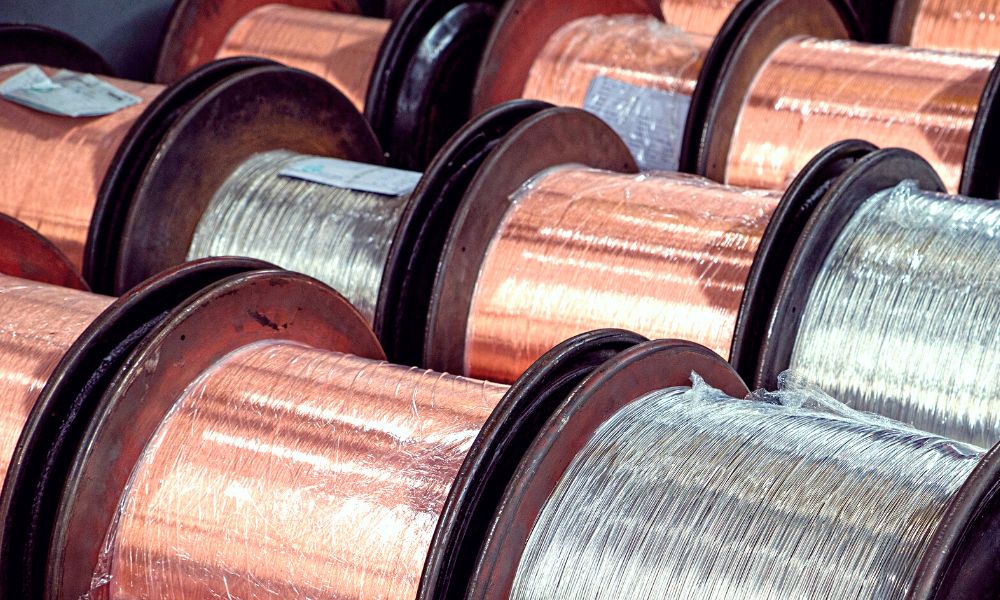
Best Copper cables Manufacturer in India are more flexible, which makes them easier to install in confined or complex spaces. However, the heavier weight of copper can make it more labor-intensive to install, especially in large-scale projects.
Aluminium cables, being lighter, are easier to handle and install for large-scale projects. However, they are more susceptible to damage, particularly at the connectors, and require special connectors and installation techniques to ensure a secure connection.
When to Choose Copper:
- For intricate or confined installations
- When ease of handling is less of a concern
When to Choose Aluminium:
- For large installations where weight savings are important
- When the right connectors and installation practices are available
Typical Use Cases: Where Each Cable Excels
Copper Cables:
Copper is commonly used in high-performance environments, such as industrial machinery, medical equipment, commercial electrical systems, and data centers. It is ideal for applications where high conductivity and low power loss are crucial.
Aluminium Cables:
Aluminium is primarily used in overhead power lines, long-distance transmission lines, and residential wiring. Its affordability and lightweight nature make it a popular choice for large-scale infrastructure projects where cost and weight savings are more important than the highest performance.
Conclusion: How to Choose Between Copper and Aluminium
Choosing between copper and aluminium cables depends on several factors, including performance needs, cost considerations, and the specific requirements of your project. Here’s a quick guide:
- Choose Copper: For high-performance, high-reliability systems where efficiency, safety, and long-term durability are crucial. Copper is ideal for industrial machinery, sensitive electronics, and situations where minimal power loss is essential.
- Choose Aluminium: For cost-conscious projects, large-scale applications, and where weight reduction is key. Aluminium is ideal for power transmission, residential wiring, and long-distance infrastructure projects, where conductivity requirements can be met with thicker cables at a lower cost.
By understanding the unique benefits and limitations of copper and aluminium cables, you can make an informed decision that best fits your project’s specific needs.