

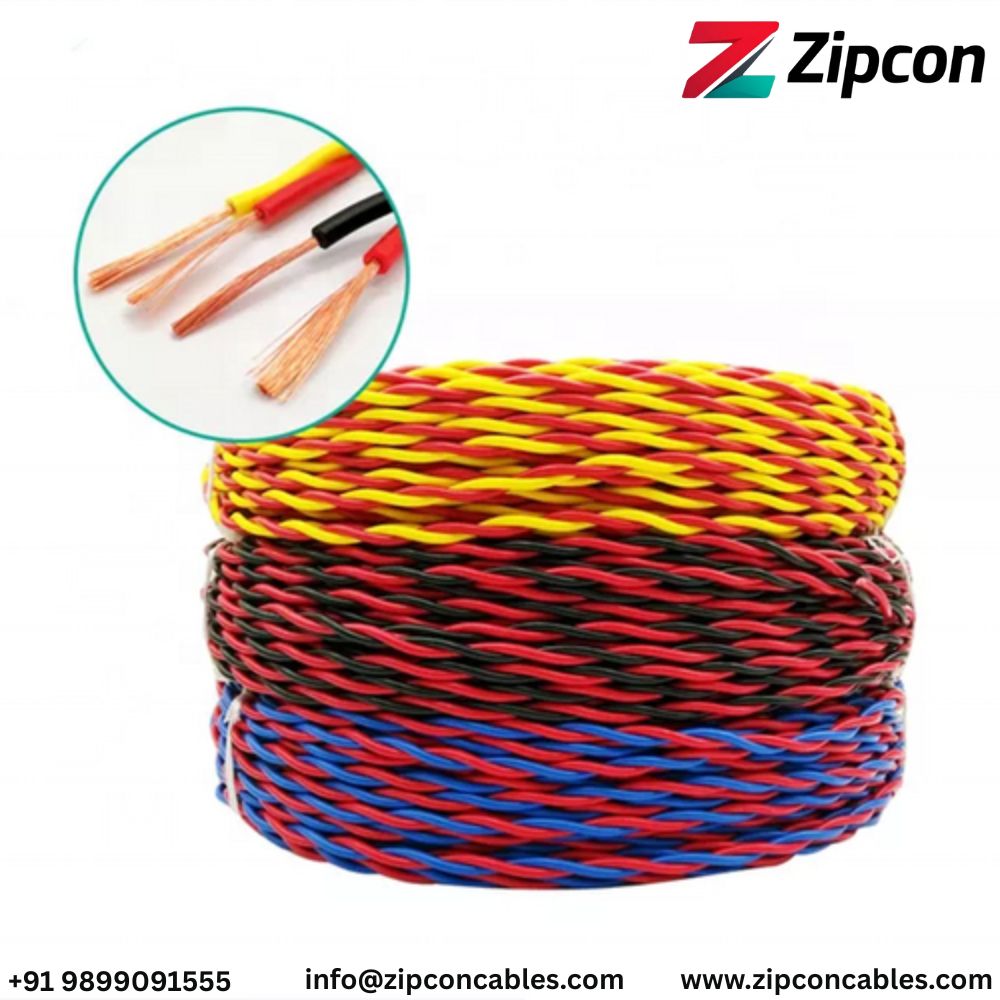
Choosing the best flexible cable contractor in Bangalore is important for safe, efficient and long-lasting electrical installations. From residential wiring and commercial buildings to industrial machinery, automation systems and power distribution, the right cable selection directly affects electrical performance and installation reliability.
Bangalore has a wide range of residential, commercial and industrial projects, each requiring cables with different flexibility, insulation, current capacity and environmental resistance. Zipcon Cables provides reliable cable solutions designed to support demanding electrical applications while maintaining consistent performance.
For inquiries or assistance:👉 https://zipconcables.com/contact-us/
Why Choose a Professional Flexible Cable Contractor in Bangalore?
Flexible cables are designed for applications where the cable may experience bending, movement or repeated handling. Using an unsuitable cable can result in insulation damage, overheating, poor connections and premature failure.
A professional flexible cable contractor in Bangalore understands the electrical and installation requirements of different projects. They can recommend suitable cable constructions for fixed installations, machinery, control panels, equipment connections and other applications.
For large projects, proper cable planning is equally important. Cable length, routing, operating environment, load requirements and installation conditions should be considered before procurement and installation.
Flexible Cable Solutions for Different Projects
Residential Projects
Modern homes use electrical connections for lighting, appliances, air conditioners, pumps, kitchen equipment and other loads. Flexible cables can be useful where wiring requires easier handling and installation.
For residential applications, cable selection should consider load capacity, insulation quality, voltage requirements and installation conditions. Zipcon Cables can be considered when dependable cable performance is a priority.
Commercial Buildings
Offices, retail outlets, hotels, hospitals and other commercial properties require organized electrical systems capable of handling continuous usage.
Flexible cables can support connections involving electrical equipment, control systems, panels and other installations where easier routing and handling are required. Proper cable selection helps minimize maintenance issues and supports reliable operation.
Industrial Applications
Industrial environments often involve motors, machinery, control panels, pumps, automation equipment and electrical systems operating for extended periods.
Here, cable flexibility is only one consideration. The cable must also match the required conductor size, insulation characteristics, operating temperature and installation environment.
What Makes a Flexible Cable Suitable for an Application?
Conductor Quality
The conductor is responsible for carrying electrical current. Copper and aluminium are commonly used depending on the application, electrical requirements and project specifications.
A suitable conductor size helps ensure that the cable can carry the required load without excessive heating or unnecessary voltage drop.
Insulation
Good insulation protects the conductor against electrical leakage, moisture, mechanical stress and environmental exposure.
The insulation material should be selected according to the installation environment. Applications involving heat, moisture, movement or demanding operating conditions may require specific insulation characteristics.
Flexibility
Cable flexibility depends on factors such as conductor construction, stranding and insulation design. A more flexible cable can make routing and installation easier, particularly where bends or movement are involved.
However, flexibility should not be considered separately from electrical performance. The cable should always be selected according to the complete application requirement.
Size and Current-Carrying Capacity
Selecting the correct cable size is essential for safe electrical operation. An undersized cable may experience excessive heating, while unnecessarily oversized cables can increase project costs.
Professional contractors generally evaluate load, installation method, cable length, ambient conditions and applicable electrical requirements before final selection.
Why Zipcon Cables for Flexible Cable Requirements?
Zipcon Cables focuses on providing cable solutions for residential, commercial and industrial electrical requirements. Its product range can support applications where dependable insulation, suitable conductor construction and reliable electrical performance are important.
For contractors, builders and project managers, working with a consistent cable supplier can simplify procurement and improve project coordination. The appropriate Zipcon cable can be selected according to the application’s electrical and installation requirements.
The focus should always remain on matching the cable to the actual project rather than selecting a product based only on price.
Flexible Cable Contractor for Bangalore’s Growing Electrical Projects
Bangalore’s construction and industrial ecosystem includes residential developments, IT facilities, manufacturing units, warehouses, commercial complexes and infrastructure projects.
Each project presents different cable requirements. For example, a residential building may prioritize easy installation and reliable internal wiring, while an industrial facility may require cables capable of handling machinery, control equipment and demanding operating environments.
This makes professional cable selection an important part of project planning. A capable flexible cable contractor in Bangalore can help ensure that the selected cable is appropriate for the intended application.
Flexible Cable vs Standard Cable
| Feature | Flexible Cable | Standard/Rigid Cable |
|---|---|---|
| Bending | Better suited for bending | Generally less suitable for repeated bending |
| Installation | Easier in tight routes | Can require more effort |
| Movement | Suitable for applications involving movement | Better for fixed installations |
| Handling | Easier to route and connect | Typically more rigid |
| Applications | Machinery, equipment, control and flexible connections | Fixed electrical installations |
The choice depends on the application. Flexible cable is not automatically better for every installation; the correct option is the one that matches the electrical and mechanical requirements of the project.
Examples of Flexible Cable Applications
Example 1: Residential Building
A residential project requires wiring around electrical equipment and distribution points where cable routing involves multiple bends. A suitable flexible cable can make installation easier while maintaining dependable electrical connections.
Example 2: Industrial Machinery
A manufacturing unit uses electrical machinery that creates movement and vibration around connection points. Selecting an appropriately designed flexible cable can help accommodate the installation requirements.
Example 3: Commercial Facility
A commercial building requires connections between electrical panels, equipment and control systems. Proper cable selection can improve installation efficiency and make future maintenance easier.
Expert Tips for Choosing a Flexible Cable Contractor
1. Check application suitability:
Do not select a cable only by size or price. Consider the equipment, load, environment and installation method.
2. Verify cable specifications:
Review conductor material, cross-sectional area, insulation type, voltage rating and relevant specifications before procurement.
3. Consider the installation environment:
Moisture, heat, chemicals, mechanical movement and outdoor exposure can influence cable selection.
4. Avoid unnecessary cost cutting:
Low initial cost may become expensive if poor-quality cables result in frequent repairs, downtime or replacement.
5. Plan cable requirements before installation:
Accurate cable length, routing and sizing can reduce wastage and prevent last-minute procurement problems.
6. Work with a consistent supplier:
Using a dependable cable brand such as Zipcon can help contractors maintain consistency across different project requirements.
Common Mistakes When Buying Flexible Cables
Selecting Cable Based Only on Price
The cheapest cable may not provide the required electrical or mechanical performance. Total project value should include reliability, installation efficiency and expected service life.
Using the Wrong Cable Size
Cable size should correspond to the expected electrical load and installation conditions. Incorrect sizing can lead to overheating and performance issues.
Ignoring Environmental Conditions
A cable suitable for an indoor installation may not be appropriate for areas exposed to moisture, heat, chemicals or mechanical stress.
Choosing Flexibility Without Checking Specifications
A cable being flexible does not automatically make it suitable for every moving application. The complete construction and application rating should be evaluated.
Poor Installation Practices
Even a quality cable can perform poorly if installation is improper. Excessive bending, inadequate termination, physical damage or unsuitable routing can affect cable performance.
Why Bangalore Contractors Can Consider Zipcon Cables
For contractors working on homes, commercial buildings and industrial facilities, cable selection needs to balance quality, performance, application suitability and project cost.
Zipcon Cables can be considered for projects requiring dependable electrical cable solutions across different applications. By combining suitable cable selection with proper installation practices, contractors can build electrical systems designed for reliable operation.
For new construction, renovation, industrial expansion or equipment installation projects, selecting the right cable at the planning stage can prevent avoidable electrical and maintenance problems later.
Conclusion
Finding the right flexible cable contractor in Bangalore is about more than sourcing electrical wire. It requires proper understanding of cable construction, conductor size, insulation, flexibility, environmental conditions and project-specific electrical requirements.
For residential, commercial and industrial applications, Zipcon Cables offers cable solutions that can support contractors looking for dependable electrical performance and practical installation options. Choosing the right cable and following proper installation practices can improve safety, efficiency and long-term system reliability.
Top 5 FAQs
1. What is a flexible cable?
A flexible cable is designed with a construction that allows easier bending and handling compared with more rigid cable types. It is commonly used where cable routing, equipment connections or movement requires greater flexibility.
2. Where are flexible cables commonly used?
Flexible cables can be used in residential, commercial and industrial applications, including equipment connections, control systems, machinery, panels and installations requiring easier cable routing.
3. How do I choose the right flexible cable?
Consider the electrical load, conductor material, cable size, insulation, voltage requirements, installation environment, cable length and whether the cable will remain fixed or experience movement.
4. Can flexible cables be used for industrial applications?
Yes, suitable flexible cables can be used for various industrial applications. The cable must be selected according to the machinery, load, movement, environmental conditions and applicable project specifications.
5. Why choose Zipcon Cables for electrical projects in Bangalore?
Zipcon Cables can be considered for residential, commercial and industrial cable requirements where dependable construction, suitable specifications and reliable electrical performance are important.