

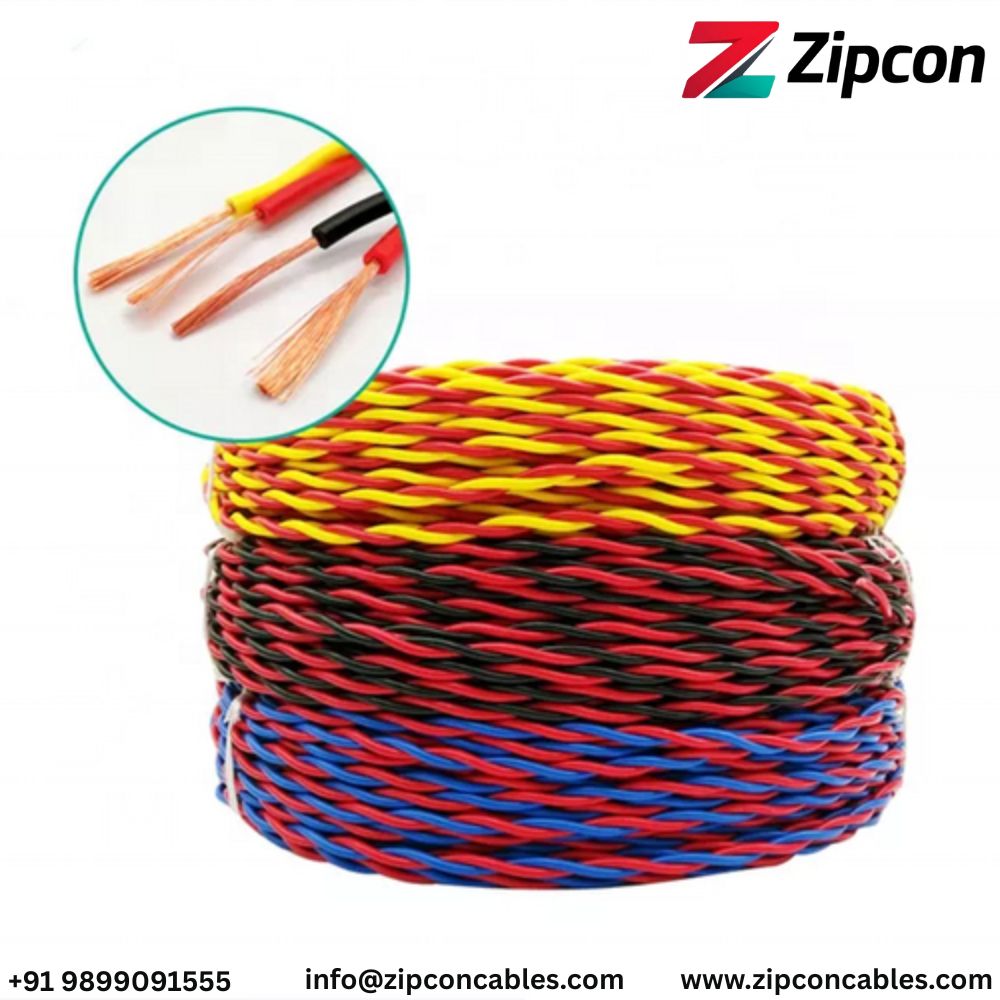
Electrical projects in Hubli and Dharwad require cables that can handle regular movement, bending, vibration and demanding installation conditions. Choosing the right flexible cable contractor in Hubli/Dharwad is therefore important for safe wiring, dependable power transmission and long-term electrical performance.
Zipcon Cables provides flexible cable solutions suitable for residential, commercial and industrial applications. From machinery connections and control panels to power distribution and specialized installations, selecting the correct cable construction, conductor size and insulation can make a significant difference to project reliability.
For inquiries or assistance:👉 https://zipconcables.com/contact-us/
Why Choose a Flexible Cable Contractor in Hubli/Dharwad?
Flexible cables are designed for applications where the cable may need to bend, move or withstand vibration. Standard rigid wiring may not be appropriate for machinery, moving equipment and installations where repeated movement occurs.
A qualified flexible cable contractor in Hubli/Dharwad can assess the application before recommending a cable. This includes understanding the operating environment, electrical load, installation method, movement requirements and required cable length.
For businesses, professional cable selection can also reduce unnecessary replacement and maintenance. The objective is to install a cable that matches the actual electrical and mechanical demands of the application.
Flexible Cable Solutions for Homes
Modern homes use electrical systems for lighting, appliances, pumps, HVAC equipment, automation systems and other loads. Certain connections require cables that are easier to route through confined or changing installation spaces.
Common Residential Applications
Flexible cables can be considered for:
- Electrical equipment connections
- Pumps and motor applications
- Control and automation systems
- Appliance connections
- Flexible wiring arrangements
- Maintenance and replacement work
For residential projects, cable size and insulation should be selected according to the intended electrical load and installation conditions rather than simply choosing the cheapest available option.
Flexible Cables for Industrial Projects
Industrial environments place greater mechanical and electrical demands on cables. Machinery can create vibration, movement, heat and continuous operational stress, making cable flexibility an important consideration.
Zipcon Cables can be considered for applications involving machinery, motors, control systems and industrial electrical installations where appropriate cable construction is required.
Industrial Applications
Flexible cables may be used in:
- Manufacturing machinery
- Motor connections
- Control panels
- Industrial equipment
- Automation systems
- Pumps and electrical motors
- Production-line equipment
- Power and control connections
The correct specification depends on the application. Conductor material, cross-sectional area, insulation, voltage rating and installation environment should all be evaluated before installation.
Commercial Flexible Cable Installation in Hubli/Dharwad
Commercial buildings often require electrical systems that are easy to install, maintain and modify. Offices, retail stores, warehouses, institutions and other commercial facilities may have different wiring requirements within the same project.
A flexible cable contractor can help organize cable requirements for equipment connections, electrical panels, pumps, lighting systems and other applications.
For larger projects, proper cable identification and routing are equally important. Well-planned installation makes future inspection and maintenance easier while reducing the risk of accidental cable damage.
What Makes a Good Flexible Cable?
Not every flexible cable is suitable for every application. The cable must be selected according to its electrical and mechanical requirements.
1. Conductor Quality
The conductor is responsible for carrying electrical current. Copper and aluminium conductors have different characteristics, so the correct conductor type and size should be selected according to the project requirements.
2. Insulation
Quality insulation helps protect the conductor from electrical faults and environmental exposure. The insulation material should be appropriate for the expected temperature, voltage and installation conditions.
3. Flexibility
The cable construction should allow the required degree of bending without compromising its performance. Applications involving movement require greater attention to flexibility than fixed installations.
4. Mechanical Protection
Industrial installations may expose cables to vibration, abrasion or other mechanical stresses. Cable selection should account for these conditions rather than focusing only on electrical capacity.
5. Correct Cable Size
Cable size must correspond to the expected current and installation conditions. Undersized cables can create excessive heating and voltage-drop problems, while unnecessarily oversized cables can increase project costs.
Zipcon Cables for Hubli/Dharwad Electrical Projects
Zipcon Cables focuses on cable solutions designed for practical electrical applications across residential, commercial and industrial environments.
When selecting flexible cables, project requirements should be considered before finalizing the product. Zipcon’s range can be evaluated according to conductor requirements, cable construction, application and installation conditions.
For contractors, builders, electricians and industrial users, having a reliable cable supplier can simplify procurement and help maintain consistency across different project requirements.
Flexible Cable Contractor vs. Ordinary Cable Supplier
There is an important difference between simply purchasing cable and working with a contractor who understands the application.
| Factor | Ordinary Cable Purchase | Professional Cable Contractor |
|---|---|---|
| Cable selection | Product-focused | Application-focused |
| Load consideration | May be overlooked | Evaluated |
| Installation requirements | Limited guidance | Considered |
| Industrial applications | General supply | Application-specific selection |
| Cable routing | Usually not included | Can be planned |
| Project consistency | Depends on buyer | Better specification control |
| Long-term reliability | Depends on selection | Focus on suitable installation |
For small projects, straightforward supply may be sufficient. For machinery, industrial installations or larger commercial projects, professional guidance becomes more valuable.
Examples of Flexible Cable Requirements
Example 1: Residential Pump
A home requires a cable connection for a water pump. The cable should be selected according to the motor’s electrical requirements, installation route and environmental exposure.
Example 2: Factory Machinery
A manufacturing unit has equipment that produces vibration during operation. A suitable flexible cable can help accommodate the movement while maintaining the required electrical connection.
Example 3: Commercial Equipment
A commercial facility needs cables for several electrical machines and control systems. Standardized cable specifications can make installation, identification and future maintenance easier.
These examples demonstrate why cable selection should begin with the application rather than the cable name alone.
Expert Tips for Choosing Flexible Cables
1. Calculate the electrical requirement first
Determine the expected load before selecting the conductor size.
2. Consider the installation environment
Check whether the cable will face heat, moisture, vibration, movement or mechanical stress.
3. Don’t select purely on price
A low initial price may not represent the best value if the cable is unsuitable for the application.
4. Check cable specifications
Review conductor construction, insulation, voltage rating and other relevant technical specifications.
5. Plan cable routing carefully
Avoid unnecessary sharp bends, excessive tension and installation practices that can damage the cable.
6. Use appropriate termination methods
Correct lugs, glands, connectors and termination practices are essential for dependable electrical connections.
7. Buy from a reliable cable manufacturer or supplier
Consistent manufacturing quality and proper product specifications are important for project reliability.
Common Mistakes to Avoid
Choosing Cable Size Without Checking Load
Cable size should not be selected simply because it was used in another project. Electrical load, cable length, installation method and operating conditions can change the requirement.
Ignoring Environmental Conditions
Moisture, heat, chemicals, vibration and mechanical movement can affect cable performance. These conditions should be considered before final selection.
Excessive Bending
Even flexible cables have installation limits. Excessive bending or pulling can damage the cable construction and reduce service reliability.
Poor Termination
A good cable can still perform poorly when terminals or connections are improperly installed. Termination quality should receive the same attention as cable selection.
Mixing Specifications Without Planning
Large projects may involve multiple cable sizes and applications. Maintaining clear specifications helps prevent incorrect cable usage during installation.
Why Zipcon Cables Is a Practical Choice
For projects in Hubli/Dharwad, Zipcon Cables can be considered when dependable cable construction and application-focused selection are priorities.
Whether the requirement is for a home, commercial facility, workshop, factory or industrial project, the right cable should be selected according to actual electrical and installation requirements.
For contractors and project managers, working with a dependable cable brand also helps maintain product consistency across multiple installations.
Conclusion
Choosing the right flexible cable contractor in Hubli/Dharwad can directly influence the safety, reliability and service life of an electrical installation. Flexible cables need to be selected according to electrical load, movement, environmental exposure, conductor requirements and installation conditions.
For homes, commercial buildings and industrial facilities, Zipcon Cables offers a practical option for evaluating flexible cable requirements based on the specific application. Proper product selection, routing and termination can help create a more reliable electrical system and reduce avoidable installation problems.
If your project requires flexible cable solutions in Hubli/Dharwad, prioritize correct specifications, reliable cable quality and professional installation rather than selecting a cable based only on price.
Top 5 FAQs
1. What is a flexible cable used for?
Flexible cables are commonly used where cables need to accommodate bending, movement or vibration. They can be suitable for machinery, equipment, motors, control systems and selected residential or commercial applications.
2. How do I choose the right flexible cable?
Consider the electrical load, conductor material, cable size, voltage requirement, insulation, installation environment, cable length and degree of movement. The cable should match the application’s technical requirements.
3. Are flexible cables suitable for industrial applications?
Yes, suitable flexible cables can be used in many industrial applications, including machinery, motors, automation equipment and control systems. The exact cable specification should be selected according to the operating environment.
4. Can flexible cables be used in homes?
Yes. Flexible cables can be useful for certain residential equipment and electrical connections, particularly where bending or easier routing is required. The appropriate cable should always be selected according to the electrical application.
5. Why choose Zipcon Cables for flexible cable requirements?
Zipcon Cables can be considered for residential, commercial and industrial cable requirements where appropriate conductor construction, insulation and application-specific specifications are important.