Electrical installations demand cables that can handle movement, bending, vibration, heat and regular operational stress without compromising performance. Choosing the right flexible cable contractor in Bangalore is therefore important for homes, commercial buildings, factories and infrastructure projects.
A professional contractor does more than supply or install cables. The right contractor understands the electrical load, installation environment, cable specifications, routing requirements and safety considerations before recommending a suitable solution. Zipcon Cables focuses on dependable cable solutions designed for demanding electrical applications.
For inquiries or assistance:👉 https://zipconcables.com/contact-us/
What Is a Flexible Cable?
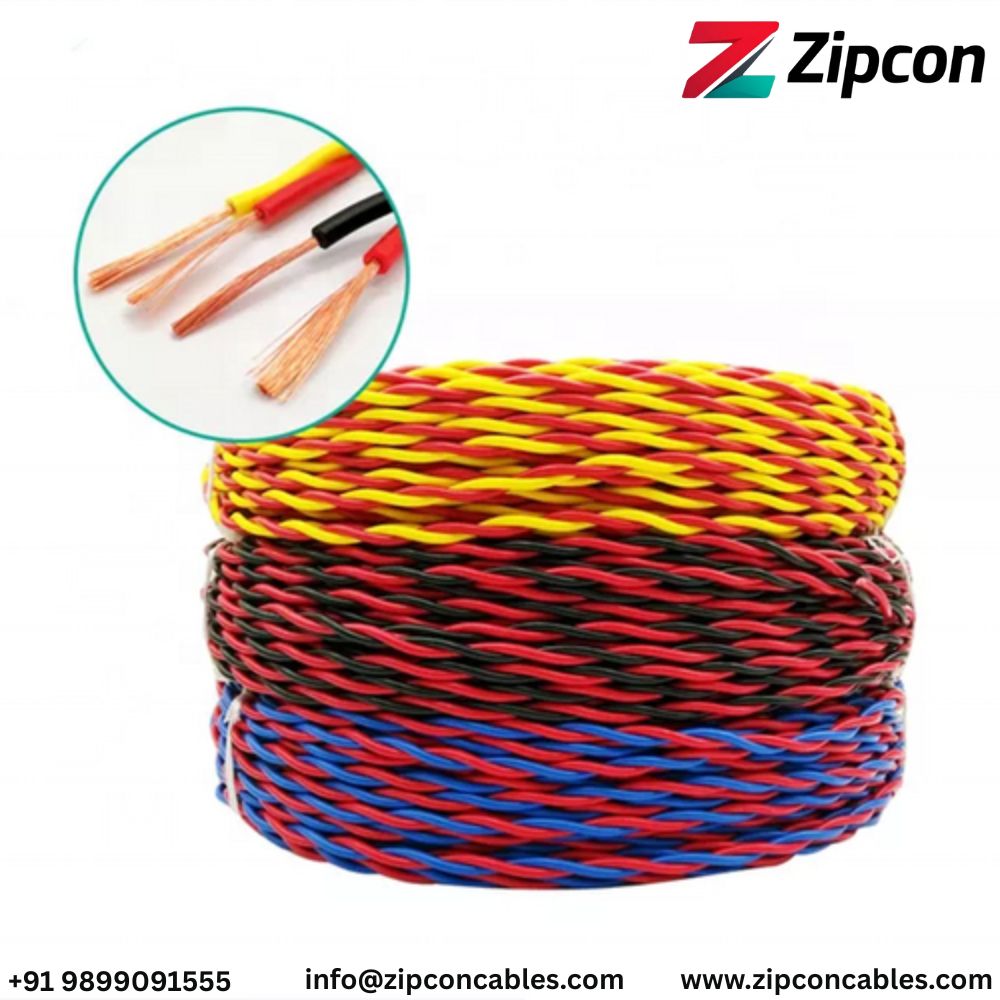
Flexible cables are electrical cables designed to withstand repeated bending and movement. Unlike rigid wiring solutions, they are manufactured with construction characteristics that allow easier routing through restricted spaces and around equipment.
They are commonly used where electrical connections experience movement, vibration or frequent repositioning. This makes flexible cables suitable for industrial machinery, automation systems, control panels, equipment connections and various commercial electrical applications.
The appropriate cable depends on factors such as conductor size, voltage requirement, insulation material, operating temperature, mechanical stress and installation conditions.
Why Choose a Professional Flexible Cable Contractor in Bangalore?
Bangalore has a wide range of residential developments, IT facilities, manufacturing units, warehouses, commercial buildings and industrial projects. Each application can have different electrical requirements, making proper cable selection essential.
A professional flexible cable contractor in Bangalore can help identify suitable cable specifications instead of relying only on price or appearance.
Correct Cable Selection
Cable size should be selected according to electrical load, installation conditions and application requirements. Using an unsuitable cable can lead to overheating, voltage drop, premature deterioration and unnecessary maintenance.
Better Installation Practices
Correct routing, termination, bending and protection can significantly influence cable performance. Professional installation reduces the chances of mechanical damage and loose connections.
Application-Based Solutions
A cable suitable for residential wiring may not be the right choice for industrial machinery. Contractors should evaluate the actual working environment before recommending a product.
Flexible Cable Solutions for Different Applications
Residential Electrical Projects
Flexible cables can be useful for connections where easier routing and installation are required. They may be considered for equipment connections, internal electrical systems and applications involving limited movement.
For residential projects, the focus should remain on appropriate conductor size, insulation quality, electrical safety and compliance with applicable standards.
Commercial Buildings
Offices, retail spaces, hospitals, hotels and other commercial facilities often have extensive electrical networks. Flexible cable solutions can support equipment connections, control systems and installations where cable routing requires additional flexibility.
A structured cable selection process helps contractors maintain consistency across large installations.
Industrial Applications
Industrial environments can expose cables to vibration, repeated movement, heat, dust and mechanical stress. Flexible cables are particularly valuable in applications involving machinery and moving equipment.
For example, a cable connecting a control panel to moving machinery may need greater flexibility than a cable installed permanently inside a protected conduit.
Machinery and Automation
Automated equipment often contains moving components that require cables capable of handling repeated bending. Selecting a suitable flexible cable can help maintain electrical continuity while reducing mechanical stress on the installation.
Key Factors to Consider Before Choosing a Flexible Cable
Choosing a flexible cable should not be based solely on conductor size. Several technical factors need to be evaluated.
1. Conductor Size
The conductor size should correspond to the expected electrical load and installation conditions. Undersized conductors can create excessive heating, while unnecessarily oversized cables can increase project costs.
2. Insulation Quality
Good insulation provides electrical separation and protects the conductor from environmental and mechanical influences. The insulation material should match the operating conditions of the application.
3. Flexibility
Flexibility becomes particularly important where cables are repeatedly bent or moved. The cable construction should match the expected movement rather than simply being labelled as “flexible.”
4. Temperature Conditions
Industrial and commercial installations may expose cables to elevated temperatures. The selected cable should have suitable temperature characteristics for its operating environment.
5. Mechanical Stress
Cables installed near machinery may experience vibration, pulling, bending or abrasion. Understanding these conditions helps determine the appropriate cable construction.
Why Zipcon Cables for Flexible Cable Requirements?
Zipcon Cables is positioned as a reliable choice for customers looking for quality-focused cable solutions for different electrical applications.
The selection of an appropriate cable should always be based on the project’s technical requirements. Zipcon solutions can be considered where dependable construction, suitable insulation and application-oriented cable selection are important.
For contractors, electricians, builders and project managers, working with a quality-focused cable brand can simplify procurement while maintaining consistency across installations.
Flexible Cable Contractor vs. Cable Supplier
A cable supplier primarily focuses on providing products, whereas a contractor may be involved in understanding project requirements, recommending suitable solutions and coordinating installation-related work.
| Factor | Cable Supplier | Flexible Cable Contractor |
|---|---|---|
| Product supply | Yes | Yes |
| Application assessment | Limited | Better suited |
| Installation support | May vary | Generally available |
| Cable selection guidance | Product-focused | Project-focused |
| Large project coordination | Limited | More suitable |
| Installation planning | Usually limited | Can be included |
For a complex commercial or industrial project, an application-focused contractor can provide greater value than simply purchasing cables based on price.
Examples of Flexible Cable Applications
Example 1: Manufacturing Unit
A manufacturing facility uses automated machinery with moving components. Flexible cables can help connect equipment where regular movement creates mechanical stress on conventional rigid wiring.
Example 2: Commercial Office
An office building requires electrical connections for equipment and control systems. The cable selection can focus on appropriate conductor size, insulation, routing and installation requirements.
Example 3: Industrial Control Panel
A control panel connected to operating equipment may require flexible connections for easier routing and maintenance. The cable should be selected according to the equipment’s electrical and environmental requirements.
Example 4: Residential Equipment
Certain household equipment connections may benefit from flexible wiring where movement or convenient routing is required. The correct specification should always be determined based on the electrical load and application.
Expert Tips for Selecting a Flexible Cable Contractor in Bangalore
- Check application knowledge: The contractor should understand residential, commercial and industrial cable requirements.
- Verify cable specifications: Do not select cables only by price or outer appearance.
- Consider installation conditions: Heat, moisture, vibration, bending and mechanical exposure can affect cable selection.
- Prioritize proper termination: Even a quality cable can perform poorly when connections are improperly terminated.
- Consider long-term cost: A cheaper cable that requires frequent replacement may cost more over the project’s lifetime.
- Choose a dependable brand: Quality-focused products such as Zipcon Cables can provide a stronger foundation for reliable electrical installations.
- Plan cable routing: Proper routing can reduce unnecessary bending, abrasion and mechanical stress.
Common Mistakes When Choosing Flexible Cables
Choosing Only by Price
The lowest-priced cable is not necessarily the most economical option. Conductor quality, insulation, construction and expected service conditions should all be considered.
Ignoring the Application
A cable designed for a relatively static installation may not be appropriate for repeated movement. Application conditions should guide product selection.
Using the Wrong Cable Size
Incorrect conductor sizing can result in overheating, voltage drop and reduced system efficiency. Load calculations should be completed before final selection.
Poor Cable Termination
Loose or improper terminations can create resistance and heating at connection points. Correct termination is essential for reliable electrical performance.
Ignoring Environmental Conditions
Temperature, moisture, chemicals, dust and mechanical movement can influence cable life. These factors should be evaluated before installation.
How Zipcon Cables Can Support Your Electrical Project
A reliable cable solution begins with understanding the project’s actual requirements. From residential electrical work to commercial installations and industrial applications, cable specifications should be matched to the environment and expected electrical load.
Zipcon Cables can be considered for projects where dependable cable construction and application-focused selection are priorities. Working with the right contractor also helps ensure that the selected cable is installed and handled correctly.
For Bangalore projects, combining quality cables + correct specifications + professional installation provides a stronger approach to long-term electrical reliability.
Conclusion
Finding the top flexible cable contractor in Bangalore is not simply about choosing a company that supplies cables. It is about selecting the right cable for the application, understanding installation conditions and ensuring that the electrical system is designed and installed with reliability in mind.
For residential, commercial and industrial requirements, Zipcon Cables offers a quality-focused option for customers seeking dependable cable solutions. Evaluate conductor size, insulation, flexibility, environmental conditions and installation requirements before making the final selection.
Top 5 FAQs
1. What is a flexible cable used for?
Flexible cables are used in applications where cables need to tolerate bending, movement or vibration. They are commonly used with machinery, control systems, equipment and various electrical installations.
2. How do I choose a flexible cable for an industrial project?
Consider electrical load, conductor size, voltage, insulation, temperature, movement, vibration, mechanical stress and environmental conditions. The cable should be selected according to the complete application rather than one specification.
3. Why is choosing a flexible cable contractor important?
A qualified contractor can help assess project requirements, select appropriate cable solutions and ensure that installation practices match the application.
4. Can flexible cables be used for commercial electrical projects?
Yes. Flexible cables can be used for various commercial applications where their construction and electrical specifications are appropriate for the installation.
5. Why consider Zipcon Cables for electrical projects in Bangalore?
Zipcon Cables can be considered when quality-focused cable construction and application-specific selection are important. The appropriate Zipcon product should be selected according to the project’s electrical and environmental requirements.