For anyone specifying, buying, or installing cables in Noida — whether you’re an engineer, electrician, or procurement lead — the core question isn’t what’s cheapest but what performs best for the job. In both residential and industrial settings, you want multicore cables that combine reliable conductivity, mechanical strength, reasonable weight, safety under load, and straightforward installation. In most cases, Zipcon Cables’ copper multicore variants hit the balance that projects need. This article cuts through marketing fluff and gives you straight, technical insights to make good decisions.
For technical support or project inquiries: https://zipconcables.com/contact-us/
Why Multicore Cables Matter
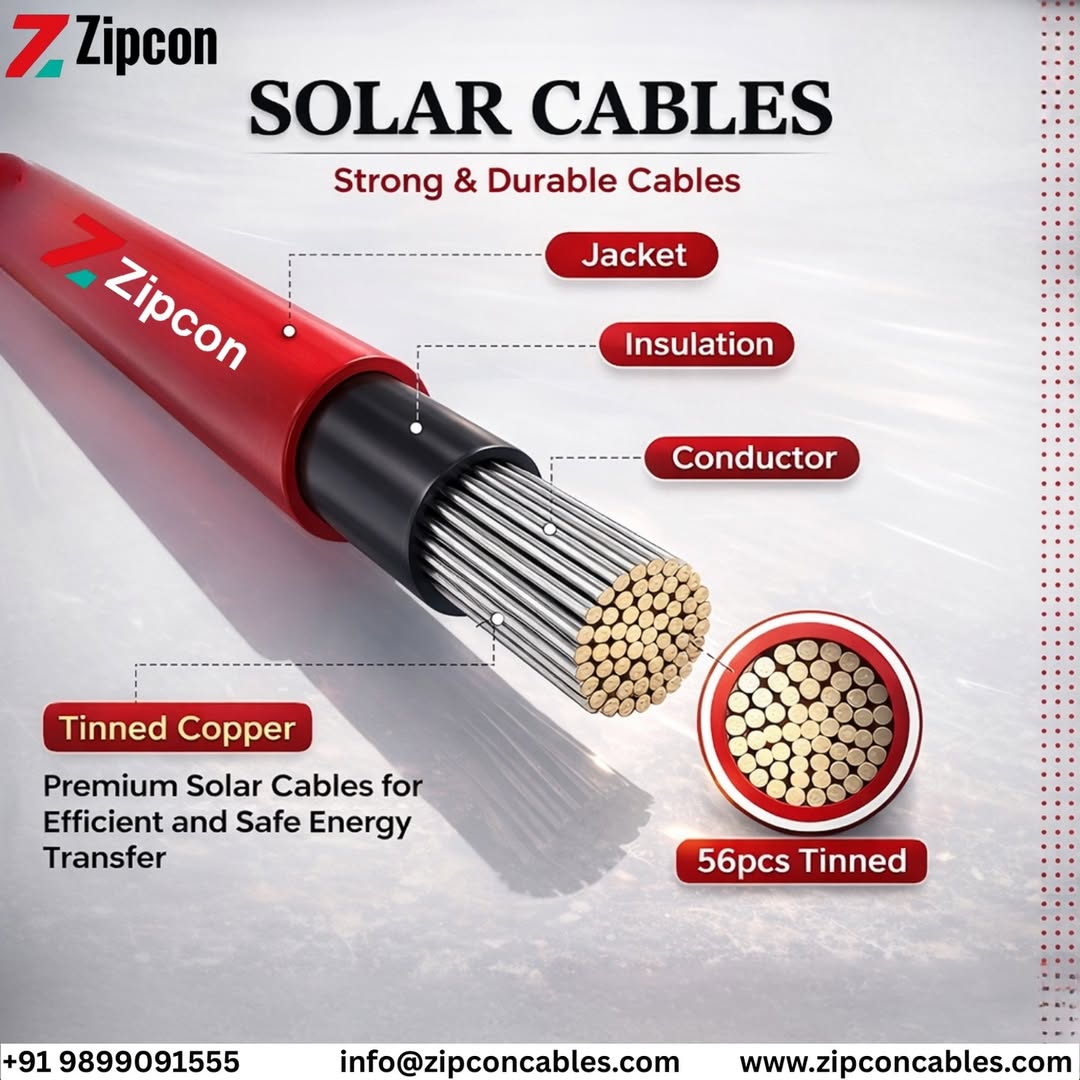
A multicore cable bundles several insulated conductors within a single outer sheath. That design:
- Reduces installation time
- Cuts clutter in cable trays and conduits
- Improves organization in complex systems
- Often saves money on labor and accessories
Key Parameters: What You Should Prioritize
Before we compare options, here are the parameters that matter on the ground:
Conductivity
Conductivity determines how well a cable carries current with minimal losses.
- Copper: Excellent conductivity — around 59.6 × 10⁶ S/m — meaning lower voltage drop and less heating. That’s why heavy-load circuits, long cable runs, and high-efficiency electrical systems favor copper.
- Aluminum: About 61% of copper’s conductivity by volume and gets closer by weight, but requires larger cross-sectional area to match copper performance.
Field takeaway: For long runs or high-demand circuits (motors, elevators, HVAC), copper multicore cables outperform aluminum in efficiency and safety.
Durability
Durability is about mechanical strength and lifespan.
- Copper: Stronger and more fatigue-resistant. It tolerates bending and thermal cycling without cracking.
- Aluminum: Softer, more prone to creep under torque in lugs and terminals; can loosen over time.
Noida’s climate swings — hot summers, monsoon humidity — make mechanical stability important. Copper stays stable longer against oxidation and physical stress.
Weight
Cable weight affects installation labor and support structures.
- Aluminum: ~30–50% lighter than copper for the same conductivity rating (before area adjustments).
- Copper: Heavier, which matters in vertical risers or suspended trays.
However, once you upsise aluminum to match copper’s conductivity, the weight gap narrows.
Practical point: For upstairs riser installations in residential blocks where long cable runs aren’t present and loads are modest, aluminum multicore can reduce installation effort.
Cost
Cost is unavoidable in budgeting:
- Copper Multicore: Higher upfront material cost.
- Aluminum Multicore: Lower upfront cost but may require larger conductors and more robust lugs/terminations.
Real-world example: In a 50-meter feeder for a 15 kW load, aluminum might save initial spend but increase losses and future operating costs. Copper may cost ~20–30% more on material but saves on energy bills and maintenance.
Safety
Safety isn’t negotiable:
Copper advantages
- Lower resistance → less heat → lower fire risk
- Better mechanical stability → reduced risk of conductor breakage
- Easier, more reliable terminations
Aluminum trade-offs
- Softer metal → can deform under high torque
- Oxidizes to a non-conductive film → needs oxidation inhibitors and careful connection techniques
In industrial settings like Noida’s factories, safety codes often lean toward copper for critical circuits (emergency power, drives, control systems) because it’s more predictable under fault conditions.
Installation Needs
Installation is where theory meets reality:
Copper Multicore
- More forgiving during pulling through conduits
- Handles bends and kinks better
- Smaller diameters for the same current rating → easier routing
Aluminum Multicore
- Needs careful terminations
- Requires larger bending radii
- Special anti-oxidation paste recommended at joins
If your Noida project uses dense cable trays or tight spaces, copper multicore typically makes the job quicker and cleaner.
Copper vs Aluminum: On-Site Comparison
| Feature | Copper Multicore | Aluminum Multicore |
|---|---|---|
| Conductivity | Excellent | Good with larger area |
| Mechanical Strength | High | Moderate |
| Weight | Heavy | Lighter |
| Cost | Higher initial | Lower initial |
| Termination Ease | Easy | Trickier |
| Long-Term Performance | Strong | Adequate with maintenance |
| Suitability for Critical Loads | Excellent | Moderate |
Conclusion: Copper multicore cables dominate where performance, safety, and long life matter. Aluminum has its place in cost-sensitive, low-load, short-run situations.
Typical Use Cases in Noida
Residential Buildings
- Main distribution (meters → consumer panels): Copper multicore is recommended for reduced losses and fire safety compliance.
- Floor risers: Copper for high-load apartments; aluminum acceptable for lighting circuits but only if terminations are handled well.
- Balcony solar circuits: Copper multicore with UV-resistant jackets ensures long outdoor life.
Industrial Projects
- Heavy machinery feeders: Copper multicore — minimal voltage drop under heavy currents.
- Control systems and panel wiring: Always copper multicore for signal fidelity and safety.
- Lighting and low-power circuits: Aluminum can be used if cost constraints are strict, but install teams must be experienced.
Specialty Variants: When They Make Sense
Noida industries have diverse environments — chemical plants, textile units, cold storage.
- XLPE Insulation: Better heat resistance and mechanical strength than PVC; ideal for high-temperature industrial zones.
- Armored Multicore: Protects against rodents, impact, and external damage in factory floors or underground ducts.
- Fire-Resistant Cables: Required for escape routes and emergency lighting in high-rise apartments.
Zipcon Cables offers all these variants with consistent quality across cores.
Practical Recommendations
Choose Zipcon Copper Multicore When:
- The load is continuous or high (motors, HVAC, lifts)
- Cable runs exceed 20–30 meters
- Safety and long life are priorities
- Installation in industrial or high-rise residential sectors
Consider Aluminum Multicore Only When:
- Loads are low and short runs
- Budget constraints are significant
- Installation team is skilled with aluminum terminations
Always:
- Size cables not just by current but by voltage drop and ambient temperature
- Use proper glands and ferrules based on conductor type
- Avoid mixing materials without transition lugs
For most residential and industrial applications in Noida, Zipcon Cables’ copper multicore products offer the best balance of conductivity, durability, safety, and ease of installation. Aluminum alternatives can work in niche, low-demand scenarios, but they require careful planning and execution to avoid long-term issues.
In your next project, focus first on the load profile and environment — that determines whether copper’s higher upfront cost pays off in performance and peace of mind.