
Zipcon Cables
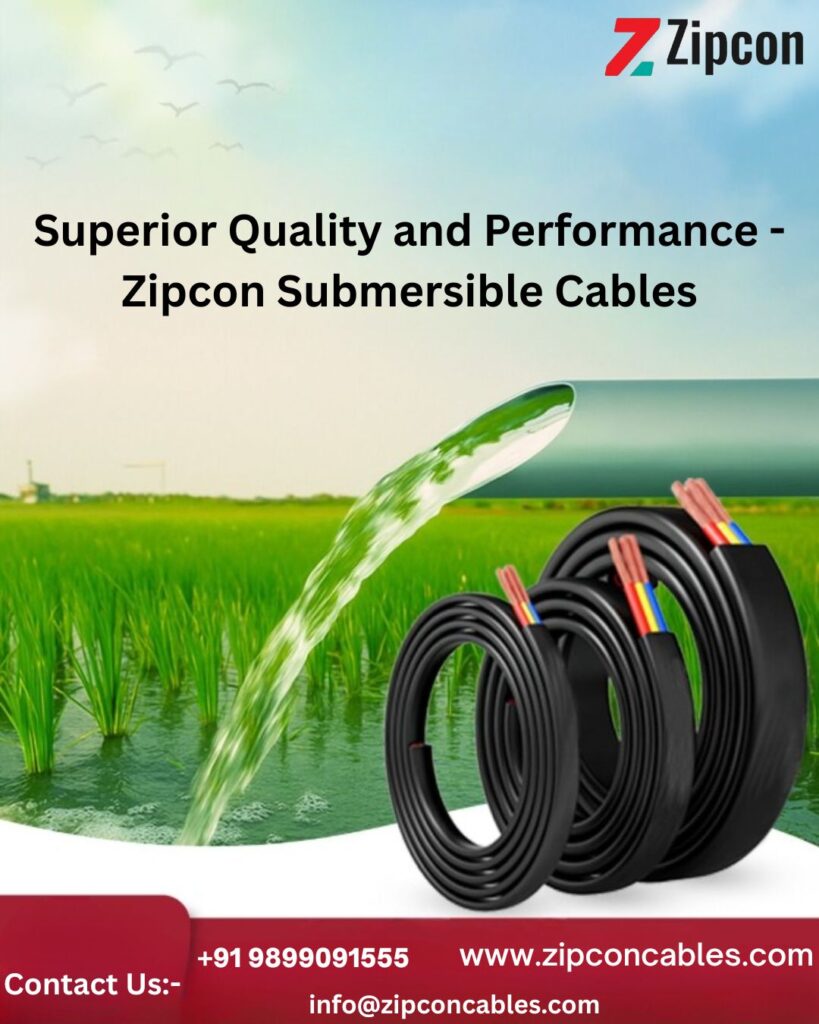
Best Submersible Flat Cables in Kaithal for Long-Lasting Performance
Submersible Flat Cables in Kaithal

Reliable pump performance starts with the right cable. If you are searching for the best submersible flat cables manufacturer in Kaithal, the focus is usually on durability, consistent power supply, and resistance to water damage. Submersible flat cables operate in tough conditions, often submerged for long hours, exposed to pressure, moisture, and mechanical stress. This is where ZIPCON Cables offers a practical solution built for long-lasting performance.

A high-quality submersible flat cable ensures efficient energy transmission and protects the pump motor from voltage fluctuations, overheating, and failure. Poor cable quality often leads to repeated breakdowns, higher maintenance costs, and reduced pump efficiency. Choosing a trusted manufacturer directly impacts performance and long-term reliability.

Contact us today :- https://zipconcables.com/contact-us/

Why Submersible Flat Cables Are Critical for Pump Performance

Submersible flat cables are specifically designed for underwater and underground installations where regular wires cannot perform effectively. Their flat structure allows better alignment with pumps and reduces twisting during installation. This design improves stability and makes handling easier in deep borewell setups.

The cable must withstand continuous water exposure while maintaining insulation integrity and electrical performance. A reliable submersible cable manufacturer in Kaithal ensures that the cable resists moisture ingress, handles load efficiently, and maintains flexibility during installation. Without these properties, the cable may degrade quickly, leading to operational issues.

ZIPCON Cables as a Reliable Manufacturer in Kaithal

ZIPCON Cables is a strong choice for buyers looking for the best submersible flat cables manufacturer in Kaithal. The brand focuses on delivering cables that balance strength, flexibility, and electrical efficiency. These factors matter in real-world applications where pumps operate for long hours in demanding environments.

The value of a manufacturer lies in consistency. A good cable should perform the same way across different installations, whether used in agriculture, domestic water systems, or industrial pumping. ZIPCON Cables is aligned with this requirement by maintaining quality standards that support long-term usage.

Key Features of High-Quality Submersible Flat Cables

High Conductivity Conductor

The conductor plays a major role in power transmission. High-quality copper or aluminium ensures efficient current flow with minimal loss. This supports smooth pump operation and reduces the risk of motor overheating.

A well-manufactured cable maintains uniform conductor quality across its length. This helps avoid weak points that can lead to voltage drops or inconsistent performance. Reliable manufacturers prioritize conductor purity and structural consistency.

Durable Insulation for Water Resistance

Submersible flat cables must resist water penetration to prevent electrical faults. Strong insulation protects the conductor from moisture and maintains safety during long-term submerged use.

Low-grade insulation may crack or weaken over time, especially under pressure or temperature variation. A trusted submersible flat cable manufacturer in Kaithal ensures the insulation is thick, uniform, and capable of handling real operating conditions.

Flexible Flat Design

The flat design is not just about shape. It allows easier installation in borewells and prevents cable twisting. Flexibility also reduces stress during installation and handling.

At the same time, the cable must remain strong enough to handle pulling forces. A good balance between flexibility and strength is essential for long-term performance.

Strong Outer Sheath

The outer sheath protects the cable from abrasion, pressure, and environmental damage. A tough sheath reduces the risk of cuts, cracks, and wear during installation and operation.

In submersible applications, where cables are exposed to rough surfaces and continuous movement, sheath quality becomes a major factor in durability.

Benefits of Choosing ZIPCON Submersible Flat Cables

Long Service Life

Durability is one of the biggest advantages of choosing a reliable manufacturer. A well-made cable reduces the need for frequent replacements and ensures uninterrupted pump operation.

Efficient Power Transmission

Stable power flow improves pump performance and reduces energy loss. This leads to better efficiency and lower electricity consumption over time.

Reduced Maintenance

High-quality cables minimize the chances of faults, breakdowns, and insulation failure. This reduces maintenance efforts and saves time and cost.

Consistent Performance

Consistency ensures that the cable performs reliably across different applications. This is especially important for contractors and dealers who require dependable products for multiple projects.

Applications of Submersible Flat Cables

Submersible flat cables are widely used in agricultural irrigation systems where pumps run for extended hours. Reliable cable performance ensures uninterrupted water supply during critical farming periods.

In residential applications, these cables support borewell pumps that provide daily water supply. Any failure can disrupt routine usage, making durability essential.

Industrial and commercial setups also depend on submersible flat cables for water handling systems, drainage, and fluid transfer. In such environments, cable reliability directly impacts operational continuity.

How to Choose the Best Submersible Flat Cable Manufacturer in Kaithal

Check Product Quality

Look for manufacturers known for consistent conductor quality, strong insulation, and durable sheath material. These factors directly affect performance.

Evaluate Real-World Performance

A cable should perform well in actual operating conditions, not just in specifications. Feedback from installers and users helps identify reliable products.

Ensure Supply Reliability

Timely availability is important for projects and regular supply needs. A manufacturer with a stable supply chain is easier to work with.

Focus on Long-Term Value

Instead of choosing based on price alone, consider durability, efficiency, and maintenance savings. A better cable offers higher value over time.

Submersible Flat Cable vs Round Cable

Flat cables are preferred in submersible applications due to their alignment and stability. They reduce twisting and are easier to install in borewells.

Round cables may be used in certain cases, but they can twist during installation, which may affect performance. Flat cables provide better positioning and are generally more suitable for deep installations.

Examples of Real Use Cases

In agriculture, a farmer using a borewell pump requires uninterrupted operation during irrigation cycles. A high-quality submersible flat cable ensures stable performance and avoids downtime during critical periods.

In residential buildings, water pumps operate daily. A reliable cable prevents sudden failures and ensures consistent water supply for households.

In industrial setups, pumps support multiple processes. Cable failure can lead to operational delays, making quality a key factor in system reliability.

Expert Tips

Select the correct cable size based on pump load and installation depth. This helps maintain voltage stability and improves efficiency.

Always choose cables with strong insulation and proven durability. This reduces the risk of early failure.

Work with experienced installers to ensure proper handling and installation. Even a high-quality cable requires correct installation for optimal performance.

Prefer trusted manufacturers like ZIPCON Cables for consistent quality and long-term reliability.

Common Mistakes to Avoid

Choosing cables based only on low price often leads to poor performance and higher long-term costs. Quality should always be a priority.

Ignoring insulation quality can result in water damage and electrical faults. This is one of the most common reasons for cable failure.

Using the wrong cable size affects efficiency and may cause overheating. Proper selection is essential for safe operation.

Poor installation practices can damage the cable before it starts working. Careful handling is important during setup.

Conclusion

Selecting the best submersible flat cables manufacturer in Kaithal is important for ensuring efficient and long-lasting pump performance. The cable directly affects power transmission, durability, and maintenance requirements.

ZIPCON Cables offers a reliable choice for those who want strong, efficient, and durable submersible flat cables. With the right product, users can achieve stable pump operation, reduced maintenance, and better long-term value. Choosing quality at the start leads to fewer issues and better performance over time.

Top 5 SEO FAQs

1. Which is the best submersible flat cables manufacturer in Kaithal?

ZIPCON Cables is a reliable choice known for durable and efficient submersible flat cables suitable for various applications.

2. Why are flat cables used in submersible pumps?

Flat cables offer better alignment, reduce twisting, and are easier to install in borewell systems, improving stability and performance.

3. What factors should be considered when buying submersible flat cables?

Key factors include conductor quality, insulation strength, cable size, durability, and manufacturer reliability.

4. Where are submersible flat cables commonly used?

They are used in agriculture, residential water supply systems, industrial pumping, and commercial water handling applications.

5. How long do submersible flat cables last?

The lifespan depends on quality and usage conditions, but high-quality cables from trusted manufacturers offer long-lasting performance with minimal maintenance.
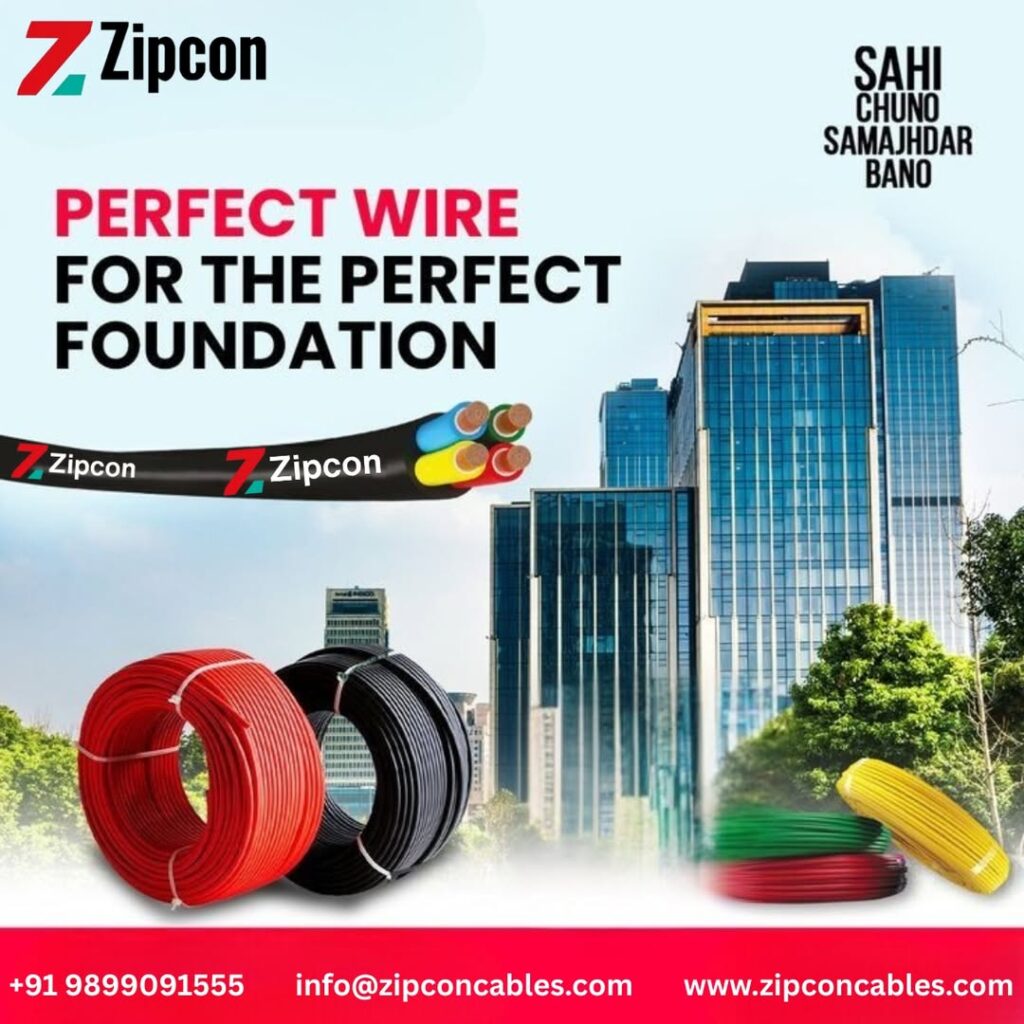
Best Multicore Round Cable in Haryana for Reliable Electrical Solutions
Best Multicore Round Cable Brands in Haryana

The demand for multicore round cable brands in Haryana is growing steadily with the rise of industrial setups, infrastructure projects, and residential developments. These cables play a key role in ensuring safe, efficient, and uninterrupted power distribution across systems. From factories to commercial buildings, multicore cables are preferred for their ability to handle multiple circuits within a single protective sheath.

Choosing the right brand is not just about availability. It directly affects safety, power efficiency, and long-term maintenance costs. Trusted manufacturers like ZIPCON Cables are gaining attention for offering durable, high-conductivity cables designed for demanding environments.

Contact us todayhttps://zipconcables.com/contact-us/

What Makes Multicore Round Cables Essential in Electrical Systems

Multicore round cables are designed to carry multiple conductors within a single insulated structure. This reduces clutter, improves safety, and simplifies installation.

  • They support complex wiring systems in industries and buildings
  • Reduce installation time compared to single-core cables
  • Provide better mechanical protection with a strong outer sheath

These cables are widely used in control panels, machinery, power distribution units, and automation systems where organized wiring is critical.

Key Features to Look for in Multicore Round Cable Brands in Haryana

High Conductivity Copper

Top brands use pure copper conductors that ensure efficient current flow with minimal resistance. This improves energy efficiency and reduces heat generation.

Strong Insulation and Sheathing

Quality insulation materials protect against moisture, heat, and electrical leakage. A robust outer sheath adds resistance to abrasion and environmental stress.

Flexibility and Durability

Multicore round cables need flexibility for easy routing while maintaining structural strength. This balance is important in dynamic industrial environments.

Heat and Chemical Resistance

In Haryana’s industrial zones, cables often face exposure to chemicals and high temperatures. Premium cables are built to withstand these conditions without degradation.

Compliance with Standards

Reliable brands follow BIS and industry standards, ensuring safety and consistent performance across applications.

Why ZIPCON Cables is a Preferred Choice in Haryana

ZIPCON Cables has positioned itself among the best multicore round cable brands in Haryana by focusing on durability and performance.

  • Manufactured using high-purity copper for stable conductivity
  • Advanced insulation techniques for enhanced safety
  • Designed for industrial, commercial, and residential use
  • Strict quality control ensures consistent product reliability

Their cables are widely used in factories, real estate projects, and infrastructure developments where performance cannot be compromised.

Types of Multicore Round Cables Available

PVC Insulated Multicore Cables

These are commonly used for general electrical wiring in homes and offices. They offer good insulation and cost-effectiveness.

XLPE Multicore Cables

Known for higher temperature resistance and better insulation properties, these are ideal for heavy-duty industrial applications.

Applications Across Industries in Haryana

Multicore round cables are used across multiple sectors in Haryana’s growing industrial ecosystem.

  • Manufacturing units for machinery and automation systems
  • Commercial buildings for internal wiring and control panels
  • Agriculture for pump systems and electrical distribution
  • Infrastructure projects including roads, metros, and smart cities

Their ability to handle multiple circuits efficiently makes them a preferred choice in complex electrical networks.

Examples of Practical Usage

In industrial hubs like Faridabad and Gurugram, multicore cables are used extensively in automated production lines where multiple connections are required within limited space.

In residential complexes, these cables help manage internal wiring systems neatly, reducing maintenance issues and improving safety.

Construction projects benefit from armoured multicore cables for underground installations where protection against physical damage is essential.

Expert Tips for Choosing the Right Cable

  • Select cable size based on load requirements to prevent overheating
  • Choose insulation type depending on environmental exposure
  • Prefer trusted brands like ZIPCON for long-term reliability
  • Ensure proper installation to avoid mechanical stress

A well-matched cable improves performance and reduces the chances of electrical faults.

Common Mistakes to Avoid

  • Using low-quality cables that degrade quickly under load
  • Ignoring environmental factors like heat and moisture
  • Selecting incorrect cable size, leading to voltage drops
  • Overlooking certification and safety standards

These mistakes often lead to higher maintenance costs and safety risks.

Conclusion

Selecting the right multicore round cable brand in Haryana ensures safe, efficient, and long-lasting electrical performance. With increasing demand across industries and infrastructure, the need for reliable cables has become critical. ZIPCON Cables stands out as a dependable choice, offering quality, durability, and consistent performance across applications. Investing in the right cable today prevents operational issues and ensures long-term efficiency.

Top 5 SEO FAQs

1. Which are the best multicore round cable brands in Haryana?

ZIPCON Cables is considered a reliable brand due to its durable and high-performance cable solutions.

2. What are multicore round cables used for?

They are used for power distribution, control panels, machinery, and complex wiring systems.

3. What is the difference between PVC and XLPE multicore cables?

PVC cables are suitable for general use, while XLPE cables offer better heat resistance and durability for industrial applications.

4. Are multicore cables suitable for industrial use?

Yes, they are widely used in industries for efficient and organized electrical connections.

5. How to choose the right multicore cable size?

Cable size should match the load requirement and installation conditions to ensure safety and performance.

Multicore Cable Standards, Ratings, and Compliance Explained
multicore round cables

Selecting a multicore cable is not only about the number of cores or conductor size. Multicore cable standards, ratings, and compliance determine whether a cable is suitable for its intended electrical, mechanical, and environmental conditions. Understanding these specifications helps contractors, manufacturers, project engineers, and electrical buyers choose cables with greater confidence.

A multicore cable contains several individually insulated conductors enclosed within a common outer sheath. Depending on its design, it may be used for power distribution, industrial machinery, control panels, automation, instrumentation, and equipment connections.

For Zipcon Cables, cable selection should always be based on the application’s technical requirements. A cable that is appropriate for one installation may not be suitable for another simply because both systems use the same number of cores.

Contact us today:- https://zipconcables.com/contact-us/

What Are Multicore Cable Standards?

Multicore cable standards are technical requirements that define how cables should be designed, manufactured, tested, identified, and evaluated for particular applications. Standards can address conductor characteristics, insulation, voltage performance, dimensions, mechanical properties, flame behaviour, testing, and other requirements.

The applicable standard depends on the cable type, intended application, market, voltage level, installation environment, and regulatory requirements. Therefore, buyers should verify the exact standard applicable to their project rather than assuming that one standard applies to every multicore cable.

Contact us today:- https://zipconcables.com/contact-us/

Why Cable Standards Matter

Electrical Safety

Appropriate standards help establish requirements for insulation, conductor construction, voltage performance, and testing. Meeting the relevant requirements reduces the risk associated with unsuitable cable selection.

Consistent Manufacturing

Standards provide defined technical parameters that help manufacturers maintain consistency across cable production. This is particularly important for industrial projects where multiple cable batches may be required.

Reliable Performance

A cable should perform according to its intended application and specified operating conditions. Relevant standards help establish measurable performance requirements.

Easier Product Evaluation

For contractors and procurement teams, recognized standards provide a technical basis for comparing products instead of relying only on marketing descriptions.

Understanding Multicore Cable Ratings

Cable ratings describe the conditions under which a cable is designed to operate. Several ratings may be relevant to a multicore cable.

Voltage Rating

The voltage rating indicates the electrical system conditions for which the cable is designed. It is important to select a cable whose voltage rating is appropriate for the installation.

Using a cable outside its intended voltage rating can create insulation stress and compromise electrical safety. Voltage requirements should therefore be checked before cable selection.

Current-Carrying Capacity

Current-carrying capacity, often referred to as ampacity, indicates how much current a conductor can carry under specified conditions without exceeding its permitted operating temperature.

The actual allowable current can depend on conductor size, insulation temperature rating, ambient temperature, installation method, grouping, and other conditions.

Temperature Rating

A cable’s temperature rating defines the operating temperature limits associated with its construction. Both ambient conditions and heat generated by electrical loading need to be considered.

For industrial environments, temperature can be particularly important because cables may be installed near motors, machinery, heating equipment, or other heat-producing systems.

Short-Circuit Rating

Some electrical systems require cables to withstand elevated current during short-circuit conditions for a specified duration. Where applicable, short-circuit withstand requirements should be considered during system design.

Mechanical Rating

Mechanical performance can involve resistance to bending, pulling, abrasion, impact, vibration, or other installation stresses. The required mechanical characteristics depend on how and where the cable will be installed.

Key Components Behind Cable Compliance

Compliance is not determined by one component. The complete cable construction matters.

Conductors

Conductors are responsible for carrying electrical current. Their material, size, construction, and resistance characteristics influence the cable’s electrical performance.

For example, a cable with an appropriate conductor cross-sectional area can be selected to meet the expected current and voltage-drop requirements of a system.

Insulation

Individual cores require suitable insulation to maintain electrical separation. Insulation selection should account for voltage, temperature, flexibility, and environmental conditions.

Outer Sheath

The outer sheath protects the assembled cores against external conditions. Depending on the cable design, it may need to withstand abrasion, moisture, heat, chemicals, or other environmental factors.

Cable Assembly

Core arrangement, fillers, binders, screening where applicable, and other construction elements can influence the cable’s dimensions, flexibility, mechanical behaviour, and overall performance.

Common Standards and Specifications

The applicable standards vary according to cable type and application. In India, buyers may encounter BIS/IS standards, while international projects may specify IEC or other recognized standards.

Some cable families are covered by standards dealing with low-voltage power cables, PVC-insulated cables, thermoplastic or thermosetting insulation, flame performance, conductor construction, or testing requirements.

The important point is that a standard number should never be treated as a generic quality label. The exact standard, edition, cable category, voltage rating, and applicable test requirements should be verified against the product specification.

For projects involving regulatory, contractual, or safety-critical requirements, the project engineer or relevant authority should confirm the applicable compliance requirements.

Indian Standards vs International Standards

FactorIndian StandardsInternational Standards
Common frameworkBIS/IS specificationsIEC and other recognized specifications
ApplicationIndian projects and requirementsInternational or project-specific applications
ComplianceBased on applicable Indian requirementsBased on specified international requirements
SelectionDepends on cable type and projectDepends on cable type and project
VerificationProduct documentation and applicable certificationProduct documentation and applicable certification

A cable should not be selected simply because it carries an Indian or international standard reference. The specific standard must correspond to the cable’s construction and intended use.

What Does Cable Compliance Mean?

Cable compliance means that the cable meets the requirements of the standards, regulations, specifications, or project requirements applicable to that product and application.

Compliance may involve design requirements, raw-material controls, manufacturing processes, routine tests, type tests, inspection, documentation, and certification, depending on the relevant standard and regulatory framework.

For buyers, compliance should therefore be supported by appropriate technical documentation rather than a general claim such as “certified cable.”

Testing of Multicore Cables

Testing is an important part of verifying cable quality and compliance.

Conductor Resistance Test

This test evaluates conductor resistance and helps verify whether the conductor meets the specified electrical requirements.

High-Voltage or Voltage-Withstand Test

Depending on the applicable standard, cables may undergo voltage-withstand testing to assess insulation integrity under specified test conditions.

Insulation Resistance Test

Insulation resistance testing evaluates the electrical resistance of the insulation between conductors and/or between conductors and other relevant parts of the cable.

Dimensional Checks

Dimensions such as conductor size, insulation thickness, sheath thickness, and overall cable dimensions may be checked against specified requirements.

Mechanical Tests

Where applicable, mechanical tests assess characteristics such as tensile strength, elongation, bending, abrasion resistance, or other properties specified by the relevant standard.

Flame and Fire Performance Tests

Some applications require specific flame-retardant or fire-performance characteristics. These should be verified against the exact test requirements rather than inferred from general terms such as “fire safe.”

Multicore Cable Compliance Checklist

Before purchasing multicore cables, buyers should review:

  • Applicable cable standard
  • Number of cores
  • Conductor material
  • Conductor cross-sectional area
  • Voltage rating
  • Current-carrying requirements
  • Insulation material
  • Temperature rating
  • Outer sheath material
  • Flexibility requirements
  • Environmental conditions
  • Applicable test requirements
  • Product technical datasheet
  • Required certification or test documentation
  • Project-specific specifications

This checklist can help procurement teams avoid selecting cables based only on generic product descriptions.

Examples: Applying Cable Ratings Correctly

Example 1: Industrial Control Panel

Suppose a control panel requires several conductors routed to field equipment. The buyer should first determine the required core count, conductor size, voltage, temperature, and installation environment.

The appropriate multicore cable can then be selected according to the relevant specification rather than simply choosing a cable with the required number of cores.

Example 2: High-Temperature Industrial Area

A cable installed near heat-generating machinery may experience higher ambient temperatures than a standard indoor installation. The cable’s temperature rating and derating requirements should therefore be evaluated before selection.

Example 3: Long Cable Run

A long cable route can increase voltage drop. Even when the current-carrying capacity appears adequate, the conductor size may need to be evaluated against permissible voltage drop and the actual installation conditions.

Expert Tips for Multicore Cable Compliance

1. Identify the Standard Before Buying

Determine which standard applies to the cable and application. Do not select a product solely because a standard number appears in its marketing material.

2. Verify the Complete Product Specification

Check the conductor, insulation, sheath, voltage, temperature, dimensions, core configuration, and testing requirements.

3. Consider Installation Conditions

Cable ratings are based on defined conditions. Installation method, ambient temperature, grouping, and environmental exposure can affect actual cable performance.

4. Request Technical Documentation

For commercial and industrial projects, maintain the relevant datasheet, test reports, certificates, and product documentation required by the project.

5. Avoid Mixing Incompatible Specifications

If a project specifies a particular cable standard or construction, replacing it with another cable that merely appears similar can create compliance and performance issues.

6. Work With a Reliable Manufacturer

A manufacturer such as Zipcon Cables can help buyers identify cable configurations according to their application and specified requirements.

Common Mistakes When Selecting Multicore Cables

Mistake 1: Treating All Multicore Cables as the Same

Multicore cables differ in conductor size, insulation, sheath, voltage rating, flexibility, and application. Core count alone does not define cable suitability.

Mistake 2: Ignoring Temperature Derating

A cable’s stated current capacity may depend on specific installation conditions. Ambient temperature and cable grouping can affect permissible current.

Mistake 3: Assuming “ISI” or “IEC” Means Every Requirement Is Met

A standard reference must correspond to the exact product and applicable requirements. Buyers should verify the relevant documentation.

Mistake 4: Choosing the Wrong Voltage Rating

Cable voltage rating should be compatible with the electrical system. This is particularly important in industrial and power distribution applications.

Mistake 5: Ignoring Mechanical Conditions

A cable exposed to repeated bending, vibration, abrasion, or pulling needs suitable mechanical characteristics. Electrical ratings alone are not enough.

Mistake 6: Failing to Maintain Documentation

For industrial projects, documentation can be important for procurement, inspection, quality assurance, and future maintenance. Keep relevant technical records with the project documentation.

Why Choose Zipcon Cables?

Zipcon Cables focuses on cable solutions for electrical, industrial, and equipment applications. When selecting multicore cables, the emphasis should remain on technical suitability, construction quality, reliable performance, and compliance with the requirements applicable to the project.

Customers can evaluate cable options based on core configuration, conductor size, insulation, sheath, voltage rating, temperature requirements, installation environment, and applicable standards.

For larger projects, specifying these requirements clearly before procurement helps reduce the risk of receiving a cable that does not match the intended application.

Conclusion

Understanding multicore cable standards, ratings, and compliance is essential for making informed cable-selection decisions. A reliable cable must meet the electrical requirements of the system while also being suitable for its temperature, installation method, mechanical conditions, and surrounding environment.

Standards provide technical requirements, ratings define operating conditions, and compliance demonstrates conformity with applicable specifications. Together, these factors provide a stronger basis for evaluating multicore cables than price or appearance alone.

For industrial and electrical projects, Zipcon Cables can be considered when sourcing multicore cable solutions. Always verify the exact product specification and applicable standard before purchase, and select the cable according to the actual requirements of the installation.

Top 5 FAQs

1. What are multicore cable standards?

Multicore cable standards define technical requirements for aspects such as conductor construction, insulation, dimensions, electrical performance, mechanical properties, testing, and other characteristics applicable to a specific cable type.

2. What does the voltage rating of a multicore cable mean?

The voltage rating indicates the electrical system conditions for which the cable is designed. The selected cable should have a voltage rating appropriate for the intended installation.

3. What factors affect multicore cable current capacity?

Current capacity can depend on conductor size and material, insulation temperature rating, ambient temperature, installation method, cable grouping, and other specified conditions.

4. How can I verify multicore cable compliance?

Check the manufacturer’s technical datasheet and applicable test or certification documentation. Confirm that the stated standard applies to the exact cable construction and intended application.

5. Why are cable standards important for industrial applications?

Cable standards establish technical requirements that support consistent manufacturing, electrical safety, testing, and reliable performance. They also provide a common basis for product specification and evaluation.