Zipcon Cables
Top Solar Cable Manufacturer in India: Cost-Effective, Durable Solutions for Efficient Energy Transmission
Top Solar Cable Manufacturer in India

When it comes to setting up solar power systems, choosing the right cables is crucial for ensuring safe and efficient energy transmission. Among the various options available in the market, Zipcon Cables stands out as a leading manufacturer of high-quality solar cables manufacturer in India. In this article, we’ll dive into the key features of solar cables—conductivity, durability, weight, cost, safety, installation requirements—and discuss where copper and aluminium cables excel based on application needs.

For technical support or project inquiries: https://zipconcables.com/contact-us/

Understanding Solar Cables: Key Features

1. Conductivity:
Solar cables must deliver efficient power transmission with minimal energy loss. While copper cables are known for their superior conductivity, aluminium cables can also perform well, especially in longer runs where weight becomes a concern. Copper’s higher conductivity makes it ideal for applications that require high power and minimal resistance, such as in sensitive solar systems or short-distance wiring. On the other hand, Zipcon’s aluminium solar cables are an excellent choice for large-scale installations, offering a cost-effective solution while still providing sufficient conductivity for most solar energy setups.

2. Durability:
Solar cables need to withstand the elements, as they are often exposed to harsh environmental conditions, including UV radiation, temperature fluctuations, and moisture. Zipcon’s solar cables, particularly the ones made from high-quality aluminium and copper, are designed to endure these extreme conditions. Copper, being naturally resistant to corrosion, is often the go-to choice for installations that require long-term durability. However, aluminium solar cables are also highly durable when coated or treated for corrosion resistance, making them suitable for both indoor and outdoor use.

3. Weight:
Aluminium cables are significantly lighter than copper cables. This is a key advantage when dealing with large-scale installations or long-distance runs, where weight can impact the overall setup. Zipcon’s aluminium solar cables provide the ideal balance between performance and ease of handling, reducing the labor and equipment required for installation. Copper cables, though heavier, are still used in applications where weight isn’t as much of a concern but where conductivity is paramount.

4. Cost:
One of the most attractive aspects of Zipcon’s aluminium solar cables is their cost-effectiveness. Aluminium is much more affordable than copper, making it the ideal choice for large-scale installations or projects on a tight budget. This cost advantage does not come at the expense of quality, as Zipcon ensures that their aluminium cables meet stringent industry standards. Copper cables, while more expensive, are a preferred choice for high-end applications or smaller, high-performance systems where every bit of conductivity counts.

5. Safety:
Safety is a top priority when choosing solar cables. Both copper and aluminium cables are safe when properly installed. However, Zipcon’s solar cables are designed with high-quality insulation to prevent short circuits and minimize the risk of electrical fires. Copper cables are generally preferred in high-voltage systems for their excellent heat dissipation. Aluminium cables, however, require proper installation with appropriate connectors, as they can be prone to mechanical stress if not handled correctly. Zipcon provides installation guides and expert support to ensure the cables are installed safely and efficiently.

6. Installation Needs:
Aluminium cables are easier to install due to their lighter weight. Zipcon’s aluminium solar cables reduce the manual effort and handling time required during installation, making them ideal for large or overhead installations. On the other hand, copper cables, being heavier and more rigid, may require more careful handling and special tools. Zipcon Cables offers installation manuals and customer support to ensure proper setup, ensuring that the installation process is as smooth as possible.

Copper vs. Aluminium Solar Cables: Choosing the Right Option

Where Copper Cables Excel:

  • High-Performance Systems: Copper cables are preferred in systems where maximum efficiency is required, such as short-distance runs or systems with high power demands. They perform better in high-conductivity situations and are generally more resistant to mechanical wear and tear.
  • Critical Applications: For sensitive equipment or installations where overheating and high currents are a concern, copper’s superior conductivity ensures a better and safer outcome.

Where Aluminium Cables Shine:

  • Long-Distance and Large-Scale Installations: Aluminium cables are perfect for long-distance runs, as they are lighter and more cost-effective. For example, Zipcon’s aluminium solar cables are ideal for large solar farms or rooftops, where reducing weight and cost without compromising on performance is crucial.
  • Cost-Effective Solutions: For budget-conscious projects or large installations, aluminium cables provide a more affordable option without sacrificing the durability and performance needed in solar systems.

Real-World Scenarios: Which Cable to Choose?

  • Residential Solar System: For a standard residential solar setup, Zipcon’s aluminium solar cables are an excellent choice. They provide sufficient conductivity for typical home energy needs, while the lightweight and cost-effective nature of aluminium make installation easier and more affordable.
  • Commercial Solar Farms: In larger, commercial solar farms, where long-distance power transmission and cost-efficiency are paramount, Zipcon’s aluminium solar cables offer a great solution. Their lightweight nature reduces installation time, while their durability ensures long-term reliability in outdoor conditions.
  • High-Power Residential Systems: If you are setting up a small but high-power solar system, such as one for electric vehicle charging or off-grid homes, copper solar cables from Zipcon might be the better choice. Copper will ensure minimal energy loss and better performance, though at a higher cost.

Why Choose Zipcon Cables for Solar Solutions?

Zipcon Cables has built a reputation for offering top-quality solar cables that meet industry standards and exceed expectations. Whether you’re looking for the affordability and practicality of aluminium cables or the high-performance benefits of copper, Zipcon has a solution tailored to your needs. Their solar cables are engineered to deliver maximum efficiency, durability, and safety, ensuring your solar power systems operate smoothly for years.

Conclusion: Making the Right Choice for Your Solar Installation

When it comes to choosing between copper and aluminium solar cables, the decision depends largely on the specific needs of your project. Zipcon’s aluminium solar cables offer a great balance of cost-effectiveness, durability, and performance, making them the ideal choice for long-distance runs, large-scale installations, and residential solar systems. Copper cables, while more expensive, are best suited for high-performance systems that require maximum efficiency and minimal energy loss.

For the best solar cables in India, Zipcon Cables provides reliable, durable, and cost-effective solutions to meet the diverse needs of residential, commercial, and industrial solar projects. With expert support, quality manufacturing, and a focus on customer satisfaction, Zipcon is your trusted partner for solar cable solutions.
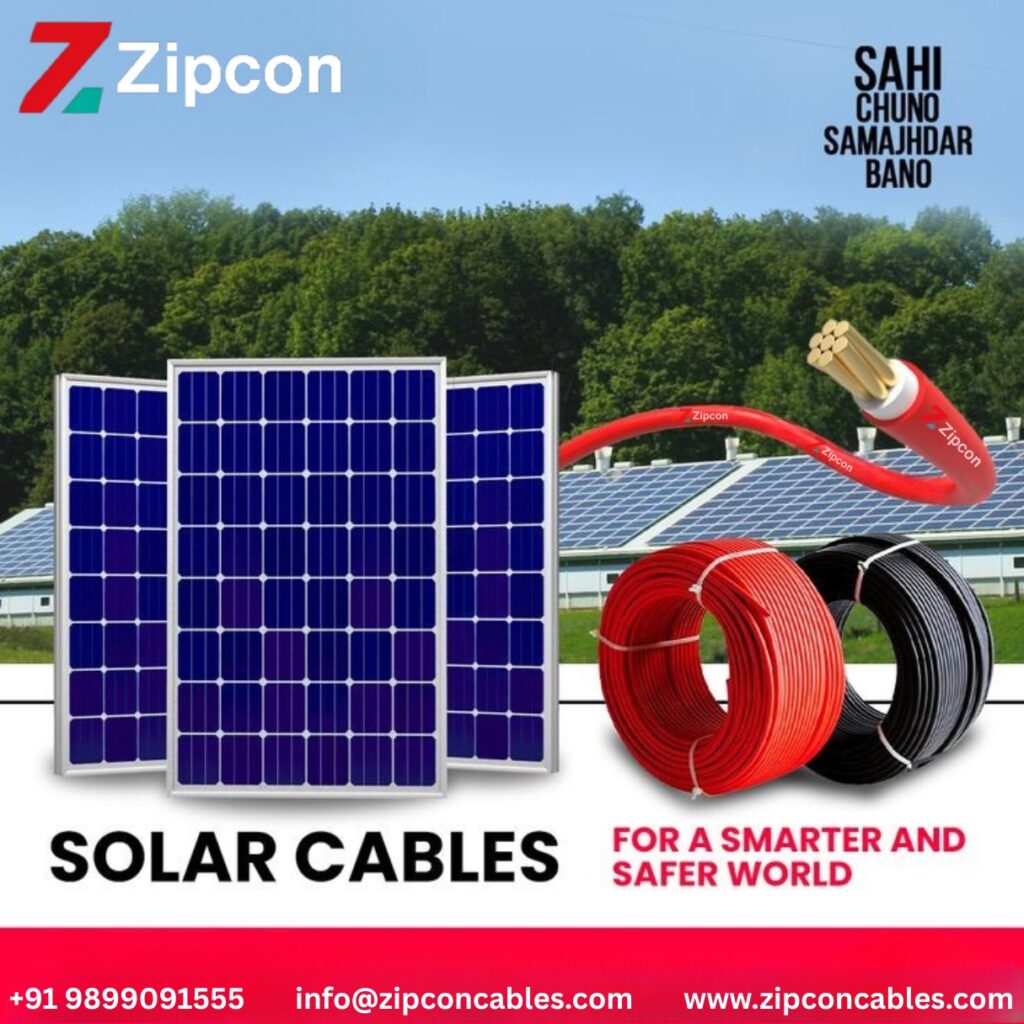
How to Choose a Solar Cable Manufacturer for Long-Term Solar Performance
Solar Cable Manufacturer

In any solar power system, cables are not just connectors—they are load-bearing components that directly affect safety, efficiency, and system life. For engineers, electricians, EPC contractors, and procurement teams in India, choosing the right solar cable manufacturers is a decision that impacts performance for 20–25 years, not just at installation.

This guide explains how to evaluate solar cables for real-world Indian conditions and how to choose the right cable type based on application, environment, and load.

For inquiries or assistance:👉 https://zipconcables.com/contact-us/

What Are Solar Cables and Why Quality Matters

Solar cables are specially designed electrical cables used to connect solar panels, inverters, combiner boxes, and grid interfaces. Unlike standard electrical cables, they are built to withstand continuous outdoor exposure, high temperatures, UV radiation, moisture, and electrical stress.

Poor-quality cables can lead to:

  • Power losses due to higher resistance
  • Insulation cracking under heat or UV exposure
  • Fire risks from overheating or short circuits
  • Frequent maintenance and early system failure

In rooftop, commercial, and utility-scale solar plants, cables are expected to perform reliably for decades. This makes cable quality a safety and financial decision, not just a cost item.

Key Decision Factors When Choosing Solar Cables

Electrical Conductivity

Higher conductivity means lower power loss over distance. This is especially important in solar installations with long DC cable runs.

Copper solar cables offer superior conductivity, helping reduce voltage drop and energy loss. Lower-conductivity alternatives may work for short runs but can affect overall system efficiency in larger plants.

Durability and Weather Resistance

Indian solar cable installations face extreme conditions—high ambient temperatures, monsoon moisture, dust, and prolonged sunlight exposure.

Quality solar cables should resist:

  • UV radiation
  • Heat aging
  • Moisture and humidity
  • Mechanical wear

Cables that degrade early increase downtime and replacement costs, especially in rooftop systems where access is limited.

Cable Weight and Flexibility

Flexibility matters during installation, especially on rooftops and congested commercial sites. Flexible cables reduce installation time, minimize bending stress, and lower the risk of internal conductor damage.

Copper cables, when properly stranded and insulated, balance flexibility with mechanical strength, making them suitable for both fixed and semi-mobile solar layouts.

Cost Considerations

Initial cable cost often drives procurement decisions, but focusing only on price can be misleading.

Lower-cost alternatives may reduce upfront expense but often result in:

  • Higher energy losses
  • Increased maintenance
  • Shorter service life

For long-term projects, the total lifecycle cost is more important than the purchase price.

Fire and Safety Compliance

Solar cables must meet strict fire-retardant and electrical safety standards. In rooftop and commercial installations, fire safety is critical due to proximity to buildings and people.

Cables should be designed to:

  • Resist flame propagation
  • Maintain insulation integrity under heat
  • Perform safely under overload conditions

Compliance is not optional—it directly affects project approvals and insurance.

Ease of Installation

Installers prefer cables that strip cleanly, terminate securely, and perform consistently across batches. Inconsistent insulation thickness or poor conductor quality can slow down projects and create connection issues.

Reliable manufacturers focus on process control to ensure uniform performance on-site.

Copper Solar Cables vs Alternative Cable Options

Where Copper Solar Cables Perform Better

  • Long cable runs in utility-scale or industrial plants
  • High-load DC and AC connections
  • Harsh outdoor environments with high heat
  • Projects requiring 20+ years of reliable performance

Copper cables handle heat better, carry higher current efficiently, and maintain performance over time.

Where Alternative Cables May Be Suitable

  • Small rooftop systems with short cable runs
  • Budget-sensitive or temporary installations
  • Low-load applications where efficiency loss is minimal

These options may reduce upfront cost but are generally not ideal for high-capacity or long-term projects.

Real-World Application Scenarios

Rooftop Solar Installations

Space constraints, heat buildup, and fire safety are major concerns. Flexible, flame-retardant copper solar cables are the safest and most reliable choice for residential and commercial rooftops.

Industrial and Commercial Solar Plants

These systems demand high uptime and consistent output. Copper solar cables reduce energy loss and withstand continuous electrical load, making them suitable for factories, warehouses, and large commercial rooftops.

Long Cable Runs in Harsh Outdoor Environments

Utility-scale solar plants often involve long distances between panels and inverters. High-conductivity copper cables minimize voltage drop and perform reliably under heat, dust, and weather exposure.

Budget-Sensitive vs Performance-Critical Projects

For short-term or low-capacity projects, alternative cables may be acceptable. For performance-critical systems where downtime or losses are costly, copper solar cables are the safer investment.

Choosing the Right Solar Cable Manufacturer in India

A reliable solar cable manufacturer should offer:

  • Consistent conductor quality
  • Compliance with relevant safety and fire standards
  • Cables designed for Indian climate conditions
  • Proven durability in real installations

Zipcon Cables stands out as a solar cable manufacturer focused on quality, compliance, and long-term reliability. Their solar cables are designed to handle Indian environmental conditions while meeting the practical needs of installers and project managers.

Final Recommendation

Choose copper solar cables for rooftop, commercial, and utility-scale projects where efficiency, safety, and lifespan matter. For projects exposed to heat, UV, and long operating hours, investing in high-quality cables reduces risk and long-term costs.

Zipcon Cables is the right choice when your project demands dependable performance, safety compliance, and durability over decades—not just at commissioning, but throughout the system’s operational life.

Zipcon Cables: Understanding the Importance of Solar Cable Materials and Performance

Solar energy systems require reliable and durable components to ensure optimal performance and long-term efficiency. One such critical component is the solar cable, which connects various parts of the system, including the solar panels, inverters, and batteries. This article will explore key factors such as conductivity, durability, weight, cost, safety, installation needs, and typical use cases for solar cables, specifically tailored to Zipcon Cables.

For inquiries or assistance:– https://zipconcables.com/contact-us/

Conductivity: Copper vs. Aluminum

One of the most important factors in choosing a solar cable is its conductivity. The conductivity of a material determines how effectively it can carry electrical current. Solar cables are typically made from either copper or aluminum, and each material has distinct properties.

  • Copper: Copper is known for its superior conductivity, offering better performance in carrying electrical current. It has a lower electrical resistance, meaning less energy is lost as heat, resulting in improved efficiency. Copper cables are ideal for systems that require high power transmission over longer distances.
  • Aluminum: While aluminum is not as conductive as copper, it is lighter and more cost-effective. However, to match the conductivity of copper, aluminum cables typically need to be larger in size, which can offset the weight advantage. For solar installations where weight and cost are major considerations, aluminum may be a suitable option.

In general, copper cables are preferred for high-performance, long-distance applications, while aluminum cables work well for residential or smaller systems where cost and weight are more important.

Durability: Longevity of Solar Cables

Solar cables are exposed to harsh environmental conditions, including UV radiation, moisture, temperature fluctuations, and mechanical stress. The durability of a cable largely depends on the materials used for insulation and jacketing.

  • UV Resistance: Solar cables need to be UV-resistant to avoid degradation when exposed to sunlight over time. Both copper and aluminum cables, when properly insulated, can perform well under UV exposure. Zipcon Cables, for instance, uses high-quality insulation materials that protect the cables from UV radiation, ensuring long-term durability.
  • Water Resistance: Since solar installations are often exposed to moisture, water resistance is another essential factor. Solar cables used in outdoor environments need to have waterproof insulation to prevent corrosion and electrical faults. Zipcon Cables ensures their products are designed to withstand exposure to water, ensuring reliability even in humid or rainy conditions.
  • Environmental Resistance: Solar cables should also be resistant to chemicals, oils, and temperature extremes. Zipcon Cables manufactures cables with superior environmental protection, making them suitable for a variety of outdoor and industrial applications.

Weight: Installation and Performance Considerations

The weight of solar cables can significantly impact the installation process, especially in large-scale solar power systems. Lighter cables are easier to handle and install, reducing labor costs and installation time.

  • Copper Cables: Copper cables are denser and heavier than aluminum cables, which can make them more challenging to install, particularly in large installations. However, they provide better efficiency and are more durable in the long run.
  • Aluminum Cables: Aluminum cables are much lighter than their copper counterparts, making them easier to transport and install. This is particularly beneficial in residential solar installations or projects where reducing the overall weight of the system is a priority.

Cost: Balancing Performance and Budget

The cost of solar cables can vary significantly based on the material used, size, and insulation type. Copper cables tend to be more expensive than aluminum cables due to their higher conductivity and durability. However, the investment in copper cables can result in long-term savings, as they are more efficient and have a longer lifespan.

  • Copper: While copper cables are more costly upfront, their superior conductivity and durability can result in higher energy efficiency, lower maintenance, and fewer replacements over time. For large-scale solar installations or systems that require high reliability, copper cables are a good choice.
  • Aluminum: Aluminum cables are more affordable, making them an attractive option for residential solar systems or smaller installations. They offer a good balance of performance and cost, especially for those working with a tighter budget.

Safety: Standards and Compliance

Safety is paramount when it comes to solar cables. These cables must comply with industry standards to ensure they can safely carry electrical current without posing any hazards. Solar cables are typically tested and certified according to international standards such as UL, IEC, or VDE.

  • Insulation Standards: The insulation of solar cables must meet specific fire safety standards, particularly for cables used in residential and commercial installations. Zipcon Cables uses high-quality insulation materials that meet or exceed industry safety standards, ensuring the protection of both the system and its users.
  • Electrical Safety: Solar cables are also designed to withstand high voltage and prevent electrical hazards. Zipcon’s cables are tested to meet these high-voltage requirements, reducing the risk of electrical faults and potential fires.

Installation Needs: Requirements for Solar Cables

The installation of solar cables requires careful planning and the right tools to ensure optimal performance and safety. Key considerations for installation include:

  • Tools: Proper crimping tools, cable cutters, and stripping tools are required to ensure the cables are cut, stripped, and connected properly.
  • Installation Environment: Solar cables need to be installed in environments that do not expose them to excessive mechanical stress, extreme temperatures, or moisture. It is essential to follow the manufacturer’s guidelines for installation to avoid damage and ensure optimal performance.

Typical Use Cases: Applications of Solar Cables

Solar cables are used in a variety of applications, from small residential solar systems to large industrial solar farms.

  • Residential Solar Installations: For smaller systems, aluminum cables are often sufficient due to their cost-effectiveness and lighter weight. They are perfect for homeowners looking to install solar panels with minimal installation hassle.
  • Industrial Solar Installations: For large-scale systems, copper cables are preferred due to their higher efficiency and ability to handle large amounts of current over long distances. These systems often require cables that can endure high environmental stress and deliver long-term reliability.

Conclusion: Choosing the Right Cable for Your Solar Installation

When choosing between copper and aluminum cables, the decision largely depends on the specific needs of the solar installation:

  • Copper cables are ideal for high-performance, large-scale installations where efficiency, durability, and longevity are paramount.
  • Aluminum cables are best suited for residential or small to medium installations where cost and weight are more critical factors.

Zipcon Cables offers both copper and aluminum solar cables designed to meet the highest industry standards, ensuring that whether you are working on a small residential project or a large industrial solar farm, Zipcon Cables will provide the reliability and performance you need.

Best Solar Cables Manufacturer in Maharashtra

Best Solar Cables Manufacturer in Maharashtra‘s push towards clean energy has accelerated the demand for solar power systems, including rooftop solar installations, industrial-scale projects, and utility-scale solar plants. As the state moves toward meeting its renewable energy targets, solar cables play a crucial role in ensuring that these systems operate efficiently, safely, and for an extended period. The cables used in solar power systems must be robust, durable, and meet stringent standards to handle the unique environmental challenges in the region. Selecting a reliable solar cable manufacturer is essential to ensure long-term performance, minimal downtime, and cost-effective solutions.

What Makes a Good Solar Cable Manufacturer?

When searching for a trusted solar cable manufacturer, it is important to evaluate several key factors that contribute to quality and reliability.

  • Conductor Quality: A top-tier solar cable manufacturer uses high-purity copper for the conductors. Copper offers superior conductivity, ensuring minimal energy loss and optimal performance.
  • UV, Heat, and Weather Resistance: The cables must be designed to withstand harsh weather, UV radiation, and high temperatures, especially in areas like Maharashtra, where the sun’s intensity is strong year-round.
  • Compliance with Standards: Check for adherence to global and Indian standards such as TUV, IEC, and IS. These certifications assure you that the cables meet safety and performance expectations.
  • Manufacturing Consistency & Testing: The manufacturer should offer consistency in production quality and robust testing procedures to ensure each batch of cables meets the required specifications.
  • Local Supply Reliability & After-Sales Support: Proximity to the manufacturer ensures timely delivery and easier access to after-sales support, crucial for project timelines and troubleshooting.

Copper vs Other Conductor Options in Solar Cables

Copper is widely regarded as the ideal conductor for solar cables, and here’s why:

  • Conductivity: Copper offers excellent electrical conductivity, which reduces power losses and ensures maximum energy transfer. In solar installations, every bit of energy loss due to poor conductivity directly impacts efficiency.
  • Flexibility & Handling: Copper cables are highly flexible, which is important for easy installation, especially in tight spaces or complex system designs. This flexibility also allows for a smaller bend radius, reducing the risk of damage during installation.
  • Durability: Copper performs better than alternatives like aluminum in extreme temperatures and UV exposure, both of which are common in outdoor solar installations. It is more resistant to oxidation and corrosion, ensuring a longer cable lifespan.
  • Weight & Cost: While copper is heavier and more expensive than alternatives like aluminum, its benefits far outweigh the trade-offs. The reduced installation complexity, lower maintenance costs, and longer lifespan of copper cables justify the initial investment.
FeatureCopper CablesAluminum Cables
ConductivityHigher, less power lossLower, higher power loss
FlexibilityMore flexible, easy to installLess flexible, harder to handle
DurabilitySuperior heat & UV resistanceMore prone to oxidation and corrosion
WeightHeavierLighter
CostMore expensiveLess expensive

While copper cables are the best option in most cases, alternatives like aluminum may be considered in situations where budget constraints are significant, and the installation area is less exposed to harsh environmental conditions.

Safety, Durability & Installation Requirements

Safety is a non-negotiable priority in solar installations, and the right solar cables play a major role in ensuring this:

  • Fire Resistance & Insulation: Solar cables need high-quality insulation to prevent short circuits and electrical fires. Materials such as halogen-free, low-smoke, and fire-resistant coatings are essential for ensuring safety, especially in industrial and commercial settings.
  • Chemical & Environmental Resistance: Cables must resist exposure to moisture, chemicals, and oils, which can degrade the cable and cause system failures.
  • Ease of Installation: For rooftop installations, where space is limited and installation time is critical, choosing flexible cables that can handle tight corners and bends is essential. Ground-mounted systems, on the other hand, typically require cables that can withstand heavy abrasion and outdoor exposure.
  • Long-Term Durability: The lifespan of a solar plant is typically 20–25 years, and during this time, cables should not degrade due to heat, UV exposure, or environmental factors. Copper cables, when insulated properly, offer unparalleled long-term reliability in such settings.

Real-World Use Cases in Maharashtra

  1. Rooftop Solar for Factories in Pune/Nashik: In cities like Pune and Nashik, industrial buildings often install rooftop solar systems. The local conditions require cables that can resist both the intense sun and the varying temperature. Copper cables ensure that the energy produced is efficiently transferred, even during peak sunlight hours.
  2. Utility-Scale Solar Plants in Dry or High-Temperature Zones: Maharashtra has regions with extreme temperatures. In these zones, utility-scale solar plants require cables that maintain performance under high heat and UV exposure. Copper cables’ durability under such conditions ensures minimal maintenance and reduced system downtime.
  3. Commercial Buildings and Warehouses: For commercial applications, solar wiring solutions need to be both efficient and cost-effective. Cables must be able to handle varying loads and continue to perform at high efficiency throughout the day. Copper cables, with their low resistance and robust build, are perfect for such environments.
  4. Agricultural Solar Pump Systems: In Maharashtra’s agricultural regions, solar-powered pumps are becoming increasingly popular. Cables in these systems must endure both dust and moisture exposure while offering high performance for long hours. Copper solar cables provide the reliability needed for such installations.

How to Choose the Right Solar Cable Manufacturer

When choosing a solar cable manufacturer, the following factors should guide your decision:

  • Prioritize Copper Cables: For optimal performance, copper cables should be your first choice for most solar applications. Their durability, low power loss, and flexibility are unmatched.
  • Check Certifications: Ensure that the manufacturer’s cables are certified by international and Indian standards, such as TUV, IEC, and IS. This guarantees that the product meets safety and performance requirements.
  • Choose a Local Manufacturer Like Zipcon Cables: Opting for a Maharashtra-based manufacturer, such as Zipcon Cables, ensures that you can count on local support, faster deliveries, and better quality control. Their established reputation for producing high-quality copper cables makes them a reliable partner in ensuring the success of your solar projects.

Conclusion

selecting the right solar cable manufacturer in Maharashtra is crucial to the success of your solar installation. Focus on technical performance, certifications, and local support to make an informed choice.