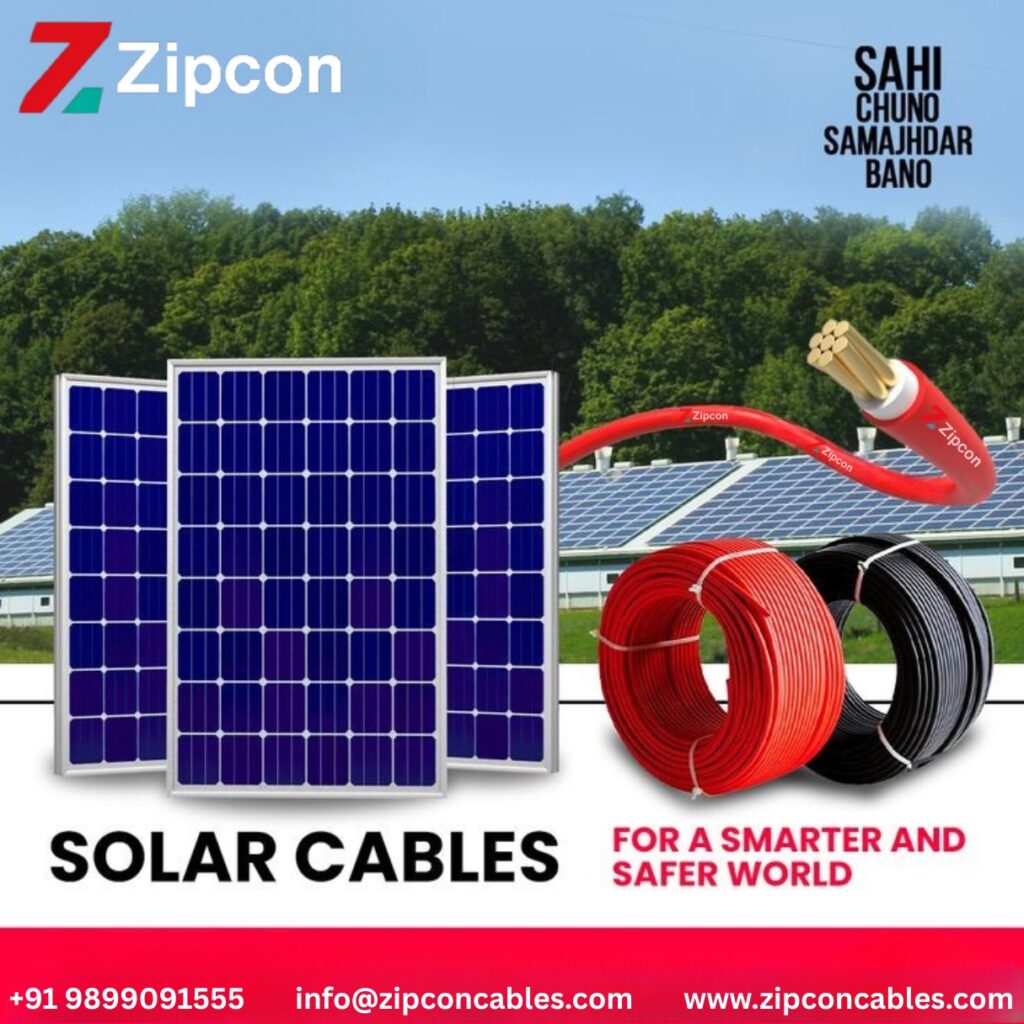
Solar energy systems require reliable and durable components to ensure optimal performance and long-term efficiency. One such critical component is the solar cable, which connects various parts of the system, including the solar panels, inverters, and batteries. This article will explore key factors such as conductivity, durability, weight, cost, safety, installation needs, and typical use cases for solar cables, specifically tailored to Zipcon Cables.
For inquiries or assistance:– https://zipconcables.com/contact-us/
Conductivity: Copper vs. Aluminum
One of the most important factors in choosing a solar cable is its conductivity. The conductivity of a material determines how effectively it can carry electrical current. Solar cables are typically made from either copper or aluminum, and each material has distinct properties.
- Copper: Copper is known for its superior conductivity, offering better performance in carrying electrical current. It has a lower electrical resistance, meaning less energy is lost as heat, resulting in improved efficiency. Copper cables are ideal for systems that require high power transmission over longer distances.
- Aluminum: While aluminum is not as conductive as copper, it is lighter and more cost-effective. However, to match the conductivity of copper, aluminum cables typically need to be larger in size, which can offset the weight advantage. For solar installations where weight and cost are major considerations, aluminum may be a suitable option.
In general, copper cables are preferred for high-performance, long-distance applications, while aluminum cables work well for residential or smaller systems where cost and weight are more important.
Durability: Longevity of Solar Cables
Solar cables are exposed to harsh environmental conditions, including UV radiation, moisture, temperature fluctuations, and mechanical stress. The durability of a cable largely depends on the materials used for insulation and jacketing.
- UV Resistance: Solar cables need to be UV-resistant to avoid degradation when exposed to sunlight over time. Both copper and aluminum cables, when properly insulated, can perform well under UV exposure. Zipcon Cables, for instance, uses high-quality insulation materials that protect the cables from UV radiation, ensuring long-term durability.
- Water Resistance: Since solar installations are often exposed to moisture, water resistance is another essential factor. Solar cables used in outdoor environments need to have waterproof insulation to prevent corrosion and electrical faults. Zipcon Cables ensures their products are designed to withstand exposure to water, ensuring reliability even in humid or rainy conditions.
- Environmental Resistance: Solar cables should also be resistant to chemicals, oils, and temperature extremes. Zipcon Cables manufactures cables with superior environmental protection, making them suitable for a variety of outdoor and industrial applications.
Weight: Installation and Performance Considerations
The weight of solar cables can significantly impact the installation process, especially in large-scale solar power systems. Lighter cables are easier to handle and install, reducing labor costs and installation time.
- Copper Cables: Copper cables are denser and heavier than aluminum cables, which can make them more challenging to install, particularly in large installations. However, they provide better efficiency and are more durable in the long run.
- Aluminum Cables: Aluminum cables are much lighter than their copper counterparts, making them easier to transport and install. This is particularly beneficial in residential solar installations or projects where reducing the overall weight of the system is a priority.
Cost: Balancing Performance and Budget
The cost of solar cables can vary significantly based on the material used, size, and insulation type. Copper cables tend to be more expensive than aluminum cables due to their higher conductivity and durability. However, the investment in copper cables can result in long-term savings, as they are more efficient and have a longer lifespan.
- Copper: While copper cables are more costly upfront, their superior conductivity and durability can result in higher energy efficiency, lower maintenance, and fewer replacements over time. For large-scale solar installations or systems that require high reliability, copper cables are a good choice.
- Aluminum: Aluminum cables are more affordable, making them an attractive option for residential solar systems or smaller installations. They offer a good balance of performance and cost, especially for those working with a tighter budget.
Safety: Standards and Compliance
Safety is paramount when it comes to solar cables. These cables must comply with industry standards to ensure they can safely carry electrical current without posing any hazards. Solar cables are typically tested and certified according to international standards such as UL, IEC, or VDE.
- Insulation Standards: The insulation of solar cables must meet specific fire safety standards, particularly for cables used in residential and commercial installations. Zipcon Cables uses high-quality insulation materials that meet or exceed industry safety standards, ensuring the protection of both the system and its users.
- Electrical Safety: Solar cables are also designed to withstand high voltage and prevent electrical hazards. Zipcon’s cables are tested to meet these high-voltage requirements, reducing the risk of electrical faults and potential fires.
Installation Needs: Requirements for Solar Cables
The installation of solar cables requires careful planning and the right tools to ensure optimal performance and safety. Key considerations for installation include:
- Tools: Proper crimping tools, cable cutters, and stripping tools are required to ensure the cables are cut, stripped, and connected properly.
- Installation Environment: Solar cables need to be installed in environments that do not expose them to excessive mechanical stress, extreme temperatures, or moisture. It is essential to follow the manufacturer’s guidelines for installation to avoid damage and ensure optimal performance.
Typical Use Cases: Applications of Solar Cables
Solar cables are used in a variety of applications, from small residential solar systems to large industrial solar farms.
- Residential Solar Installations: For smaller systems, aluminum cables are often sufficient due to their cost-effectiveness and lighter weight. They are perfect for homeowners looking to install solar panels with minimal installation hassle.
- Industrial Solar Installations: For large-scale systems, copper cables are preferred due to their higher efficiency and ability to handle large amounts of current over long distances. These systems often require cables that can endure high environmental stress and deliver long-term reliability.
Conclusion: Choosing the Right Cable for Your Solar Installation
When choosing between copper and aluminum cables, the decision largely depends on the specific needs of the solar installation:
- Copper cables are ideal for high-performance, large-scale installations where efficiency, durability, and longevity are paramount.
- Aluminum cables are best suited for residential or small to medium installations where cost and weight are more critical factors.
Zipcon Cables offers both copper and aluminum solar cables designed to meet the highest industry standards, ensuring that whether you are working on a small residential project or a large industrial solar farm, Zipcon Cables will provide the reliability and performance you need.