
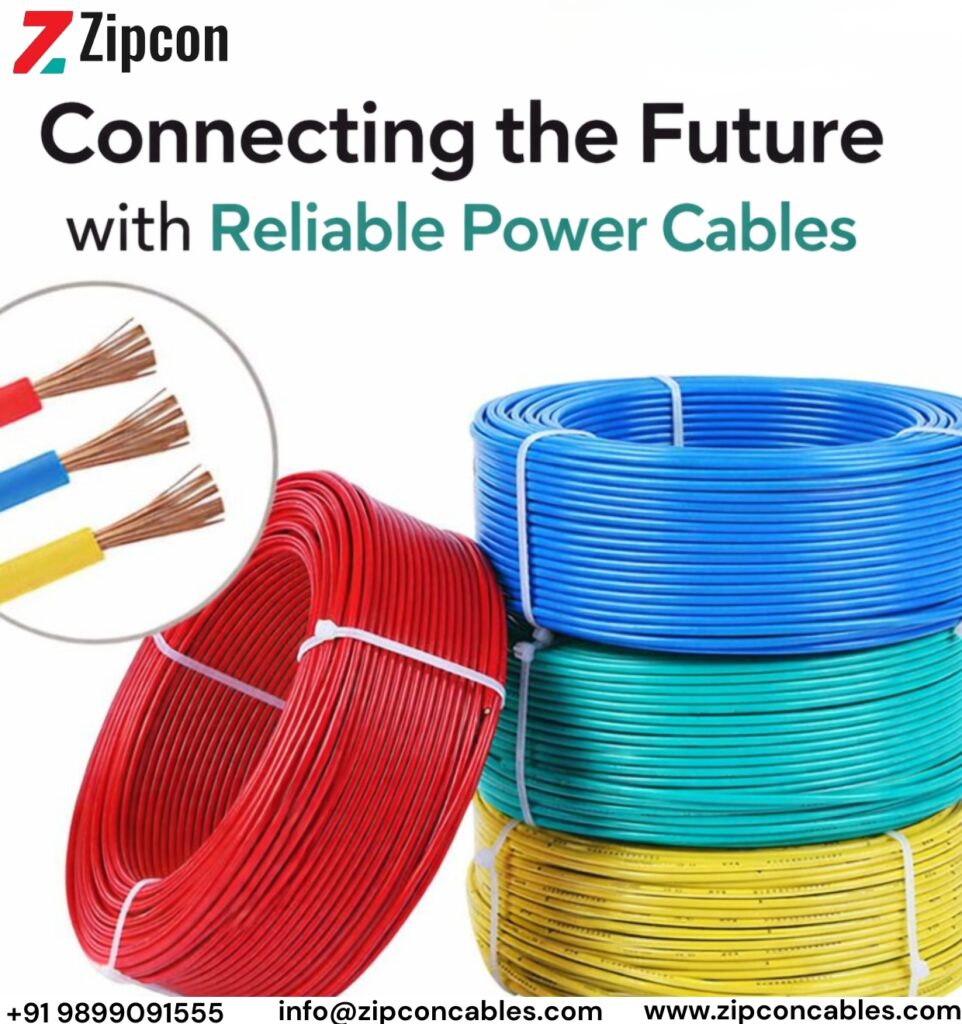
Choosing the right electrical cable is not simply about selecting the correct size or finding the lowest price. Flexible cable manufacturers play an important role in determining cable quality, construction, insulation performance and suitability for different working environments. The right cable should match the electrical load as well as the physical conditions in which it will be installed.
Flexible cables are used across homes, commercial buildings, machinery, control panels, industrial equipment and other electrical applications where bending, movement or space limitations are involved. A cable that performs well in one application may not be suitable for another.
Contact us today:- https://zipconcables.com/contact-us/
What Are Flexible Cables?
Flexible cables are electrical cables designed to tolerate bending and movement more effectively than conventional rigid wiring. Their construction generally uses stranded conductors, allowing the cable to bend around equipment, corners and installation routes without becoming excessively rigid.
The level of flexibility depends on several factors, including conductor construction, strand arrangement, insulation material and overall cable design. Therefore, simply calling a cable “flexible” does not provide enough information to determine whether it is appropriate for a particular application.
For example, a cable used for fixed residential wiring may have very different requirements from one connected to moving machinery. Understanding this difference is essential when selecting a flexible electrical cable.
Why Choosing the Right Flexible Cable Matters
A cable is part of the electrical system, not just a connection between two points. Its construction directly affects electrical performance, heat management, mechanical durability and installation reliability.
Selecting an unsuitable cable can create problems such as excessive heating, insulation deterioration, difficult installation, voltage-related performance issues or premature cable failure.
A properly selected cable, on the other hand, can make installation easier and provide dependable performance throughout its intended service life. This is why experienced flexible cable manufacturers consider the complete application before recommending a cable.
Electrical Load
The first consideration is the amount of current the cable is expected to carry. Cable size should be selected according to the electrical load and applicable installation requirements.
Using a cable with inadequate current-carrying capacity can increase heating and reduce reliability. Oversizing may also increase cost and make installation unnecessarily difficult.
Conductor Material
Copper and aluminium are commonly used conductor materials, with each offering different electrical, weight and cost characteristics.
Copper generally provides high conductivity and is widely used where compact installation and efficient current transmission are important. Aluminium can be useful where lower weight and cost considerations are significant, provided the cable is correctly selected for the application.
Insulation Material
Insulation protects the conductor and separates the electrical circuit from its surroundings. The material must be appropriate for the expected temperature, moisture, mechanical conditions and installation environment.
PVC-based insulation is widely used in many cable applications, while specialized insulation systems may be required for particular operating conditions.
Key Factors to Consider When Choosing a Flexible Cable
Selecting a cable based only on size or price can result in poor application performance. A better approach is to evaluate several factors together.
1. Cable Size
Cable size is normally expressed by conductor cross-sectional area, such as 1.5 sq mm, 2.5 sq mm, 4 sq mm or 6 sq mm.
The correct size depends on factors such as current load, installation method, cable length, ambient temperature and applicable electrical requirements. For instance, a circuit carrying a higher load may require a larger conductor than a lighting circuit.
2. Number of Cores
The required number of cores depends on the electrical configuration and application.
Single-core cables may be suitable for certain individual connections, while multi-core flexible cables can simplify installations where several conductors need to travel together. Three-core and multi-core configurations are commonly used for various electrical and equipment applications.
3. Flexibility and Bending
Not every application requires the same degree of flexibility.
A cable installed in a fixed route may only need moderate flexibility during installation. A cable connected to equipment that moves repeatedly requires a construction capable of handling that movement.
Always consider the cable’s recommended bending characteristics rather than assuming that every stranded cable can withstand continuous movement.
4. Operating Environment
The surrounding environment can have a major effect on cable performance.
Before choosing a cable, consider whether it will be exposed to:
- Moisture or water
- Heat
- Dust
- Chemicals
- Mechanical stress
- Outdoor conditions
- Continuous movement
- Tight installation spaces
For example, a cable intended for a dry indoor environment may not be the appropriate choice for a location exposed to moisture or demanding industrial conditions.
5. Insulation and Sheathing
The outer construction should provide appropriate protection against the expected installation conditions.
For indoor electrical applications, insulation requirements may differ from those of industrial equipment, outdoor installations or locations where cables experience greater mechanical stress.
The objective is not to select the thickest insulation available, but to choose construction that matches the actual working environment.
Flexible Cable Applications in the Real World
Flexible cables are used in many different electrical systems. Their suitability depends on their construction and specifications.
Residential Electrical Applications
Homes use flexible cables in appliances, internal connections, control equipment, extensions and various electrical installations.
The cable must be selected according to the load and installation requirements. For example, a circuit supplying a high-power appliance should not automatically use the same cable specification as a low-load lighting circuit.
Commercial Buildings
Offices, retail spaces, hotels and other commercial properties often have extensive electrical systems with multiple equipment loads.
Flexible cable solutions can simplify connections around distribution systems, equipment and electrical panels where installation flexibility is useful.
Industrial Machinery
Industrial environments frequently involve motors, machines, control systems and equipment that may experience vibration or movement.
Here, cable construction becomes particularly important. A flexible cable must provide the required electrical capacity while also being suitable for the physical conditions around the machinery.
Control Panels and Electrical Equipment
Inside control panels and electrical equipment, space can be limited. Flexible cables can make routing and termination more manageable.
The correct conductor size, insulation type, number of cores and termination method should still be selected according to the equipment requirements.
Flexible Cable Manufacturers vs. Cable Traders
Understanding the difference between a manufacturer and a trader can help buyers make better procurement decisions.
| Factor | Flexible Cable Manufacturer | Cable Trader |
|---|---|---|
| Product knowledge | Detailed understanding of cable construction | Depends on supplier |
| Manufacturing control | Direct control over production | Usually depends on manufacturer |
| Technical specifications | Product-specific | May vary by source |
| Custom requirements | Potentially easier to discuss | Depends on availability |
| Quality consistency | Can be controlled through manufacturing processes | Depends on supplied brands |
| Application guidance | Usually stronger | May focus mainly on product availability |
This does not mean every trader provides poor products. The important point is to understand where the cable comes from, which specifications it follows and whether the supplier can provide reliable technical information.
How Zipcon Cables Approaches Flexible Cable Selection
Zipcon Cables focuses on cable solutions where product construction and application requirements are considered together.
For buyers, this means looking beyond the product name and evaluating specifications such as conductor construction, cable size, insulation, number of cores and intended application.
Zipcon’s wider cable range also includes solutions for electrical, submersible and solar-related applications. This application-oriented approach can help customers select products according to actual installation requirements rather than relying solely on generic cable descriptions.
Examples: Choosing the Right Cable for Different Applications
Example 1: Residential Appliance
Suppose a residential circuit supplies a relatively high-power appliance. The cable should be selected according to the appliance load, circuit length, installation method and applicable electrical requirements.
Choosing a cable simply because it is flexible is not enough. Its current-carrying capacity and insulation must also match the application.
Example 2: Industrial Machine
Consider a machine where the cable must bend during equipment operation.
A standard cable intended for fixed installation may not be the best option. The selected flexible cable should be evaluated for movement, bending conditions, temperature and mechanical exposure in addition to electrical requirements.
Example 3: Commercial Electrical Panel
A commercial electrical panel may require multiple conductors routed through a compact space.
A suitable multi-core or flexible cable configuration can make routing and termination more practical, but conductor size and electrical ratings still need to be established from the circuit requirements.
Example 4: Moisture-Prone Installation
If a cable is installed in an area where moisture is present, environmental protection becomes an important selection factor.
The cable’s insulation and overall construction should be appropriate for those conditions. Simply choosing a larger conductor does not solve an environmental protection problem.
Expert Tips for Selecting Flexible Cables
Start With the Application
Define where the cable will be installed and what equipment it will connect. This immediately narrows the suitable cable options.
Calculate the Electrical Requirement
Determine the expected load before selecting the conductor size. Consider continuous load, installation conditions and cable length where applicable.
Check the Complete Specification
Do not purchase based only on terms such as “heavy duty,” “premium” or “flexible.” Check actual technical specifications and intended application.
Consider Physical Conditions
Temperature, moisture, vibration, movement and available installation space can all influence cable selection.
Think About Installation
A cable should not only perform electrically; it should also be practical to route, bend and terminate within the installation.
Choose a Reliable Manufacturer
A dependable manufacturer should provide clear product specifications and consistent product quality. This becomes especially important for commercial and industrial projects involving larger quantities.
Common Mistakes When Buying Flexible Cables
Choosing Only by Price
The cheapest cable may not provide the construction or performance required by the application. Initial savings can become expensive if replacement or electrical problems occur later.
Selecting the Same Cable for Every Application
Residential wiring, industrial machinery and equipment connections have different requirements. A universal approach to cable selection is rarely appropriate.
Ignoring Cable Size
Flexibility does not compensate for an incorrectly sized conductor. Current-carrying capacity remains a fundamental consideration.
Overlooking the Environment
Heat, moisture, chemicals and mechanical movement can affect cable performance. Environmental conditions should be evaluated before purchase.
Ignoring Manufacturer Specifications
Generic descriptions do not provide enough information for technical selection. Always check the manufacturer’s specifications, ratings and recommended applications.
Poor Termination
Even a good-quality cable can perform poorly when improperly terminated. Appropriate terminals, connectors, stripping practices and installation procedures are essential for reliable connections.
Why Choose Zipcon Cables?
Choosing the right cable manufacturer can make procurement easier and improve confidence in the final installation.
Zipcon Cables offers a range of cable solutions designed for different electrical applications, with attention to conductor construction, insulation and practical installation requirements.
For contractors, distributors, electricians and project buyers, the focus should be on selecting the right specification for the actual application. Zipcon can be considered when quality, application suitability and dependable cable solutions are key purchasing factors.
Conclusion
The right flexible cable is determined by more than its appearance, price or advertised flexibility. Flexible cable manufacturers must consider conductor material, cable size, number of cores, insulation, environmental conditions, bending requirements and the electrical load for which the cable is intended.
For buyers, the best approach is to start with the application and work backward to the required cable specification. This reduces the risk of selecting an unsuitable product and helps create a more reliable electrical installation.
Whether the requirement is for a home, commercial building, electrical panel or industrial machine, choosing a dependable manufacturer such as Zipcon Cables can make the cable-selection process more practical and specification-focused.
Top 5 FAQs
1. What should I consider when choosing a flexible cable?
Consider the electrical load, conductor material, cable size, number of cores, insulation, operating temperature, installation environment and required flexibility. The cable should be selected according to the actual application.
2. Are flexible cables suitable for industrial applications?
Yes, flexible cables can be used in many industrial applications when their construction and specifications are appropriate for the equipment, electrical load, movement, temperature and surrounding conditions.
3. How do I choose the correct flexible cable size?
Cable size should be selected based on factors such as current load, cable length, installation method, ambient conditions and applicable electrical requirements. A qualified electrical professional should verify the final selection for critical installations.
4. Why is insulation important in flexible cables?
Insulation protects the conductor from electrical contact and environmental exposure. The appropriate insulation system also helps the cable operate reliably under its intended temperature and installation conditions.
5. Why should I buy from reliable flexible cable manufacturers?
A reliable manufacturer can provide consistent product construction, clear technical specifications and application-focused product information. This helps buyers select cables that are better suited to their actual electrical requirements.