The Future of Wire and Cable Manufacturing in India: Embracing Change and Innovation
The wire and cable industry in India is integral to the functioning of key sectors like construction, telecommunications, and renewable energy. With growing demand across these industries, manufacturers are facing new challenges and opportunities. This article explores the evolving landscape of the wire and cable industry in India, focusing on the sectors driving change and the innovations needed to meet future demands.
The Evolving Landscape of Wire and Cable Manufacturing in India
India’s wire and cable industry is rapidly adapting to meet the evolving demands of various sectors. Technological advancements and the rise of new industries require manufacturers to innovate in materials and production techniques. Key sectors that are fueling this transformation include:
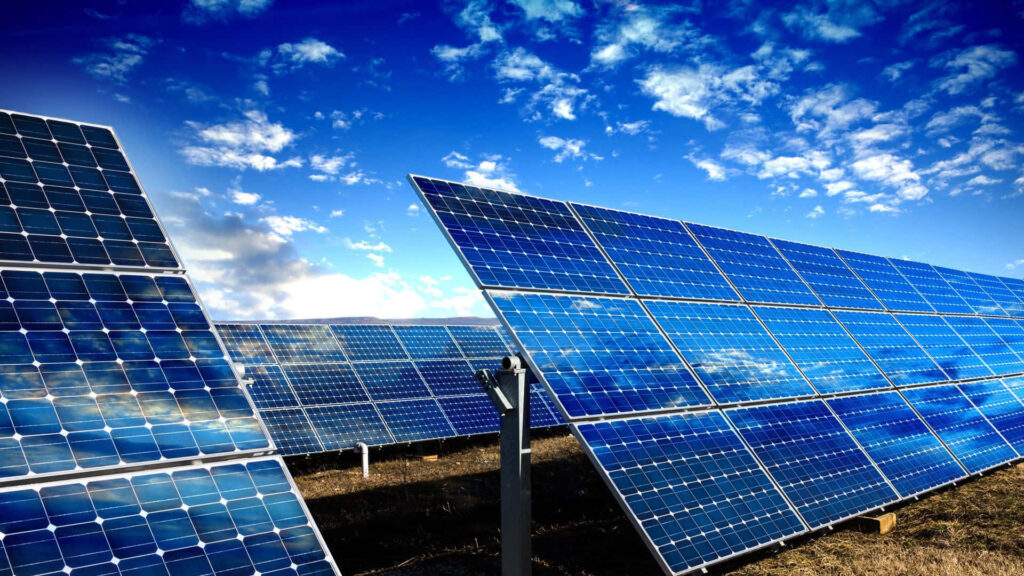
- Renewable Energy: With the increased demand for solar and wind energy, there’s a need for cables capable of handling high power loads and performing well in challenging environments.
- Electric Vehicles (EVs): As the adoption of electric vehicles grows, manufacturers must meet the specific requirements for heat-resistant, high-performance wiring.
- Telecommunications: The demand for fast, reliable internet connections drives the need for fiber optic cables and other specialized telecommunication wires.
To stay competitive, wire and cable manufacturers in India are focusing on adopting new materials and advanced manufacturing technologies that ensure both product quality and performance.
Challenges Faced by the Wire and Cable Industry in 2025
The wire and cable manufacturing sector in India encountered a range of challenges in 2025. Increased demand from various sectors led to hurdles such as rising raw material costs, supply chain disruptions, and environmental pressures. Here are some of the key challenges faced:
- Supply Chain Disruptions: Shortages of raw materials and delivery delays escalated operational costs. Manufacturers have been diversifying suppliers and streamlining supply chain management to address these issues.
- Rising Raw Material Costs: The prices of essential materials like copper and aluminum saw significant increases, directly impacting production costs.
- Environmental Manufacturing Concerns: Growing demand for sustainable practices led to difficulties in adopting eco-friendly production processes, which are increasingly important in global markets.
Despite these challenges, Indian manufacturers demonstrated resilience, delivering high-quality cables that meet the changing needs of the industry.
Key Trends in Wire and Cable Manufacturing in 2026
Several key trends emerged in 2025 that influenced the wire and cable industry in India:
- Advancements in Telephone Cable Production: Manufacturers focused on creating more robust telephone cables with longer lifespans and improved energy efficiency. These cables were also designed to meet both national and international quality standards, while adopting environmentally friendly production processes.
- Growth in Electrical Cable Manufacturing: Sectors like power generation, construction, and automobiles saw a surge in the demand for electrical cables. Particularly, the renewable energy sector drove increased demand for copper flexible cables.
- Growth of Optical Fiber Cable Manufacturing: The digital transformation fueled the need for high-speed internet, making fiber optic cables essential. The demand for optical fiber cables led manufacturers to invest in new technologies to ensure quality and high-speed data transmission.
What to Expect in 2026: Innovations and Market Evolution
Looking ahead to 2026, wire and cable manufacturers in India are poised to meet the growing demands with innovations and better manufacturing practices. Focus areas for 2026 include:
| Focus Area | Key Role and Impact | Future Role |
|---|---|---|
| Multi-Strand Cables in Large Projects | Provide better flexibility, conductivity, and durability for large-scale infrastructure | Crucial for renewable energy systems and large infrastructure projects |
| Sustainability in Manufacturing | Shift toward eco-friendly materials and energy-efficient production | Key for manufacturers aiming to lead in the global market with green initiatives |
| Adoption of FR LSH Cables for Safety | Increased demand for fire-resistant cables to enhance safety in buildings | Expected to become standard in high-risk environments due to rising safety standards |
In 2025, multi-core cables, fire-resistant low-smoke cables (FRLSH), and eco-friendly manufacturing techniques are expected to dominate the market. These cables will be essential in ensuring safety, durability, and sustainability in a variety of applications.
Selecting the Best Electrical Cables in 2026
As technologies evolve and safety standards tighten, selecting the right wire and cable will become increasingly important in 2026. Both consumers and businesses will prioritize flexibility, safety, and performance when choosing cables.
- FRLSH Cables: Due to their fire-resistant properties, these cables will be in high demand, especially in residential and commercial buildings.
- Submersible Flat Cables: With high moisture resistance, these cables will see increased demand, particularly in agriculture, where exposure to water is common.
- TCBC Speaker Wires: Tinned copper braided conductor (TCBC) wires, known for their durability and superior performance, will continue to be in demand for home entertainment and automotive sound systems.
Conclusion: The Future of Wire and Cable Manufacturing in India
The future of the wire and cable industry in India looks promising, with innovations and new technologies playing a crucial role in meeting the growing demand across multiple sectors. The increasing focus on renewable energy, electric vehicles, and digital communication presents significant opportunities for manufacturers to cater to both domestic and global needs.
With the latest technologies at their disposal, Indian manufacturers are ready to meet the challenges of 2026. Companies like Zipcon Cables are leading the way, producing high-quality, eco-friendly cables that adhere to both Indian and international standards. As the wire and cable industry continues to evolve, manufacturers are well-positioned to drive transformative growth in the years to come.