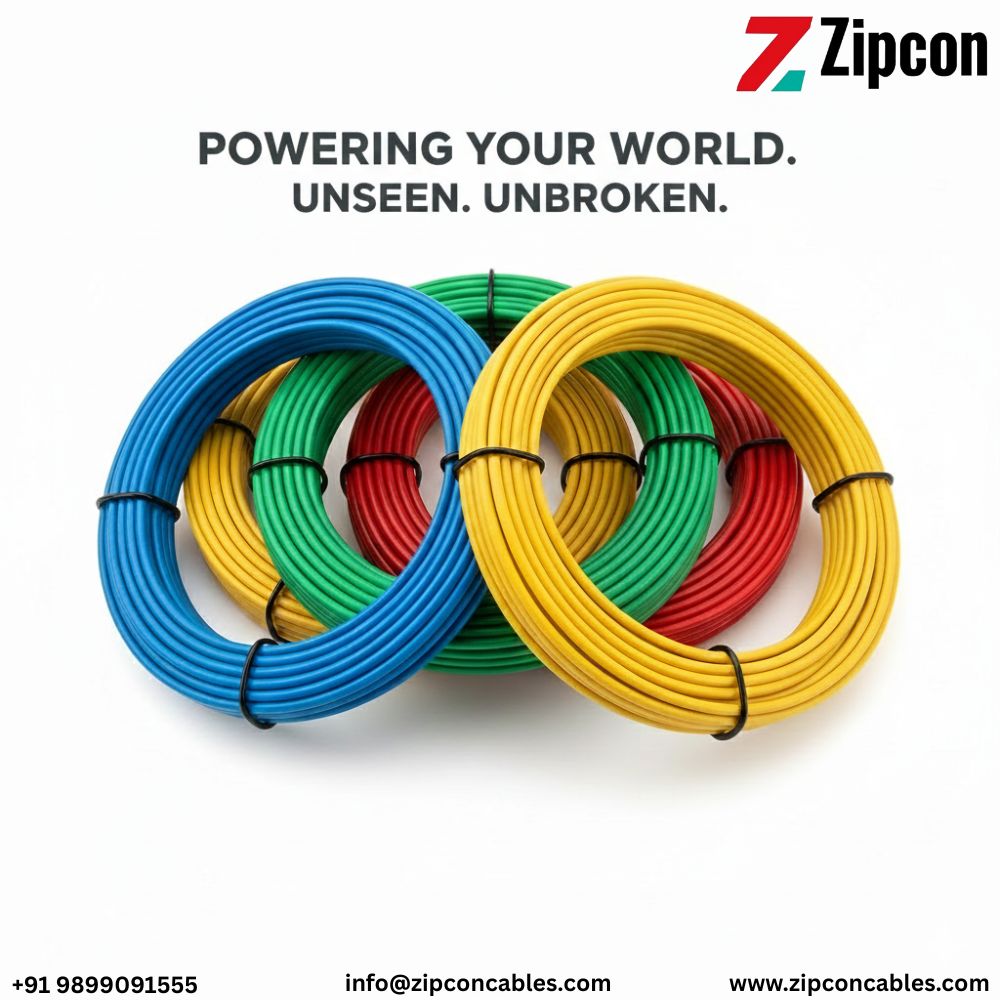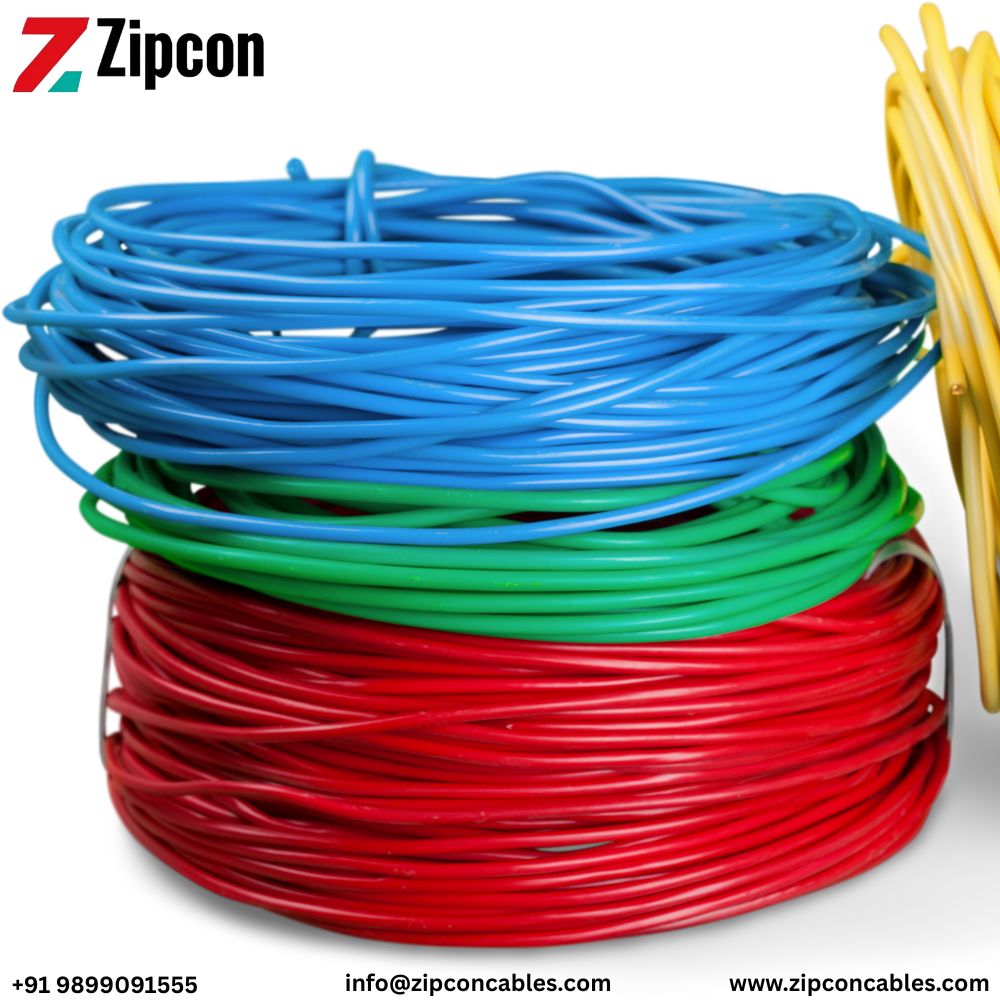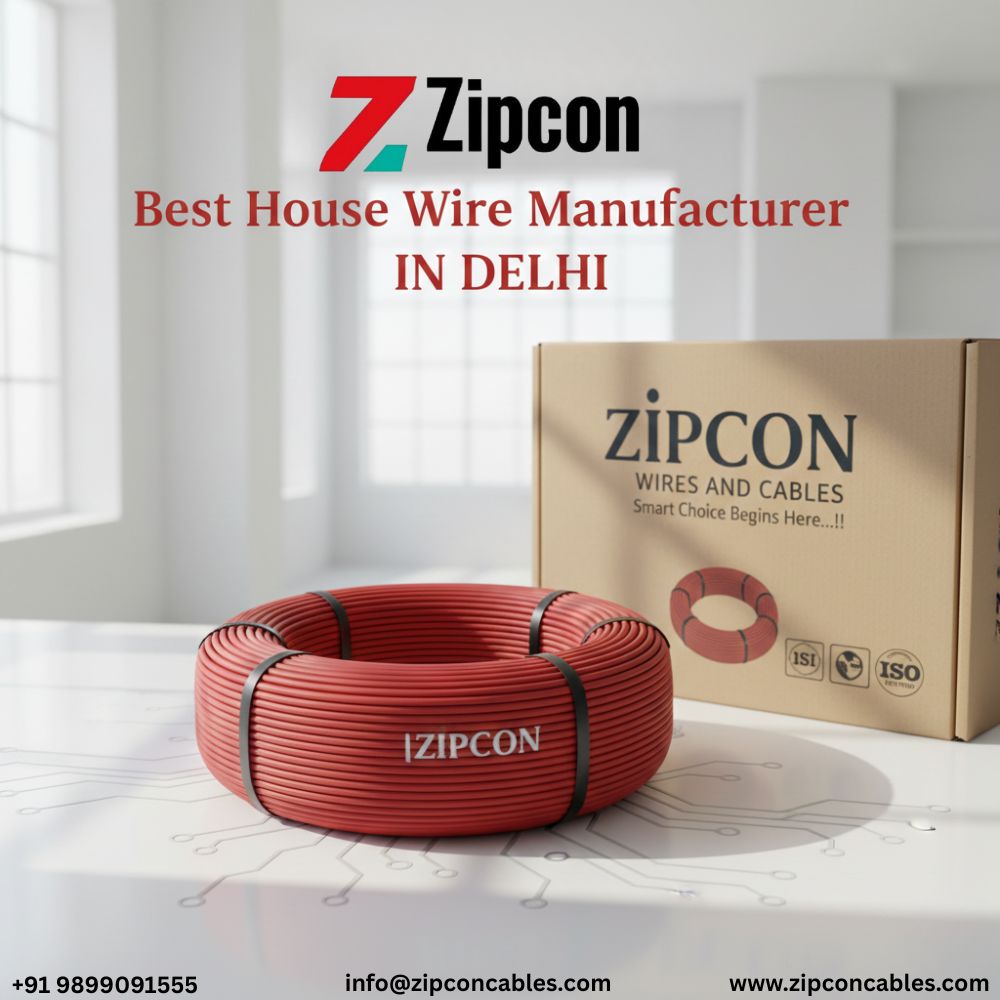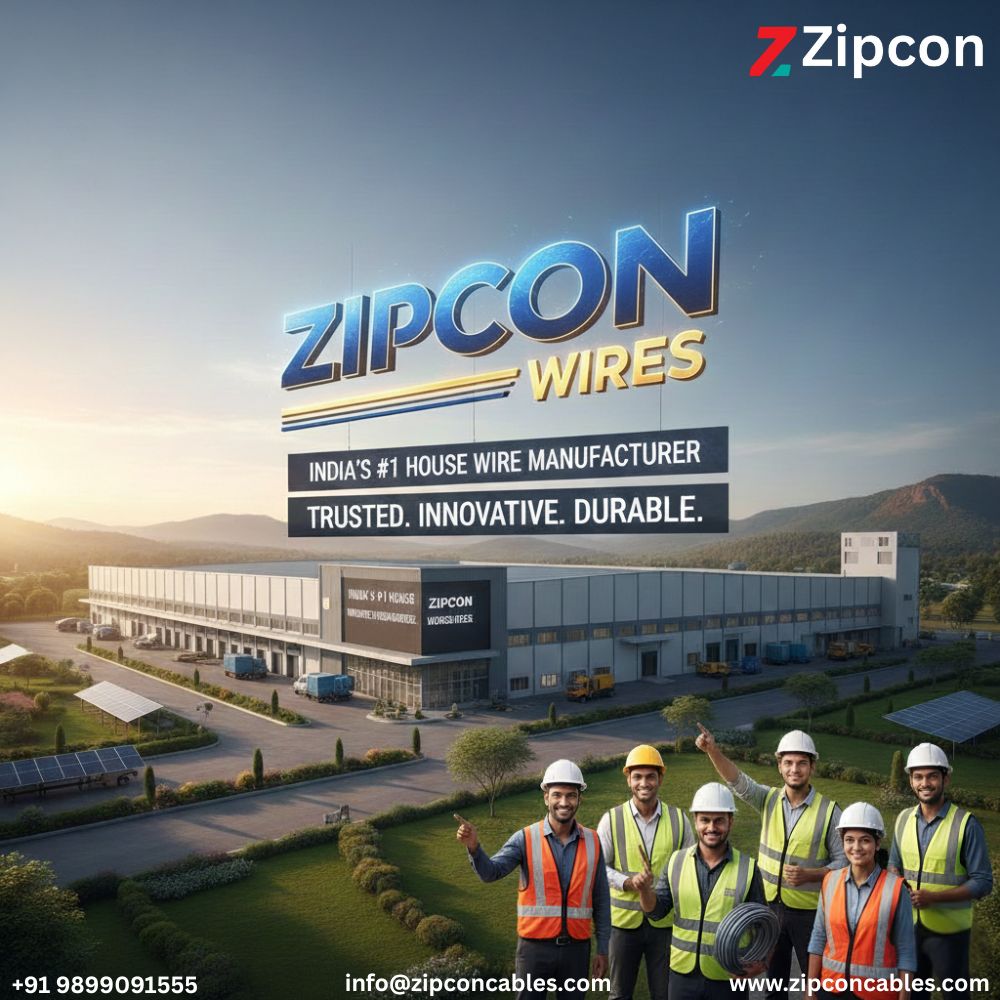
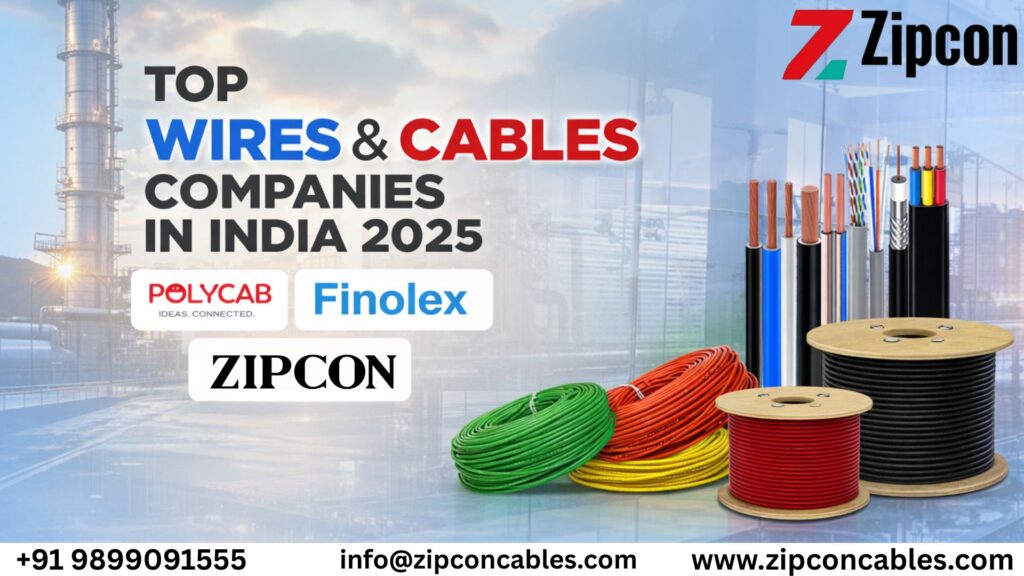
The top wires and cables manufacturers industry in india is evolving rapidly, driven by innovations in materials, technology, and manufacturing processes. As we move into 2026, manufacturers like Zipcon Cables continue to lead the way with cutting-edge products designed to meet the diverse needs of residential, commercial, and industrial applications. In this article, we’ll explore the key factors that set Zipcon Cables apart and why they should be a top choice for your wiring needs in 2026.
Conductivity: Copper vs. Alternatives
One of the primary considerations when selecting cables is conductivity. Copper has long been the material of choice for electrical wiring due to its excellent conductivity, which ensures efficient transmission of electricity with minimal resistance. In high-efficiency applications, such as power distribution and industrial machinery, copper cables significantly outperform alternatives like aluminum or fiber optic cables.
- Copper Cables: Copper has a conductivity of approximately 59 MS/m, making it the most efficient material for electrical transmission. This high conductivity ensures that energy is transferred with minimal loss, ideal for environments where performance and reliability are crucial.
- Aluminum Cables: While aluminum cables are lighter and cheaper, their conductivity (approximately 37 MS/m) is lower than copper, which means more power loss over long distances.
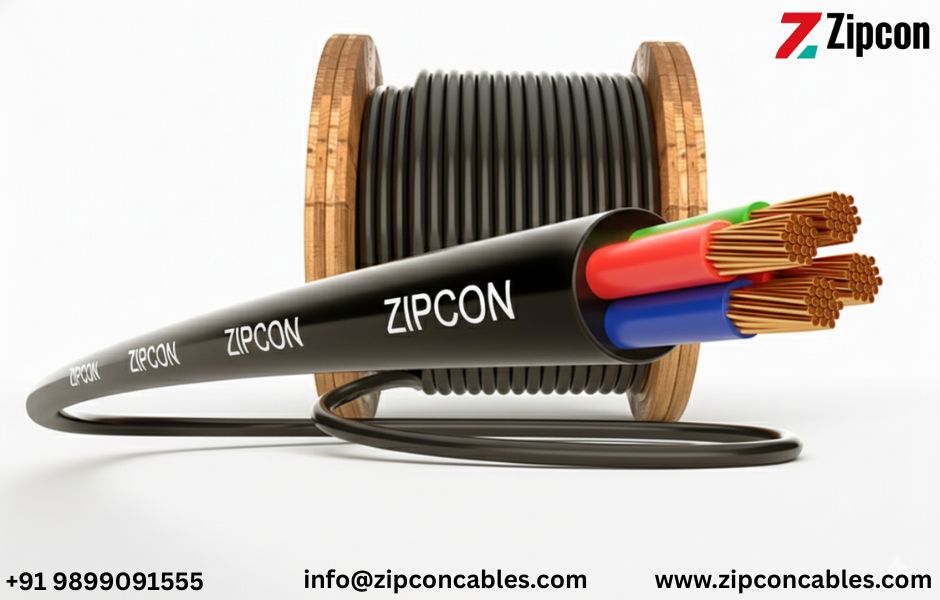
Zipcon Cables uses copper as a core material in its wiring products, ensuring superior conductivity that leads to reduced energy consumption and lower long-term operational costs.
Durability: Withstanding Harsh Environments
The durability of cables is crucial, especially in environments exposed to extreme conditions such as high temperatures, moisture, and chemicals. In industrial settings, deep wells, or outdoor installations, cables need to be resistant to wear and tear to ensure reliable performance.
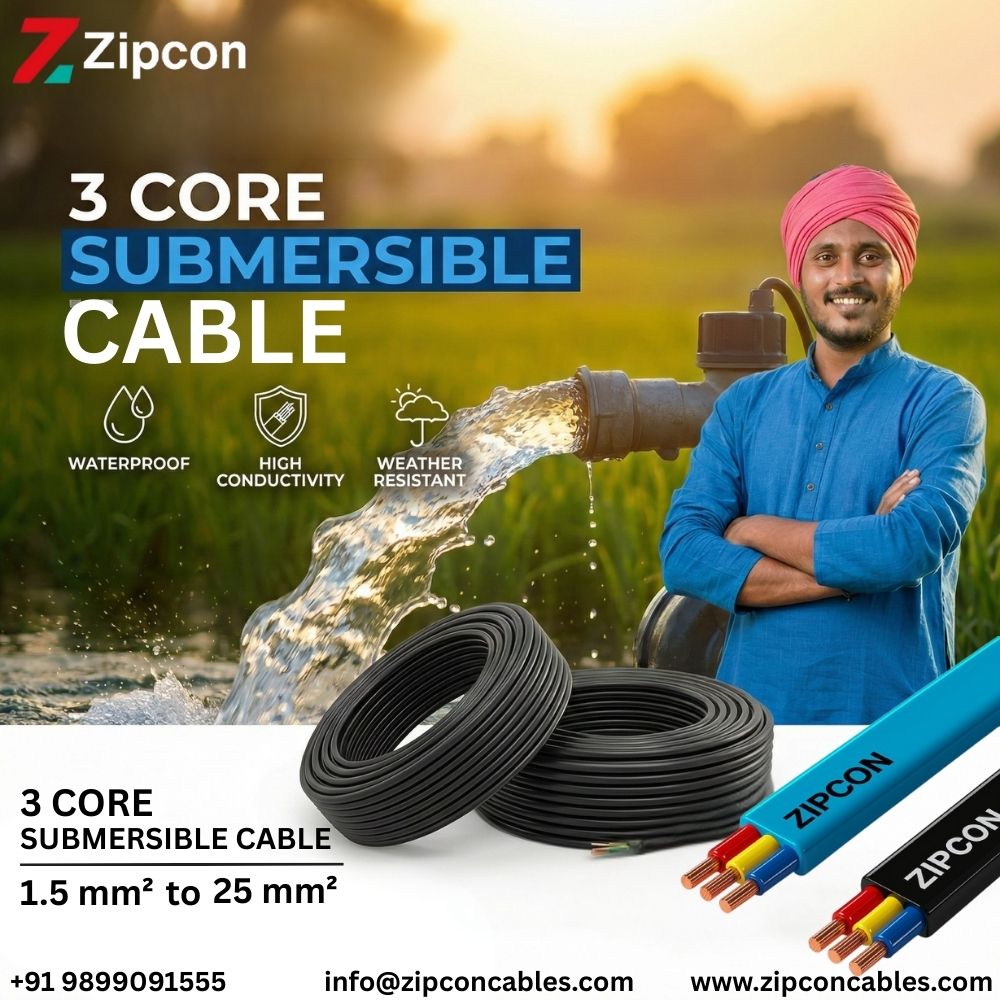
- Copper Cables: Copper cables are naturally resistant to corrosion, but they can be vulnerable to mechanical stress if not properly insulated. Zipcon Cables addresses this by using high-quality coatings that protect against moisture, chemicals, and UV exposure, making them highly durable even in tough environments.
- Aluminum Cables: While aluminum is lightweight and corrosion-resistant, it can be more prone to physical damage under extreme conditions, which can lead to reduced lifespan and reliability.
Zipcon Cables ensure durability with advanced insulation materials and coatings that enhance the longevity of their products, particularly in environments such as industrial plants or underwater installations.
Weight: Balancing Strength and Lightness
When selecting cables for specific applications, the weight of the cable is a crucial factor. Lighter cables are often preferred for ease of installation, especially in confined spaces or where large amounts of wiring need to be managed. However, the strength-to-weight ratio also plays a significant role in determining the overall performance and safety of the cable.
- Copper Cables: Copper is denser and heavier than aluminum but offers a better strength-to-weight ratio. For high-power applications, the durability and strength of copper cables make them the superior choice.
- Aluminum Cables: Aluminum is much lighter and often used in aerial installations or long-distance transmission lines, where weight and cost savings are prioritized over strength.
- Zipcon Cables: Zipcon strikes a balance by using copper for its cables, providing strength and reliability while keeping the weight manageable for most installations.
In applications that require both strength and manageable weight, such as heavy machinery or critical power infrastructure, Zipcon’s copper cables offer a great balance.
Cost: Long-Term Value vs. Upfront Expense
Copper cables typically come with a higher upfront cost compared to aluminum or other alternatives. However, the performance and longevity of copper can provide significant cost savings in the long term, especially in high-demand applications.
- Copper Cables: Although more expensive, copper cables’ lower resistance, higher conductivity, and longevity often make them a more cost-effective solution over time.
- Aluminum Cables: Aluminum is cheaper, but the cost can add up over time due to increased maintenance and higher energy consumption.
For businesses and industries seeking long-term value and efficiency, Zipcon’s copper-based cables offer a higher return on investment despite their initial cost.
Safety: Protection from Hazards
Safety is another key consideration when choosing cables, especially in applications where electrical hazards, such as short circuits or fires, are a concern. High-quality cables should be well-insulated and designed to handle the environmental conditions they are exposed to.
- Copper Cables: Copper cables are highly reliable and safe when properly insulated. Zipcon focuses on safety by using advanced insulation techniques, such as flame-resistant coatings and moisture barriers, to protect against electrical hazards in industrial and residential applications.
- Aluminum Cables: While aluminum is a safe material, improper installation or aging can lead to overheating and potential fire risks. Therefore, the quality of insulation and connectors is critical.
Zipcon ensures superior safety features with cables that are designed to meet the highest standards for insulation and protection, making them an ideal choice for high-risk environments.
Installation Needs: Ease of Setup
Different types of cables require different installation processes. Copper cables may require more careful handling, especially when bending or pulling through conduits, but they offer superior performance once installed. Zipcon Cables are designed with ease of installation in mind, ensuring that even heavy-duty copper cables can be installed with minimal effort.
- Copper Cables: While heavier than aluminum, copper cables are robust and can handle more challenging electrical loads. Zipcon Cables are engineered for ease of handling, minimizing the complexity of installation.
- Aluminum Cables: Aluminum cables are lightweight and easier to install in tight spaces or areas with limited access, making them ideal for certain installations.
Typical Use Cases: Zipcon Cables in Action
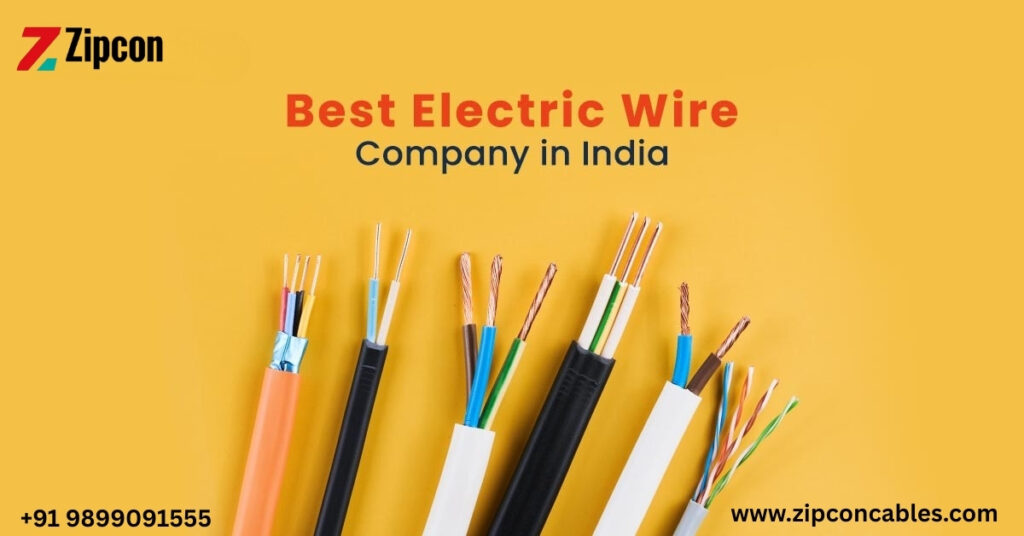
Zipcon Cables are versatile, providing solutions for a variety of applications, including:
- Residential: For home wiring and electrical installations requiring high efficiency and reliability.
- Commercial: In commercial buildings, Zipcon cables ensure efficient power transmission and longevity.
- Industrial: In factories and industrial plants, where harsh conditions demand durable, high-performance cables.
Conclusion: Why Choose Zipcon Cables in 2026?
In 2026, Zipcon Cables stands out as a leader in the Wires and Cables Manufacturers due to their high-quality copper cables, superior durability, safety features, and excellent value for money. Whether you are looking for cables for industrial, residential, or commercial use, Zipcon offers a reliable and efficient solution tailored to your specific needs. If you’re seeking high-performance cables that can withstand harsh environments and deliver superior results, Zipcon Cables should be at the top of your list.