

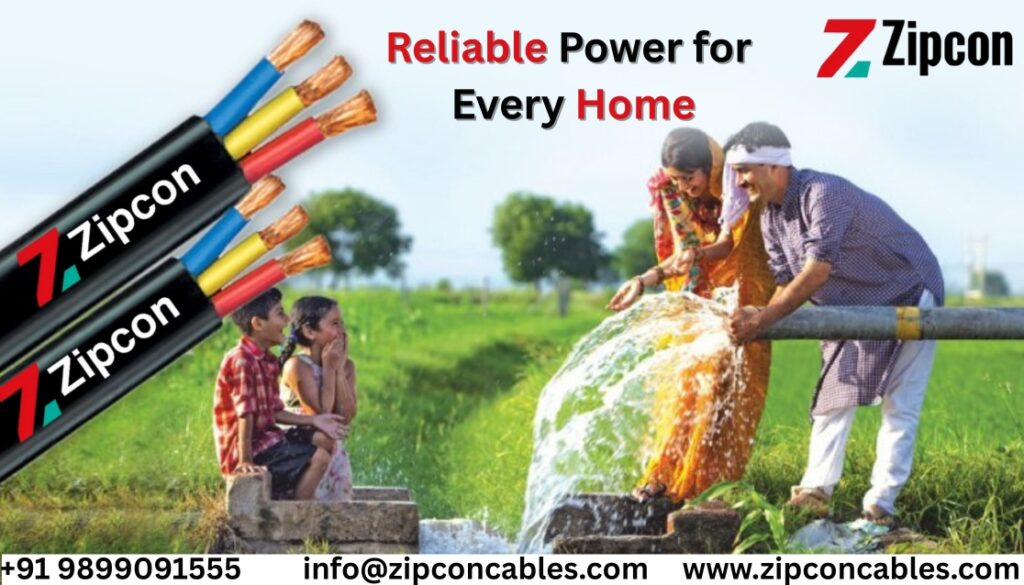
When it comes to selecting the top submersible cable manufacturers in delhi, engineers, electricians, and buyers must consider various technical aspects such as conductivity, durability, weight, cost, safety, and installation needs. In Delhi, a key player in the submersible cable market is Zipcon Cables, known for their high-quality, durable, and reliable cable solutions. This article provides a detailed overview of submersible cables, comparing copper cables with alternatives, and offers recommendations for specific applications.
For inquiries or assistance, visit: 👉https://zipconcables.com/contact-us/
Conductivity: Copper vs. Alternatives
Conductivity is one of the most critical factors when choosing submersible cables. Copper cables are renowned for their superior conductivity, making them ideal for applications requiring efficient power transmission, especially in deep wells where long distances can cause energy losses. Copper’s high conductivity ensures minimal power loss and optimal efficiency, which is essential for deep well pumps, water treatment plants, and industrial equipment.
However, aluminum cables and other materials such as tinned copper can also be considered. While they are more affordable and lightweight, their conductivity isn’t as high as copper’s, which may lead to reduced performance in high-load conditions. Aluminum cables are often used in less demanding applications or when budget constraints are a factor, but for high-end, long-term applications, copper cables still remain the best choice.
Zipcon Cables offers a range of copper submersible cable manufacturers in delhi known for their superior conductivity, making them a go-to brand for projects requiring efficient and uninterrupted power supply.
Durability: Resilience in Harsh Environments
Submersible cables must withstand extreme conditions, from water exposure to exposure to chemicals and fluctuating temperatures. Copper cables, due to their excellent corrosion resistance and robust construction, are highly durable in submersible environments, which is why they are often preferred for deep well pumps, borehole applications, and sewage treatment systems.
On the other hand, aluminum cables are more prone to corrosion over time, especially in saline or chemically aggressive environments. Though they may perform well initially, they require additional coatings or protective sheaths to enhance their durability, which can add to maintenance costs.
In harsh conditions where cables are exposed to constant water immersion, Zipcon Cables provides specialized coatings that enhance the resilience and longevity of their copper cables, making them ideal for submersible applications.
Weight: Impact on Installation and Performance
The weight of submersible cables plays a crucial role in both the installation process and overall performance. Heavier cables tend to have better insulation, which can be beneficial for safety, but they can be more difficult and costly to install. Lighter cables, although easier to handle and install, might not offer the same level of protection against electrical faults or damage.
Copper cables are generally heavier due to the material’s density. While this can increase the installation cost and effort, the long-term benefits often outweigh the initial challenges. For installations in deep wells or large-scale industrial projects, Zipcon Cables provides a balance of weight and strength, ensuring that their copper cables offer high performance without being unnecessarily cumbersome.
Cost: Is Copper Always the Best Choice?
One of the most significant considerations for engineers and buyers is the cost of submersible cables. Copper cables are more expensive than aluminum and other materials due to the high cost of copper itself. However, their higher initial cost can be justified by their superior conductivity and longevity, which result in lower maintenance costs over time.
For cost-conscious projects, aluminum cables can be an alternative, but they come with trade-offs in terms of performance and durability. For applications where the cables are not exposed to extreme conditions or where budget constraints are a priority, aluminum cables can perform adequately without sacrificing too much efficiency.
Zipcon Cables provides cost-effective solutions, offering copper submersible cables at competitive prices while maintaining high standards of performance and durability.
Safety: Ensuring Protection Against Electrical Faults
Safety is always a top priority when selecting submersible cables. Submersible cables need to have excellent insulation to prevent electrical faults and to protect the cable’s inner conductors from water and environmental factors.
Copper cables, with their superior conductivity, are often more efficient in safely carrying electrical loads. In contrast, aluminum cables may not be as well-suited for highly demanding electrical applications, potentially requiring additional insulation to ensure safety.
Zipcon Cables adheres to strict safety standards, offering cables with high-quality insulation that ensures long-term protection against electrical faults, moisture, and other environmental hazards.
Installation Needs: Ease and Cost Considerations
The installation process for submersible cables can vary significantly based on the type of cable used. Copper cables are generally heavier and require more careful handling and skilled labor for installation, which can increase overall installation costs. However, their durability and long lifespan can offset these initial costs.
Aluminum cables are lighter, making them easier to handle and install, but they often require more careful handling to avoid damage during installation. They also tend to have higher installation costs due to the need for additional protective layers.
Zipcon Cables’ copper submersible cables are designed with easy installation in mind, ensuring that even though they are durable and robust, they are not overly difficult to install.
Typical Use Cases: Where Copper Outperforms Alternatives
Submersible cables are used in a variety of applications, including deep well pumps, sewage treatment plants, water drainage systems, and agricultural irrigation systems. Copper cables excel in deep well applications where efficiency and conductivity are crucial due to the long distances power needs to travel.
In sewage treatment plants or water drainage systems, copper cables offer exceptional resistance to water and chemicals, ensuring a reliable power supply without the risk of degradation.
Aluminum cables, while cost-effective, are better suited for less demanding applications where high conductivity isn’t as critical, such as in shallow well pumps or for temporary installations.
Conclusion: When to Choose Copper Cables
For projects where efficiency, durability, and safety are paramount, Zipcon Cables’ copper submersible cables are the ideal choice. Their high conductivity, robust durability in harsh environments, and long-term cost-effectiveness make them the best option for deep well pumps, sewage systems, and other critical infrastructure.
However, for applications where cost is a primary concern, or where the environment is less demanding, aluminum cables or other alternatives can provide a good balance of performance and affordability.
Conclusion
when you need the best combination of conductivity, durability, safety, and long-term reliability, Zipcon Cables offers some of the most advanced and trusted submersible cables on the market in Delhi.