

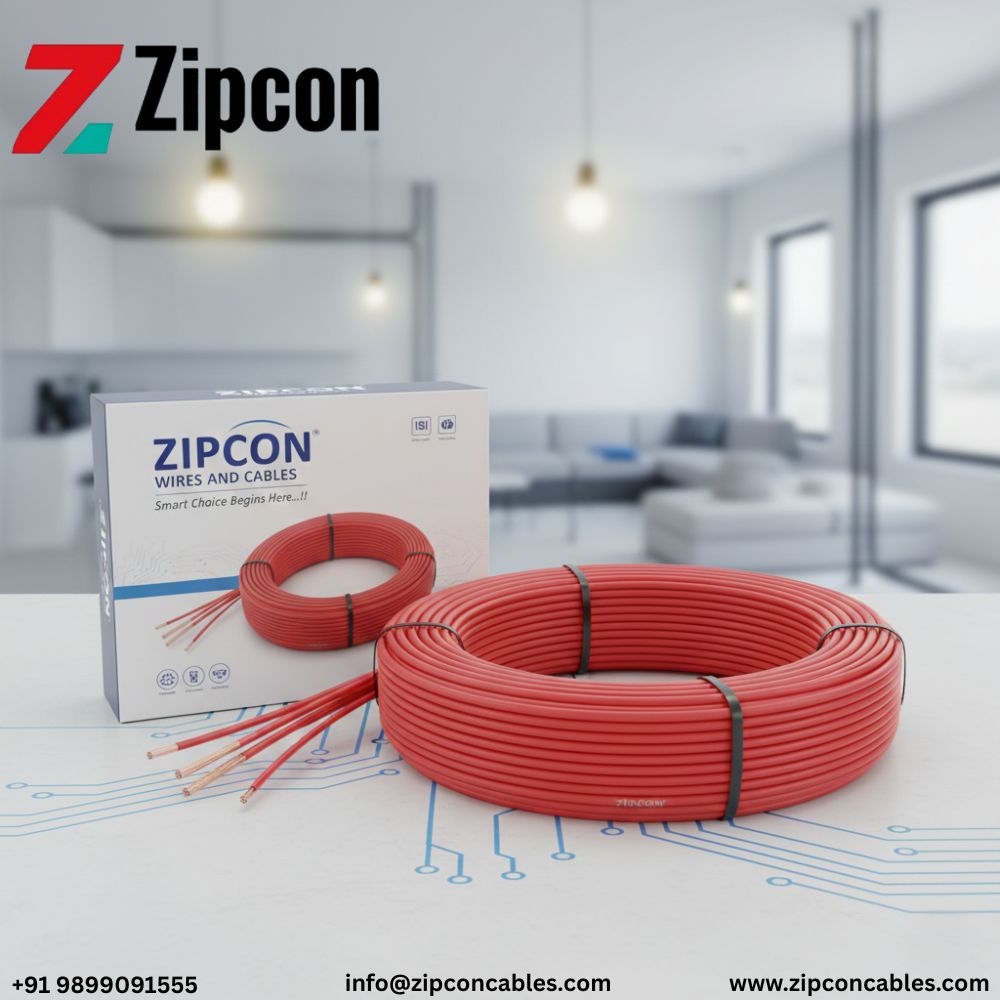
Choosing the best housing wire in India is essential for building a safe, reliable and long-lasting electrical system. House wiring remains concealed inside walls, conduits and ceilings, so the quality of the wire directly affects electrical performance and maintenance requirements.
A good housing wire should offer reliable conductivity, strong insulation, suitable flexibility and consistent manufacturing quality. The right wire also needs to match the electrical load, installation method and environmental conditions of the property.
ZIPCON Cables provides house wire solutions for residential, commercial and other electrical applications. From standard house wiring to FR, FRLS, HRFR and multistrand wire options, selecting the appropriate specification is the key to achieving dependable performance.
For inquiries or assistance:– https://zipconcables.com/contact-us/
What Is Housing Wire?
Housing wire, commonly called house wire, is an electrical wire used for internal wiring in residential buildings and similar installations. It carries electrical power from distribution boards to lighting points, sockets, switches, appliances and other electrical loads.
Most housing wires consist of a conductive core surrounded by insulation. Copper is widely used because of its high conductivity and flexibility, while the insulation provides electrical separation and protection around the conductor.
Main Components of Housing Wire
A typical housing wire includes:
- Conductive core: Carries electrical current through the circuit.
- Insulation: Provides electrical separation and protects the conductor.
- Stranding: Determines flexibility and handling characteristics.
- Outer surface: Provides protection during installation and use.
- Identification: Colour coding helps electricians identify different circuits and connections.
Why Quality Matters When Choosing Housing Wire
Electrical wires can remain installed for many years without being easily accessible. A poor-quality or incorrectly specified wire can therefore create problems that are expensive and difficult to correct after construction is complete.
Quality housing wire provides consistent electrical and insulation characteristics when correctly matched to the application. This helps support reliable circuits and reduces the possibility of problems associated with unsuitable materials or incorrect sizing.
Reliable Conductivity
The conductor is responsible for carrying current. High-quality copper conductors provide good conductivity and can help reduce unnecessary electrical losses when the wire is correctly sized for the circuit.
Conductor size is equally important. A quality conductor that is undersized for the intended load is still an unsuitable choice.
Durable Insulation
Insulation protects the conductor and maintains electrical separation from surrounding materials. It should withstand the expected operating conditions, including the specified voltage and temperature.
For concealed house wiring, dependable insulation is particularly important because access to the installed wire may be difficult.
Better Installation Performance
Flexible multistrand construction can make wires easier to route through conduits and around bends. This can simplify installation for electricians while helping create cleaner wiring routes.
The required level of flexibility depends on the installation, so the wire construction should be selected accordingly.
Types of Housing Wire in India
Different wire constructions are available for residential and commercial electrical installations. Choosing between them should depend on the project’s requirements rather than simply selecting the most heavily marketed option.
FR House Wire
FR stands for Flame Retardant. FR house wires are designed with insulation properties intended to help resist the spread of flame under specified test conditions.
They can be suitable for residential and commercial applications where flame-retardant characteristics are required.
FRLS House Wire
FRLS stands for Flame Retardant Low Smoke. These wires are designed to combine flame-retardant characteristics with reduced smoke generation under specified conditions.
FRLS wires can be considered for buildings where smoke characteristics are an important part of electrical product selection.
HRFR House Wire
HRFR generally refers to Heat Resistant Flame Retardant wire construction. These wires are designed to provide enhanced resistance to heat along with flame-retardant characteristics.
They can be considered for installations where operating temperature and flame-retardant performance need additional attention.
Multistrand House Wire
Multistrand housing wires contain several strands within the conductor rather than a single solid conductor. The smaller strands provide greater flexibility, which can make installation through conduits and electrical boxes easier.
Multistrand wires are commonly considered for residential wiring where convenient handling and routing are important.
How to Select the Best Housing Wire in India
The best housing wire for one property may not be the best choice for another. Selection should begin with the electrical design and then consider the wire’s technical specifications.
1. Determine the Electrical Load
Identify the expected load for each circuit before selecting the wire. Lighting circuits, socket circuits and high-power appliances can have different current requirements.
Correct conductor sizing helps the wire carry the expected load under the specified installation conditions.
2. Select the Appropriate Conductor Material
Copper is a common choice for housing wire because of its high conductivity and good flexibility. Aluminium can also be used in certain electrical applications, although conductor characteristics and termination requirements differ.
For typical internal house wiring, the conductor should be selected according to the electrical design and product specification.
3. Choose the Correct Wire Size
Wire size should be determined according to factors such as current capacity, installation method, voltage drop and applicable electrical requirements.
Avoid selecting wire size simply because it is commonly used in another property. The actual circuit load should determine the appropriate specification.
4. Consider Insulation Type
FR, FRLS, HRFR and other insulation constructions have different characteristics. Consider the building type, installation environment and required performance before selecting the insulation.
5. Check Applicable Standards
Choose products that meet relevant Indian electrical standards and certification requirements. Technical compliance provides a stronger basis for evaluating a wire than packaging, appearance or marketing claims.
Housing Wire for Different Applications
Residential Homes
Homes require electrical circuits for lighting, fans, sockets, kitchen equipment, air conditioning and other appliances. Each circuit should use an appropriately sized wire based on its expected load.
For concealed residential wiring, insulation quality and long-term reliability are important because replacing defective wiring can be disruptive.
Apartments
Apartment projects often involve repeated electrical specifications across multiple units. Consistent wire quality helps contractors maintain uniform installation standards throughout the project.
Using clearly specified products can also simplify procurement and quality checks during large-scale construction.
Commercial Buildings
Offices, shops and other commercial buildings can have varied electrical loads and operating conditions. Wire selection should account for the building’s electrical design and the type of equipment connected to each circuit.
Where required, specialized flame-retardant or low-smoke wire constructions can be evaluated for the project.
Renovation Projects
Older buildings may have deteriorated wiring or circuits that were designed for lower electrical loads. During renovation, existing circuits should be assessed before installing new wires.
Replacing outdated wiring with correctly specified housing wire can improve the reliability of the electrical installation when combined with appropriate circuit protection.
Examples of Housing Wire Selection
Example 1: New Home Construction
A new home may have separate circuits for lighting, general sockets, kitchen appliances and air conditioners. These circuits can have different load requirements.
Instead of selecting one wire size for the entire building, the electrical design should determine the suitable conductor size for each circuit.
Example 2: Apartment Project
A developer constructing several apartments needs consistent wiring specifications across each unit. A dependable house wire manufacturer can provide standardized products for repeated installation requirements.
The contractor can then maintain consistent conductor sizes, insulation types and product specifications across the project.
Example 3: Home Renovation
An older home may require replacement of existing wiring because of age, damage or increased electrical demand. The new wiring should be selected after evaluating the existing electrical system and expected future loads.
Simply replacing old wire with a visually similar product without checking circuit capacity can leave underlying electrical problems unresolved.
Expert Tips for Choosing Housing Wire
Prioritize technical specifications over price.
Compare conductor material, cross-sectional area, insulation type, flexibility and applicable standards before comparing prices.
Use the right wire for each circuit.
A lighting circuit and a high-load appliance circuit do not necessarily require the same conductor size.
Consider future electrical requirements.
Modern homes may add air conditioners, water heaters, kitchen appliances, EV charging or other equipment. Electrical planning should account for realistic future demand where appropriate.
Purchase from a reliable manufacturer.
Consistent manufacturing and traceable product specifications are important when selecting electrical wiring.
Use professional installation.
Even high-quality wire can perform poorly if installed incorrectly. Proper routing, termination, circuit protection and earthing are essential parts of a safe electrical system.
Common Mistakes When Buying Housing Wire
Choosing Only the Cheapest Wire
Low purchase price should not be the primary selection criterion for electrical wiring. Compare the complete technical specification and application suitability before making a purchasing decision.
Ignoring Wire Size
A wire that is too small for the circuit can experience excessive heating under unsuitable conditions. Always determine conductor size based on the electrical load and installation requirements.
Using One Wire Type Everywhere
Different environments and applications can require different wire constructions. Selecting one product without evaluating the specific requirements of each circuit may result in an unsuitable installation.
Ignoring Insulation Requirements
Insulation has an important role in electrical safety and durability. The insulation type should be appropriate for the expected voltage, temperature and installation environment.
Buying From Unverified Sources
Unverified products can make it difficult to establish their specifications, authenticity or compliance. Choose a reliable manufacturer or authorized supply channel wherever possible.
Why Choose ZIPCON Cables for Housing Wire?
ZIPCON Cables offers electrical wire and cable solutions designed for residential, commercial and industrial requirements. Its housing wire solutions can be considered for projects where reliable conductivity, suitable insulation and installation flexibility are important.
The ZIPCON range can include different wire constructions and sizes to suit varied electrical applications. Contractors, builders, electricians and homeowners should select the appropriate product according to the project’s load and installation requirements.
For those comparing options for the best housing wire in India, ZIPCON Cables is a brand worth considering alongside the product’s technical specifications, applicable standards and project requirements.
Conclusion
The best housing wire in India is one that combines suitable conductor quality, correct sizing, dependable insulation and application-specific performance. Brand reputation matters, but the final selection should always be based on the actual requirements of the electrical system.
For homes, apartments, commercial buildings and renovation projects, choose wires according to circuit load, installation conditions and applicable standards. ZIPCON Cables provides housing wire solutions that can be evaluated for a range of residential and commercial electrical applications.
Before installation, have the electrical design and wire selection verified by a qualified professional. Correct wire selection, proper circuit protection, suitable earthing and professional installation together create a safer and more reliable electrical system.
Top 5 FAQs
1. Which is the best housing wire in India?
The best housing wire depends on the application’s load, conductor size, insulation requirements, installation conditions and applicable standards. ZIPCON Cables is one option to consider when evaluating quality housing wire solutions.
2. Is copper housing wire good for home wiring?
Yes. Copper is widely used for home wiring because it offers high electrical conductivity and good flexibility. The conductor size should still be selected according to the expected circuit load.
3. What is the difference between FR and FRLS housing wire?
FR wires are designed with flame-retardant characteristics, while FRLS wires combine flame-retardant characteristics with reduced smoke generation under specified test conditions. The appropriate type depends on the building and project requirements.
4. How do I choose the right housing wire size?
Select the wire size based on the circuit’s expected current, installation method, voltage-drop requirements and applicable electrical standards. A qualified electrician or electrical engineer should verify the final selection.
5. Why is multistrand housing wire preferred for some installations?
Multistrand wire contains multiple conductor strands, providing greater flexibility than a comparable solid conductor. This can make it easier to route through conduits, bends and electrical boxes during installation.