Electrical cables are not a small procurement decision. They directly impact safety, power efficiency, equipment life, and maintenance cost. In India’s growing residential, commercial, and industrial infrastructure, choosing the right cable manufacturer can prevent overheating, voltage drop, insulation failure, and fire hazards.
Low-quality cables often use substandard conductor purity or thin insulation. The result is higher resistance, excess heat generation, power loss, and premature breakdown. In industrial setups, this can mean production downtime. In residential buildings, it can mean serious safety risks. That’s why evaluating cable manufacturers in India must go beyond brand familiarity and focus on technical performance.
For technical support or project inquiries: https://zipconcables.com/contact-us/
Key Factors to Evaluate in a Cable Manufacturer
Conductivity: Copper vs Aluminium
Conductivity determines how efficiently current flows through the conductor.
Copper offers higher conductivity (about 60% higher than aluminium). This means:
- Lower voltage drop
- Smaller cross-sectional area required
- Better performance in high-load applications
Aluminium has lower conductivity but:
- Is lighter
- Is more economical
- Works well in large cross-sections and long-distance distribution
A reliable manufacturer should maintain consistent conductor purity. Even small deviations affect resistance and heat generation.
Durability and Insulation Quality
Insulation determines lifespan and safety. Look for:
- High-grade PVC or XLPE insulation
- Heat resistance
- Moisture resistance
- Flame-retardant properties
Industrial environments demand insulation that withstands oil, chemicals, and mechanical stress. Poor insulation leads to cracks, short circuits, and leakage currents.
Weight and Ease of Handling
Copper cables are heavier. This affects:
- Transport cost
- Installation effort
- Structural load in cable trays
Aluminium cables are lighter, making them easier to install over long distances, especially in overhead or large-scale industrial layouts.
For contractors managing large projects, handling weight impacts labor cost and installation time.
Cost Efficiency: Initial vs Lifecycle Cost
Copper cables cost more initially but:
- Offer lower energy loss
- Require less maintenance
- Have longer life in high-load applications
Aluminium cables reduce upfront investment but may require:
- Larger cross-sections
- Proper terminations to avoid joint heating
Procurement managers should evaluate total lifecycle cost, not just per-meter price.
Safety Standards and Certifications
Reputed Indian cable manufacturers comply with:
- BIS (Bureau of Indian Standards)
- ISI certification
- IEC standards (where applicable)
Testing should include:
- Conductor resistance test
- High voltage test
- Insulation resistance test
- Flame retardancy test
Never compromise on compliance. Certification ensures minimum safety and performance benchmarks.
Installation Requirements and Flexibility
Different projects require different cable types:
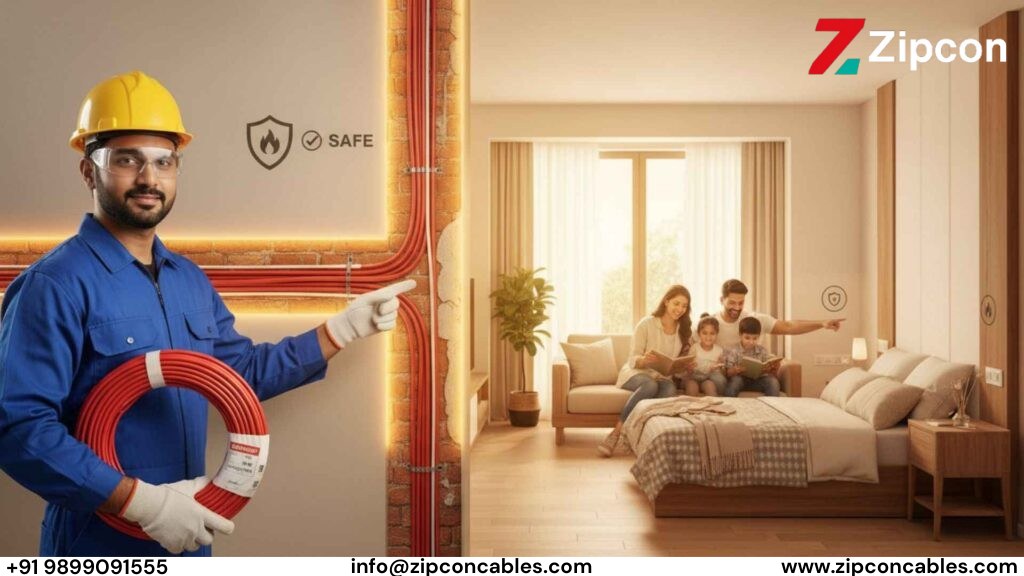
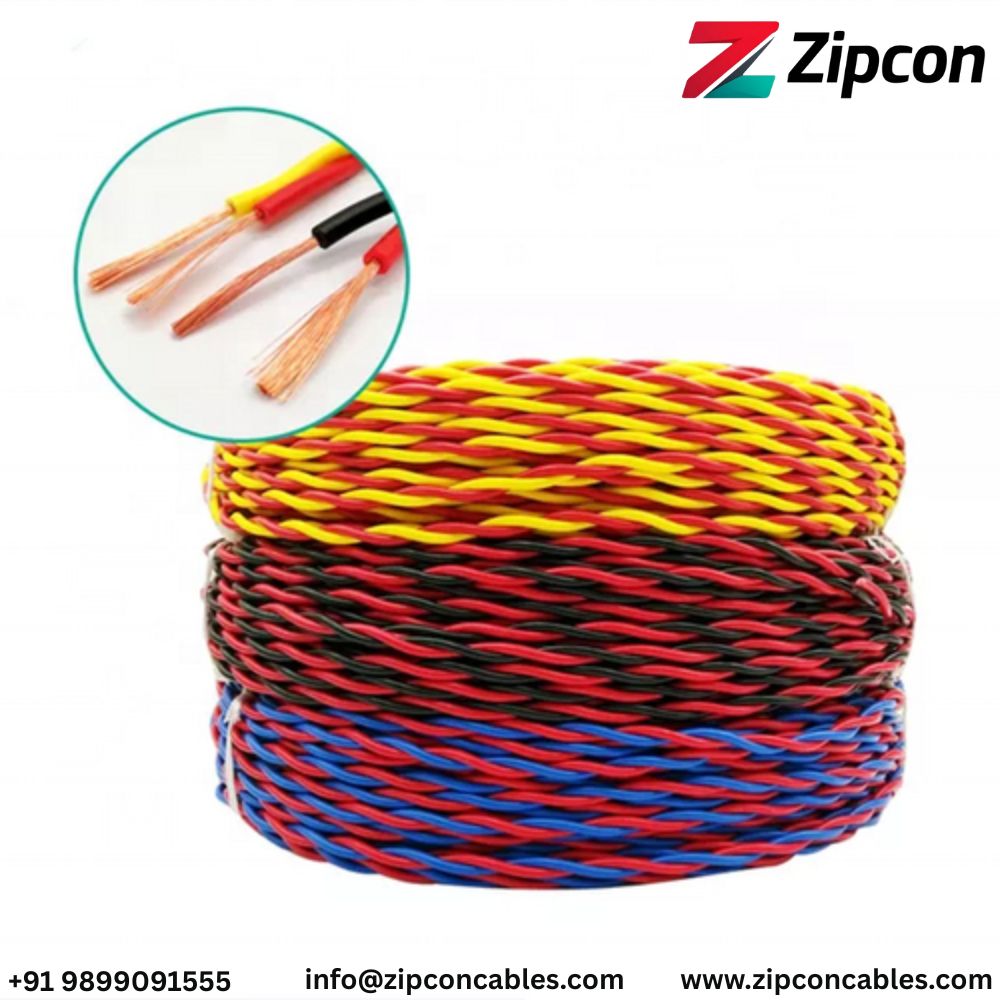
- Residential wiring: flexible, flame-retardant copper cables
- Commercial buildings: FRLS or XLPE insulated cables
- Industrial plants: armoured cables for mechanical protection
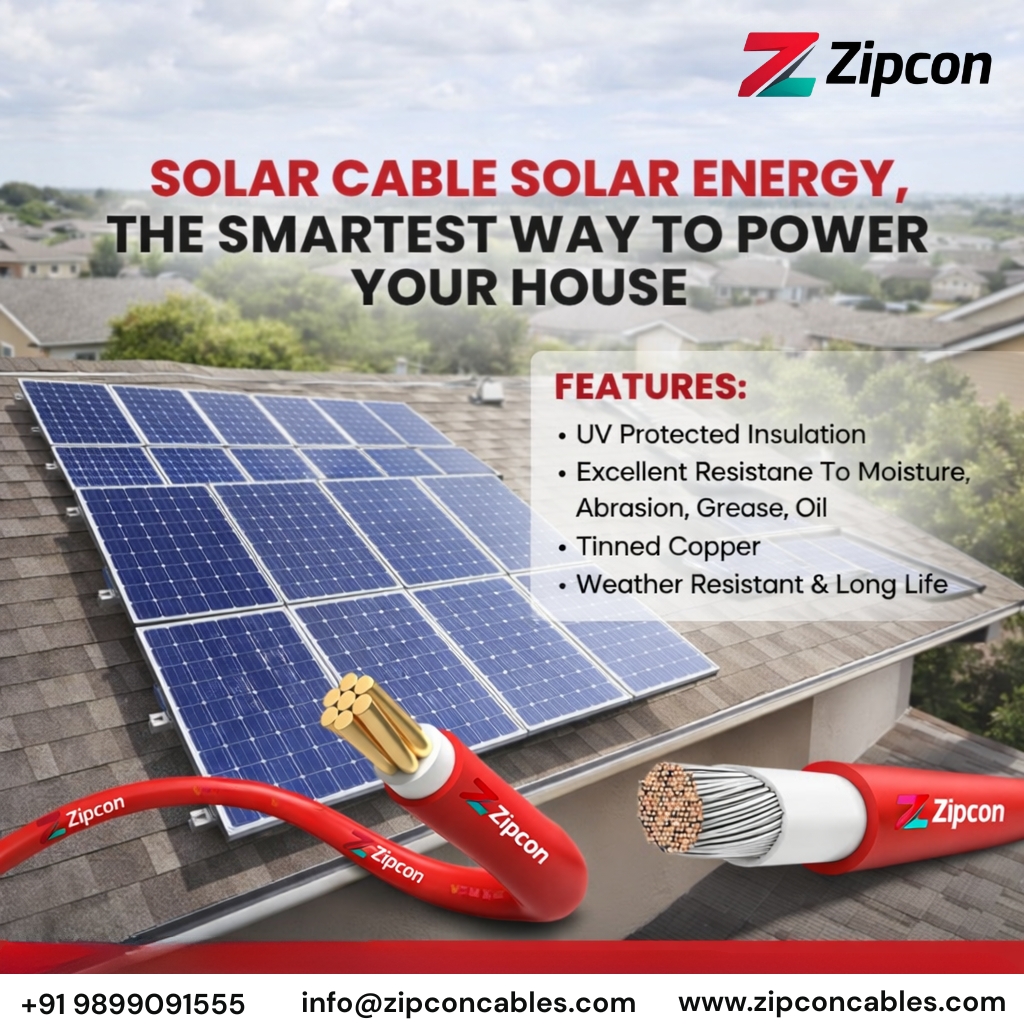
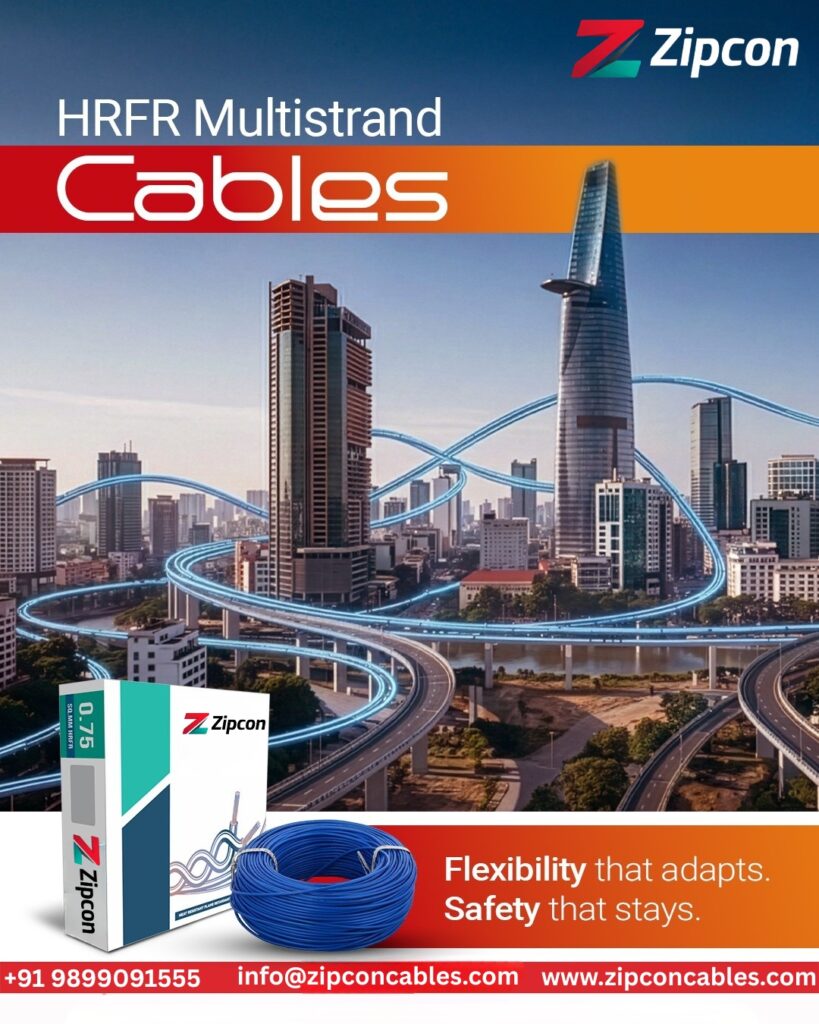
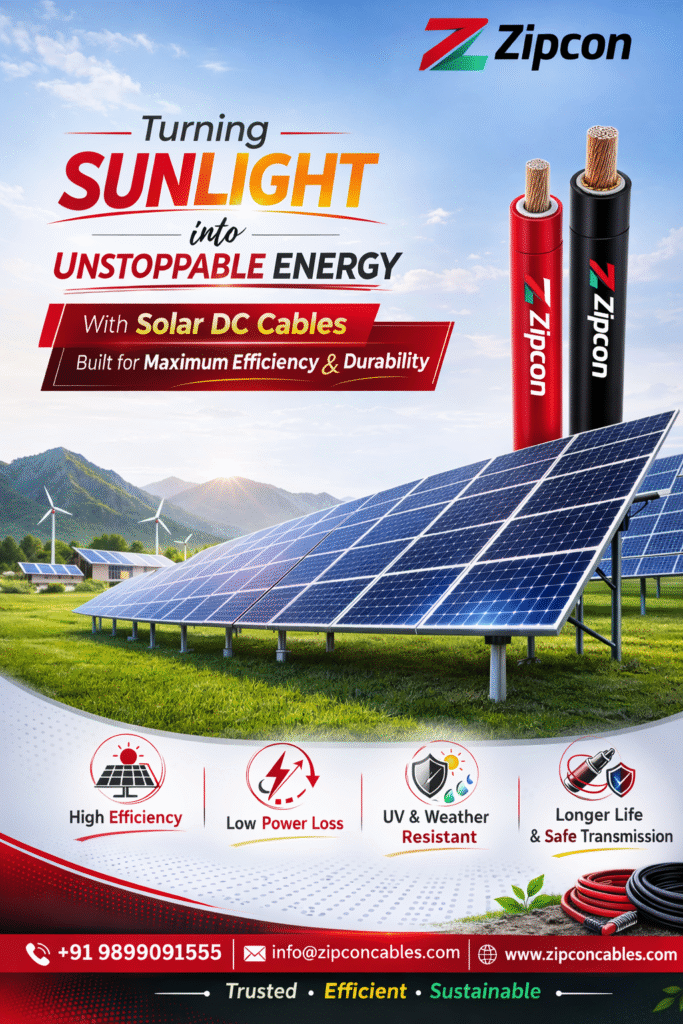
- Solar plants: UV-resistant and weatherproof cables
A manufacturer should offer a wide product range to suit these applications.
Typical Use Cases
Residential: Lighting circuits, AC wiring, appliances
Commercial: Office floors, malls, hospitals
Industrial: Motors, panels, heavy machinery
Solar: DC cabling, inverter connections
Infrastructure: Substations, distribution networks
The best cable manufacturer is one that supplies reliably across these segments.
Copper vs Aluminium Cables – Practical Comparison
Here is a practical contrast:
Copper Cables
- Higher conductivity
- Smaller size for same current
- Better for critical circuits
- Higher cost
- Heavier
Aluminium Cables
- Lower conductivity
- Larger cross-section required
- Cost-effective for bulk distribution
- Lightweight
- More economical for long distances
Real-World Scenarios
Factory Setup
For a manufacturing plant with heavy motors and continuous load, copper cables are preferable for main machinery connections. They reduce voltage drop and heating.
Residential Building
For internal house wiring, copper is the standard choice due to safety, flexibility, and compact size.
Solar Plant
For long-distance DC runs between arrays and inverters, aluminium cables can be economical if properly sized and terminated.
The decision depends on load density, distance, and budget constraints.
What Makes a Manufacturer “Trusted” in India
Not every large brand guarantees consistent quality. A trusted manufacturer demonstrates:
Manufacturing Standards
Modern machinery, controlled drawing processes, and consistent conductor stranding.
Testing Procedures
Routine in-house testing for resistance, insulation thickness, and high-voltage endurance.
Consistency in Conductor Purity
High-purity copper or EC-grade aluminium ensures stable performance.
Insulation Technology
Advanced PVC or XLPE compounds that resist heat, moisture, and environmental stress.
Supply Chain Reliability
On-time delivery is critical for project timelines. Delayed cable supply can halt construction or commissioning.
After-Sales and Technical Support
Technical guidance on cable sizing, selection, and installation matters—especially in industrial projects.
When evaluating manufacturers in India, visit the factory if possible or review technical datasheets carefully.
Why Zipcon Cables
Among emerging and performance-focused manufacturers in India, Zipcon Cables has built a reputation for reliability and practical engineering standards.
Zipcon Cables focuses on:
- Maintaining conductor purity for stable conductivity
- Strict quality checks during production
- Compliance with Indian standards
- Durable insulation suited for Indian climate conditions
- Supplying cables suitable for residential, commercial, and industrial use
Rather than relying on marketing claims, their value lies in consistent product performance and dependable supply. For contractors and procurement managers, this consistency reduces project risk.
Practical Buying Advice
Here is a direct approach engineers and buyers can follow:
Choose Copper When:
- Load is high and continuous
- Space is limited
- Safety is critical
- Equipment is sensitive
- Voltage drop must be minimal
Choose Aluminium When:
- Distance is long
- Budget is tight
- Load is moderate
- Proper termination systems are available
- Project scale is large
Quick Pre-Purchase Checklist
- Confirm load calculation and current rating
- Check voltage drop over cable length
- Verify conductor material and purity
- Ensure ISI/BIS certification
- Match insulation type to environment
- Confirm delivery timelines
- Review warranty and technical support
Do not choose cables purely on lowest price. A slightly higher upfront investment often prevents years of performance issues.
Final Recommendation
The best cable manufacturer in India is not simply the biggest brand—it is the one that consistently delivers certified, technically reliable, and application-specific solutions.
For residential wiring and critical industrial loads, copper cables from a quality-focused manufacturer like Zipcon Cables offer long-term reliability. For large-scale distribution and cost-sensitive infrastructure, properly sized aluminium cables can be a smart choice.
The key is alignment between application requirement and cable specification. When performance, safety, and durability matter—and they always do—choose a manufacturer that treats quality as a process, not a slogan.