Zipcon Cables

Tag #CableManufacturerIndia

Best Flexible Wire Manufacturer in India
Flexible Wire Manufacturer in India

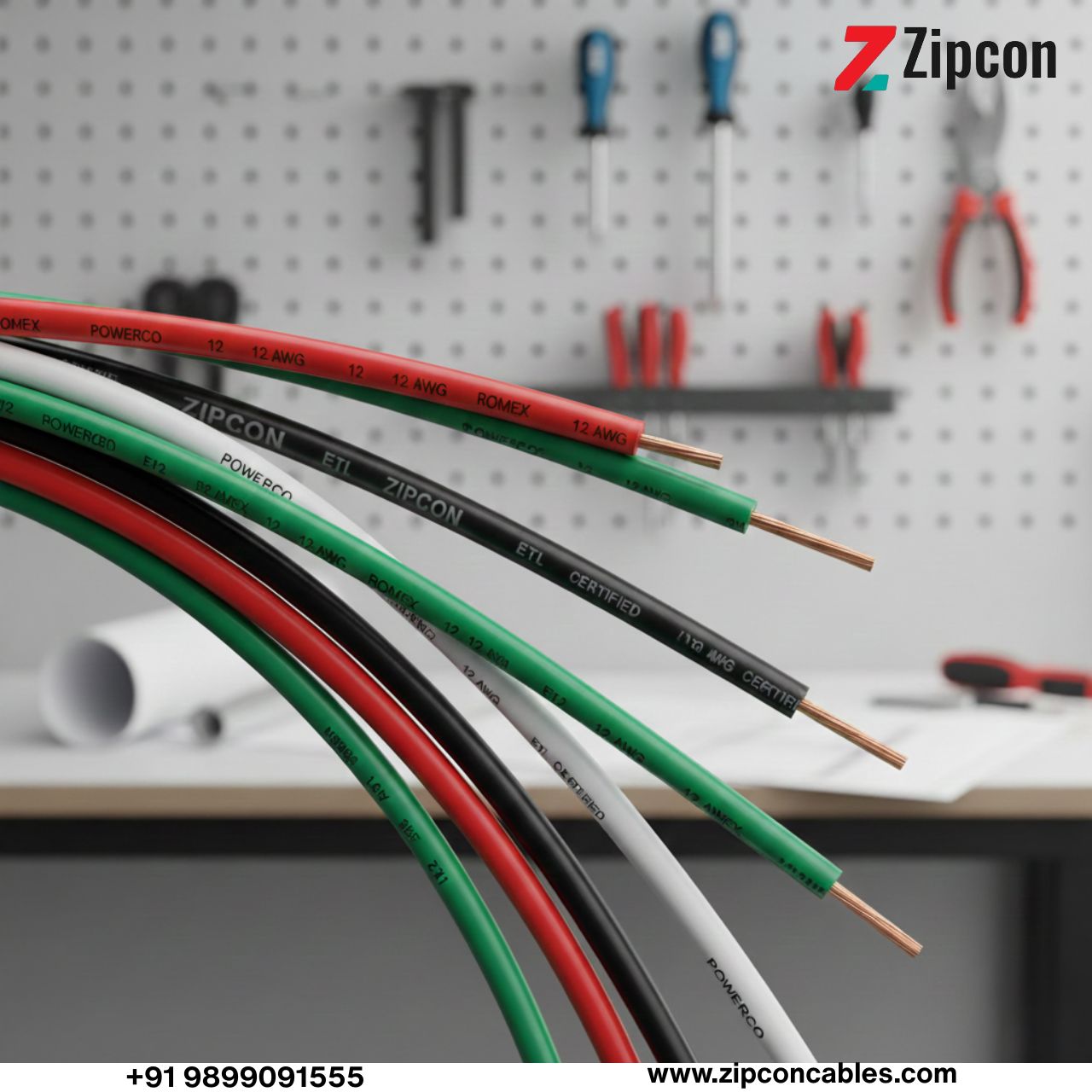
Choosing the best flexible wire manufacturer in India is important when electrical installations require reliable conductivity, flexibility, mechanical strength and long-term performance. Flexible wires are widely used in residential wiring, control panels, machinery, commercial buildings and industrial applications where cables need to bend or move without compromising electrical safety.

A good flexible wire should combine quality conductors with dependable insulation and consistent manufacturing standards. Poor-quality wires can develop excessive heating, insulation damage, voltage drop or premature failure, especially when used under continuous electrical loads.

ZIPCON Cables focuses on manufacturing flexible wires and cables designed for dependable electrical connectivity across residential, commercial and industrial applications. The right wire selection depends on conductor material, cross-sectional area, insulation type, operating conditions and the installation environment.

For inquiries or assistance:👉 https://zipconcables.com/contact-us/

Why Flexible Wires Are Important in Electrical Installations

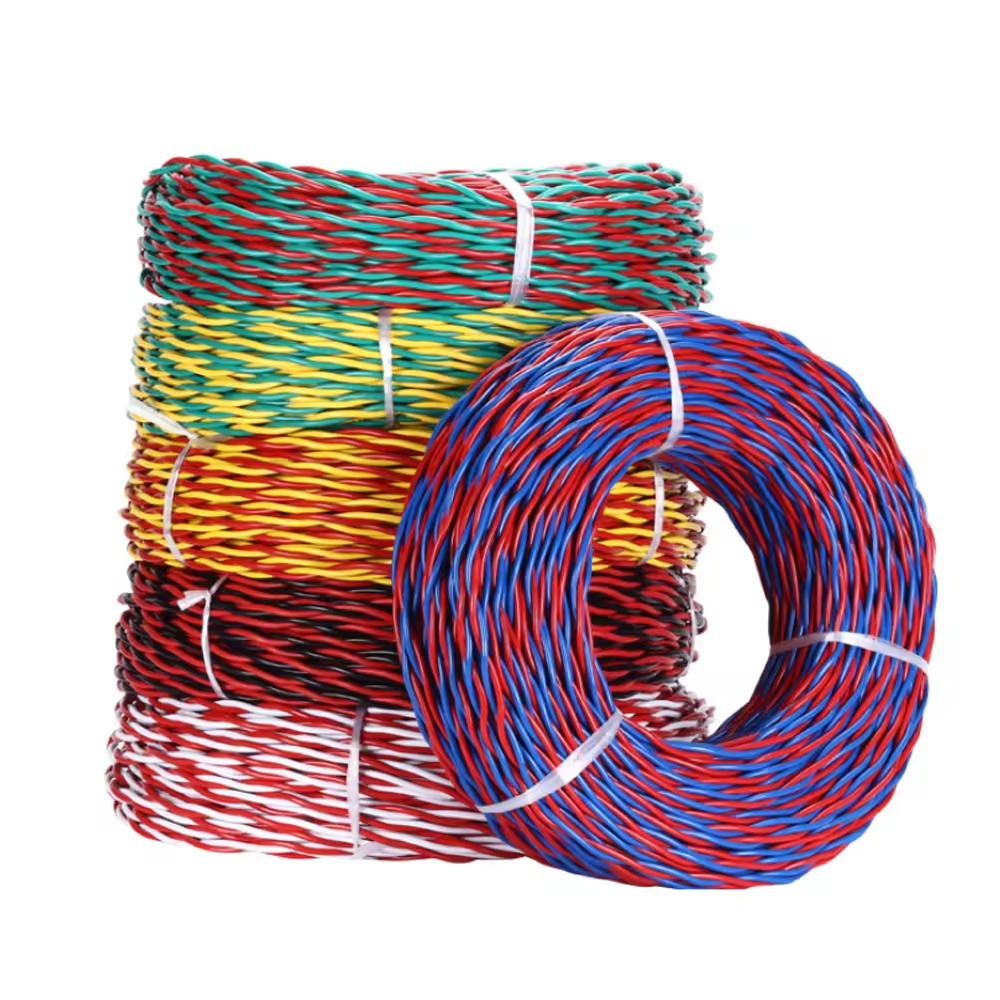
Flexible wires are designed to handle repeated bending and movement more effectively than conventional rigid conductors. Their construction generally uses multiple fine conductor strands, allowing the wire to bend around corners, equipment connections and confined spaces.

This flexibility makes them suitable for applications where a rigid conductor could experience mechanical stress. They are commonly used in control panels, machinery, appliances, lighting connections, temporary installations and equipment wiring.

A high-quality flexible wire also needs more than physical flexibility. Good conductivity, proper insulation thickness, dimensional consistency and resistance to heat and mechanical stress are equally important for dependable performance.

What Makes the Best Flexible Wire Manufacturer in India?

Not every flexible wire manufacturer offers the same level of consistency. When evaluating a manufacturer, buyers should look beyond price and consider the complete construction and manufacturing process.

Quality Conductors

The conductor directly affects electrical performance. Copper is commonly preferred for flexible wires because of its good electrical conductivity and flexibility.

Fine, properly stranded conductors can provide the flexibility required for applications involving frequent bending. Consistent conductor quality also helps maintain predictable electrical performance throughout the cable length.

Reliable Insulation

Insulation protects the conductor from electrical leakage, moisture, abrasion and accidental contact. The insulation material should be selected according to the application’s voltage, temperature and environmental requirements.

PVC insulation is widely used in electrical wires because it provides a practical combination of electrical insulation, mechanical protection and durability.

Consistent Manufacturing

Consistency is essential for large electrical projects. Variations in conductor size, insulation thickness or overall dimensions can affect installation quality and electrical performance.

A dependable flexible wire manufacturer in India should maintain controlled manufacturing processes so that the wire performs consistently from one production batch to another.

Types of Flexible Wires and Cables

Different applications require different flexible cable constructions. Understanding the available options helps electrical contractors and project buyers select the right product.

Flexible Copper Wire

Flexible copper wires use stranded copper conductors to provide good conductivity and easy installation. They are suitable for electrical connections where bending and routing flexibility are required.

They can be used in residential, commercial and industrial wiring depending on their voltage rating, size and insulation specifications.

Multistrand Flexible Wire

Multistrand wires contain multiple smaller conductor strands rather than a single solid conductor. This construction improves flexibility and makes routing easier around bends and tight spaces.

Multistrand flexible wires are useful in control panels, machinery, appliances and other electrical systems where installation convenience matters.

Flexible Round Cables

Flexible round cables are available in single-core and multicore configurations. Multicore versions can carry several electrical circuits or connections within a single cable construction.

They are useful for machinery, control equipment, industrial systems and commercial electrical installations where organized cable routing is required.

Industrial Flexible Cables

Industrial environments can expose cables to vibration, movement, mechanical stress and demanding operating conditions. Flexible industrial cables are designed with construction characteristics suited to these applications.

The correct selection should consider current capacity, voltage, bending requirements, temperature and the surrounding environment.

Applications of Flexible Wires in India

Flexible wires are used across a wide range of electrical installations because of their easy handling and bending capability.

Residential Applications

Flexible wires can be used for suitable internal electrical connections, lighting circuits, appliances and other residential applications where the specified wire size and insulation rating match the electrical load.

Proper sizing is essential. A flexible wire should never be selected solely because it is easy to install.

Commercial Buildings

Offices, retail spaces, hotels and commercial facilities often require extensive electrical routing through conduits, panels and equipment connections. Flexible wires can simplify installations where cable routing involves bends and restricted spaces.

Industrial Applications

Factories and production facilities use flexible wires and cables in control panels, machinery, automation systems and equipment connections. Mechanical movement and vibration make flexibility an important consideration in these environments.

Control Panels

Control panels often contain numerous electrical connections in limited spaces. Flexible wires can make routing, termination and maintenance easier when appropriately selected for the circuit.

How to Select the Right Flexible Wire

Selecting the correct flexible wire requires matching its specifications to the actual application.

1. Check the Conductor Material

Copper conductors are widely used where good conductivity and flexibility are required. Always verify the conductor specification rather than relying only on product appearance.

2. Select the Correct Cross-Sectional Area

Wire size directly influences current-carrying capacity and voltage drop. Common sizes include 0.5 sq mm, 0.75 sq mm, 1 sq mm, 1.5 sq mm, 2.5 sq mm, 4 sq mm and larger sizes for higher-load applications.

The appropriate size should be determined from the expected load, installation method, ambient conditions and applicable electrical standards.

3. Consider the Voltage Rating

The cable’s voltage rating must be suitable for the electrical system. Using an incorrectly rated cable can create unnecessary safety risks and reduce installation reliability.

4. Evaluate the Installation Environment

Consider whether the wire will be exposed to heat, moisture, chemicals, abrasion, vibration or repeated movement. Environmental conditions can significantly affect the expected service life of an electrical cable.

5. Consider Flexibility Requirements

Not every application requires the same degree of flexibility. Equipment connections and moving installations may require a more flexible construction than fixed residential wiring.

Flexible Wire vs Solid Wire

The main difference lies in conductor construction.

Flexible wire generally uses multiple fine strands, making it easier to bend, route and terminate in applications where movement or tight bends are involved.

Solid wire uses a single conductor and is generally more rigid. It can be suitable for fixed installations where the cable does not need frequent movement.

The better option depends on the application rather than simply choosing the wire with greater flexibility.

Examples of Flexible Wire Applications

Consider a control panel containing multiple connections positioned close together. A flexible multistrand wire can make routing between terminals easier while reducing the difficulty of working around tight bends.

Similarly, machinery with moving components may require a flexible cable construction that can tolerate repeated movement. In this situation, selecting a cable based only on conductor size would be insufficient; mechanical flexibility and construction must also be considered.

For a commercial electrical project, the contractor may require several wire sizes for different circuits. Working with a manufacturer that can provide consistent products across multiple specifications can simplify procurement and project execution.

Expert Tips for Choosing Flexible Wires

1. Match wire size to the electrical load:
Never select a wire based only on physical thickness. The conductor cross-sectional area and application conditions should be evaluated first.

2. Prioritize conductor quality:
A properly manufactured conductor supports dependable electrical performance and can contribute to better installation reliability.

3. Check insulation suitability:
The insulation must be appropriate for the voltage, temperature and environmental conditions of the application.

4. Buy from a reliable manufacturer:
Consistent manufacturing quality is particularly important for large projects where hundreds or thousands of metres of wire may be installed.

5. Consider the complete application:
Load, installation method, movement, temperature, moisture and mechanical exposure should all be considered before final selection.

Common Mistakes When Buying Flexible Wires

Choosing Only by Price

The cheapest wire is not necessarily the most economical option. Lower-quality materials can result in installation problems, premature replacement and higher maintenance costs.

Ignoring Wire Size

Using an undersized conductor for a high electrical load can result in excessive heating and voltage drop. Always select the conductor size according to the actual application.

Overlooking Insulation

A conductor may have good electrical properties, but unsuitable insulation can reduce overall cable reliability. Insulation requirements should be evaluated alongside conductor specifications.

Selecting the Wrong Cable for Moving Applications

A cable used in an application involving repeated movement must have an appropriate flexible construction. A standard fixed-installation cable may not be suitable for continuous mechanical movement.

Buying Without Checking Specifications

Product appearance alone cannot establish electrical suitability. Buyers should review conductor, insulation, voltage and applicable product specifications before placing an order.

Why Choose ZIPCON Cables for Flexible Wires?

ZIPCON Cables provides electrical wire and cable solutions designed for residential, commercial and industrial requirements. Its flexible wire and cable range is focused on practical installation, dependable electrical connectivity and consistent product performance.

For contractors, electrical distributors, panel builders and project buyers, choosing a manufacturer that understands different application requirements can make product selection and procurement easier.

Whether the requirement involves flexible wires for electrical connections, multistrand wires for easier routing or flexible multicore cables for industrial applications, the product should always be selected according to the project’s technical requirements.

Conclusion

Finding the best flexible wire manufacturer in India requires more than comparing prices. Conductor quality, insulation, flexibility, wire size, voltage rating, manufacturing consistency and application suitability all influence the reliability of an electrical installation.

ZIPCON Cables offers flexible wire and cable solutions for residential, commercial and industrial applications, helping customers choose products suited to different electrical requirements. For dependable electrical connectivity, selecting the right specification from a reliable manufacturer is the first step toward a safer and longer-lasting installation.

Top 5 FAQs

1. What is a flexible wire?

A flexible wire generally uses multiple conductor strands that allow it to bend more easily than a solid conductor. It is commonly used for electrical connections where easier routing or movement is required.

2. Which conductor is best for flexible wires?

Copper is widely used for flexible wires because it offers good electrical conductivity along with suitable flexibility. The conductor specification should always match the intended electrical application.

3. Where are flexible wires commonly used?

Flexible wires are used in residential, commercial and industrial applications, including control panels, machinery, appliances, equipment connections and electrical installations requiring easier cable routing.

4. How do I choose the correct flexible wire size?

Select the wire size based on electrical load, current-carrying requirements, installation conditions, voltage drop and applicable electrical standards. An electrician or electrical engineer should verify the final selection for critical installations.

5. Why should I choose a reliable flexible wire manufacturer?

A reliable manufacturer can provide better consistency in conductor construction, insulation, dimensions and overall product quality. This is particularly important for commercial and industrial projects where cable reliability directly affects installation performance.
Best House Wire Manufacturer in Delhi for Safe and Durable Wiring | Zipcon Cables
house wire manufacturer in Delhi

When selecting the right house wire for your home or commercial space in Delhi, quality should be your top priority. With Delhi’s fluctuating temperatures, frequent electrical load shifts, and a growing reliance on modern appliances, it’s crucial to use reliable, long-lasting, and safe electrical wiring. Zipcon Cables, a leading house wire manufacturer in Delhi, has built a reputation for delivering superior products that meet all these demands. This article explains why Zipcon Cables is the ideal choice by breaking down key factors such as conductivity, durability, cost, safety, and more.

Why Wire Quality Matters in Delhi

Delhi’s unique electrical challenges require robust wiring solutions. The extreme heat during summers, heavy power usage in modern homes, and frequent voltage fluctuations make it crucial to choose high-quality wires. Low-quality wiring may lead to overheating, power loss, and even fire hazards, especially when running appliances such as air conditioners, geysers, and heavy kitchen equipment.

Choosing the right manufacturer ensures that your wiring system can handle Delhi’s electrical demands and stay safe for years to come. Zipcon Cables offers the perfect solution for both residential and commercial wiring needs.

Key Factors to Consider When Choosing House Wires

Conductivity
Conductivity is a critical factor for power efficiency. Copper is known for its excellent conductivity, meaning it allows electrical current to pass with minimal resistance. This results in less energy loss and more stable voltage. Zipcon Cables uses high-quality copper in all their products, ensuring minimal energy wastage, which is vital for efficient appliance operation. Whether you are wiring your home or office, high conductivity will help reduce energy costs and improve appliance performance.

Durability
In Delhi’s hot and humid climate, wiring needs to be durable enough to handle temperature extremes. High-quality insulation and robust conductor material are essential for longevity. Zipcon Cables uses advanced insulation materials that are heat-resistant, providing a longer lifespan for your wiring system. This reduces the likelihood of insulation breakdowns or power interruptions due to environmental stress.

Weight
Wires are usually routed through walls, ceilings, and conduits, so the weight of the wire plays a role in installation. Copper wires are typically heavier than aluminum ones, but they are much more durable and stable. Zipcon Cables offers copper wires that provide the right balance between weight and flexibility, ensuring easy handling during installation without compromising on strength.

Cost
Upfront cost is always a consideration, but it is important to factor in the long-term value of the wire. Cheaper alternatives may seem attractive initially, but they often result in higher maintenance costs, lower energy efficiency, and shorter service life. Zipcon Cables offers copper wiring solutions at competitive prices, delivering excellent performance without compromising safety or durability. Investing in quality wires now will save you money on repairs and replacements down the line.

Safety
Safety is paramount when it comes to wiring. The quality of insulation, resistance to overheating, and the ability to handle high loads are all key aspects of a safe wiring system. Zipcon Cables adheres to rigorous safety standards, ensuring that all their wires meet or exceed local safety requirements. With Zipcon wires, you can be confident that your home or commercial space is equipped with safe, reliable wiring.

Installation Needs
Ease of installation is another important factor. Copper wires, while heavier, offer greater strength and flexibility, making them easier to pull through conduits and around corners. Zipcon Cables’ wires are designed for easy installation, with just the right amount of flexibility to prevent damage during the process. This not only saves time but also minimizes the risk of installation-related issues.

Typical Use Cases
Different applications require different wiring types:

  • Lighting Circuits: For regular lighting, you can use standard copper wires from Zipcon Cables.
  • Power Sockets: Higher-gauge copper wires are better for handling higher loads and preventing overheating.
  • ACs and Geysers: For these high-power appliances, Zipcon’s copper wiring ensures minimal voltage drop and safe current handling.
  • Inverters and Heavy Appliances: Use thicker copper wires for continuous heavy loads, which can handle the higher current demands.

Copper vs. Other Cable Types

Copper cables excel in areas that demand high conductivity and reliability. For example, in high-load applications like air conditioners and geysers, copper wiring ensures that the appliance receives the required power without unnecessary loss or overheating.

However, copper may not always be necessary for every application. For example, short runs with low power demands—such as for basic lighting—might not require the high performance of copper wires. For these, other materials like aluminum could suffice, although it is less efficient and requires more care during installation.

Quick Comparisons

FeatureCopper Wire (Zipcon Cables)Other Cable Types
Heat HandlingBetter heat resistance, less insulation breakdownMay overheat under heavy load
Voltage DropMinimal voltage drop over distanceHigher voltage drop, less efficient
Installation EffortEasy to route, flexible yet strongLighter but less flexible
Long-Term ReliabilityMore durable, long-lastingProne to degradation faster

Real-World Scenarios

Wiring a 2-3 BHK Delhi Apartment
For a typical Delhi apartment, using Zipcon Cables for wiring ensures that the entire home—from the living room lights to the kitchen appliances—is powered safely and efficiently. The copper wires from Zipcon handle fluctuating voltages and keep the system running smoothly, even when multiple appliances are in use simultaneously.

Upgrading Wiring for ACs and Modern Appliances
Older homes often have wiring that cannot handle the new power demands of modern appliances like ACs and water heaters. Upgrading to Zipcon’s copper wiring ensures the system can handle these loads without risk of overheating or electrical failure.

Choosing Wires for Residential vs. Commercial Spaces
For small commercial spaces like offices or retail outlets, Zipcon Cables offers an optimal balance of cost and reliability. In residential spaces, the emphasis is on long-term safety and efficiency, which Zipcon Cables provides without compromise.

Why Choose Zipcon Cables?

Zipcon Cables stands out as one of the top house wire manufacturers in Delhi for several reasons:

  • Quality Manufacturing: Zipcon ensures that each wire meets the highest quality standards, offering excellent conductivity and durability.
  • Safety Compliance: Zipcon Cables meet national safety standards, ensuring your wiring system is safe for your home or office.
  • Value for Money: Though Zipcon wires are competitively priced, they provide long-term savings by reducing maintenance and energy consumption.

Conclusion: The Right Choice for Your Wiring Needs

When it comes to choosing the best house wire for your home or business in Delhi, Zipcon Cables is the smart and reliable option. Their copper wiring solutions provide excellent conductivity, durability, and safety, making them suitable for lighting, power circuits, heavy appliances, and full-home wiring. By selecting Zipcon Cables, you are ensuring a safe, efficient, and long-lasting wiring system for your space.

Best Housing Wire in India: Reliable Wiring for Safe and Efficient Homes

Choosing the best housing wire in India is essential for building a safe, reliable and long-lasting electrical system. House wiring remains concealed inside walls, conduits and ceilings, so the quality of the wire directly affects electrical performance and maintenance requirements.

A good housing wire should offer reliable conductivity, strong insulation, suitable flexibility and consistent manufacturing quality. The right wire also needs to match the electrical load, installation method and environmental conditions of the property.

ZIPCON Cables provides house wire solutions for residential, commercial and other electrical applications. From standard house wiring to FR, FRLS, HRFR and multistrand wire options, selecting the appropriate specification is the key to achieving dependable performance.

For inquiries or assistance:https://zipconcables.com/contact-us/

What Is Housing Wire?

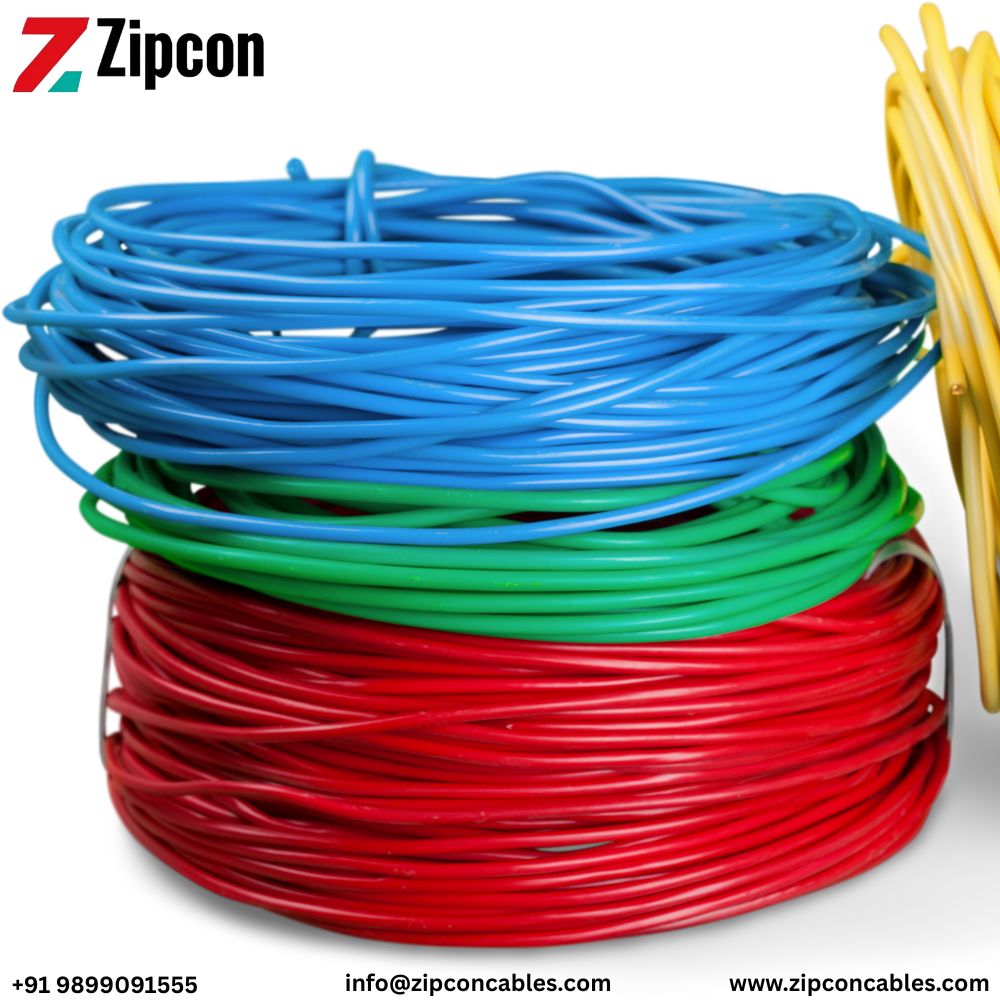
Housing wire, commonly called house wire, is an electrical wire used for internal wiring in residential buildings and similar installations. It carries electrical power from distribution boards to lighting points, sockets, switches, appliances and other electrical loads.

Most housing wires consist of a conductive core surrounded by insulation. Copper is widely used because of its high conductivity and flexibility, while the insulation provides electrical separation and protection around the conductor.

Main Components of Housing Wire

A typical housing wire includes:

  • Conductive core: Carries electrical current through the circuit.
  • Insulation: Provides electrical separation and protects the conductor.
  • Stranding: Determines flexibility and handling characteristics.
  • Outer surface: Provides protection during installation and use.
  • Identification: Colour coding helps electricians identify different circuits and connections.

Why Quality Matters When Choosing Housing Wire

Electrical wires can remain installed for many years without being easily accessible. A poor-quality or incorrectly specified wire can therefore create problems that are expensive and difficult to correct after construction is complete.

Quality housing wire provides consistent electrical and insulation characteristics when correctly matched to the application. This helps support reliable circuits and reduces the possibility of problems associated with unsuitable materials or incorrect sizing.

Reliable Conductivity

The conductor is responsible for carrying current. High-quality copper conductors provide good conductivity and can help reduce unnecessary electrical losses when the wire is correctly sized for the circuit.

Conductor size is equally important. A quality conductor that is undersized for the intended load is still an unsuitable choice.

Durable Insulation

Insulation protects the conductor and maintains electrical separation from surrounding materials. It should withstand the expected operating conditions, including the specified voltage and temperature.

For concealed house wiring, dependable insulation is particularly important because access to the installed wire may be difficult.

Better Installation Performance

Flexible multistrand construction can make wires easier to route through conduits and around bends. This can simplify installation for electricians while helping create cleaner wiring routes.

The required level of flexibility depends on the installation, so the wire construction should be selected accordingly.

Types of Housing Wire in India

Different wire constructions are available for residential and commercial electrical installations. Choosing between them should depend on the project’s requirements rather than simply selecting the most heavily marketed option.

FR House Wire

FR stands for Flame Retardant. FR house wires are designed with insulation properties intended to help resist the spread of flame under specified test conditions.

They can be suitable for residential and commercial applications where flame-retardant characteristics are required.

FRLS House Wire

FRLS stands for Flame Retardant Low Smoke. These wires are designed to combine flame-retardant characteristics with reduced smoke generation under specified conditions.

FRLS wires can be considered for buildings where smoke characteristics are an important part of electrical product selection.

HRFR House Wire

HRFR generally refers to Heat Resistant Flame Retardant wire construction. These wires are designed to provide enhanced resistance to heat along with flame-retardant characteristics.

They can be considered for installations where operating temperature and flame-retardant performance need additional attention.

Multistrand House Wire

Multistrand housing wires contain several strands within the conductor rather than a single solid conductor. The smaller strands provide greater flexibility, which can make installation through conduits and electrical boxes easier.

Multistrand wires are commonly considered for residential wiring where convenient handling and routing are important.

How to Select the Best Housing Wire in India

The best housing wire for one property may not be the best choice for another. Selection should begin with the electrical design and then consider the wire’s technical specifications.

1. Determine the Electrical Load

Identify the expected load for each circuit before selecting the wire. Lighting circuits, socket circuits and high-power appliances can have different current requirements.

Correct conductor sizing helps the wire carry the expected load under the specified installation conditions.

2. Select the Appropriate Conductor Material

Copper is a common choice for housing wire because of its high conductivity and good flexibility. Aluminium can also be used in certain electrical applications, although conductor characteristics and termination requirements differ.

For typical internal house wiring, the conductor should be selected according to the electrical design and product specification.

3. Choose the Correct Wire Size

Wire size should be determined according to factors such as current capacity, installation method, voltage drop and applicable electrical requirements.

Avoid selecting wire size simply because it is commonly used in another property. The actual circuit load should determine the appropriate specification.

4. Consider Insulation Type

FR, FRLS, HRFR and other insulation constructions have different characteristics. Consider the building type, installation environment and required performance before selecting the insulation.

5. Check Applicable Standards

Choose products that meet relevant Indian electrical standards and certification requirements. Technical compliance provides a stronger basis for evaluating a wire than packaging, appearance or marketing claims.

Housing Wire for Different Applications

Residential Homes

Homes require electrical circuits for lighting, fans, sockets, kitchen equipment, air conditioning and other appliances. Each circuit should use an appropriately sized wire based on its expected load.

For concealed residential wiring, insulation quality and long-term reliability are important because replacing defective wiring can be disruptive.

Apartments

Apartment projects often involve repeated electrical specifications across multiple units. Consistent wire quality helps contractors maintain uniform installation standards throughout the project.

Using clearly specified products can also simplify procurement and quality checks during large-scale construction.

Commercial Buildings

Offices, shops and other commercial buildings can have varied electrical loads and operating conditions. Wire selection should account for the building’s electrical design and the type of equipment connected to each circuit.

Where required, specialized flame-retardant or low-smoke wire constructions can be evaluated for the project.

Renovation Projects

Older buildings may have deteriorated wiring or circuits that were designed for lower electrical loads. During renovation, existing circuits should be assessed before installing new wires.

Replacing outdated wiring with correctly specified housing wire can improve the reliability of the electrical installation when combined with appropriate circuit protection.

Examples of Housing Wire Selection

Example 1: New Home Construction

A new home may have separate circuits for lighting, general sockets, kitchen appliances and air conditioners. These circuits can have different load requirements.

Instead of selecting one wire size for the entire building, the electrical design should determine the suitable conductor size for each circuit.

Example 2: Apartment Project

A developer constructing several apartments needs consistent wiring specifications across each unit. A dependable house wire manufacturer can provide standardized products for repeated installation requirements.

The contractor can then maintain consistent conductor sizes, insulation types and product specifications across the project.

Example 3: Home Renovation

An older home may require replacement of existing wiring because of age, damage or increased electrical demand. The new wiring should be selected after evaluating the existing electrical system and expected future loads.

Simply replacing old wire with a visually similar product without checking circuit capacity can leave underlying electrical problems unresolved.

Expert Tips for Choosing Housing Wire

Prioritize technical specifications over price.
Compare conductor material, cross-sectional area, insulation type, flexibility and applicable standards before comparing prices.

Use the right wire for each circuit.
A lighting circuit and a high-load appliance circuit do not necessarily require the same conductor size.

Consider future electrical requirements.
Modern homes may add air conditioners, water heaters, kitchen appliances, EV charging or other equipment. Electrical planning should account for realistic future demand where appropriate.

Purchase from a reliable manufacturer.
Consistent manufacturing and traceable product specifications are important when selecting electrical wiring.

Use professional installation.
Even high-quality wire can perform poorly if installed incorrectly. Proper routing, termination, circuit protection and earthing are essential parts of a safe electrical system.

Common Mistakes When Buying Housing Wire

Choosing Only the Cheapest Wire

Low purchase price should not be the primary selection criterion for electrical wiring. Compare the complete technical specification and application suitability before making a purchasing decision.

Ignoring Wire Size

A wire that is too small for the circuit can experience excessive heating under unsuitable conditions. Always determine conductor size based on the electrical load and installation requirements.

Using One Wire Type Everywhere

Different environments and applications can require different wire constructions. Selecting one product without evaluating the specific requirements of each circuit may result in an unsuitable installation.

Ignoring Insulation Requirements

Insulation has an important role in electrical safety and durability. The insulation type should be appropriate for the expected voltage, temperature and installation environment.

Buying From Unverified Sources

Unverified products can make it difficult to establish their specifications, authenticity or compliance. Choose a reliable manufacturer or authorized supply channel wherever possible.

Why Choose ZIPCON Cables for Housing Wire?

ZIPCON Cables offers electrical wire and cable solutions designed for residential, commercial and industrial requirements. Its housing wire solutions can be considered for projects where reliable conductivity, suitable insulation and installation flexibility are important.

The ZIPCON range can include different wire constructions and sizes to suit varied electrical applications. Contractors, builders, electricians and homeowners should select the appropriate product according to the project’s load and installation requirements.

For those comparing options for the best housing wire in India, ZIPCON Cables is a brand worth considering alongside the product’s technical specifications, applicable standards and project requirements.

Conclusion

The best housing wire in India is one that combines suitable conductor quality, correct sizing, dependable insulation and application-specific performance. Brand reputation matters, but the final selection should always be based on the actual requirements of the electrical system.

For homes, apartments, commercial buildings and renovation projects, choose wires according to circuit load, installation conditions and applicable standards. ZIPCON Cables provides housing wire solutions that can be evaluated for a range of residential and commercial electrical applications.

Before installation, have the electrical design and wire selection verified by a qualified professional. Correct wire selection, proper circuit protection, suitable earthing and professional installation together create a safer and more reliable electrical system.

Top 5 FAQs

1. Which is the best housing wire in India?

The best housing wire depends on the application’s load, conductor size, insulation requirements, installation conditions and applicable standards. ZIPCON Cables is one option to consider when evaluating quality housing wire solutions.

2. Is copper housing wire good for home wiring?

Yes. Copper is widely used for home wiring because it offers high electrical conductivity and good flexibility. The conductor size should still be selected according to the expected circuit load.

3. What is the difference between FR and FRLS housing wire?

FR wires are designed with flame-retardant characteristics, while FRLS wires combine flame-retardant characteristics with reduced smoke generation under specified test conditions. The appropriate type depends on the building and project requirements.

4. How do I choose the right housing wire size?

Select the wire size based on the circuit’s expected current, installation method, voltage-drop requirements and applicable electrical standards. A qualified electrician or electrical engineer should verify the final selection.

5. Why is multistrand housing wire preferred for some installations?

Multistrand wire contains multiple conductor strands, providing greater flexibility than a comparable solid conductor. This can make it easier to route through conduits, bends and electrical boxes during installation.

Premium Cable Manufacturer in Delhi for Homes and Industries
top cable manufacturer in delhi

Choosing the right electrical cable is not just a purchasing decision—it directly affects safety, efficiency, and long-term performance. For engineers, electricians, contractors, and procurement managers working across Delhi and NCR, cable selection often determines whether a project runs smoothly or faces repeated faults and maintenance issues. This is where working with a reliable, technically sound top cable manufacturer in delhi like Zipcon Cables, based in Delhi, becomes important.

Conductivity: The Core of Electrical Performance

Conductivity defines how efficiently electricity flows through a cable. Higher conductivity means lower resistance, reduced voltage drop, and better energy efficiency.

Copper cables offer superior conductivity, making them ideal for applications requiring stable current flow over long distances or under high loads. They reduce power loss and maintain consistent performance over time.
Alternative cable types, such as aluminium conductors, have lower conductivity and therefore require larger cross-sectional areas to carry the same current.

Practical insight:
In a commercial building with long cable runs, copper cables help maintain voltage stability across floors. In contrast, aluminium cables may be suitable for shorter runs where size adjustments are manageable.

Zipcon Cables focuses on maintaining conductor purity and uniform strand construction, ensuring predictable electrical performance in real-world conditions.

Durability: Designed for Real Environments

Cable durability depends heavily on insulation quality and resistance to environmental stress. Poor insulation leads to cracking, moisture ingress, and early failure.

High-quality cables should resist:

  • Heat generated during continuous load
  • Moisture in damp or underground installations
  • Chemicals in industrial environments
  • Mechanical stress during installation and use

In residential wiring, durability ensures decades of trouble-free operation. In industrial plants, it prevents downtime caused by insulation breakdown. Zipcon Cables designs insulation systems that meet these varying demands, making them suitable for both indoor and harsh outdoor applications.

Weight: Handling and Installation Efficiency

Weight plays a major role during transportation and installation. Copper cables are heavier, which can increase handling effort and installation time, especially in high-rise buildings or long routing paths.

Lighter cable options can reduce structural load and speed up installation. However, weight reduction should never compromise electrical or mechanical performance.

Example:
In a multi-storey housing project, lighter cables may reduce labor fatigue and installation time. But for critical feeder lines, copper’s weight is often justified by its electrical stability and durability.

Cost: Initial Price vs Long-Term Value

Cost evaluation should go beyond the purchase price. Copper cables typically have a higher upfront cost but offer:

  • Lower energy losses
  • Longer service life
  • Reduced maintenance and replacement costs

Alternative cables may be cost-effective in budget-sensitive projects, provided proper sizing and installation practices are followed.

Smart buying approach:
For permanent infrastructure like hospitals or data-heavy commercial buildings, investing in copper cables pays off long term. For temporary setups or controlled-load environments, cost-effective alternatives can work well.

Safety: A Non-Negotiable Factor

Electrical safety depends on insulation integrity, fire resistance, and compliance with Indian standards. Poor-quality cables increase risks of short circuits, overheating, and fire hazards.

A top cable manufacturer in Delhi must ensure:

  • Flame-retardant insulation
  • Consistent insulation thickness
  • Compliance with IS standards
  • Reliable short-circuit performance

Zipcon Cables emphasizes safety-focused manufacturing, making their cables suitable for residential, commercial, and industrial use where human safety and asset protection are critical.

Installation Needs: Practical Site Considerations

Ease of installation affects both labor cost and long-term reliability. Key factors include:

  • Flexibility for bending and routing
  • Adequate bending radius
  • Easy termination at panels and equipment
  • Performance in tight or congested spaces

Electricians prefer cables that are flexible yet robust. Site engineers value predictable performance during long runs. Zipcon Cables designs its products keeping these real installation challenges in mind.

Typical Use Cases: Choosing the Right Cable

Residential Wiring:
Copper cables are preferred for safety, longevity, and consistent performance.

Commercial Buildings:
Copper works best for lighting, power, and backup systems where voltage stability is essential.

Industrial Plants:
Heavy-duty copper cables handle high loads and continuous operation reliably.

Solar & Renewable Energy Systems:
Both copper and alternative cables are used, depending on distance, load, and cost targets.

Submersible Pumps & Outdoor Installations:
Durable insulation and moisture resistance are critical—cable quality matters more than material alone.

Direct Recommendation: What Should You Choose?

  • Choose copper cables for high-load, long-term, and safety-critical applications.
  • Choose cost-effective alternatives for shorter runs, controlled environments, and budget-driven projects—without compromising standards.
  • Always prioritize certified quality, insulation performance, and manufacturer reliability.

Final Takeaway

Being a top cable manufacturer in Delhi is not about offering the cheapest product—it’s about delivering consistent performance, safety, and reliability across applications. By focusing on conductivity, durability, safety, and practical installation needs, Zipcon Cables stands out as a dependable choice for engineers, electricians, and project decision-makers seeking long-term value and peace of mind.

Best Submersible Cable In Madhya Pradesh
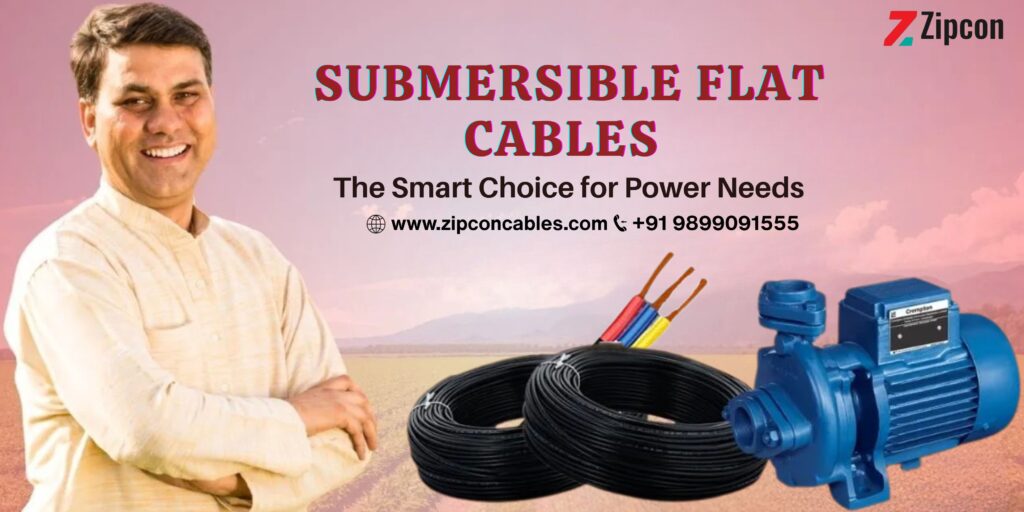
Submersible Flat Cable

When selecting best submersible cables for various applications in Madhya Pradesh, it’s important to evaluate key factors such as conductivity, durability, weight, cost, safety, and installation requirements. Both copper and aluminum submersible cables have their unique advantages, and understanding these differences can help you make the best decision for your specific needs. Zipcon Cables offers a range of high-performance submersible cables that meet these criteria, ensuring that you get a reliable and cost-effective solution.

Conductivity: Copper vs. Aluminum

Copper cables are widely known for their superior electrical conductivity. Copper’s conductivity is around 60% better than that of aluminum, which makes it the preferred choice for applications requiring high power transmission with minimal energy loss. In submersible pumps, where consistent and efficient power delivery is crucial, copper cables help ensure that energy is transferred effectively, resulting in lower power consumption and optimal performance.

Aluminum cables, on the other hand, are less conductive but still perform well in many submersible applications. Although the power loss is higher compared to copper, aluminum is a good alternative for applications where conductivity requirements are less demanding, and budget constraints are more significant.

Durability: Performance in Harsh Environments

Submersible cables are exposed to constant submersion in water, as well as varying temperatures and pressures. Copper cables typically offer better durability in such harsh conditions because copper is highly resistant to corrosion and oxidation. Over time, this resistance helps copper cables last longer, even in water-based environments where the cable is submerged for extended periods.

Aluminum cables, while still durable, are more prone to oxidation over time. When exposed to moisture, aluminum can corrode more quickly than copper, especially in areas with high humidity or temperature fluctuations. However, modern aluminum cables often come with protective coatings that help enhance their longevity, making them suitable for less critical installations where long-term exposure is a factor.

Weight: Impact on Installation and Use

When it comes to weight, copper cables are significantly heavier than aluminum cables. This difference can have practical implications during installation. Copper’s heavier weight may require more labor or special equipment to handle, especially in large-scale installations or deep-well submersible pumps. However, the additional weight can provide some advantages, such as greater stability and less chance of kinking or damage over time.

Aluminum cables, being lighter, are easier to handle and install. The lighter weight reduces the overall burden on installation teams, which can speed up the process and make it more cost-effective. For projects where multiple cables need to be installed quickly, or in locations where transportation and handling are factors, aluminum cables may be the preferred choice.

Cost: Copper vs. Aluminum

Copper cables are typically more expensive due to their higher conductivity and durability. However, the initial higher cost may be justified by the long-term benefits they offer, such as lower maintenance and better overall performance in demanding environments.

Aluminum cables are more budget-friendly, making them an attractive option for projects with a limited budget. While the performance may be slightly lower, aluminum cables can still provide good value for money in less demanding submersible applications.

For users in Madhya Pradesh who need to balance performance with budget, aluminum cables may be the better option for less critical installations, while copper cables should be chosen for applications that demand high reliability and long-term durability.

Safety: Ensuring Safe Operation

Both copper and aluminum cables offer safety benefits, but the key to safety in submersible cables lies in their insulation and corrosion resistance. Copper cables often have superior insulation resistance, ensuring better protection from external factors like water and temperature changes. Proper insulation helps prevent short circuits and ensures safe voltage management.

Aluminum cables also come with insulating layers, and their newer models often feature coatings designed to prevent corrosion. However, the safety of aluminum cables can be compromised if not installed correctly, as their joints can weaken more quickly compared to copper cables.

Installation Needs: Considerations for Ease and Flexibility

When it comes to installation, copper cables tend to be less flexible due to their higher density, making them more challenging to bend and manipulate during installation. However, they are still manageable, and the benefits of durability and performance often outweigh this drawback in critical applications.

Aluminum cables, being more flexible and lightweight, are easier to install and handle. They can be bent with greater ease, making them suitable for applications that require frequent changes or maintenance. Installation teams will find aluminum cables easier to manage in complex or large-scale setups.

Typical Use Cases: When to Choose Copper vs. Aluminum

Copper cables are best suited for high-performance applications, such as deep-well submersible pumps, industrial installations, and areas with high electrical demand. These applications benefit from copper’s superior conductivity, durability, and long-term cost-effectiveness.

Aluminum cables, while not as conductive as copper, are ideal for budget-conscious installations where the power requirements are moderate. They are often used for residential submersible pumps, irrigation systems, and smaller-scale projects that don’t require the high performance of copper cables.

Conclusion: Choosing Zipcon Cables for Your Needs

When selecting submersible cables, the decision between copper and aluminum depends on the specific requirements of your project. For high-performance, long-lasting solutions, copper cables from Zipcon Cables are the best choice. They offer superior conductivity, durability, and safety, making them perfect for demanding applications. On the other hand, if you need a cost-effective solution for less critical installations, aluminum cables from Zipcon Cables provide a reliable and budget-friendly alternative.

By choosing Zipcon Cables, you ensure that you get the best submersible cable for your needs, backed by a trusted brand that prioritizes quality, safety, and performance. Whether you need copper or aluminum, Zipcon’s products deliver reliability and efficiency for a wide range of applications across Madhya Pradesh.

Best Submersible Cable In Maharashtra

When it comes to selecting submersible cables for various applications in Maharashtra, making the right choice can be crucial. With a wide range of options available, it is essential to understand the key factors that affect cable performance. This article will guide you through the critical elements of submersible cables, focusing on copper and aluminum, the two most commonly used materials. We’ll explore conductivity, durability, weight, cost, safety, installation needs, and typical use cases to help you make an informed decision.

Conductivity

The performance of a best submersible cable in maharashtra is heavily influenced by its conductivity, as it determines how effectively the cable can carry electric current. Copper cables are renowned for their excellent conductivity, being a better choice for high-power applications that demand maximum current flow. Copper’s lower resistance allows for more efficient power transmission, reducing energy losses, which is particularly important in submersible pumps or motors that require stable power delivery over extended periods.

In comparison, aluminum cables have a lower conductivity, meaning they require a larger cross-sectional area to carry the same amount of current as copper. While aluminum is still a good conductor of electricity, the higher resistance can lead to increased heat generation and energy loss. Therefore, copper is generally preferred for applications requiring high reliability and efficiency, especially in harsh environments like deep-water submersible pumps.

Durability

Submersible cables are often exposed to harsh environmental conditions, including high moisture levels, temperature fluctuations, and sometimes, harsh chemicals. The material used in the cable determines how well it can withstand these challenges. Copper cables have strong corrosion resistance, making them suitable for long-term use in water and underwater applications. However, over time, copper cables may still suffer from some degree of corrosion due to prolonged exposure to water, particularly in areas with high salinity, though they remain highly durable in most conditions.

On the other hand, aluminum cables are more prone to corrosion when exposed to water, especially saltwater, and may require special coatings or treatments to enhance their longevity. However, in freshwater or other less corrosive environments, aluminum cables can last well, though they might still degrade faster compared to copper. It’s essential to consider the environmental conditions of your installation location before making a decision.

Weight

The weight of the cable is an important consideration for installation and handling. Copper cables are denser and heavier than aluminum cables, making them more cumbersome to transport and install. While this may not be a major issue in smaller installations, it can increase the cost and complexity of installing large cables for deep-water applications or large-scale projects.

Aluminum cables, being lighter, are easier to handle and install, especially for larger installations where weight becomes a concern. This makes aluminum a practical option for extensive submersible installations, where ease of handling and reduced installation time are critical.

Cost

One of the most significant factors that influence the choice of submersible cable is cost. Copper is more expensive than aluminum due to its higher conductivity and better performance. However, the increased cost of copper may be justified for applications that require reliable and efficient power transmission over long distances, especially in critical systems like water supply pumps or deep-well pumps.

Aluminum, while cheaper, may not provide the same level of efficiency and durability as copper. It is often chosen for large-scale installations or projects where budget constraints are a primary consideration. In some cases, using aluminum cables can lead to additional costs down the line if the cables need to be replaced more frequently due to wear or corrosion.

Safety

Safety is always a top priority when selecting electrical cables, and submersible cables are no exception. Both copper and aluminum cables are insulated to prevent electrical shocks and short circuits. The insulation used in submersible cables is typically designed to withstand submersion in water and protect the internal wires from damage.

Copper’s superior conductivity allows it to handle higher power loads without generating excessive heat, which can reduce the risk of electrical fires. However, it’s essential to ensure that the insulation is rated for the specific conditions in which the cable will be used, especially when dealing with high voltages or extreme depths.

Aluminum cables can also be safe when properly insulated, but their higher resistance can lead to heat buildup, particularly in applications with high current demands. It is crucial to select aluminum cables with appropriate insulation and consider factors like temperature resistance and moisture protection when making a choice.

Installation Needs

The ease of installation is another factor that must be taken into account when selecting submersible cables. Copper cables, due to their weight and rigidity, may require more specialized tools and techniques during installation. Their heavier weight can slow down the installation process, especially in deep-well or underwater applications. It’s essential to ensure that the installation team is equipped with the necessary tools to handle these cables efficiently.

Aluminum cables, being lighter and more flexible, are easier to install, particularly for large-scale installations. This can reduce both installation time and labor costs, making aluminum a practical choice for projects where time is a factor.

Typical Use Cases

When deciding between copper and aluminum submersible cables, it’s important to consider the specific needs of your application.

  • Copper Cables: These are ideal for high-power applications, such as deep-water submersible pumps and motors, where maximum efficiency and long-term durability are required. Copper’s superior conductivity makes it the go-to choice for high-demand installations, especially when water exposure is constant, and reliability is crucial.
  • Aluminum Cables: These are best suited for larger installations where cost is a primary concern, and power requirements are lower. They are commonly used in irrigation systems, municipal water supply projects, and other large-scale applications where the initial cost savings can offset the slightly reduced performance compared to copper.

Conclusion

Choosing the best submersible cable for your needs in Maharashtra depends on various factors, including conductivity, durability, weight, cost, safety, installation requirements, and the specific application. Copper cables are more efficient and durable, making them ideal for high-power applications, while aluminum cables offer a cost-effective solution for large-scale projects with lower power demands. Assessing the environmental conditions, power requirements, and budget constraints will help guide your decision on the best cable type for your project.

If you’re unsure about which type of submersible cable to choose, consulting with a professional like Zipcon Cables can ensure that you select the right product for your specific needs.

Best Solar Cables Manufacturer in Rajasthan

Rajasthan’s rapid expansion in rooftop, commercial, and utility-scale solar projects has made cable selection a critical engineering decision—not a procurement afterthought. High ambient temperatures, intense UV exposure, and long cable runs place real performance stress on solar DC cables. For EPC contractors, engineers, electricians, and buyers, the key question is not just which cable, but which conductor material best fits the application.

This article explains how to evaluate copper and aluminum solar cables using practical performance parameters and real-world usage scenarios, helping you make confident, application-driven decisions. It also highlights why choosing a reliable solar cable manufacturer in Rajasthan matters for long-term system performance.

Key Parameters for Evaluating Solar Power Installation Cables

Conductivity and Energy Efficiency

Conductivity directly impacts voltage drop and energy loss. Copper has significantly higher electrical conductivity than aluminum, allowing it to carry the same current with a smaller cross-sectional area. This makes copper solar cables more efficient, particularly in compact installations where cable size and losses matter.

Aluminum solar cables, while less conductive, can still meet system requirements when sized correctly. In longer runs, proper upsizing compensates for conductivity differences, making aluminum technically viable in many large installations.

Durability and Lifespan in Harsh Conditions

Solar cables in Rajasthan must tolerate prolonged heat, UV radiation, dust, and dry conditions. Copper conductors offer better mechanical strength and resistance to fatigue, making them suitable for installations where long-term reliability with minimal maintenance is expected.

Aluminum conductors are lighter but more susceptible to creep and oxidation if not properly designed. High-quality insulation, correct termination practices, and manufacturer-controlled alloy selection are critical to ensure long service life.

Weight and Flexibility During Installation

Weight affects handling, routing, and installation time. Copper solar DC cables are heavier but more flexible, which is beneficial in confined rooftop spaces or complex conduit paths.

Aluminum solar cables are substantially lighter, reducing structural load and making them easier to deploy across long distances—an important advantage in large solar farms where hundreds of meters of cabling are involved.

Cost Considerations: Short-Term vs Long-Term

Copper cables have a higher upfront material cost. However, their higher efficiency, smaller size requirements, and reduced energy loss can offer long-term operational savings in high-load systems.

Aluminum cables are more cost-effective at scale. For utility-scale solar farms or long-distance DC runs, material and transportation savings often outweigh the need for slightly larger conductor sizes.

Safety and Insulation Standards

Regardless of conductor material, insulation quality defines safety. Solar power installation cables must meet industry standards for UV resistance, thermal stability, flame retardance, and electrical insulation.

A trusted solar cable manufacturer in Rajasthan ensures compliance with relevant IS, IEC, and TÜV standards, along with consistent insulation thickness and material quality. Manufacturers like Zipcon Cables focus on application-specific insulation design rather than generic cable construction.

Installation and Maintenance Requirements

Copper cables are easier to terminate and less sensitive to connection torque variations. This reduces the risk of loose joints and overheating—especially important in residential and commercial rooftop systems.

Aluminum cables require stricter installation discipline, including proper lugs, anti-oxidation compounds, and controlled torque. When installed correctly, they perform reliably, but poor workmanship can reduce system safety.

Copper vs Aluminum Solar Cables: Application-Based Comparison

Where Copper Solar Cables Perform Better

Copper is the preferred choice when:

  • Space is limited and higher current density is required
  • Energy efficiency and voltage stability are critical
  • Maintenance access is limited
  • Rooftop or residential installations demand compact routing

Its higher conductivity and mechanical robustness make copper solar cables ideal for systems where long-term performance outweighs initial cost.

Where Aluminum Solar Cables Make More Sense

Aluminum performs well when:

  • Cable runs are long and straight
  • Weight reduction is important
  • Budget constraints are significant
  • Installations are utility-scale or ground-mounted

With correct sizing and installation, aluminum solar cables offer a cost-effective solution for large power capacities.

Typical Solar Cable Use Cases

Rooftop Solar Systems

Residential and commercial rooftops benefit from copper solar DC cables due to limited space, higher current density, and ease of termination. Flexibility and compact size simplify installation and reduce stress on mounting structures.

Utility-Scale Solar Farms

Large solar parks in Rajasthan often favor aluminum solar cables. Long-distance runs, lower material costs, and reduced weight make aluminum practical and economically efficient for megawatt-scale projects.

Industrial vs Residential Installations

Industrial systems may balance copper and aluminum depending on load and layout. Residential installations typically prioritize copper due to simpler installation, lower maintenance expectations, and compact routing needs.

Practical Decision-Making Guidance

When choosing between copper and aluminum solar cables, consider:

  • High load + short run: Copper
  • Long distance + cost sensitivity: Aluminum
  • Confined space or rooftop: Copper
  • Utility-scale open layout: Aluminum

Equally important is choosing a manufacturer with proven quality control, consistent conductor purity, and application-tested insulation systems. A reliable solar cable manufacturer in Rajasthan—such as Zipcon Cables—focuses on engineering suitability rather than one-size-fits-all products.

Final Perspective

Copper and aluminum solar cables are both technically sound choices when selected correctly. The right decision depends on load, distance, environment, installation conditions, and long-term performance expectations. By evaluating cables using real-world performance factors and working with a trusted manufacturer, solar professionals can ensure safe, efficient, and durable power systems built for Rajasthan’s demanding conditions.

Best House Wire in India | Reliable Wiring Solutions by ZIPCON
 house wire in India

Choosing the best house wire in India is an important decision for electrical safety, reliable power transmission, and long-term performance. House wires carry electricity throughout a property, so their conductor quality, insulation, size, flexibility, and suitability for the electrical load matter.

A good house wire should provide consistent electrical performance while protecting against overheating, short circuits, insulation damage, and everyday installation stress. The right wire also depends on where it will be used, such as lighting circuits, sockets, appliances, air conditioners, or heavy-load equipment.

For homeowners, electricians, contractors, and builders, ZIPCON Cables is a reliable option to consider when selecting house wires for residential and electrical installations. The correct choice should always be based on electrical requirements rather than price alone.

For inquiries or assistance:https://zipconcables.com/contact-us/

What Is House Wire?

House wire is an insulated electrical wire designed primarily for internal electrical installations in homes, apartments, offices, shops, and similar buildings. It normally consists of a conductive core surrounded by insulation that protects the conductor and reduces the risk of electrical contact.

Copper is commonly used as a conductor because of its high electrical conductivity and suitability for residential wiring. The insulation is selected to provide electrical separation and protection under the expected installation conditions.

Different house wires are available in various cross-sectional areas, insulation constructions, colours, and configurations. The appropriate specification depends on the circuit’s electrical load and installation requirements.

What Makes the Best House Wire in India?

The best house wire is one that matches the electrical requirements of the installation and provides dependable performance over its expected service life.

Several factors should be considered before selecting a house wire.

High-Quality Conductor

The conductor is responsible for carrying electrical current. A quality conductor helps provide efficient current transmission and consistent electrical performance.

For residential wiring, copper conductors are widely preferred because of their conductivity and practical installation characteristics.

Reliable Insulation

Good insulation is essential because it separates the conductor from people, other conductors, and surrounding materials. It also helps protect the wire from common electrical and environmental stresses.

The insulation should be suitable for the expected voltage, temperature, installation method, and operating conditions.

Correct Wire Size

Wire size must match the electrical load. Common residential sizes include 1 sq mm, 1.5 sq mm, 2.5 sq mm, 4 sq mm, and 6 sq mm, although the appropriate size depends on the specific circuit and applicable electrical requirements.

A wire that is too small for the load can overheat, while unnecessarily large wiring can increase installation costs without providing a meaningful benefit.

Flexibility

House wiring often involves bends around conduits, switchboards, junction boxes, and electrical fixtures. Flexible construction can make installation easier and reduce unnecessary stress on the wire.

However, flexibility should not be considered separately from conductor quality and insulation performance.

Common House Wire Sizes and Applications

Selecting the right wire size is one of the most important parts of residential electrical planning.

House Wire SizeTypical Application*
1 sq mmLight-duty circuits where permitted by design
1.5 sq mmLighting and fan circuits
2.5 sq mmGeneral socket and moderate-load circuits
4 sq mmHigher-load appliances and dedicated circuits
6 sq mmHeavy-load residential applications

*These are general examples, not a substitute for electrical load calculations or local electrical requirements.

The actual wire size should be selected by considering current demand, circuit length, installation method, ambient temperature, voltage drop, and applicable electrical standards.

Types of House Wires

Single Core House Wire

Single core wires contain one conductor with insulation around it. They are commonly used for residential wiring inside conduits and distribution systems.

Their straightforward construction makes them practical for many fixed electrical installations.

Multistrand House Wire

Multistrand house wires contain multiple fine conductor strands rather than one solid conductor. This construction can provide greater flexibility, which is useful when wires need to pass through bends and conduits.

ZIPCON Multistrand House Wire can be considered for installations where flexible and organized residential wiring is required.

Copper House Wire

Copper house wires are widely used because copper provides high electrical conductivity and good termination characteristics.

For residential circuits, copper wiring is often selected where reliable electrical performance and practical installation are priorities.

Why Wire Size Matters in Home Electrical Wiring

Wire size directly affects how much current a conductor can safely carry under specific installation conditions. The electrical load, cable length, surrounding temperature, grouping, and installation method all influence the final selection.

For example, a lighting circuit generally has a different load requirement from a circuit supplying an air conditioner, water heater, or other high-power appliance.

Instead of selecting one wire size for the entire house, electrical circuits should be planned according to their individual loads and requirements.

House Wire vs Cable: What’s the Difference?

The terms wire and cable are often used interchangeably in everyday conversation, but they can describe different constructions.

A wire generally refers to a conductor or insulated conductor, while a cable typically contains one or more insulated conductors within an overall construction or sheath.

For residential internal wiring, insulated house wires are commonly installed inside conduits. Multi-core cables may be used for applications where multiple insulated conductors are combined within one cable assembly.

Applications of House Wires

House wires are used throughout residential electrical systems, including:

  • Lighting circuits
  • Fan circuits
  • Switchboards
  • Power sockets
  • Distribution boards
  • Home appliances
  • Dedicated appliance circuits
  • Residential electrical panels
  • Internal conduit wiring

The wire specification should always match the circuit’s electrical requirements and installation conditions.

Examples of Choosing House Wire

Example 1: Lighting Circuit

A lighting circuit generally has a lower electrical load than a heavy appliance circuit. A suitable smaller wire size may therefore be sufficient when permitted by the electrical design.

The electrician should still calculate the expected load and select the wire according to applicable requirements.

Example 2: General Power Sockets

Power sockets can supply multiple types of appliances, so their circuit requirements may be higher than basic lighting circuits. A suitably sized wire should be selected based on the expected load and circuit design.

Example 3: Air Conditioner

An air conditioner may require a dedicated circuit because of its electrical demand. The wire size should be determined from the appliance rating, circuit length, installation conditions, and manufacturer’s requirements.

Example 4: Complete Home Wiring

A typical house may use different wire sizes for lighting, sockets, kitchen appliances, air conditioning, and other circuits.

Using the same wire size everywhere is not necessarily the correct approach. Each circuit should be evaluated according to its actual electrical requirements.

Why Choose ZIPCON Cables for House Wiring?

When selecting a house wire manufacturer, buyers should consider conductor quality, insulation construction, manufacturing consistency, product specifications, and suitability for residential applications.

ZIPCON Cables offers house wiring solutions designed for residential and electrical installation requirements. Its range can be considered by homeowners, electricians, contractors, and builders looking for dependable wiring products.

For projects requiring multiple wire sizes, selecting a supplier with a suitable range can also simplify procurement and maintain consistency across different electrical circuits.

Expert Tips for Choosing the Best House Wire

1. Calculate the Electrical Load

Do not select wire size based only on the appliance name or physical thickness of the wire. The expected current and circuit conditions should determine the appropriate size.

2. Consider Voltage Drop

Longer circuits can experience greater voltage drop. For longer runs, the electrical design should account for cable length and the resulting voltage-drop requirement.

3. Check Insulation Quality

Inspect the insulation specification and ensure it is appropriate for the intended installation. Good insulation is essential for electrical separation and long-term protection.

4. Use the Correct Colour Identification

Different conductor colours are commonly used to help identify electrical functions. Follow the applicable wiring conventions and have installation carried out by a qualified electrician.

5. Purchase From a Reliable Manufacturer

A reputable manufacturer can provide consistent product specifications and quality across different batches. This is particularly important for large residential and construction projects.

6. Don’t Compromise on Safety

House wiring is not an area where the cheapest product should automatically be selected. The cost of replacing damaged wiring or dealing with electrical faults can be far higher than choosing a suitable quality product initially.

Common Mistakes When Buying House Wire

Choosing Wire Based Only on Price

A low purchase price does not necessarily mean better value. Compare conductor construction, insulation, specifications, and suitability for the application.

Using the Same Size for Every Circuit

Different circuits have different loads. Lighting, sockets, kitchen appliances, and heavy-load equipment may require different wire sizes.

Ignoring Installation Conditions

Temperature, conduit arrangement, cable grouping, circuit length, and installation method can affect electrical performance.

Buying Without Checking Specifications

Always verify the conductor material, cross-sectional area, insulation, voltage requirements, and applicable standards before purchasing.

DIY Electrical Installation

Incorrect electrical installation can create serious safety risks. Residential wiring should be designed and installed according to applicable electrical requirements by a qualified professional.

Conclusion

The best house wire in India is not simply the wire with the lowest price or largest conductor. It is the wire that provides the right combination of conductor quality, insulation, size, flexibility, electrical capacity, and suitability for the intended installation.

For homeowners, builders, contractors, and electricians, ZIPCON Cables is a practical brand to consider for residential wiring requirements. Choose the wire according to the electrical load, circuit length, installation conditions, and applicable specifications.

For dependable home wiring, focus on the right wire for the right circuit rather than using a one-size-fits-all approach. Proper selection and professional installation are essential for safe, reliable, and long-lasting electrical performance.

Top 5 FAQs

1. Which is the best house wire in India?

The best house wire depends on the electrical load, application, installation method, and required specifications. A quality copper house wire with suitable insulation and the correct cross-sectional area is a common choice for residential wiring.

2. Which wire size is best for home wiring?

There is no single wire size for an entire house. Common sizes such as 1.5 sq mm, 2.5 sq mm, 4 sq mm, and 6 sq mm may be used for different circuits depending on their electrical load and design.

3. Is copper wire good for house wiring?

Yes. Copper is widely used for house wiring because of its high electrical conductivity and practical installation characteristics. The conductor size and insulation must still be appropriate for the specific circuit.

4. What should I check before buying house wire?

Check the conductor material, wire size, insulation construction, voltage requirements, flexibility, applicable standards, manufacturer specifications, and suitability for the intended electrical application.

5. Why choose ZIPCON house wires?

ZIPCON Cables provides house wiring solutions for residential and electrical applications. Buyers can consider ZIPCON based on conductor construction, insulation, available sizes, application requirements, and overall product specifications.

Best Flexible Cable Manufacturer in India
Flexible Cable Manufacturer in India

Choosing the best flexible cable manufacturer in India is important when electrical systems require reliable power transmission, easy installation and long-term flexibility. Flexible cables are designed to withstand repeated bending, movement and demanding installation conditions without compromising electrical performance.

Unlike standard rigid cables, flexible cables are suitable for applications where the cable needs to move, bend or pass through tight spaces. They are widely used in machinery, control panels, industrial equipment, construction, automation systems, commercial installations and other electrical applications.

For buyers, the right manufacturer should offer more than flexibility. Conductor quality, insulation, sheath strength, manufacturing consistency, safety, size availability and application suitability all influence cable performance. ZIPCON Cables focuses on these factors to provide dependable flexible cable solutions for different electrical requirements.

For inquiries or assistance:https://zipconcables.com/contact-us/

What Is a Flexible Cable?

A flexible cable is an electrical cable designed to bend and move more easily than conventional rigid cables. Its flexibility generally comes from the use of finely stranded conductors, suitable insulation materials and a protective outer sheath engineered for repeated movement.

The construction allows the cable to be routed around corners, through confined areas or along moving equipment. Depending on the design, flexible cables can be used for power supply, control systems, machinery connections and other electrical installations.

Why Flexible Cables Are Different

The key difference is conductor construction. A flexible cable generally uses multiple fine strands instead of a single solid conductor or fewer large strands. These strands allow the conductor to bend repeatedly while maintaining electrical continuity.

The insulation and outer sheath also play an important role. A good flexible cable must balance bendability, mechanical strength, electrical insulation and environmental protection.

Why Choose a Reliable Flexible Cable Manufacturer in India?

The manufacturer you choose directly affects the consistency and service life of the cable. Even when two cables have the same nominal size, differences in conductor quality, insulation thickness, stranding and manufacturing control can affect actual performance.

A reliable manufacturer follows controlled production processes and maintains consistency across cable batches. This becomes particularly important for bulk purchases, OEM requirements, industrial projects and electrical contractors.

Consistent Conductor Quality

The conductor is responsible for carrying electrical current. High-quality copper or aluminium conductors with appropriate stranding provide dependable conductivity and flexibility.

For flexible applications, conductor construction matters because excessive bending can place mechanical stress on individual strands. Properly stranded conductors distribute this stress more effectively.

Strong Insulation

Insulation separates the conductor from other conductive components and protects against electrical leakage. It must have appropriate mechanical and thermal properties for the intended application.

Poor insulation can lead to cracking, abrasion or reduced electrical protection. A quality manufacturer therefore needs to maintain controlled insulation thickness and material quality.

Durable Outer Sheath

The outer sheath protects the cable from external mechanical and environmental conditions. Depending on application, the cable may encounter abrasion, moisture, heat, chemicals or continuous movement.

A suitable sheath provides an additional layer of protection while maintaining the flexibility required for installation.

Key Features of a High-Quality Flexible Cable

When comparing flexible cable manufacturers in India, buyers should evaluate the cable construction rather than relying only on price.

High Flexibility

A flexible cable should bend smoothly without excessive resistance. This is especially important for machinery, control equipment and installations where cables need to be routed through restricted spaces.

Fine-Stranded Conductor

Fine stranding improves cable flexibility and allows the cable to tolerate bending more effectively than many rigid conductor constructions.

Reliable Insulation

The insulation should provide dependable electrical separation while remaining sufficiently flexible for the intended installation.

Mechanical Protection

A quality outer sheath helps protect the cable against abrasion, handling and installation-related stress.

Consistent Manufacturing

Uniform conductor dimensions, insulation thickness, stranding and sheath construction help deliver predictable performance from one cable length to another.

Applications of Flexible Cables

Flexible cables are used across residential, commercial and industrial environments. Their suitability depends on cable construction, voltage rating, environmental conditions and the specific installation.

Industrial Machinery

Machines often have moving components that require cables capable of bending and repositioning. Flexible cables can simplify routing around motors, equipment and moving assemblies.

Control Panels

Flexible cables are commonly useful for internal and external connections in electrical control systems because they can be routed through compact spaces.

Construction Projects

Electrical installations on construction sites can involve temporary routing, equipment connections and areas where conventional rigid cables are difficult to position.

Commercial Electrical Systems

Flexible cables can be useful for equipment connections, power distribution arrangements and installations requiring easier cable routing.

Automation and Equipment

Automation systems often involve moving machinery and repeated cable movement. In these environments, selecting a cable specifically designed for the expected movement is important.

Flexible Cable vs Rigid Cable

FeatureFlexible CableRigid Cable
BendingEasy and convenientMore restricted
ConductorUsually finely strandedSolid or less-flexible construction
Moving applicationsHighly suitableGenerally less suitable
Tight routingBetter suitedMore difficult
Machinery connectionsSuitable for many applicationsApplication-dependent
Installation flexibilityHighModerate to low

The choice should always depend on the installation. A flexible cable is not automatically the best option for every electrical system. Cable size, voltage, current capacity, temperature, installation method and environmental exposure should all be considered.

How to Choose the Best Flexible Cable Manufacturer in India

Selecting a manufacturer should involve more than checking product availability. Consider the following factors before placing an order.

1. Check Conductor Material

Determine whether the application requires copper or aluminium conductors. Copper generally provides high conductivity and is widely used where compact and flexible cable construction is required.

2. Verify Cable Size

Cable size should match the electrical load and installation requirements. Using an undersized cable can result in excessive heating and poor performance.

3. Consider the Installation Environment

Identify whether the cable will be exposed to moisture, heat, abrasion, chemicals, outdoor conditions or continuous movement. The cable construction should match these conditions.

4. Evaluate Flexibility Requirements

Not every cable described as flexible is designed for continuous movement. If a cable will repeatedly bend during operation, select a product specifically suited to that duty.

5. Look at Manufacturing Consistency

For commercial and industrial purchases, consistency is critical. A dependable manufacturer should maintain uniformity across cable sizes, batches and production runs.

6. Compare Quality and Total Value

The lowest initial price does not necessarily represent the lowest overall cost. A cable with better durability and reliable performance can reduce replacement, maintenance and installation issues over time.

Why ZIPCON Cables Is a Strong Choice

ZIPCON Cables can be positioned as a reliable choice for customers looking for flexible cable solutions in India. The focus should be on dependable cable construction, application-specific performance and consistent manufacturing quality.

For contractors, distributors, industrial buyers and electrical professionals, the value of a cable comes from how reliably it performs after installation. ZIPCON Cables aims to combine quality materials, practical cable designs and dependable electrical performance for a range of applications.

Whether the requirement is for commercial wiring, industrial equipment, control systems or other electrical installations, selecting the appropriate ZIPCON cable according to the application helps achieve safer and more efficient cable installation.

Examples: Choosing the Right Flexible Cable

Example 1: Industrial Machine

Suppose a machine has a cable connection that needs to bend whenever the equipment moves. A suitably designed flexible cable can provide easier movement and reduce mechanical stress compared with a conventional rigid cable.

Example 2: Control Panel Installation

A control panel may contain numerous connections in a confined space. Flexible cables can make routing and termination easier, particularly where cables need to be positioned around components.

Example 3: Commercial Equipment

Equipment installed in commercial facilities may require cables to pass through restricted spaces. A flexible construction can simplify installation while maintaining reliable electrical connectivity.

Expert Tips for Buying Flexible Cables

  • Match the cable to the application, not just the price.
  • Select the correct conductor material and cross-sectional area.
  • Check the cable’s voltage and temperature suitability.
  • For moving equipment, verify that the cable is designed for the required type of movement.
  • Consider moisture, abrasion, heat and environmental exposure before selecting the sheath construction.
  • Purchase from a manufacturer that can maintain consistent quality and supply.
  • For large projects, confirm technical specifications before ordering bulk quantities.

Common Mistakes When Buying Flexible Cables

Choosing Only on Price

A cheaper cable may not provide the same conductor quality, insulation performance or mechanical durability. Price should be evaluated alongside specifications and expected service life.

Ignoring Cable Size

Choosing a cable without calculating the expected electrical load can create unnecessary heating and performance problems.

Using a Standard Flexible Cable for Continuous Movement

General-purpose flexibility and continuous-flex performance are not necessarily the same. Moving machinery may require a cable specifically engineered for repeated movement.

Overlooking Installation Conditions

Temperature, moisture, abrasion and exposure to chemicals can influence cable life. These factors should be considered before purchasing.

Buying Without Checking Specifications

Cable appearance alone cannot confirm electrical or mechanical performance. Always review the technical specifications relevant to the installation.

Conclusion

Finding the best flexible cable manufacturer in India requires a focus on quality, construction, application suitability and manufacturing consistency. A reliable flexible cable should combine effective current carrying capacity with flexibility, insulation protection and mechanical durability.

For businesses and professionals searching for dependable cable solutions, ZIPCON Cables is a strong brand to consider. By selecting the appropriate cable size, conductor, insulation and sheath according to the application, buyers can achieve reliable performance and a more dependable electrical installation.

The right flexible cable is not simply the cable that bends easily—it is the cable that continues to perform reliably under the conditions for which it was designed.

Top 5 FAQs

1. Which is the best flexible cable manufacturer in India?

The best manufacturer depends on product quality, conductor construction, insulation, manufacturing consistency, application suitability and after-sales support. ZIPCON Cables is a strong option for customers seeking reliable flexible cable solutions for different electrical applications.

2. What makes a cable flexible?

Flexible cables typically use finely stranded conductors combined with flexible insulation and sheath materials. The combination allows the cable to bend more easily than conventional rigid cable constructions.

3. Where are flexible cables commonly used?

Flexible cables are commonly used in machinery, control panels, electrical equipment, construction, commercial installations, automation systems and applications where easier cable routing or movement is required.

4. How do I select the right flexible cable?

Consider the required cable size, conductor material, voltage, current load, temperature, installation environment and expected movement. For demanding applications, the cable should be selected according to the manufacturer’s technical specifications.

5. Why choose ZIPCON Cables for flexible cables?

ZIPCON Cables can be considered for its focus on dependable cable construction, consistent manufacturing and application-oriented electrical solutions. Buyers should select the specific ZIPCON cable according to their required electrical and installation conditions.

Submersible Flat Cables – Reliable Power Where Conditions Are Tough

Why Choose Submersible Flat Cables for Reliable Power Solutions?

Submersible flat cables have emerged as one of the most reliable power solutions for environments exposed to water and moisture. Their evolution reflects the growing demand for safer, more efficient electrical systems in agriculture, residential, and industrial sectors.

Earlier, conventional round cables were commonly used, but they often failed to perform well in wet or submerged conditions. Submersible flat cables were developed to overcome these limitations. Their water-resistant construction, combined with a flat design, makes them ideal for moisture-dominated and underwater applications.

In agriculture, the introduction of submersible flat cables transformed irrigation systems by providing stable power to submersible pumps. This improvement helped farmers achieve better water management and higher crop productivity. Similarly, industries operating in high-moisture environments rely on these cables for uninterrupted and safe power supply. Submersible flat cables are also widely used in residential borewell installations to ensure consistent electricity flow.

Modern manufacturing advancements by leading electrical cable manufacturers in India have further enhanced the durability, flexibility, and efficiency of these cables. Choosing a high-quality submersible flat cable from a trusted manufacturer like Zipcon Cables ensures long-term performance, safety, and productivity.

What Are Submersible Flat Cables?

Submersible flat cables are specially designed electrical cables used in underwater and moisture-prone environments. Their flat structure allows better heat dissipation, flexibility, and easier installation compared to traditional round cables.

Because of their robust insulation and water-resistant properties, these cables are widely preferred in agriculture, industries, and residential setups where electrical systems are exposed to water or humidity.

Why Choose Submersible Flat Cables?

Submersible flat cables offer several advantages that make them the ideal choice for wet and submerged applications:

1. Waterproof Design

Submersible flat cables feature advanced insulation that protects conductors from water ingress, ensuring reliable performance even under continuous submersion.

2. High Durability and Long Life

The use of high-quality aluminium or copper conductors enhances mechanical strength, making these cables resistant to wear, corrosion, and environmental stress.

3. Efficient Power Transmission

Designed to minimize power loss, submersible flat cables maintain stable electrical flow. Their heat-resistant structure ensures consistent performance despite temperature fluctuations.

4. Easy Installation

The flat design simplifies installation in borewells, pipelines, and confined spaces, making them suitable for both agricultural and industrial applications.

Zipcon Cables India: A Trusted Manufacturer

Zipcon Cables is among the leading electrical wire and cable manufacturers in India, specializing in high-quality submersible flat cables. Along with submersible cables, the company also manufactures copper flexible cables, telephone cables, and multi-strand cables, meeting diverse electrical requirements.

Key Features and Product Description

Submersible flat cables are engineered using advanced insulation and protective layers to ensure safety and performance in demanding environments.

  • Conductor: High-grade copper or aluminium for superior electrical conductivity
  • Insulation: PVC insulation that protects against moisture, short circuits, and corrosion
  • Outer Sheath: A strong protective layer that safeguards against chemicals, heat, and harsh environmental conditions

These features make submersible flat cables ideal for agricultural, industrial, and residential electrical installations.

Applications of Submersible Flat Cables

Submersible flat cables are widely used across various sectors, including:

  • Agriculture (irrigation systems and submersible pumps)
  • Industrial environments with high moisture levels
  • Residential borewell and water pump installations

Why Are Submersible Flat Cables Essential for Submersible Pumps?

Submersible pumps operate under extreme conditions, making safety and reliability crucial.

  • Water-resistant insulation protects conductors and ensures uninterrupted power supply
  • Superior conductivity from copper or aluminium minimizes power loss and enhances pump efficiency

Choosing the Right Submersible Flat Cable

Selecting the right cable depends on application requirements, efficiency needs, and durability expectations.

FactorMultistrand CablesCopper Flexible Cables
Key FeaturesHigh mechanical strengthHigh conductivity and efficiency
Ideal ForFlexible and durable installationsHigh-performance electrical systems
Conductor QualityAluminium or copperCopper
Insulation MaterialPVC or thermoplastic elastomerPVC or elastomer
DurabilityGood resistance to wearExcellent resistance to chemicals and moisture

Always assess your specific needs before making a final selection.

Why Are Submersible Flat Cables in High Demand?

Submersible flat cables are increasingly popular due to their:

  • Excellent underwater performance
  • Reliability in rugged environments
  • Thermal stability and long service life

Conclusion

Choosing the right submersible flat cable is essential for the safety, efficiency, and durability of electrical systems. Zipcon Cables manufactures high-quality, water-resistant submersible flat cables that meet national and international standards. In addition to submersible cables, Zipcon is also a trusted submersible flat cable manufacturer in India, delivering advanced solutions for modern communication needs.