

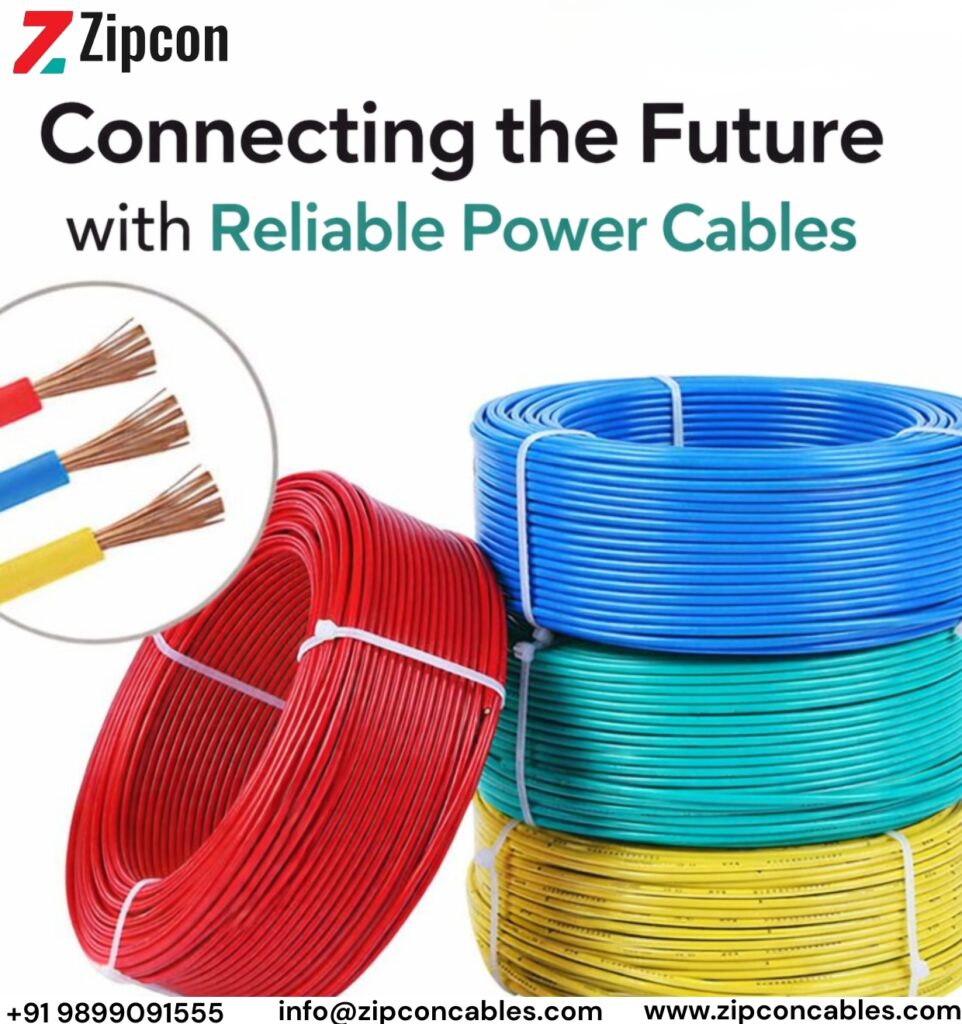
Flexible cables play a critical role in modern electrical and industrial systems. From factory floors and control panels to solar plants and residential wiring, these cables are designed to handle movement, vibration, and tight installation spaces without compromising safety or performance. For engineers, electricians, EPC contractors, and procurement teams, choosing the right flexible cable manufacturer is less about theory and more about how the cable performs in real operating conditions.
This guide explains how flexible cables work, what factors actually matter during selection, and how a dependable manufacturer like Zipcon Cables supports consistent, application-ready performance.
For inquiries or assistance, visit: 👉 https://zipconcables.com/contact-us/
What Are Flexible Cables and Why They Matter
Flexible cables are electrical cables made with fine, multi-stranded conductors instead of solid cores. This construction allows the cable to bend repeatedly without cracking or conductor fatigue. In real-world installations—where cables move, vibrate, or must fit into compact spaces—flexibility directly affects reliability, safety, and maintenance costs.
They are essential in machinery, control panels, renewable energy systems, and modern buildings where rigid cables would fail prematurely or be difficult to install.
Zipcon Cables as a Reliable Flexible Cable Manufacturer
Zipcon Cables focuses on manufacturing flexible cables that meet practical site requirements rather than just lab specifications. Their cables are produced using high-purity copper conductors, uniform stranding, and robust insulation materials that ensure consistent conductivity and long bending life.
Manufacturing processes follow strict quality checks for conductor resistance, insulation thickness, and flexibility consistency. For buyers, this translates into predictable performance across batches, easier compliance with project specifications, and fewer installation or post-installation issues.
Key Technical Factors That Actually Matter
Conductivity
Conductivity determines how efficiently current flows through a cable. Copper flexible cables offer excellent conductivity, resulting in lower voltage drop and reduced heat generation. This is especially important in high-load circuits, long cable runs, and safety-critical systems.
Durability and Bending Life
In applications involving movement, cable failure usually starts with conductor breakage. Fine-stranded copper conductors significantly improve bending life, making them suitable for machinery, robotics, and dynamic installations.
Weight and Flexibility
Flexible cables are easier to route, pull, and terminate, especially in congested panels or conduits. Lighter and more flexible designs reduce installation time and physical strain during large projects.
Cost Considerations
While copper flexible cables have a higher upfront cost, they typically offer better long-term value due to lower failure rates, reduced downtime, and minimal replacement needs.
Electrical and Fire Safety
Quality flexible cables use flame-retardant insulation and controlled conductor resistance. This reduces overheating risks and improves compliance with electrical safety standards in commercial and industrial environments.
Ease of Installation and Maintenance
Flexible cables simplify termination, reduce stress on connectors, and make future maintenance easier. This matters in projects where time, labor, and access are limited.
Copper Flexible Cables vs Alternative Options
Where Copper Flexible Cables Perform Better
- High current load applications
- Long-distance power transmission
- Voltage-sensitive equipment
- Safety-critical installations
- Industrial and commercial systems requiring long service life
Where Alternative Flexible Options May Be Suitable
- Low-load circuits
- Short-distance internal wiring
- Controlled environments with minimal movement
- Cost-sensitive, non-critical applications
Quick Comparison
- Conductivity: Copper flexible cables offer superior conductivity and lower losses
- Durability: Copper handles repeated bending far better
- Safety: Copper cables provide better thermal and fire safety margins
- Cost: Alternatives may be cheaper initially but often cost more over time
Real-World Application Scenarios
Industrial Machinery and Control Panels
Copper flexible cables are the preferred choice due to continuous movement, vibration, and current load requirements. Their durability minimizes downtime and maintenance.
Building Wiring and Electrical Distribution
For commercial buildings and high-rise projects, copper flexible cables provide stable voltage, better fire safety, and easier routing through conduits and panels.
Solar Power Systems and Renewable Energy
Solar EPCs rely on flexible copper cables for DC connections, inverters, and earthing systems. Consistent conductivity and weather-resistant insulation ensure long-term system efficiency.
Automotive, Robotics, and Moving Equipment
Applications with constant motion demand high-strand-count copper flexible cables that can withstand millions of bending cycles without conductor fatigue.
Residential and Commercial Installations
In homes and offices, flexible copper cables simplify installation in tight spaces and improve safety, especially for appliances and distribution boards.
How to Decide: A Practical Framework
Choose copper flexible cables when:
- The application involves high current or long cable runs
- Safety and reliability are non-negotiable
- Downtime or failure would be costly
Prioritize flexibility and weight when:
- Installation space is limited
- Cables must move or bend frequently
- Ease of installation reduces labor costs
Balance cost vs performance by:
- Using premium copper flexible cables in critical circuits
- Selecting suitable alternatives only for low-risk, short-run applications
Final Takeaway
Flexible cable selection should always be driven by application demands, not just price or specifications on paper. Copper flexible cables remain the most dependable option for demanding electrical and industrial environments. Manufacturers like Zipcon Cables stand out by delivering consistent quality, reliable materials, and cables designed for real-world performance.
By focusing on conductivity, durability, safety, and installation practicality, buyers can make confident decisions that reduce risk, control lifecycle costs, and ensure long-term system reliability.