Zipcon Cables

Blog

Multicore Cable Standards, Ratings, and Compliance Explained
multicore round cables

Why Standards and Ratings Matter

Multicore cables are the backbone of power distribution, control systems, and industrial automation. Yet, many failures in electrical systems can be traced back to a basic issue—using cables that do not match the required standards, ratings, or application conditions. Understanding multicore cable standards and compliance is not just a regulatory requirement; it directly affects safety, system performance, downtime, and long-term reliability.

Choosing a non-compliant or incorrectly rated cable can lead to overheating, insulation breakdown, voltage drops, fire risks, and premature failure. For engineers, electricians, and procurement teams, clarity on standards and ratings is essential to make confident, defensible purchasing decisions.

For inquiries or assistance, visit: 👉https://zipconcables.com/contact-us/

Multicore Cable Standards & Compliance Explained

Multicore cable standards define how a cable is designed, tested, and approved for use. In India and global projects, the most relevant standards include IS, IEC, BS, and UL.

Indian Standards (IS) apply to cables used in domestic and industrial cable installations across India. These standards specify conductor construction, insulation type, voltage grades, and safety requirements suitable for Indian operating conditions.

IEC standards are internationally accepted and commonly referenced in export-oriented projects, EPC contracts, and multinational installations. They ensure uniform performance benchmarks across regions.

BS standards are typically encountered in legacy systems or projects aligned with UK specifications.

UL standards are important for equipment manufacturers and projects where North American compliance is required, particularly in OEM applications.

Voltage ratings indicate the maximum operating voltage the cable insulation can safely withstand. Temperature ratings define the maximum conductor temperature during operation, which directly affects current-carrying capacity and insulation life. Insulation classes specify the material used—such as PVC, XLPE, or EPR—and determine heat resistance, chemical stability, and ageing performance.

Compliance matters because industrial, commercial, and infrastructure projects are audited for safety and insurance purposes. Non-compliant cables can result in project rejections, liability risks, and costly replacements.

Key Performance Factors Buyers Must Evaluate

Conductivity
Conductivity determines how efficiently current flows through the conductor. Higher conductivity means lower losses and reduced heating, especially critical in continuous-duty applications.

Durability and mechanical strength
Multicore cables often face vibration, bending, and pulling during installation and operation. Mechanical strength ensures the cable maintains integrity in panels, trays, and moving machinery.

Weight and flexibility
Cable weight affects handling, routing, and support structures. Flexibility becomes critical in control panels, compact ducts, and dynamic installations.

Cost implications
Initial cable cost should always be evaluated against operating losses, maintenance, and service life. A cheaper cable can become expensive over time due to inefficiency or early failure.

Safety and fire resistance
Fire-retardant, low-smoke, and halogen-free properties are increasingly important in commercial buildings and public infrastructure to reduce risk during faults.

Installation requirements and space constraints
Outer diameter, bending radius, and core configuration influence how easily a cable can be installed, especially in congested electrical rooms.

Copper vs Aluminium Multicore Cables – Clear Comparison

Copper multicore cables perform better in high-load, heat-sensitive, and critical systems due to superior conductivity and thermal stability. They are commonly preferred for control panels, industrial machinery, and compact installations where space and efficiency matter.

Aluminium multicore cables are suitable for cost-sensitive projects, long-distance power distribution, and applications where weight reduction is important. They are widely used in infrastructure and large commercial power runs.

Comparison Overview:

  • Performance: Copper offers higher conductivity; aluminium requires larger cross-sections
  • Cost: Aluminium is lower upfront; copper delivers better long-term efficiency
  • Installation: Copper is easier to terminate; aluminium needs stricter jointing practices
  • Lifespan: Copper typically offers longer service life under similar conditions

Real-World Application Scenarios

Industrial machinery and control panels require flexible, finely stranded copper multicore cables with stable insulation to handle heat and vibration.

Commercial buildings rely on multicore round cable for lighting, HVAC, and power distribution, where fire safety ratings and compliance are critical.

Renewable energy and infrastructure projects often use aluminium multicore cables for feeders and long runs to manage cost and weight without compromising compliance.

OEMs and EPC contractors prioritize standard-compliant cables to ensure approvals, repeatability, and minimal site-level issues.

Installation & Compliance Considerations

Cable ratings must always match actual load, ambient temperature, and installation method. Derating factors for grouping, ducts, and trays are often overlooked but directly affect performance.

Proper termination using compatible lugs, glands, and accessories is essential, especially for aluminium conductors where joint integrity is critical.

Common mistakes include undersizing cables, ignoring temperature rise in panels, mixing incompatible accessories, and assuming all multicore cables meet the same standards.

Direct Recommendation: Choosing the Right Multicore Cable

For high-load, safety-critical, or compact installations, copper multicore cables are the reliable choice. When efficiency, heat control, and long service life are priorities, copper justifies its cost.

For large-scale distribution, budget-sensitive projects, or long-distance runs where space permits, aluminium multicore cables offer a practical and compliant solution when installed correctly.

Always align the choice with application type, load profile, environmental conditions, and applicable standards. Compliance should never be compromised for short-term savings.

Conclusion: The Zipcon Cables Perspective

Understanding multicore cable standards, ratings, and compliance enables buyers to reduce risk and improve system reliability. Certified, application-appropriate cables ensure safer installations and predictable performance.

Zipcon Cables focuses on manufacturing standards-compliant multicore cables designed for real-world industrial, commercial, and infrastructure applications. By prioritizing quality, testing, and regulatory alignment, Zipcon supports engineers and buyers in making informed, confident cable selections without unnecessary complexity.
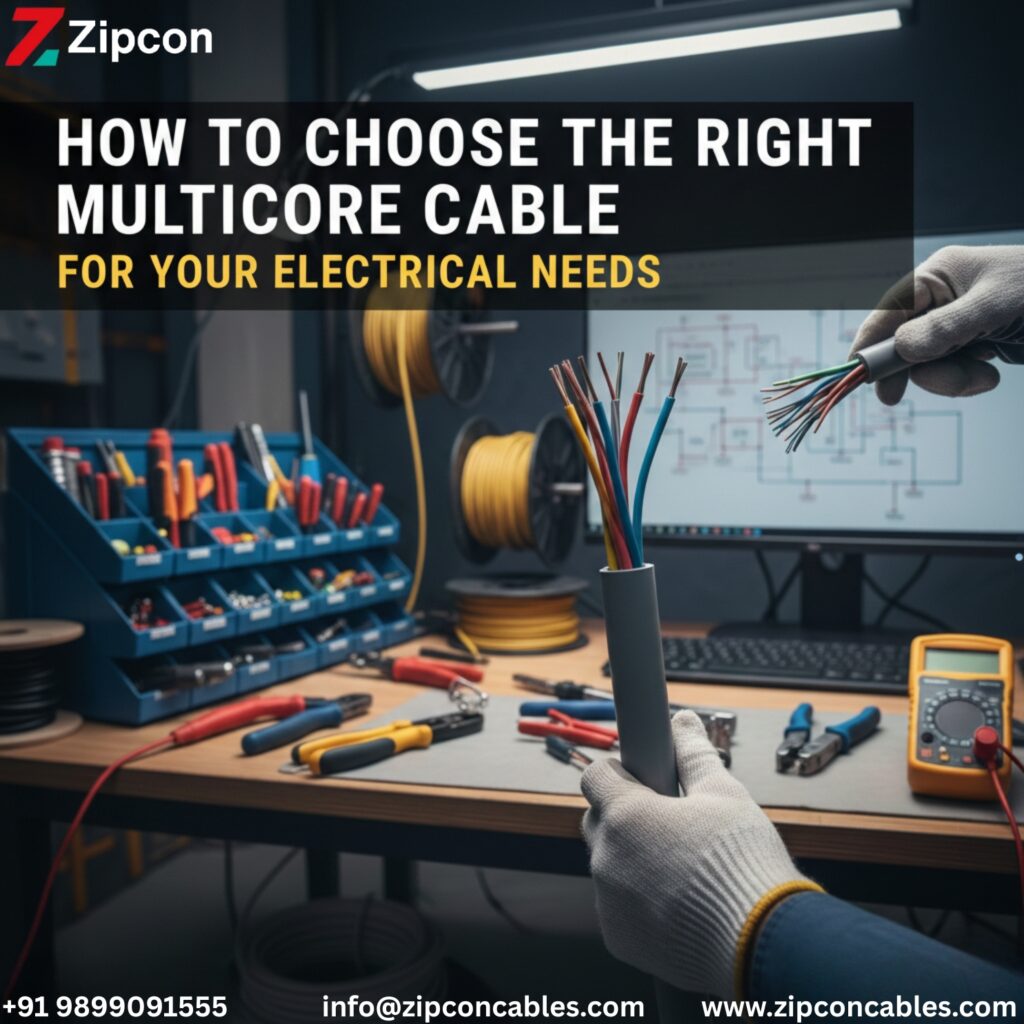
How to Choose the Right Multicore Cable for Your Electrical Needs
Multicore Cable

Choosing the right multicore cable manufacturer in india is a critical decision that directly impacts electrical performance, safety, installation efficiency, and long-term operating cost. For engineers, electricians, procurement managers, and industrial buyers, the challenge is not understanding what a multicore cable is—but selecting the right one for the job.

This guide, developed using the practical experience behind Zipcon Cables, is designed to help buyers make confident, application-driven decisions without unnecessary theory or marketing noise.

For inquiries or assistance, visit: 👉https://zipconcables.com/contact-us/

Understanding Multicore Cables in Real Applications

Multicore cables consist of multiple insulated conductors bundled within a single outer sheath. They are used to carry power, control signals, or data where multiple circuits must run together safely and efficiently. The key benefit is simplified installation, better cable management, and reduced risk of wiring errors.

However, these benefits are only realized when the cable is correctly selected for load, environment, and usage conditions—an area where many projects face avoidable failures.

Core Evaluation Factors That Influence Cable Selection

Electrical conductivity and performance efficiency
Conductivity determines how effectively current flows through the cable. Poor conductivity leads to voltage drop, energy loss, and heat buildup. For high-load systems, control panels, and continuous-duty operations, high-conductivity conductors ensure stable performance and energy efficiency. Zipcon Cables designs multicore cables with consistent conductor quality to support reliable current flow under demanding conditions.

Mechanical durability and lifespan
In real-world installations, cables are exposed to bending, vibration, abrasion, and occasional impact. A multicore cable must maintain insulation integrity and conductor alignment throughout its service life. Industrial buyers prioritize durability because cable failure often leads to costly downtime, not just replacement cost.

Weight and handling implications
Cable weight affects installation speed, routing flexibility, and termination quality. Heavier cables require more effort during installation, especially in compact panels or overhead trays. The right balance between conductor material and insulation design helps installers work faster and with fewer errors.

Cost considerations: initial cost vs long-term value
Initial cable cost is only one part of the equation. Maintenance, energy loss, safety risk, and replacement frequency define the true lifecycle cost. Many buyers choose Zipcon Cables because the long-term reliability of a well-built multicore cable outweighs short-term savings.

Safety standards and compliance
Electrical safety is non-negotiable. Compliance with fire resistance, insulation performance, and conductor standards protects both equipment and people. Non-compliant cables can delay approvals and increase liability. Zipcon Cables manufactures multicore cable aligned with relevant safety and quality benchmarks for commercial and industrial use.

Installation requirements
Flexibility, bending radius, sheath quality, and ease of termination all affect installation efficiency. A cable that is difficult to route or terminate increases labor time and error risk, even if its electrical ratings look adequate on paper.

Copper vs Alternative Cable Materials: Practical Comparison

Where copper multicore cables perform best
Copper offers superior electrical conductivity, excellent heat resistance, and consistent mechanical strength. Copper multicore cables from Zipcon Cables are preferred in high-load applications, critical systems, manufacturing plants, and environments where long-term reliability is essential. They handle voltage fluctuations better and maintain performance over extended operating cycles.

Where alternative materials may be suitable
Aluminum or alloy-based conductors are lighter and generally more cost-effective upfront. They may be suitable for short-distance runs, lightweight installations, or projects with strict budget constraints. However, they often require larger conductor sizes and more careful termination practices.

Quick decision view
Copper: higher performance, longer life, higher initial cost
Alternatives: lighter weight, lower upfront cost, limited-duty suitability

Real-World Application Scenarios

Industrial machinery and manufacturing plants
Multicore cables reduce wiring complexity in machines carrying power and control signals together. Copper multicore cables are preferred for their load-handling capability, vibration resistance, and thermal stability—key strengths offered by Zipcon Cables.

Commercial buildings and infrastructure
Used in HVAC systems, elevators, lighting controls, and automation networks. Copper multicore cables are commonly specified for safety compliance, fire resistance, and long-term operational reliability.

Residential wiring and compact installations
Multicore cables help manage space in distribution boards and concealed wiring. While alternative materials may work in low-load residential setups, copper remains the safer choice where durability and future expansion are concerns.

Renewable energy and control panel systems
Solar installations and automation panels rely on multicore cables for stable signal transmission and organized layouts. Copper multicore cables perform better in heat-intensive environments and ensure accurate control and monitoring.

A Clear Decision Framework

To select the right multicore cable, ask:

What is the electrical load and duty cycle?
Higher loads favor copper multicore cables.

What environment will the cable face?
Heat, moisture, vibration, or movement require durable construction.

What safety and compliance level is required?
Commercial and industrial projects typically demand copper-based solutions.

What is the expected lifecycle cost?
Reliable cables reduce maintenance, downtime, and replacement risk.

Final Recommendation

Copper multicore cables are the right choice for industrial machinery, commercial infrastructure, control panels, and any application where performance stability, safety, and service life matter. Alternative materials may suit lightweight, low-load, or cost-sensitive applications with controlled conditions.

Zipcon Cables delivers multicore cable solutions engineered for real operating environments—combining electrical efficiency, mechanical strength, and installation practicality. For buyers who prioritize dependable performance over short-term compromises, choosing the right multicore cable starts with informed selection and a trusted manufacturer.

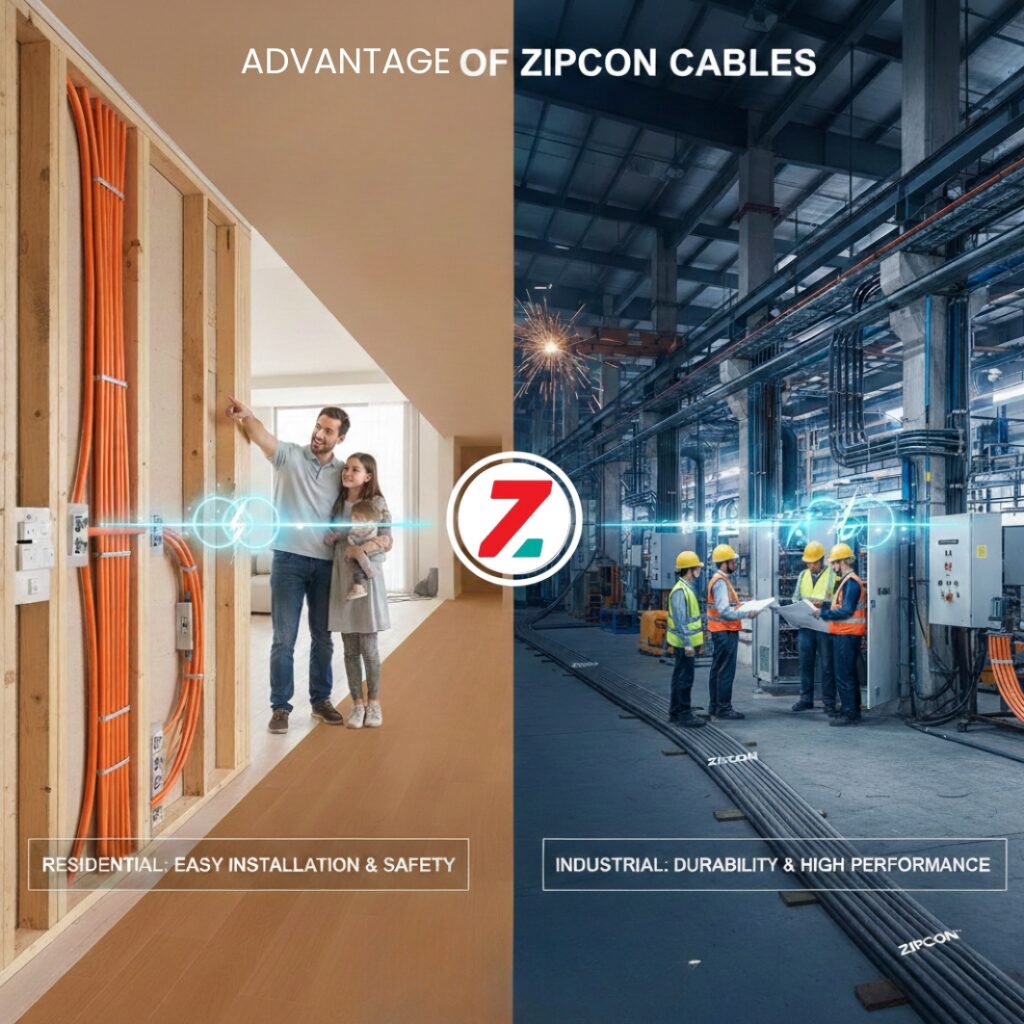
Advantages of Zipcon Cables in Residential and Industrial Wiring
Advantages of Zipcon Cables in Residential & Industrial Wiring

Zipcon cables Manufacturer in delhi have gained significant traction in both residential and industrial wiring due to their superior durability, cost-effectiveness, and versatility. While copper cables have long been a standard in the industry, Zipcon cables present a strong alternative for various applications. In this article, we’ll explore the advantages of Zipcon cables, particularly in comparison to copper cables, across key technical areas such as conductivity, durability, weight, cost, safety, installation, and typical use cases.

For inquiries or assistance, visit: 👉https://zipconcables.com/contact-us/

Conductivity

Copper cables are known for their high conductivity, making them the preferred choice in applications where efficient power transmission is critical, such as in high-voltage and heavy-duty systems. However, Zipcon cables, while not as conductive as copper, still offer adequate conductivity for many residential and light industrial applications.

Zipcon cables use advanced materials and insulation that enhance their performance in various environments, ensuring that the electrical current flows efficiently for most residential wiring and industrial setups. In scenarios where extreme conductivity is not a priority—such as in lower power systems or residential buildings—Zipcon cables provide sufficient performance at a more affordable price.

However, for high-power, high-performance applications, copper remains the better choice due to its superior conductivity.

Durability

Zipcon cables manufacturer in india are designed to perform well in challenging environments, making them a great option for both residential and industrial installations. These cables can withstand extreme temperature variations, humidity, and mechanical wear, which are common in industrial settings like factories, warehouses, and outdoor installations.

Compared to copper, Zipcon cables offer superior resistance to environmental stresses, reducing the risk of failure over time. They are often coated with durable insulation materials that protect them from corrosion, abrasion, and other forms of degradation, which can be a concern with copper cables when exposed to harsh conditions.

In residential settings, Zipcon cables have proven to be highly reliable, requiring minimal maintenance and offering long-lasting performance. Copper cables, on the other hand, tend to have a slightly longer lifespan in optimal conditions but may require more regular maintenance due to their vulnerability to corrosion and wear over time.

Weight

One significant advantage of Zipcon cables is their lighter weight compared to copper cables. This makes them easier to handle and install, especially in large-scale projects where long cable runs are required. The reduced weight can also contribute to cost savings in terms of transportation and handling.

In contrast, copper cables are relatively heavier and may pose installation challenges, especially in tight spaces or when long distances need to be covered. The lighter weight of Zipcon cables, however, makes them a preferred choice in residential applications, where ease of installation is important.

Cost

Cost is a major factor when deciding between Zipcon and copper cables. Zipcon cables are more affordable than copper cables, making them a more cost-effective solution for many residential and industrial projects. For budget-sensitive applications, Zipcon offers a great balance between performance and price, without compromising safety or durability.

Copper cables, while more expensive, are still the go-to choice for high-performance applications that demand superior conductivity. In large-scale or budget-sensitive projects, Zipcon cables may provide significant savings without sacrificing the necessary performance.

Safety

Safety is a paramount consideration in any wiring project, and Zipcon cables excel in this area. They are equipped with advanced insulation materials that make them resistant to fire and provide protection against electrical shocks. Zipcon cables are also designed to meet various international safety standards and certifications, ensuring that they can be used safely in both residential and industrial settings.

Copper cables, on the other hand, can be more prone to overheating in certain conditions, especially if they are not properly insulated or if they carry a heavy electrical load. While copper is a highly conductive material, it requires careful installation and maintenance to avoid safety risks. Zipcon cables, with their robust insulation, provide an added layer of security, particularly in high-risk environments.

Installation Needs

The installation process for Zipcon cables is straightforward and requires minimal tools and specialized skills. Their lighter weight, flexible design, and easier handling make Zipcon cables easier and faster to install compared to copper cables. This can reduce labor costs and installation time, particularly in residential and commercial wiring projects.

In contrast, copper cables often require more careful handling and specialized tools for cutting, stripping, and installation. The installation process can also be more time-consuming due to the heavier weight and more rigid nature of copper cables.

Typical Use Cases

Zipcon cables are ideal for a wide range of applications. In residential settings, they are commonly used for wiring in homes, apartments, and offices, where high conductivity is not as critical. Their durability and cost-effectiveness make them a great choice for projects that require reliable performance without the high price tag of copper cables.

In industrial settings, Zipcon cables are used for a variety of applications, from lighting systems in factories to powering machinery in warehouses. The cables’ ability to withstand harsh conditions makes them suitable for industrial environments where temperature fluctuations and exposure to moisture are common.

Copper cables are still the preferred choice for high-performance applications, such as heavy-duty power transmission, high-voltage systems, and situations that demand the highest possible conductivity.

Copper vs. Zipcon Cables

While Zipcon cables offer several advantages, particularly in terms of cost, durability, and ease of installation, there are still scenarios where copper cables may outperform them. For applications that require superior conductivity, such as heavy-duty power systems or high-voltage installations, copper cables are the better option.

However, Zipcon cables are well-suited for most residential and many industrial applications, where cost savings, durability, and ease of installation are more important than maximum conductivity.

Recommendation

For most residential and light industrial applications, Zipcon cables provide a reliable, cost-effective, and durable solution. They perform well in a wide range of environments, offering ease of installation and lower overall costs. Copper cables should still be considered for applications that demand high conductivity, such as heavy-duty power systems or specialized high-voltage installations.

Ultimately, the choice between Zipcon and copper cables should be based on the specific needs of the project—whether it’s cost, durability, or performance that matters most. For most applications, Zipcon cables will deliver excellent results while staying within budget.

Zipcon Cables: The Future of Safe and Efficient Electrical Solutions

When it comes to electrical solutions, choosing the right cables can significantly impact the efficiency and safety of your installations. Zipcon Cables leading manufacturer in india, is at the forefront of providing high-quality cables that prioritize conductivity, durability, safety, and cost-efficiency. This article delves into the technical aspects of Zipcon Cables, covering the key factors like conductivity, durability, weight, cost, safety, installation needs, and typical use cases, while also comparing them with copper cables.

For inquiries or assistance, visit: 👉https://zipconcables.com/contact-us/

Conductivity: Ensuring Efficient Power Transmission

The primary function of any electrical cable is to efficiently transmit electrical power. Copper has long been considered the gold standard due to its high conductivity. However, Zipcon Cables, especially those made with advanced materials like aluminum, are designed to offer comparable performance. These cables provide effective conductivity, ensuring minimal power loss. In cases where copper cables are less cost-effective or not ideal due to weight constraints, Zipcon’s alternatives can be a viable solution, particularly for large-scale industrial applications where energy efficiency is crucial.

Durability: Built to Withstand Harsh Conditions

Durability is a critical factor when selecting cables, especially in outdoor or harsh environments. Zipcon Cables are designed to endure extreme conditions, including high temperatures, moisture, and physical stress. Their high-quality insulation materials ensure that they are resistant to wear and tear, reducing the likelihood of short circuits and other failures. On the other hand, while copper cables are highly durable, they are susceptible to corrosion over time, particularly in humid or salty environments. This makes Zipcon Cables a more reliable choice for long-term performance in tough settings.

Weight: Balancing Strength and Practicality

Weight is another important consideration, particularly for applications requiring long cable runs or when cables need to be installed in tight spaces. Copper cables, while excellent in conductivity, are heavy and require additional support structures, increasing both installation complexity and cost. Zipcon Cables, however, are lighter and easier to handle, reducing the overall weight burden without compromising on strength. This makes Zipcon’s cables ideal for residential, commercial, and even some industrial applications where ease of installation is a priority.

Cost: Maximizing Value

Copper cables are typically more expensive due to the high cost of raw copper. While they offer superior conductivity, their price tag can be a barrier, especially for large projects. Zipcon Cables, particularly those made with alternative materials, offer a more cost-effective solution without sacrificing too much in terms of performance. For large-scale installations, Zipcon Cables can provide substantial cost savings, making them an attractive choice for both contractors and businesses looking to optimize their budgets.

Safety: Preventing Hazards

Safety is paramount when it comes to electrical installations. Zipcon Cables are designed with robust safety features, including fire-resistant coatings and reinforced insulation, ensuring they meet stringent safety standards. These cables are less prone to overheating and short-circuiting, offering superior protection for residential, commercial, and industrial systems. While copper cables are generally safe, their heavier weight and potential for corrosion under certain conditions can lead to safety concerns over time. Zipcon Cables offer a safer alternative by minimizing these risks.

Installation Needs: Ease and Flexibility

Zipcon Cables are engineered for ease of installation, with flexible designs that allow for quick and simple setups in various environments. The lighter weight of these cables means they are easier to maneuver, reducing labor costs and installation time. Copper cables, while often more rigid and requiring more precise handling, may be better suited for certain heavy-duty industrial applications where the installation environment is stable and straightforward. For more adaptable installations, especially in complex or tight spaces, Zipcon Cables are a superior choice.

Typical Use Cases: Tailored Solutions

Zipcon Cables find applications across a variety of sectors. For residential use, their flexible, lightweight, and cost-effective designs make them ideal for home wiring and light industrial projects. In commercial applications, Zipcon Cables are used for everything from office buildings to shopping malls, offering the perfect balance of safety, durability, and affordability. Industrial sectors, including manufacturing plants and construction sites, also benefit from Zipcon’s robust and reliable solutions. For areas where copper cables excel, such as heavy machinery or high-power systems, copper remains a preferred choice, but for most other applications, Zipcon Cables provide an ideal, cost-effective alternative.

Copper vs. Zipcon: Which Should You Choose?

The decision between copper and Zipcon Cables ultimately depends on the application. Copper cables are better suited for environments where maximum conductivity is required, particularly for high-power, long-distance applications. However, for most residential, commercial, and industrial applications where cost, safety, and durability are top priorities, Zipcon Cables are the superior choice. Their ability to provide reliable performance at a lower cost, combined with easier installation and a higher degree of safety, makes them a smart choice for a wide range of electrical needs.

Conclusion

Zipcon Cables are redefining the future of safe and efficient electrical solutions. Their excellent conductivity, durability, cost-efficiency, and safety make them an excellent choice for a wide variety of applications. While copper cables remain important for certain high-power needs, Zipcon Cables provide a more versatile, practical, and affordable alternative for most projects. By choosing Zipcon, you’re investing in a reliable, long-term solution for your electrical needs.

Top submersible cable manufacturers in delhi

When it comes to selecting the top submersible cable manufacturers in delhi, engineers, electricians, and buyers must consider various technical aspects such as conductivity, durability, weight, cost, safety, and installation needs. In Delhi, a key player in the submersible cable market is Zipcon Cables, known for their high-quality, durable, and reliable cable solutions. This article provides a detailed overview of submersible cables, comparing copper cables with alternatives, and offers recommendations for specific applications.

For inquiries or assistance, visit: 👉https://zipconcables.com/contact-us/

Conductivity: Copper vs. Alternatives

Conductivity is one of the most critical factors when choosing submersible cables. Copper cables are renowned for their superior conductivity, making them ideal for applications requiring efficient power transmission, especially in deep wells where long distances can cause energy losses. Copper’s high conductivity ensures minimal power loss and optimal efficiency, which is essential for deep well pumps, water treatment plants, and industrial equipment.

However, aluminum cables and other materials such as tinned copper can also be considered. While they are more affordable and lightweight, their conductivity isn’t as high as copper’s, which may lead to reduced performance in high-load conditions. Aluminum cables are often used in less demanding applications or when budget constraints are a factor, but for high-end, long-term applications, copper cables still remain the best choice.

Zipcon Cables offers a range of copper submersible cable manufacturers in delhi known for their superior conductivity, making them a go-to brand for projects requiring efficient and uninterrupted power supply.

Durability: Resilience in Harsh Environments

Submersible cables must withstand extreme conditions, from water exposure to exposure to chemicals and fluctuating temperatures. Copper cables, due to their excellent corrosion resistance and robust construction, are highly durable in submersible environments, which is why they are often preferred for deep well pumps, borehole applications, and sewage treatment systems.

On the other hand, aluminum cables are more prone to corrosion over time, especially in saline or chemically aggressive environments. Though they may perform well initially, they require additional coatings or protective sheaths to enhance their durability, which can add to maintenance costs.

In harsh conditions where cables are exposed to constant water immersion, Zipcon Cables provides specialized coatings that enhance the resilience and longevity of their copper cables, making them ideal for submersible applications.

Weight: Impact on Installation and Performance

The weight of submersible cables plays a crucial role in both the installation process and overall performance. Heavier cables tend to have better insulation, which can be beneficial for safety, but they can be more difficult and costly to install. Lighter cables, although easier to handle and install, might not offer the same level of protection against electrical faults or damage.

Copper cables are generally heavier due to the material’s density. While this can increase the installation cost and effort, the long-term benefits often outweigh the initial challenges. For installations in deep wells or large-scale industrial projects, Zipcon Cables provides a balance of weight and strength, ensuring that their copper cables offer high performance without being unnecessarily cumbersome.

Cost: Is Copper Always the Best Choice?

One of the most significant considerations for engineers and buyers is the cost of submersible cables. Copper cables are more expensive than aluminum and other materials due to the high cost of copper itself. However, their higher initial cost can be justified by their superior conductivity and longevity, which result in lower maintenance costs over time.

For cost-conscious projects, aluminum cables can be an alternative, but they come with trade-offs in terms of performance and durability. For applications where the cables are not exposed to extreme conditions or where budget constraints are a priority, aluminum cables can perform adequately without sacrificing too much efficiency.

Zipcon Cables provides cost-effective solutions, offering copper submersible cables at competitive prices while maintaining high standards of performance and durability.

Safety: Ensuring Protection Against Electrical Faults

Safety is always a top priority when selecting submersible cables. Submersible cables need to have excellent insulation to prevent electrical faults and to protect the cable’s inner conductors from water and environmental factors.

Copper cables, with their superior conductivity, are often more efficient in safely carrying electrical loads. In contrast, aluminum cables may not be as well-suited for highly demanding electrical applications, potentially requiring additional insulation to ensure safety.

Zipcon Cables adheres to strict safety standards, offering cables with high-quality insulation that ensures long-term protection against electrical faults, moisture, and other environmental hazards.

Installation Needs: Ease and Cost Considerations

The installation process for submersible cables can vary significantly based on the type of cable used. Copper cables are generally heavier and require more careful handling and skilled labor for installation, which can increase overall installation costs. However, their durability and long lifespan can offset these initial costs.

Aluminum cables are lighter, making them easier to handle and install, but they often require more careful handling to avoid damage during installation. They also tend to have higher installation costs due to the need for additional protective layers.

Zipcon Cables’ copper submersible cables are designed with easy installation in mind, ensuring that even though they are durable and robust, they are not overly difficult to install.

Typical Use Cases: Where Copper Outperforms Alternatives

Submersible cables are used in a variety of applications, including deep well pumps, sewage treatment plants, water drainage systems, and agricultural irrigation systems. Copper cables excel in deep well applications where efficiency and conductivity are crucial due to the long distances power needs to travel.

In sewage treatment plants or water drainage systems, copper cables offer exceptional resistance to water and chemicals, ensuring a reliable power supply without the risk of degradation.

Aluminum cables, while cost-effective, are better suited for less demanding applications where high conductivity isn’t as critical, such as in shallow well pumps or for temporary installations.

Conclusion: When to Choose Copper Cables

For projects where efficiency, durability, and safety are paramount, Zipcon Cables’ copper submersible cables are the ideal choice. Their high conductivity, robust durability in harsh environments, and long-term cost-effectiveness make them the best option for deep well pumps, sewage systems, and other critical infrastructure.

However, for applications where cost is a primary concern, or where the environment is less demanding, aluminum cables or other alternatives can provide a good balance of performance and affordability.

Conclusion

when you need the best combination of conductivity, durability, safety, and long-term reliability, Zipcon Cables offers some of the most advanced and trusted submersible cables on the market in Delhi.

Top Wires and Cables Manufacturers to Watch in 2026: A Focus on Zipcon Cables

The top wires and cables manufacturers industry in india is evolving rapidly, driven by innovations in materials, technology, and manufacturing processes. As we move into 2026, manufacturers like Zipcon Cables continue to lead the way with cutting-edge products designed to meet the diverse needs of residential, commercial, and industrial applications. In this article, we’ll explore the key factors that set Zipcon Cables apart and why they should be a top choice for your wiring needs in 2026.

Conductivity: Copper vs. Alternatives

One of the primary considerations when selecting cables is conductivity. Copper has long been the material of choice for electrical wiring due to its excellent conductivity, which ensures efficient transmission of electricity with minimal resistance. In high-efficiency applications, such as power distribution and industrial machinery, copper cables significantly outperform alternatives like aluminum or fiber optic cables.

  • Copper Cables: Copper has a conductivity of approximately 59 MS/m, making it the most efficient material for electrical transmission. This high conductivity ensures that energy is transferred with minimal loss, ideal for environments where performance and reliability are crucial.
  • Aluminum Cables: While aluminum cables are lighter and cheaper, their conductivity (approximately 37 MS/m) is lower than copper, which means more power loss over long distances.

Zipcon Cables uses copper as a core material in its wiring products, ensuring superior conductivity that leads to reduced energy consumption and lower long-term operational costs.

Durability: Withstanding Harsh Environments

The durability of cables is crucial, especially in environments exposed to extreme conditions such as high temperatures, moisture, and chemicals. In industrial settings, deep wells, or outdoor installations, cables need to be resistant to wear and tear to ensure reliable performance.

  • Copper Cables: Copper cables are naturally resistant to corrosion, but they can be vulnerable to mechanical stress if not properly insulated. Zipcon Cables addresses this by using high-quality coatings that protect against moisture, chemicals, and UV exposure, making them highly durable even in tough environments.
  • Aluminum Cables: While aluminum is lightweight and corrosion-resistant, it can be more prone to physical damage under extreme conditions, which can lead to reduced lifespan and reliability.

Zipcon Cables ensure durability with advanced insulation materials and coatings that enhance the longevity of their products, particularly in environments such as industrial plants or underwater installations.

Weight: Balancing Strength and Lightness

When selecting cables for specific applications, the weight of the cable is a crucial factor. Lighter cables are often preferred for ease of installation, especially in confined spaces or where large amounts of wiring need to be managed. However, the strength-to-weight ratio also plays a significant role in determining the overall performance and safety of the cable.

  • Copper Cables: Copper is denser and heavier than aluminum but offers a better strength-to-weight ratio. For high-power applications, the durability and strength of copper cables make them the superior choice.
  • Aluminum Cables: Aluminum is much lighter and often used in aerial installations or long-distance transmission lines, where weight and cost savings are prioritized over strength.
  • Zipcon Cables: Zipcon strikes a balance by using copper for its cables, providing strength and reliability while keeping the weight manageable for most installations.

In applications that require both strength and manageable weight, such as heavy machinery or critical power infrastructure, Zipcon’s copper cables offer a great balance.

Cost: Long-Term Value vs. Upfront Expense

Copper cables typically come with a higher upfront cost compared to aluminum or other alternatives. However, the performance and longevity of copper can provide significant cost savings in the long term, especially in high-demand applications.

  • Copper Cables: Although more expensive, copper cables’ lower resistance, higher conductivity, and longevity often make them a more cost-effective solution over time.
  • Aluminum Cables: Aluminum is cheaper, but the cost can add up over time due to increased maintenance and higher energy consumption.

For businesses and industries seeking long-term value and efficiency, Zipcon’s copper-based cables offer a higher return on investment despite their initial cost.

Safety: Protection from Hazards

Safety is another key consideration when choosing cables, especially in applications where electrical hazards, such as short circuits or fires, are a concern. High-quality cables should be well-insulated and designed to handle the environmental conditions they are exposed to.

  • Copper Cables: Copper cables are highly reliable and safe when properly insulated. Zipcon focuses on safety by using advanced insulation techniques, such as flame-resistant coatings and moisture barriers, to protect against electrical hazards in industrial and residential applications.
  • Aluminum Cables: While aluminum is a safe material, improper installation or aging can lead to overheating and potential fire risks. Therefore, the quality of insulation and connectors is critical.

Zipcon ensures superior safety features with cables that are designed to meet the highest standards for insulation and protection, making them an ideal choice for high-risk environments.

Installation Needs: Ease of Setup

Different types of cables require different installation processes. Copper cables may require more careful handling, especially when bending or pulling through conduits, but they offer superior performance once installed. Zipcon Cables are designed with ease of installation in mind, ensuring that even heavy-duty copper cables can be installed with minimal effort.

  • Copper Cables: While heavier than aluminum, copper cables are robust and can handle more challenging electrical loads. Zipcon Cables are engineered for ease of handling, minimizing the complexity of installation.
  • Aluminum Cables: Aluminum cables are lightweight and easier to install in tight spaces or areas with limited access, making them ideal for certain installations.

Typical Use Cases: Zipcon Cables in Action

Zipcon Cables are versatile, providing solutions for a variety of applications, including:

  • Residential: For home wiring and electrical installations requiring high efficiency and reliability.
  • Commercial: In commercial buildings, Zipcon cables ensure efficient power transmission and longevity.
  • Industrial: In factories and industrial plants, where harsh conditions demand durable, high-performance cables.

Conclusion: Why Choose Zipcon Cables in 2026?

In 2026, Zipcon Cables stands out as a leader in the Wires and Cables Manufacturers due to their high-quality copper cables, superior durability, safety features, and excellent value for money. Whether you are looking for cables for industrial, residential, or commercial use, Zipcon offers a reliable and efficient solution tailored to your specific needs. If you’re seeking high-performance cables that can withstand harsh environments and deliver superior results, Zipcon Cables should be at the top of your list.

Multi-Strand Household Wire Manufacturer in India

When selecting electrical wiring for residential or commercial installations, one of the most important decisions revolves around the type of wire to use. Multi-strand wires manufacturer in india are commonly chosen for their flexibility and conductivity, making them a popular choice for electrical installations. This article will provide a comprehensive look at multi-strand household wires, with a particular focus on copper cables, comparing them to other materials like aluminum and copper alloys in terms of conductivity, durability, weight, cost, safety, installation requirements, and typical use cases. We’ll also highlight Zipcon Cables, a reputable manufacturer of high-quality multi-strand wires in India.

Conductivity: The Key to Efficient Power Transmission

The conductivity of a wire is one of the most critical factors to consider when selecting electrical wiring. Copper is renowned for its superior conductivity, meaning it allows electricity to flow with minimal resistance. This property makes copper the preferred choice for wiring in most household and commercial installations, ensuring efficient power transmission with less energy loss.

Other materials: Aluminum, though less conductive than copper, is often used as a cost-effective alternative. While aluminum wires are lighter and cheaper, they may not offer the same efficiency in power transmission, particularly over long distances. In certain applications, copper alloys may also be used to enhance conductivity while offering improved strength or corrosion resistance.

Recommendation: For critical installations requiring efficient power flow and minimal energy loss, copper wires are ideal. However, for large-scale installations where cost is a significant factor, aluminum can be considered for non-sensitive areas, with proper precautions taken to manage potential issues like oxidation.

Durability: Long-lasting Performance Under Stress

Copper wires are known for their durability. They can withstand high temperatures, humidity, and mechanical stress, which is why they are often used in environments where longevity is a must. Copper’s ability to resist corrosion is another benefit, especially in areas with varying weather conditions.

Other materials: Aluminum, while lighter and cheaper, is more prone to corrosion, especially when exposed to moisture or oxygen. This can compromise the wire’s lifespan and performance. Copper alloys, on the other hand, may offer enhanced strength or corrosion resistance but tend to cost more than pure copper.

Recommendation: If you are looking for a long-lasting solution for high-stress environments, copper wires from Zipcon Cables are an excellent choice. They ensure durability and reliable performance, even in demanding conditions. For less critical environments, aluminum may suffice, but proper maintenance should be considered.

Weight: Impact on Handling and Installation

The weight of the wire can significantly affect the ease of handling and installation. Best Multi-strand copper wires are relatively heavier compared to alternatives like aluminum, which can make them slightly more challenging to work with, especially in larger installations.

Other materials: Aluminum is much lighter than copper, making it easier to handle and install, particularly in large-scale projects. This can reduce installation time and effort. However, its increased flexibility can sometimes pose challenges in ensuring that the wire maintains its shape during installation.

Recommendation: For residential wiring, where ease of installation and handling are priorities, copper wires are generally the better option despite their weight. However, in large commercial projects or overhead installations, aluminum wires may be considered to reduce the load during handling.

Cost: Comparing Initial and Long-Term Expenses

Cost is a major factor in choosing the right wire for your project. Copper is more expensive upfront than alternatives like aluminum, but its long-term performance and lower maintenance costs often make it more cost-effective in the long run.

Other materials: Aluminum wires are generally more affordable than copper, both in terms of initial investment and overall installation costs. However, the long-term durability and performance of aluminum wires may not match that of copper, which could lead to higher maintenance or replacement costs in the future.

Recommendation: If your budget allows for it and you’re looking for a long-term, reliable solution, investing in copper wires from Zipcon Cables is worth considering. For projects where initial cost is a significant factor, aluminum wires may provide a good alternative, but remember to account for potential future maintenance needs.

Safety: Ensuring a Secure Electrical System

Safety is paramount in electrical installations, and copper wires are often considered the safest option. Copper’s superior conductivity and ability to resist corrosion contribute to the overall reliability of the electrical system. Poor conductivity or corroded wiring can lead to overheating, electrical shorts, and potentially dangerous situations.

Other materials: While aluminum wiring can still be safe when installed correctly, it requires more careful handling. Aluminum wires must be properly sized and connections must be secure to prevent overheating. The risk of oxidation also needs to be managed carefully.

Recommendation: Copper wires are ideal for ensuring a safe electrical system, particularly in residential and household settings. When safety is a concern, copper is the best choice due to its proven reliability.

Installation Needs: Ease of Handling and Flexibility

The installation process can vary depending on the type of wire being used. Copper wires are less flexible than some alternatives, which may make them a little harder to install in tight spaces. However, multi-strand copper wires offer more flexibility than solid copper wires, making them easier to bend and work with.

Other materials: Aluminum wires are often more flexible and easier to bend during installation, which can be an advantage in certain applications. However, aluminum’s tendency to be more brittle than copper may cause problems during installation if handled improperly.

Recommendation: Copper wires are ideal for most residential wiring projects, particularly where flexibility is needed for routing the wire through walls, ceilings, or other confined spaces. For large-scale installations with less complex requirements, aluminum wires might be more suitable due to their ease of installation.

Typical Use Cases: Where Multi-Strand Wires Excel

Copper multi-strand wires are commonly used in household electrical installations, including wiring for lights, outlets, and appliances. They are also frequently used in commercial and industrial settings where performance, safety, and durability are critical.

Other materials: Aluminum is often used in overhead power lines, large commercial installations, and areas where weight savings are important. Copper alloys may be used in specialized environments, such as areas requiring enhanced strength or resistance to specific environmental conditions.

Recommendation: For standard residential and commercial electrical wiring, copper wires are the go-to solution. For larger-scale projects, overhead installations, or when cost is a key factor, aluminum or copper alloys may be considered.

Conclusion

When it comes to choosing multi-strand household wires, copper remains the top choice due to its superior conductivity, durability, safety, and long-term value. Zipcon Cables offers high-quality, reliable copper wires that cater to various electrical needs in India. However, for cost-conscious buyers or large-scale installations, aluminum wires can be an alternative, provided precautions are taken to ensure safety and performance. Always consider the specific needs of your installation to determine the best material for your project.

Submersible Flat Cable: Explained from Small Gauge to Large Gauge

A best submersible cable manufacturer in India is a critical component of any borewell or submersible pump system. Even the best-quality pump cannot perform efficiently if the cable gauge is incorrect. Selecting the right cable—from small gauge to large gauge—directly impacts pump performance, safety, power consumption, and service life.

What Is a Submersible Flat Cable?

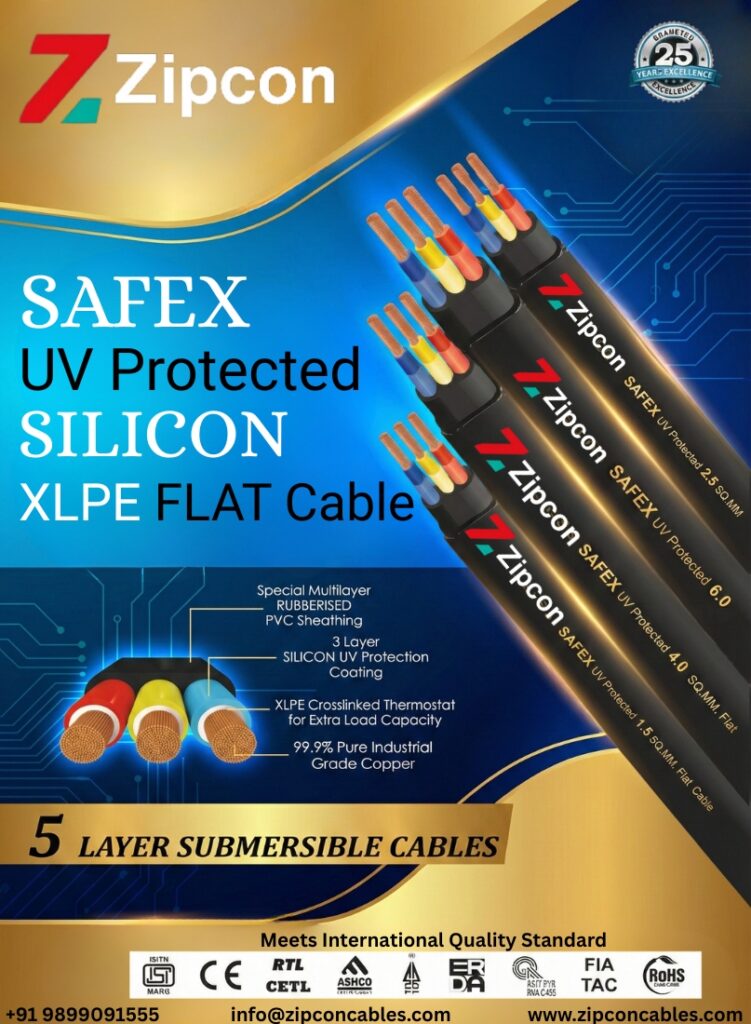
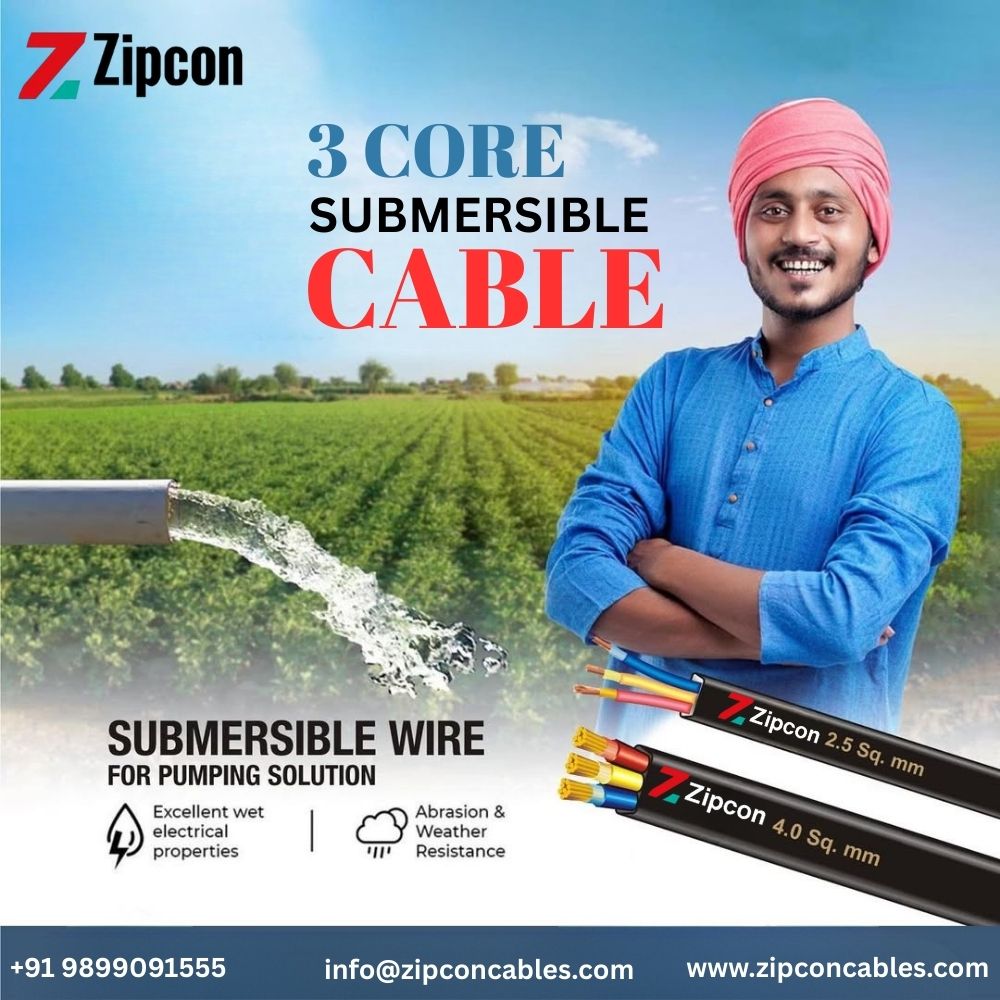
A submersible flat cable is specially designed for underground and underwater applications, particularly for submersible pumps installed in borewells. Its flat structure ensures easy installation, reduces twisting inside the borewell, and provides better mechanical stability. submersible cable manufacturer in India These cables are manufactured with water-resistant insulation and are capable of operating continuously in wet and harsh conditions.

Small Gauge Submersible Flat Cable (1.5 sq mm – 2.5 sq mm)

Small gauge submersible flat cables are typically used for low horsepower pumps, generally ranging from 0.5 HP to 1 HP.

Key Characteristics:

  • Designed for low current loads
  • Lightweight and flexible
  • Easy to install
  • Cost-effective for short-distance applications

Suitable Applications:

  • Domestic borewells
  • Residential water supply systems
  • Shallow borewell installations

Using a small gauge cable for a higher load can lead to overheating and voltage drop, while using a larger gauge unnecessarily increases cost without added benefit.

Medium Gauge Submersible Flat Cable (4 sq mm – 6 sq mm)

Medium gauge cables are the most commonly used category and are suitable for 1.5 HP to 5 HP submersible pumps.

Key Characteristics:

  • Higher current carrying capacity
  • Reduced voltage drop over longer distances
  • Improved heat resistance
  • Better durability for continuous operation

Suitable Applications:

  • Agricultural borewells
  • Medium-depth water extraction
  • Commercial water supply systems

These cables offer the right balance between performance, safety, and cost, making them ideal for regular and heavy-duty usage.

Large Gauge Submersible Flat Cable (10 sq mm – 16 sq mm and Above)

Large gauge submersible flat cables are designed for high horsepower pumps, typically 7.5 HP and above, including industrial-grade applications.

Key Characteristics:

  • High current handling capability
  • Minimal power loss
  • Heavy-duty insulation for extreme conditions
  • Long operational life

Suitable Applications:

  • Deep borewells
  • High-capacity agricultural pumps
  • Industrial water supply systems

Although large gauge cables are more expensive, they are essential for ensuring stable performance and preventing energy losses in high-load installations.

Small vs Medium vs Large Gauge: Quick Overview

  • Small Gauge: Low load, short cable length, domestic use
  • Medium Gauge: Moderate load, agricultural and commercial use
  • Large Gauge: Heavy load, deep borewell and industrial use

Cable gauge selection should always be based on pump horsepower, borewell depth, cable length, and operating conditions.

Why Choosing the Right Gauge Matters

Using an incorrect cable gauge can result in:

  • Excessive voltage drop
  • Pump overheating
  • Increased power consumption
  • Reduced pump and cable lifespan

To avoid these issues, it is important to use ISI-certified, high-quality submersible flat cables from a reliable manufacturer.

Conclusion

Selecting the Zipcon submersible flat cable—from small gauge to large gauge—is not just a technical choice but a long-term investment in pump efficiency and system reliability. A properly sized cable ensures smooth operation, lower energy losses, and extended equipment life.

For the best results, always match the cable gauge with the pump rating and installation requirements rather than choosing based on price alone.

Zipcon Cables: Understanding the Importance of Solar Cable Materials and Performance

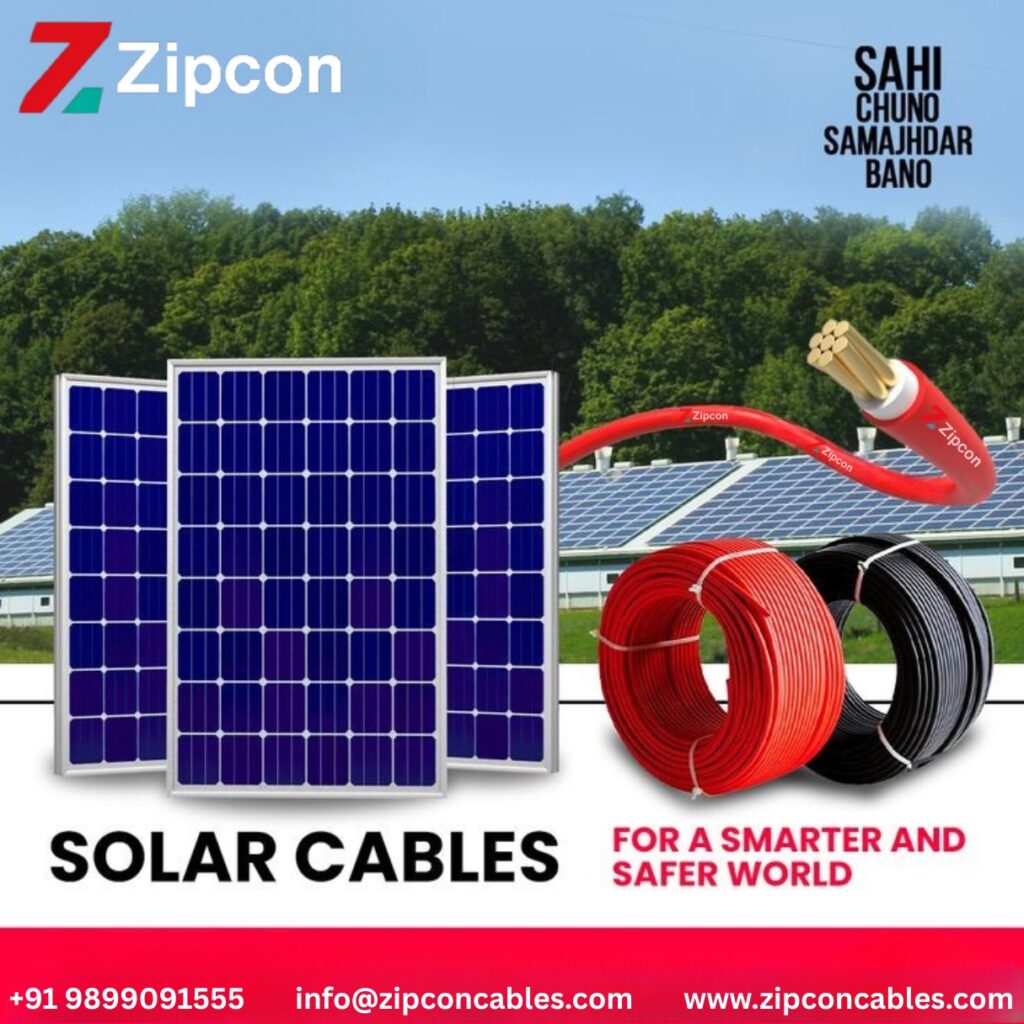
Solar energy systems require reliable and durable components to ensure optimal performance and long-term efficiency. One such critical component is the solar cable, which connects various parts of the system, including the solar panels, inverters, and batteries. This article will explore key factors such as conductivity, durability, weight, cost, safety, installation needs, and typical use cases for solar cables, specifically tailored to Zipcon Cables.

For inquiries or assistance:– https://zipconcables.com/contact-us/

Conductivity: Copper vs. Aluminum

One of the most important factors in choosing a solar cable is its conductivity. The conductivity of a material determines how effectively it can carry electrical current. Solar cables are typically made from either copper or aluminum, and each material has distinct properties.

  • Copper: Copper is known for its superior conductivity, offering better performance in carrying electrical current. It has a lower electrical resistance, meaning less energy is lost as heat, resulting in improved efficiency. Copper cables are ideal for systems that require high power transmission over longer distances.
  • Aluminum: While aluminum is not as conductive as copper, it is lighter and more cost-effective. However, to match the conductivity of copper, aluminum cables typically need to be larger in size, which can offset the weight advantage. For solar installations where weight and cost are major considerations, aluminum may be a suitable option.

In general, copper cables are preferred for high-performance, long-distance applications, while aluminum cables work well for residential or smaller systems where cost and weight are more important.

Durability: Longevity of Solar Cables

Solar cables are exposed to harsh environmental conditions, including UV radiation, moisture, temperature fluctuations, and mechanical stress. The durability of a cable largely depends on the materials used for insulation and jacketing.

  • UV Resistance: Solar cables need to be UV-resistant to avoid degradation when exposed to sunlight over time. Both copper and aluminum cables, when properly insulated, can perform well under UV exposure. Zipcon Cables, for instance, uses high-quality insulation materials that protect the cables from UV radiation, ensuring long-term durability.
  • Water Resistance: Since solar installations are often exposed to moisture, water resistance is another essential factor. Solar cables used in outdoor environments need to have waterproof insulation to prevent corrosion and electrical faults. Zipcon Cables ensures their products are designed to withstand exposure to water, ensuring reliability even in humid or rainy conditions.
  • Environmental Resistance: Solar cables should also be resistant to chemicals, oils, and temperature extremes. Zipcon Cables manufactures cables with superior environmental protection, making them suitable for a variety of outdoor and industrial applications.

Weight: Installation and Performance Considerations

The weight of solar cables can significantly impact the installation process, especially in large-scale solar power systems. Lighter cables are easier to handle and install, reducing labor costs and installation time.

  • Copper Cables: Copper cables are denser and heavier than aluminum cables, which can make them more challenging to install, particularly in large installations. However, they provide better efficiency and are more durable in the long run.
  • Aluminum Cables: Aluminum cables are much lighter than their copper counterparts, making them easier to transport and install. This is particularly beneficial in residential solar installations or projects where reducing the overall weight of the system is a priority.

Cost: Balancing Performance and Budget

The cost of solar cables can vary significantly based on the material used, size, and insulation type. Copper cables tend to be more expensive than aluminum cables due to their higher conductivity and durability. However, the investment in copper cables can result in long-term savings, as they are more efficient and have a longer lifespan.

  • Copper: While copper cables are more costly upfront, their superior conductivity and durability can result in higher energy efficiency, lower maintenance, and fewer replacements over time. For large-scale solar installations or systems that require high reliability, copper cables are a good choice.
  • Aluminum: Aluminum cables are more affordable, making them an attractive option for residential solar systems or smaller installations. They offer a good balance of performance and cost, especially for those working with a tighter budget.

Safety: Standards and Compliance

Safety is paramount when it comes to solar cables. These cables must comply with industry standards to ensure they can safely carry electrical current without posing any hazards. Solar cables are typically tested and certified according to international standards such as UL, IEC, or VDE.

  • Insulation Standards: The insulation of solar cables must meet specific fire safety standards, particularly for cables used in residential and commercial installations. Zipcon Cables uses high-quality insulation materials that meet or exceed industry safety standards, ensuring the protection of both the system and its users.
  • Electrical Safety: Solar cables are also designed to withstand high voltage and prevent electrical hazards. Zipcon’s cables are tested to meet these high-voltage requirements, reducing the risk of electrical faults and potential fires.

Installation Needs: Requirements for Solar Cables

The installation of solar cables requires careful planning and the right tools to ensure optimal performance and safety. Key considerations for installation include:

  • Tools: Proper crimping tools, cable cutters, and stripping tools are required to ensure the cables are cut, stripped, and connected properly.
  • Installation Environment: Solar cables need to be installed in environments that do not expose them to excessive mechanical stress, extreme temperatures, or moisture. It is essential to follow the manufacturer’s guidelines for installation to avoid damage and ensure optimal performance.

Typical Use Cases: Applications of Solar Cables

Solar cables are used in a variety of applications, from small residential solar systems to large industrial solar farms.

  • Residential Solar Installations: For smaller systems, aluminum cables are often sufficient due to their cost-effectiveness and lighter weight. They are perfect for homeowners looking to install solar panels with minimal installation hassle.
  • Industrial Solar Installations: For large-scale systems, copper cables are preferred due to their higher efficiency and ability to handle large amounts of current over long distances. These systems often require cables that can endure high environmental stress and deliver long-term reliability.

Conclusion: Choosing the Right Cable for Your Solar Installation

When choosing between copper and aluminum cables, the decision largely depends on the specific needs of the solar installation:

  • Copper cables are ideal for high-performance, large-scale installations where efficiency, durability, and longevity are paramount.
  • Aluminum cables are best suited for residential or small to medium installations where cost and weight are more critical factors.

Zipcon Cables offers both copper and aluminum solar cables designed to meet the highest industry standards, ensuring that whether you are working on a small residential project or a large industrial solar farm, Zipcon Cables will provide the reliability and performance you need.

Submersible Flat Cables

Submersible flat cables are essential components in a range of applications, particularly in environments where traditional cables might fail due to exposure to water or harsh conditions. These cables are specifically designed to perform reliably in submerged or wet environments, making them a preferred choice for industries ranging from water pumping to marine installations. This article covers the key aspects of submersible flat cables, including conductivity, durability, weight, cost, safety, installation, and typical use cases.

Conductivity: Copper vs. Aluminum

When considering submersible flat cables, electrical conductivity is a critical factor. These cables are often made from either copper or aluminum. Copper cables have superior conductivity compared to aluminum, making them the better option for applications requiring high efficiency, such as powering water pumps in deep wells or high-performance underwater lighting systems. The excellent conductivity of copper ensures minimal power loss, particularly important in submerged installations where efficiency is crucial.

Aluminum, on the other hand, is a more cost-effective alternative. While it doesn’t match copper’s conductivity, it still provides adequate performance in less demanding applications. Additionally, aluminum is lighter, which can be an advantage in situations where the weight of the cable needs to be minimized.

Durability: Designed for Harsh Environments

Submersible 3 core flat cables are built to withstand tough environments, especially underwater. The key to their durability lies in their robust construction, which typically includes multiple layers of insulation and coatings designed to protect against corrosion, wear, and mechanical damage. Most submersible cables feature a layer of rubber or thermoplastic material that resists water ingress and protects the wire inside.

In addition to their resistance to water, these cables are often coated with materials that prevent degradation caused by UV radiation, chemicals, and extreme temperatures. This makes them ideal for underwater pumps, fountains, and marine applications, where cables must be exposed to water for extended periods without suffering performance loss.

Weight: Lightweight for Easy Handling

One of the significant advantages of submersible flat cables is their lightweight nature. Compared to round cables, flat cables are easier to handle and install. Their flat design allows for more compact storage and efficient placement, reducing the overall footprint of the installation. This is particularly useful in underwater installations or in tight spaces where a bulky round cable might be difficult to manage.

However, this lightweight feature comes with some trade-offs. While the reduced weight of flat cables makes installation easier, it can also impact the strength of the cable. For instance, a round cable might be more durable in areas where the cable needs to bear heavy loads or endure rough handling. For most submersible applications, however, the lightweight nature of flat cables is a benefit.

Cost: Value for Money

In terms of cost, submersible flat cables can be more affordable than round cables, especially when opting for aluminum over copper. While copper cables offer superior conductivity, they come at a higher price point. Aluminum cables are more economical, making them a popular choice for non-critical installations where weight and conductivity are less of a concern.

For high-performance applications, such as in deep-sea or critical underwater installations, the extra investment in copper cables may be worth it due to their superior conductivity and longer lifespan. On the other hand, aluminum cables are often chosen for residential applications or projects where cost is a bigger factor than performance.

Safety: Electrical and Environmental Protection

Safety is a top priority when it comes to submersible cables. These cables are designed with features that help prevent electrical faults and reduce the risk of fire and other hazards. The insulation used in submersible flat cables is often fire-resistant, ensuring that the cable remains safe even in the event of electrical failure.

In underwater installations, one of the main safety considerations is the risk of electrical shock. High-quality submersible flat cables are equipped with insulation that prevents the cable from becoming a hazard when exposed to water. Furthermore, some cables feature additional protective layers that resist external pressure, further enhancing safety in submerged environments.

Installation Needs: Simple and Efficient

Installing submersible flat cables is generally straightforward, especially when compared to round cables. Their flat design makes them easier to lay out, minimizing the need for special tools. They can be installed in trenches, along walls, or even within ducts, depending on the application. This flexibility makes them ideal for a variety of installations, including water pumps, marine applications, and other submerged systems.

However, it is important to note that proper sealing and waterproofing are essential to ensure the longevity of the cable. Special connectors and junction boxes are often required to maintain the waterproof integrity of the installation.

Typical Use Cases: Where Submersible Flat Cables Excel

Submersible flat cables are commonly used in various industrial and residential applications where exposure to water or moisture is a concern. Some of the most typical use cases include:

  • Water Pumps: Submersible flat cables are often used to power water pumps in wells, fountains, and wastewater treatment plants. Their ability to withstand constant submersion in water makes them ideal for these environments.
  • Underwater Lighting: These cables are also used in marine and pool lighting systems, where durability and water resistance are essential.
  • Marine Applications: In boats, ships, and other maritime vessels, submersible flat cables provide reliable electrical connections in harsh, submerged environments.

In each of these use cases, the durability, conductivity, and cost-effectiveness of submersible flat cables make them the preferred choice.

Copper vs. Other Materials: When to Choose What?

When deciding between copper and other materials like aluminum, it’s essential to consider the specific requirements of the installation. Copper excels in applications requiring high conductivity, such as powering pumps and equipment in deep-water or critical installations. Its superior electrical performance ensures minimal energy loss, making it ideal for energy-efficient systems.

Aluminum, while not as conductive as copper, is a viable alternative for applications where weight is a concern or where the power demands are lower. It’s also more affordable, making it a popular choice for general residential and commercial installations.

Comparisons and Recommendations

Submersible flat cables outperform round cables in specific scenarios, particularly in underwater or submerged installations. Their lighter weight, ease of handling, and compactness make them ideal for applications such as water pumps, underwater lighting, and marine projects. However, round cables may be more appropriate in situations requiring higher tensile strength or where the cable will be subject to heavy handling.

For high-performance and critical applications, copper submersible flat cables are the best choice due to their superior conductivity. In contrast, aluminum cables offer a more budget-friendly option for less demanding installations.

Conclusion

Submersible flat cables are a reliable, cost-effective solution for applications that require robust, water-resistant wiring. Their excellent conductivity, durability, and ease of installation make them a versatile choice for engineers, electricians, and businesses dealing with submerged or harsh environments. When choosing between copper and aluminum, consider the specific demands of your project to ensure the best performance and value for money. Choose Zipcon Cables for high-quality submersible flat cables that meet the rigorous standards of industrial and residential applications, ensuring a long-lasting, reliable solution for your next project.