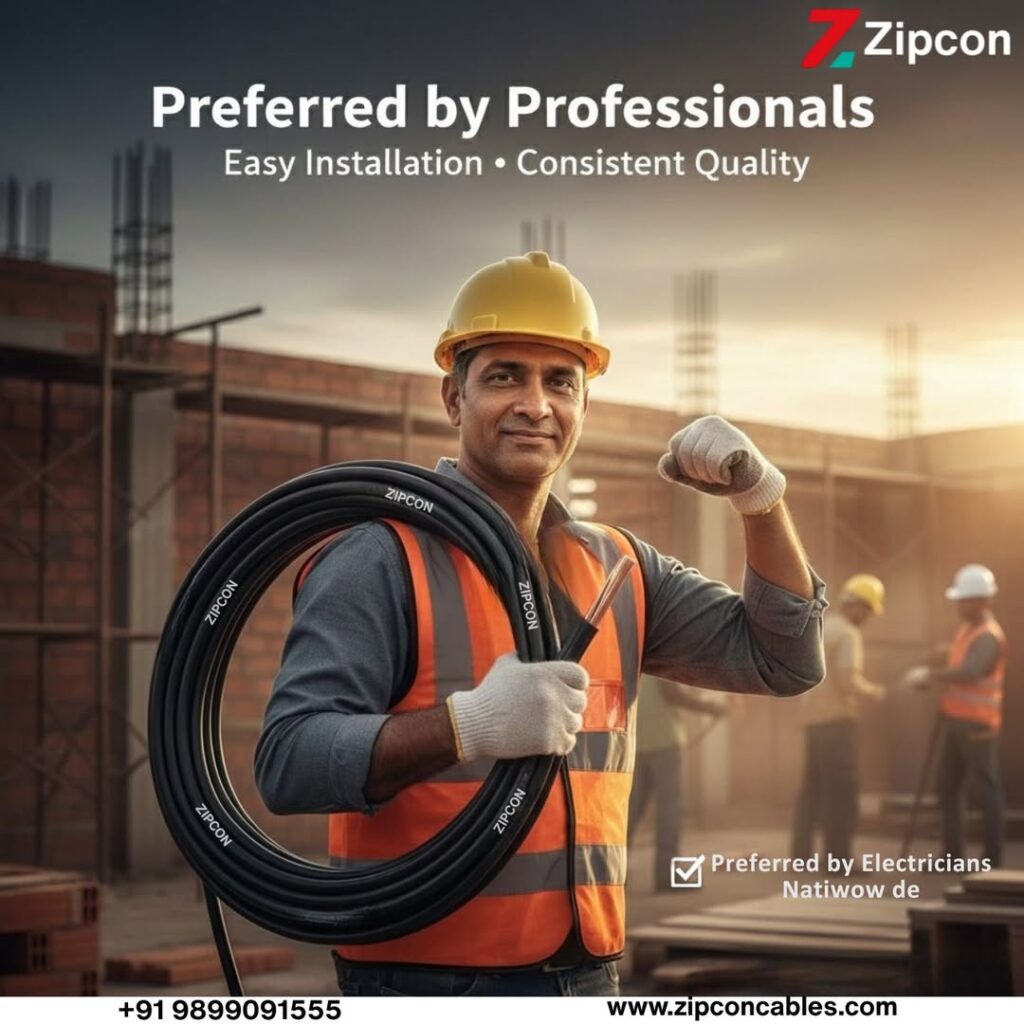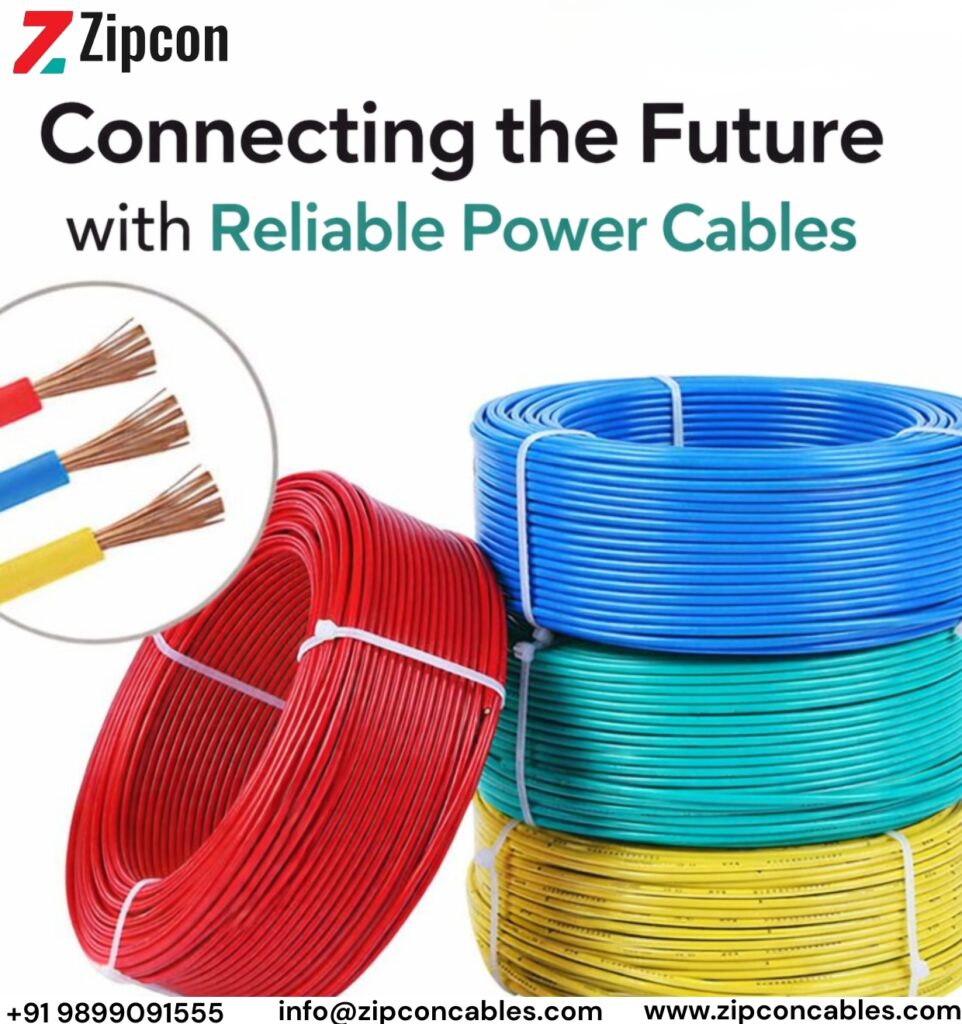
Choosing the right flexible wire is not a small decision—especially in a fast-growing region like Noida. Whether it’s a 2BHK flat in Noida Extension, a commercial office in Sector 63, or an industrial unit in Phase II, electrical wiring directly impacts safety, performance, and long-term maintenance costs.
Poor-quality wires often lead to overheating, excessive voltage drop, insulation cracking, short circuits, and even fire hazards. In many cases, the problem isn’t visible at installation. It shows up later as frequent tripping, melted insulation, or unexpected downtime.
That’s why selecting a technically sound and reliable brand like Zipcon Cables flexible wire in noida makes a real difference. Let’s break down what truly matters when choosing flexible wires.
For technical support or project inquiries: https://zipconcables.com/contact-us/
Conductivity
Conductivity determines how efficiently electricity flows through a conductor.
Copper has higher electrical conductivity than aluminium. This means:
- Lower resistance
- Lower voltage drop
- Better performance under load
In high-load circuits such as air conditioners, geysers, motors, and main distribution lines, copper flexible wire performs better because it carries more current in a smaller cross-sectional area.
Voltage drop becomes critical in longer runs. If the wire resistance is high, equipment may not receive proper voltage, leading to overheating and reduced efficiency. Copper wires help minimize that risk.
Aluminium has lower conductivity compared to copper. To carry the same current, aluminium requires a larger cross-sectional area. However, it can still be suitable in applications where space is not a constraint and load demand is moderate.
Zipcon Cables ensures consistent conductor purity, which is critical. Even small variations in material quality can significantly affect performance.
Durability
Flexible wires must handle bending, pulling, vibration, and long operating hours.
Copper is mechanically stronger and more fatigue-resistant. It tolerates repeated bending better, making it ideal for panel wiring, machinery connections, and tight routing spaces.
Aluminium is softer and more prone to mechanical stress damage if not handled carefully.
Insulation quality is equally important. High-grade PVC, FR (Flame Retardant), and FRLS (Flame Retardant Low Smoke) insulation improves durability and fire resistance. Poor insulation leads to cracking, leakage current, and insulation failure over time.
Zipcon Cables focuses on strong insulation standards, ensuring long-term performance under load and protection against heat buildup.
Weight
Weight matters more than many buyers realize.
Aluminium is significantly lighter than copper. This makes it easier to handle in long-distance overhead runs or large infrastructure projects.
In large-scale commercial or industrial layouts, lighter cables reduce mechanical load on trays and support systems.
Copper, while heavier, offers better performance in compact spaces where smaller cable sizes are beneficial.
Cost
Initial cost and lifecycle cost are different things.
Aluminium flexible wire generally costs less upfront. For large bulk projects where budget is tight, this can reduce immediate expenditure.
Copper is more expensive initially. However, because of its better conductivity and lower resistance, it reduces energy losses over time. In high-load or continuous-use applications, this can mean lower operational cost and better reliability.
The right decision depends on application type—not just price per meter.
Safety
Safety is non-negotiable.
Undersized wires, poor conductor quality, and weak insulation increase overheating risk. Over time, this can cause insulation melting or fire hazards.
Correct gauge selection based on load is critical. A 1.5 sq mm wire cannot safely handle the same load as a 4 sq mm wire. Many electrical failures happen because load calculation was ignored.
Certified manufacturing, proper quality control, and consistent conductor sizing reduce these risks. Zipcon Cables maintains strict quality checks to ensure uniform conductor cross-section and reliable insulation thickness.
Installation Needs
Copper is easier to terminate and provides stable connections at lugs and terminals.
Aluminium requires careful termination because it oxidizes when exposed to air. Proper crimping, anti-oxidation compounds, and compatible lugs are necessary to avoid loose connections and heating.
For electricians and contractors, this matters. Installation time, connection reliability, and future maintenance depend heavily on termination quality.
Typical Use Cases
2BHK Apartment Wiring
Copper flexible wire is generally preferred for internal wiring, especially for kitchen circuits, AC lines, and main power distribution.
Commercial Office Floors
Copper works well for distribution boards and high-load equipment. Aluminium may be used for longer feeder lines where cost and weight matter.
Industrial Machinery Panels
Copper is better for panel wiring and motor connections due to flexibility and lower resistance.
Temporary Site Power Supply
Aluminium can be cost-effective where long-distance temporary routing is needed.
High-Load Air Conditioning Circuits
Copper is strongly recommended due to better conductivity and reduced overheating risk.
Practical Comparison
Copper Flexible Wire:
- Better for high-load circuits
- Ideal for compact wiring spaces
- Lower voltage drop
- More durable over time
Aluminium Flexible Wire:
- Better for long-distance runs
- Cost-effective for bulk projects
- Lightweight and easier for overhead routing
Real-World Scenarios
If you’re wiring a new home in Noida Extension, especially with multiple AC units and kitchen appliances, copper flexible wire is the safer and smarter choice. It handles high load with minimal voltage drop.
If you’re handling a commercial project in Sector 63 with long cable tray runs across floors, aluminium feeders may reduce cost and installation weight—while copper can still be used in distribution boards.
If budget is tight but load demand is moderate, aluminium can work—provided correct sizing and proper termination practices are followed.
Direct Recommendation
For residential homes
Choose copper flexible wires for internal circuits. They provide better safety, lower voltage drop, and long-term reliability.
For commercial buildings
Use a combination approach. Copper for high-load and panel wiring. Aluminium for longer feeder runs where appropriate.
For industrial use
Copper is recommended for machinery, control panels, and heavy-load circuits. Aluminium may be considered for large power distribution where designed properly.
Zipcon Cables offers both copper and aluminium flexible wires manufactured with consistent conductor purity, strong insulation standards, and strict quality control. This ensures reliable performance under load and long service life.
Conclusion
Don’t choose flexible wire based only on price per meter.
Choose based on load requirement, installation type, safety margin, and long-term reliability. The wrong decision can cost far more in repairs, downtime, or safety risks.
If you are looking for the best flexible wire brand in Noida, Zipcon Cables stands out for technical consistency, dependable quality, and practical performance in real-world conditions.
When safety and reliability matter, choose wisely.