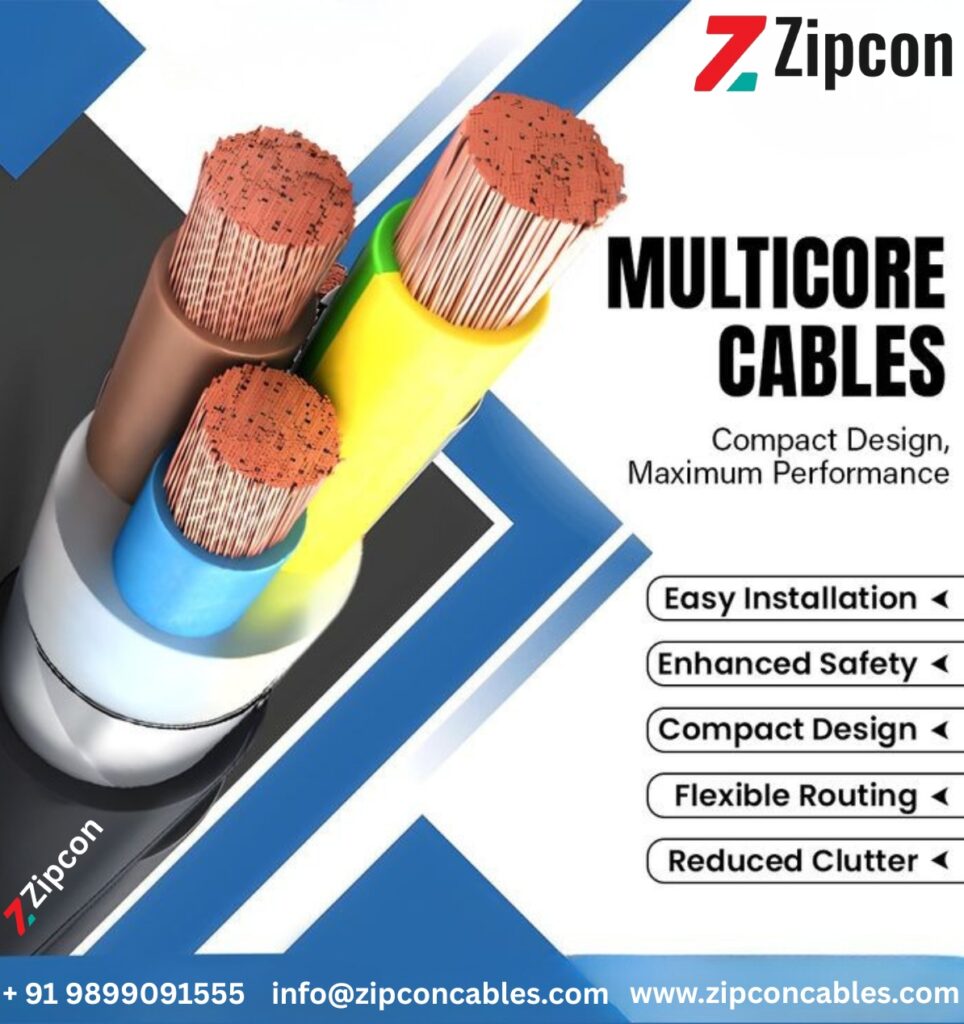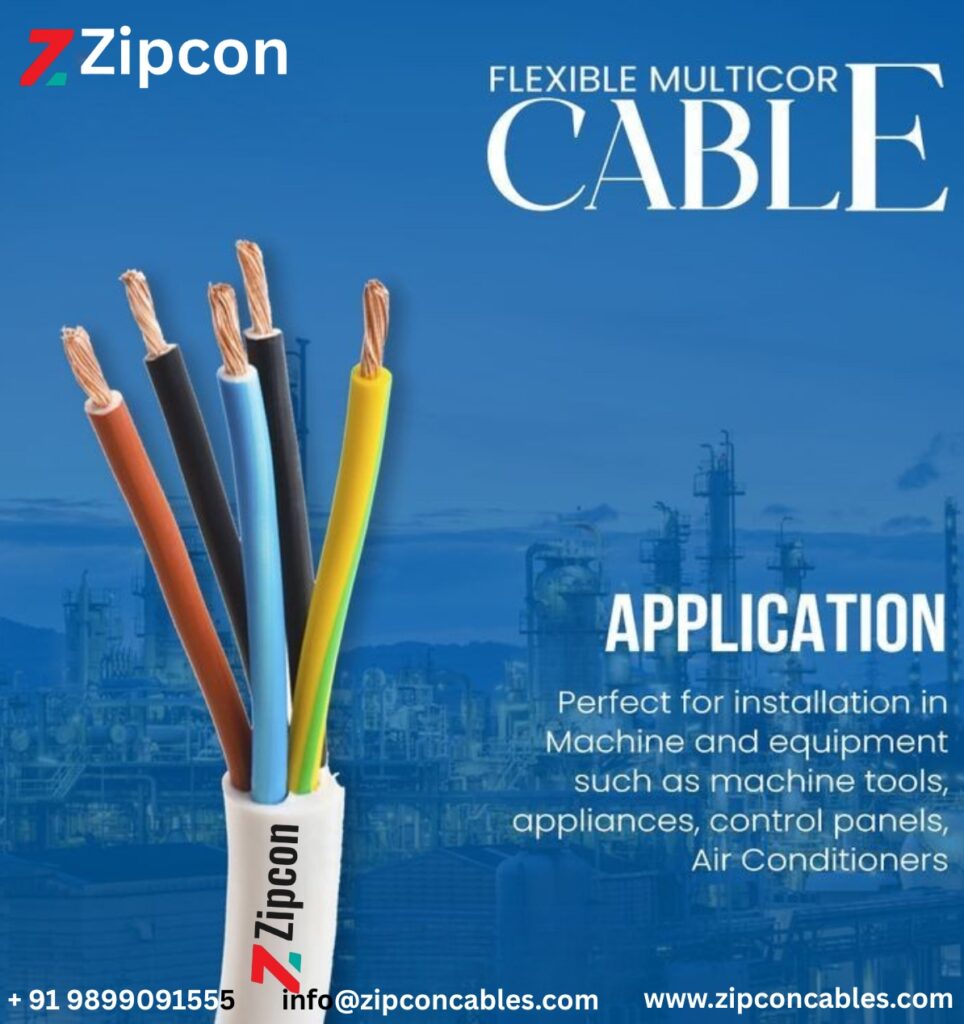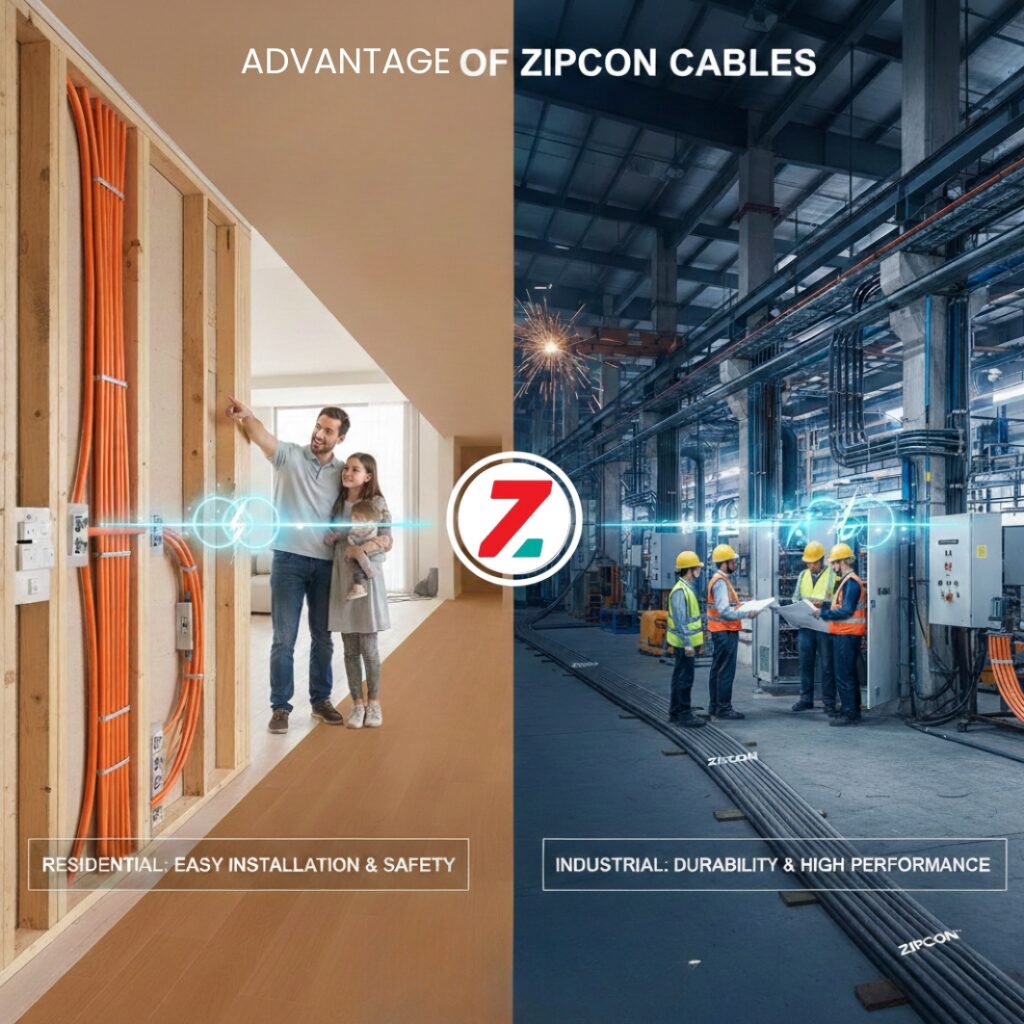
Multicore cables are a fundamental part of electrical infrastructure, used for transmitting power and data across residential, commercial, and industrial settings. Choosing the right top multicore cable manufacturers in india depends on various factors, including conductivity, durability, weight, cost, safety, and installation requirements. This article provides an in-depth comparison of copper and aluminum multicore cables, highlighting the best manufacturers in India, with a focus on Zipcon Cables, a leading player in the multicore cable market.
For inquiries or assistance, visit: 👉https://zipconcables.com/contact-us/
Conductivity: Copper vs. Aluminum
When it comes to conductivity, copper is the superior choice. Copper cables are known for their high conductivity, which makes them ideal for long-distance transmission and high-power applications. Copper’s low resistance means it can efficiently carry electrical signals and power without significant energy loss. This is particularly important in high-demand environments like industrial and commercial power transmission.
On the other hand, aluminum cables, while not as conductive as copper, offer a more cost-effective alternative. Aluminum is typically used in less demanding applications where long-distance transmission and high power are not required. It is still an efficient conductor but with higher resistance, leading to slightly more energy loss compared to copper cables. However, for less power-intensive applications, aluminum cables remain a popular choice due to their affordability.
Durability: Copper’s Longevity vs. Aluminum’s Cost-Effectiveness
Durability is another critical factor when choosing the right multicore cable. Copper cables are known for their robustness and ability to withstand wear and tear over extended periods. They are highly resistant to corrosion and degradation, making them a reliable choice for long-term use. In environments where cables are exposed to harsh conditions, copper’s durability ensures they remain functional for decades, with minimal maintenance required.
Aluminum cables, while generally more cost-effective, have a shorter lifespan compared to copper. Aluminum is more prone to oxidation and corrosion, especially in outdoor or humid environments. This can lead to a decrease in performance over time. However, with proper insulation and maintenance, aluminum cables can still serve effectively in applications with less extreme conditions.
Weight and Cost: Comparing Copper and Aluminum
One of the key differences between copper and aluminum cables is their weight. Copper cables are significantly heavier than aluminum cables, which can impact installation and handling. The added weight of copper requires more careful management during installation, especially in large-scale projects or when cables need to be suspended or routed through tight spaces.
Aluminum cables, being lighter, are easier to install and handle. The reduced weight is an advantage in applications where space and weight constraints are important, such as in overhead power lines or within tight residential spaces.
When it comes to cost, aluminum cables are generally more affordable than copper cables. This makes them an attractive option for budget-conscious buyers or in applications where high power transmission is not a critical requirement. However, the reduced cost of aluminum comes with trade-offs in terms of conductivity, durability, and safety, which must be considered based on the specific use case.
Safety: Ensuring Thermal and Fire Safety
Safety is a major concern when choosing electrical cables. Copper cables are known for their superior thermal conductivity. This means they dissipate heat more efficiently, making them safer in high-load applications. In environments where cables are expected to carry a heavy electrical load, copper’s ability to handle heat helps prevent overheating, which can lead to potential fire hazards.
Aluminum cables, while safe for many applications, have lower thermal conductivity. This means they are more prone to overheating under heavy load. However, with proper insulation and safety precautions, aluminum cables can be used effectively in lower-load scenarios.
Installation Requirements: Ease of Handling
When it comes to installation, copper cables typically require more careful handling due to their heavier weight and rigidity. Installing copper cables often requires more manpower and careful consideration of the routing and support mechanisms.
Aluminum cables, with their lighter weight, are easier to install. They are more flexible and require less effort during handling, which can reduce labor costs and time for installation. This makes aluminum cables a preferred choice for less demanding applications where ease of installation is a priority.
Typical Use Cases: When to Choose Copper or Aluminum
The choice between copper and aluminum cables largely depends on the application.
- Copper Cables: Copper cables are the go-to choice for high-power transmission, industrial applications, and long-distance transmission lines. They are commonly used in power plants, factories, and commercial buildings where high efficiency and durability are essential.
- Aluminum Cables: Aluminum cables are ideal for residential, commercial, and some industrial applications where cost-efficiency and lighter weight are more important than maximum power transmission. They are frequently used in home wiring, overhead power lines, and low-load applications.
Real-World Comparisons
To illustrate when to use copper versus aluminum, consider the following real-world scenario: A high-power transmission line in a large industrial complex will require copper cables due to their superior conductivity, durability, and thermal safety. In contrast, for a residential building with basic power needs, aluminum cables would suffice, providing a more affordable solution while still ensuring reliable performance.
Recommendation: Choosing Between Copper and Aluminum Cables
For high-power applications where efficiency, durability, and safety are paramount, copper cables are the clear choice. Their superior conductivity, longevity, and ability to handle heavy loads make them suitable for industrial and long-distance power transmission needs.
On the other hand, if you are working on a budget-conscious project or require lighter cables for easier installation, aluminum cables may be the better option. They offer an affordable alternative while still providing adequate performance for less demanding applications.
Zipcon Cables: A Leading Brand in Multicore Cable Manufacturing
When it comes to multicore cables in India, Zipcon Cables stands out as a trusted brand known for its commitment to quality, innovation, and customer satisfaction. Zipcon offers a wide range of copper and aluminum multicore cables, designed to meet the diverse needs of residential, commercial, and industrial applications. With a focus on durability, safety, and high performance, Zipcon Cables provides solutions that cater to various voltage levels and installation requirements.
In conclusion, whether you choose copper or aluminum multicore cables, understanding the unique advantages of each material is key to making the right choice for your project. Brands like Zipcon Cables offer high-quality options tailored to meet industry standards and provide the best value for your needs.