zipconcables
Discover the Best of Zipcon Electrical Wires for Indian Homes: Safety, Durability, and Affordability Combined

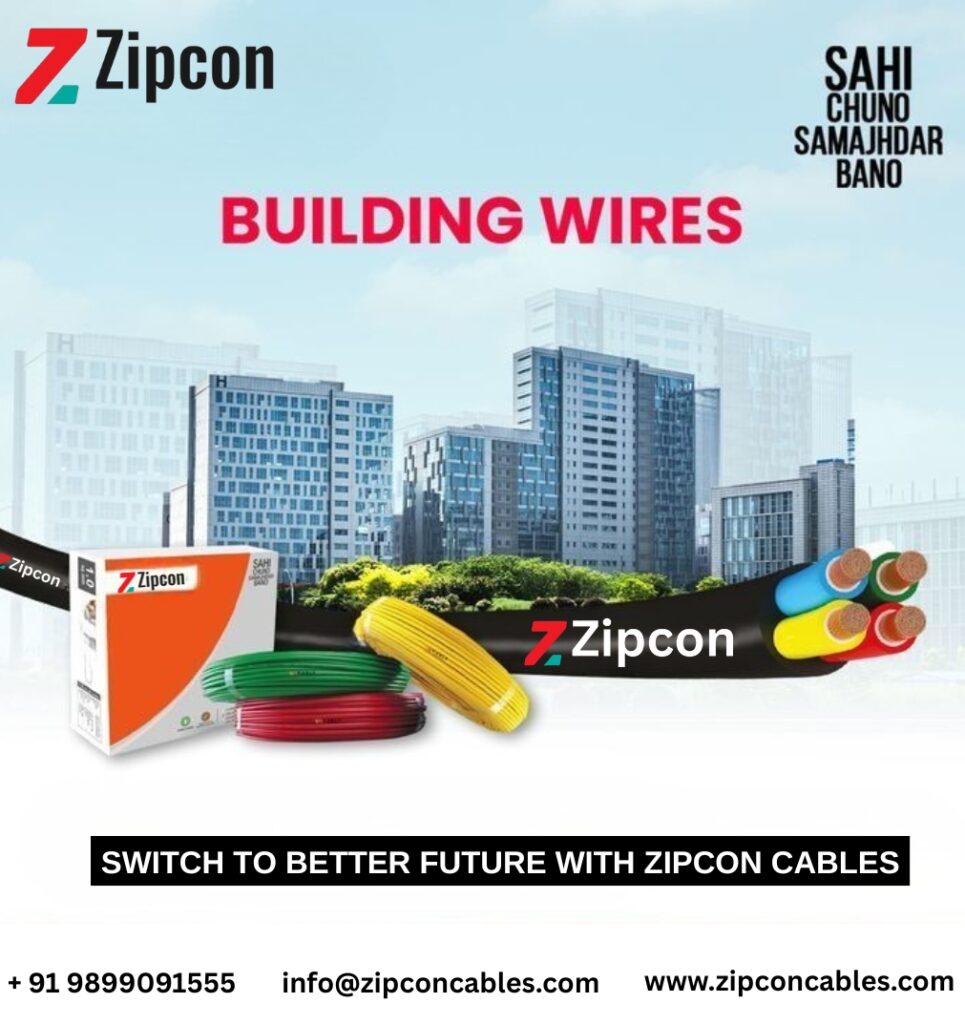
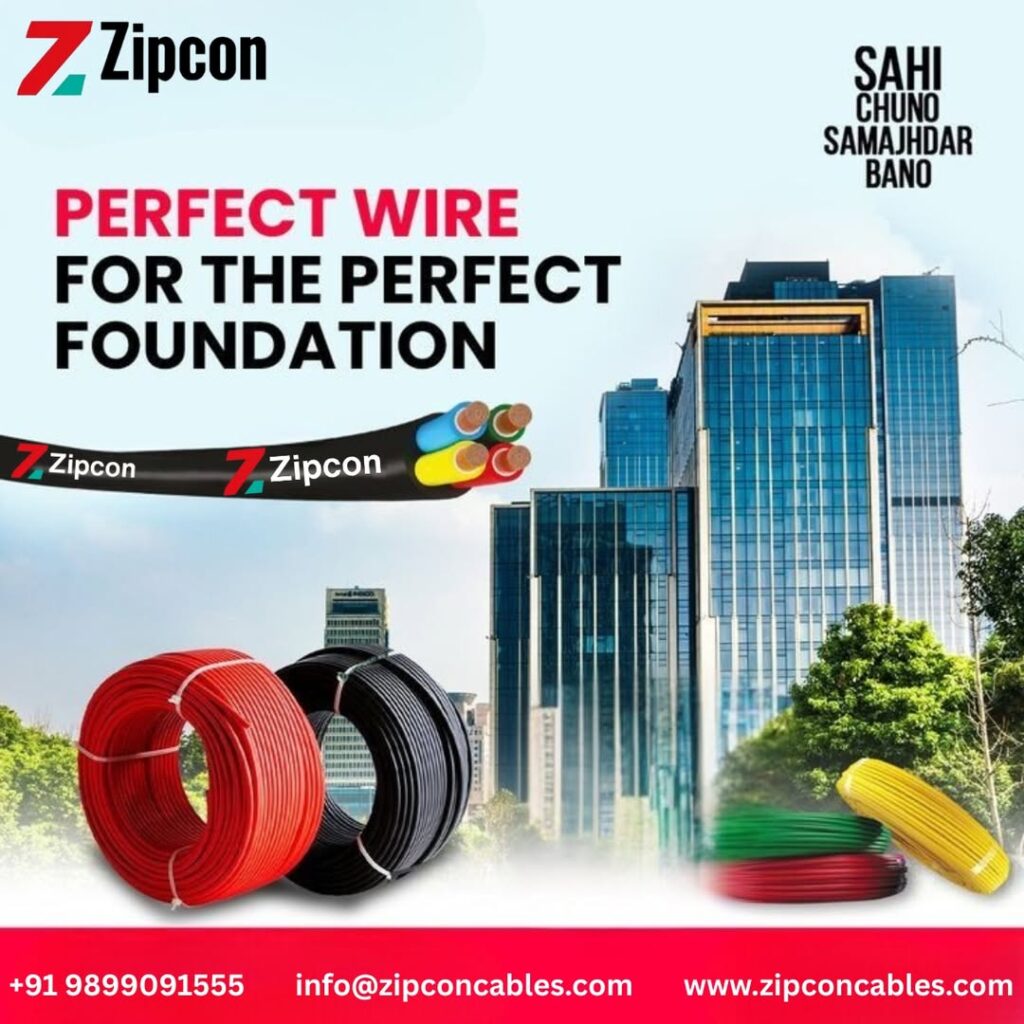
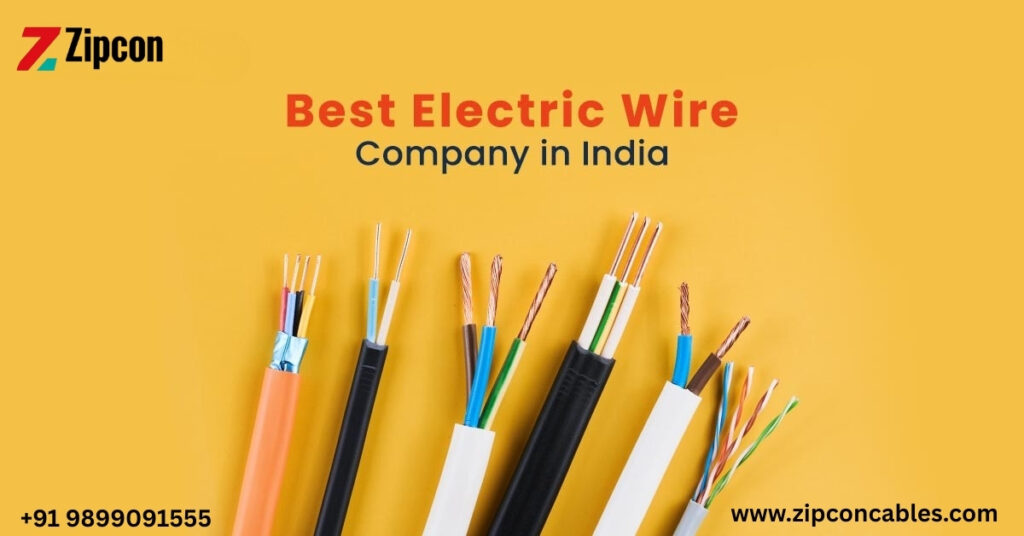
When it comes to wiring your home, Zipcon electrical wires offer a perfect balance of safety, performance, and cost-effectiveness. Here’s why Zipcon stands out as the top choice for Indian homes.

Uncompromising Safety for Peace of Mind

In an environment where electrical safety is paramount, Zipcon guarantees exceptional protection against electrical hazards. Here’s how:

  • ISO 9001:2008 Certification: Zipcon’s manufacturing process is guided by stringent quality control measures, ensuring that every wire is safe, reliable, and compliant with international standards.
  • PVC & FR-PVC Insulation: The brand uses high-quality PVC insulation for most products, preventing potential electric shocks, overheating, and electrical faults. In high-risk areas like kitchens and bathrooms, FR-PVC (Fire-Retardant PVC) provides an extra layer of protection, reducing fire hazards.
  • Corrosion Resistance: Zipcon wires come with superior corrosion-resistant coatings, which protect against moisture and dust, making them ideal for Indian homes where environmental factors like humidity, heat, and dust are common challenges.

Built to Withstand Indian Conditions

Zipcon’s wires aren’t just for any home—they’re specifically designed to meet the demands of Indian households. Here’s how they’re tailored to handle the local environment:

  • Voltage Fluctuations: The electrical grid in India can experience unpredictable voltage spikes and drops. Zipcon’s wiring is designed to perform consistently, even under unstable voltage conditions, ensuring your home’s electrical systems stay safe and functional.
  • Flexible Design: Whether it’s running wires around corners or connecting appliances in tight spaces, Zipcon’s flexible wires provide ease of installation, reducing the chances of damage during setup and ensuring that the wiring adapts to various design requirements.
  • Wide Product Range: From submersible cables for water pumps to multi-core wires for home appliances and lighting systems, Zipcon covers all your needs. Their solar cable options make Zipcon a great choice for homes integrating renewable energy solutions, reflecting India’s growing trend towards solar power adoption.

Performance You Can Count On

When you choose Zipcon, you’re choosing long-lasting reliability. Here’s why their performance is top-notch:

  • Superior Conductivity: Zipcon uses premium copper and aluminium conductors, ensuring maximum electrical conductivity with minimal energy loss. This means your appliances will work efficiently, saving you money on electricity bills in the long run.
  • High Temperature Tolerance: Zipcon wires are made to handle India’s high temperatures, especially in areas with extreme summer heat. The wires won’t soften, melt, or lose their functionality, even during prolonged exposure to heat.
  • Long-Lasting Durability: Zipcon wiring is built to withstand wear and tear from daily use, making it the perfect choice for high-traffic areas in the home. Whether it’s the kitchen, living room, or outdoor spaces, Zipcon’s wires ensure consistent performance for years to come.

Affordability without Compromise

While safety and performance are vital, affordability is a key consideration for most homeowners. Zipcon offers exceptional value without compromising on quality:

  • Cost-Effective Materials: Zipcon uses aluminium conductors in certain wire types, which are lighter and more affordable than copper, making it easier to stay within budget without sacrificing performance.
  • Durability Means Less Replacement: With Zipcon, you’re not just saving money upfront; their long-lasting wires mean less frequent replacement costs over time, making them a smart investment for your home’s electrical system.
  • Wide Accessibility: Zipcon’s nationwide distribution network ensures that their products are available at competitive prices across India. Whether you’re in a metro city or a rural area, Zipcon’s affordable prices and easy availability make them an accessible choice for all.

Why Zipcon is Ideal for Indian Homes:

  • Local Adaptation: Zipcon understands the unique challenges of the No 1 Brand in Indian market—whether it’s voltage fluctuations, humidity, or dust—and designs wires specifically to handle these issues, giving you peace of mind no matter the weather or conditions.
  • Energy Efficiency: Zipcon wires reduce energy loss thanks to their superior conductivity, making them a sustainable choice for households looking to reduce energy consumption and lower electricity bills.
  • Future-Proof: As more homes in India embrace solar energy, Zipcon offers solar cables that can be seamlessly integrated into green homes, ensuring your electrical setup stays modern and efficient.
  • Variety of Options: With multi-core cables, submersible cables, flexible wires, and more, Zipcon caters to every requirement in your home, from lighting to heavy-duty appliances.

Call to Action: Choose Zipcon for Your Home’s Electrical Needs

If you’re looking to ensure the safety, performance, and longevity of your home’s electrical system, Zipcon electrical wires should be your go-to choice. Their affordable, high-performance wiring solutions guarantee safety, durability, and value, making them the best option for Indian homes.

When building or renovating your home, take the extra step to ensure quality wiring with Zipcon—where innovation meets affordability.

What is Multistrand House Wire, and How Does It Differ from Solid Wire?

When selecting electrical wiring for residential purposes, choosing the right type of wire is a crucial decision. Among the various options available, multistrand wire and solid wire are two common types used in residential electrical installations. Both serve the purpose of transmitting electricity efficiently, but their construction, flexibility, and applications differ significantly. cables manufacturer in Delhi NCR Understanding these differences is essential to selecting the appropriate wire for specific installations. This article explains what multistrand wire is, how it differs from solid wire, and where each type is most suitable, with specific reference to Zipcon cables.

What is Multistrand House Wire?

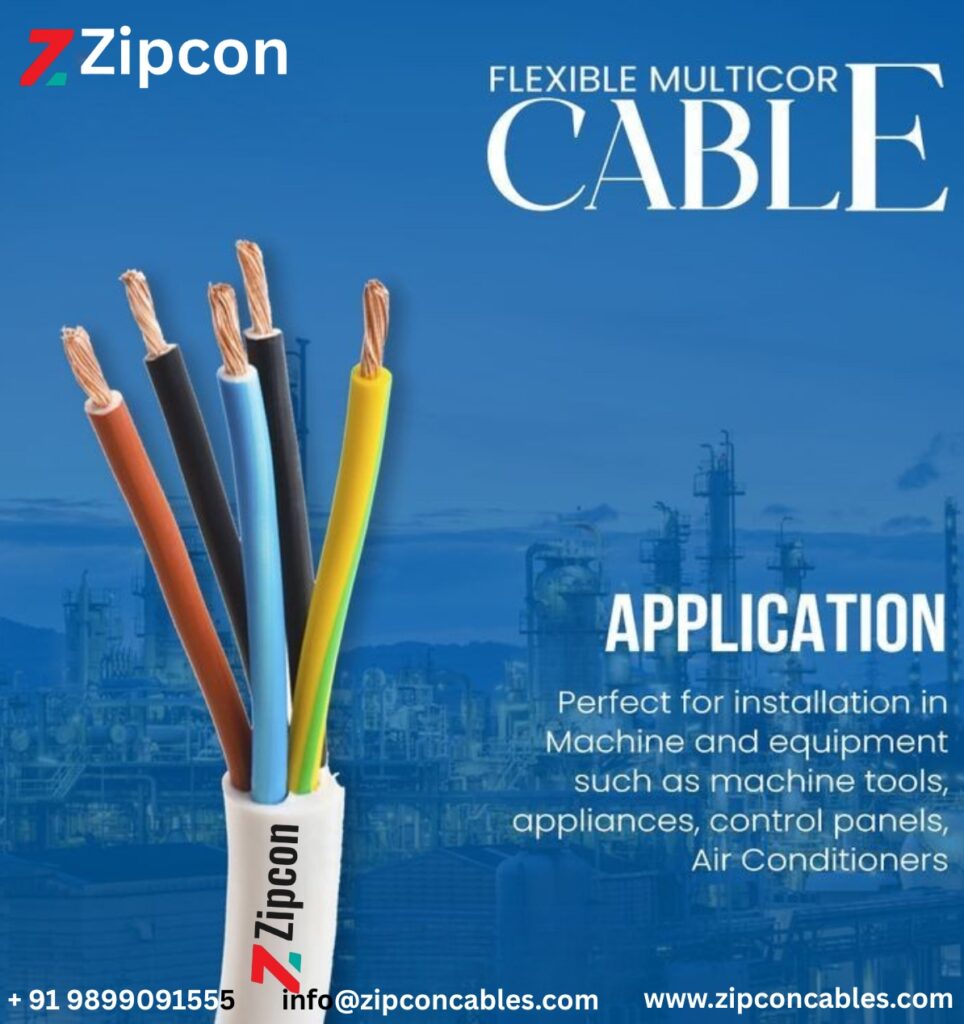
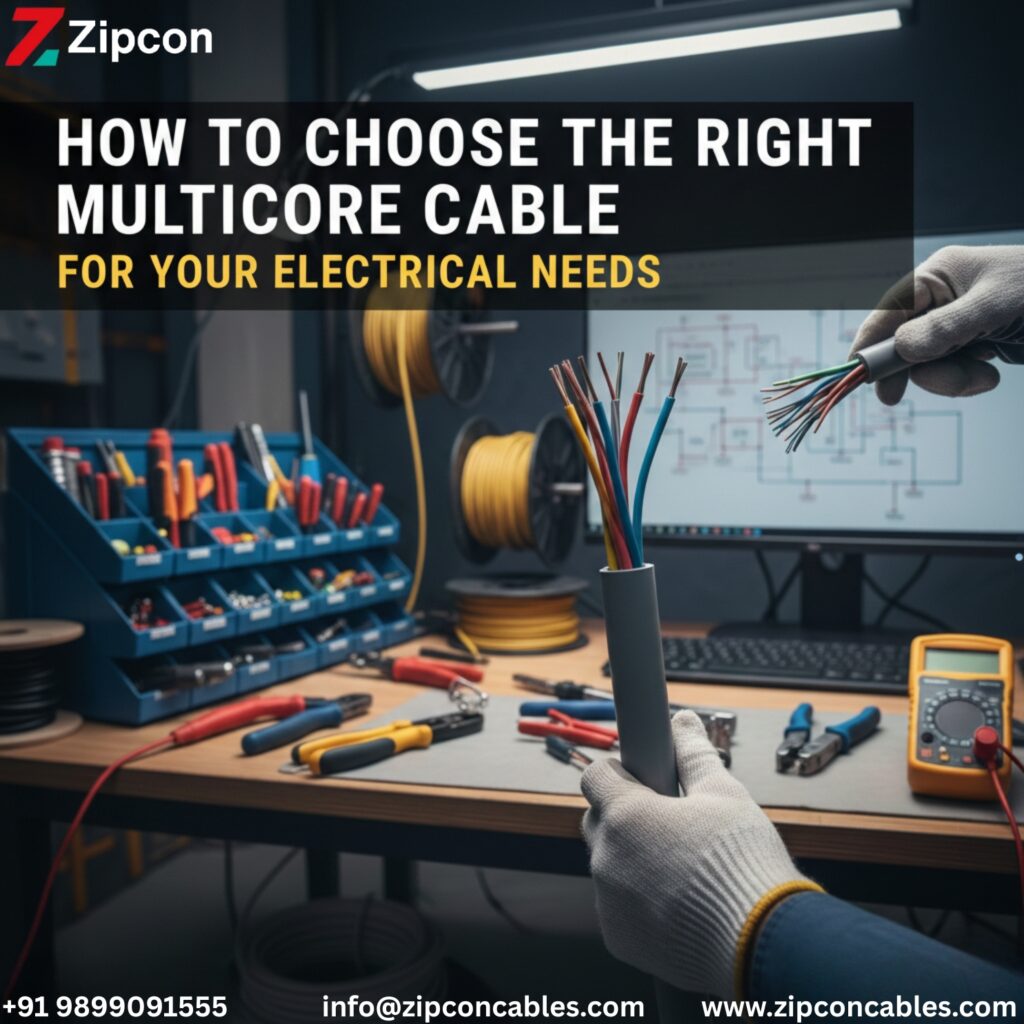
Multistrand house wire, often called flexible wire, consists of several thin strands of wire that are twisted or braided together to form a single wire. These strands are typically made from high-conductivity materials like copper or aluminum. The individual strands are insulated and then combined to create a single conductor. The defining feature of multistrand wire is its flexibility, which allows it to bend and move easily without breaking. This is particularly useful in installations where the wire needs to navigate corners, tight spaces, or experience some level of movement.

Construction of Multistrand Wire

Multistrand wire is made by twisting several smaller strands of conductive material together. The number of strands in the wire varies depending on the wire’s gauge and intended application. For instance, a 14 AWG (American Wire Gauge) multistrand wire might contain anywhere from seven to 19 strands of wire, each individually insulated before being bundled together. The wire is then wrapped in an outer layer of insulation to prevent electrical shorts or exposure to conductive materials.

The design of multistrand wire provides a larger surface area, which increases flexibility. This is especially advantageous when the wire needs to be routed through constrained spaces or bent regularly, making multistrand wire an ideal choice for flexible and adaptable electrical installations.

What is Solid Wire?

In contrast, solid wire consists of a single, continuous strand of wire, unlike multistrand wire, which is made up of multiple smaller strands. Solid wire is usually constructed from the same conductive materials as multistrand wire, such as copper or aluminum, but it is a single piece of metal, offering rigidity and a lack of flexibility. Solid wire is commonly used in environments where flexibility is not a significant factor, and the wire will remain stationary once installed.

Solid wire is often used in fixed electrical circuits where long-term durability is necessary, such as in wall wiring, conduits, and power distribution systems, where the wire is unlikely to experience frequent bending or movement.

Key Differences Between Multistrand and Solid Wire

1. Flexibility

The most noticeable difference between multistrand and solid wire is flexibility. Multistrand wire, made of multiple strands, is much more flexible, allowing it to bend around corners and maneuver into tight spaces without breaking. This makes it ideal for applications where the wire needs to be bent or adjusted frequently, such as in appliance wiring, power cords, and extension leads.

In contrast, solid wire is stiffer and less flexible, making it harder to bend or twist. This rigid nature makes it more suitable for installations where the wire is fixed in place, like inside walls or in conduits where minimal bending is required.

2. Durability and Fatigue Resistance

Due to its construction, multistrand wire is more resistant to fatigue. The individual strands allow the wire to flex without breaking, which makes it more durable for installations exposed to repeated movement, vibration, or bending. This makes it ideal for applications like appliance wiring and power tools where frequent movement or flexing may occur.

On the other hand, solid wire is more prone to fatigue, especially when subjected to repeated bending. Over time, the wire can crack or break due to this stress, leading to potential electrical failures or hazards. Solid wire is, therefore, not recommended for applications where the wire is subject to frequent movement.

3. Electrical Conductivity

Both multistrand and solid wires are made from highly conductive materials, typically copper, and provide excellent electrical conductivity. However, solid wire usually offers slightly better conductivity than multistrand wire because it is a continuous, uninterrupted conductor. Multistrand wire may experience minor resistance at the points where the individual strands meet, leading to a small decrease in overall conductivity.

That being said, the difference in conductivity is usually negligible in most residential applications, and both types of wire are more than capable of handling typical household electrical tasks, such as powering appliances or lighting.

4. Cost

Solid wire is generally more affordable than multistrand wire due to its simpler manufacturing process. Solid wire requires fewer materials and less processing, making it less expensive to produce. As a result, solid wire is commonly used in less complex installations where flexibility and movement are not required.

On the other hand, multistrand wire is more expensive due to its more intricate manufacturing process. However, the benefits of flexibility, fatigue resistance, and adaptability may justify the additional cost for installations where these characteristics are essential.

5. Applications

Both types of wire have specific applications based on their strengths:

  • Multistrand wire is ideal for flexible applications such as:
    • Appliance wiring
    • Power cords
    • Automotive wiring
    • Flexible leads and extension cords
    • Outdoor wiring or installations subject to frequent movement or vibration
  • Solid wire is best suited for stationary installations such as:
    • Residential circuits
    • Power distribution systems
    • Wiring within walls or conduits
    • Electrical systems where minimal movement is expected

Zipcon Cables and Their Application of Multistrand Wire

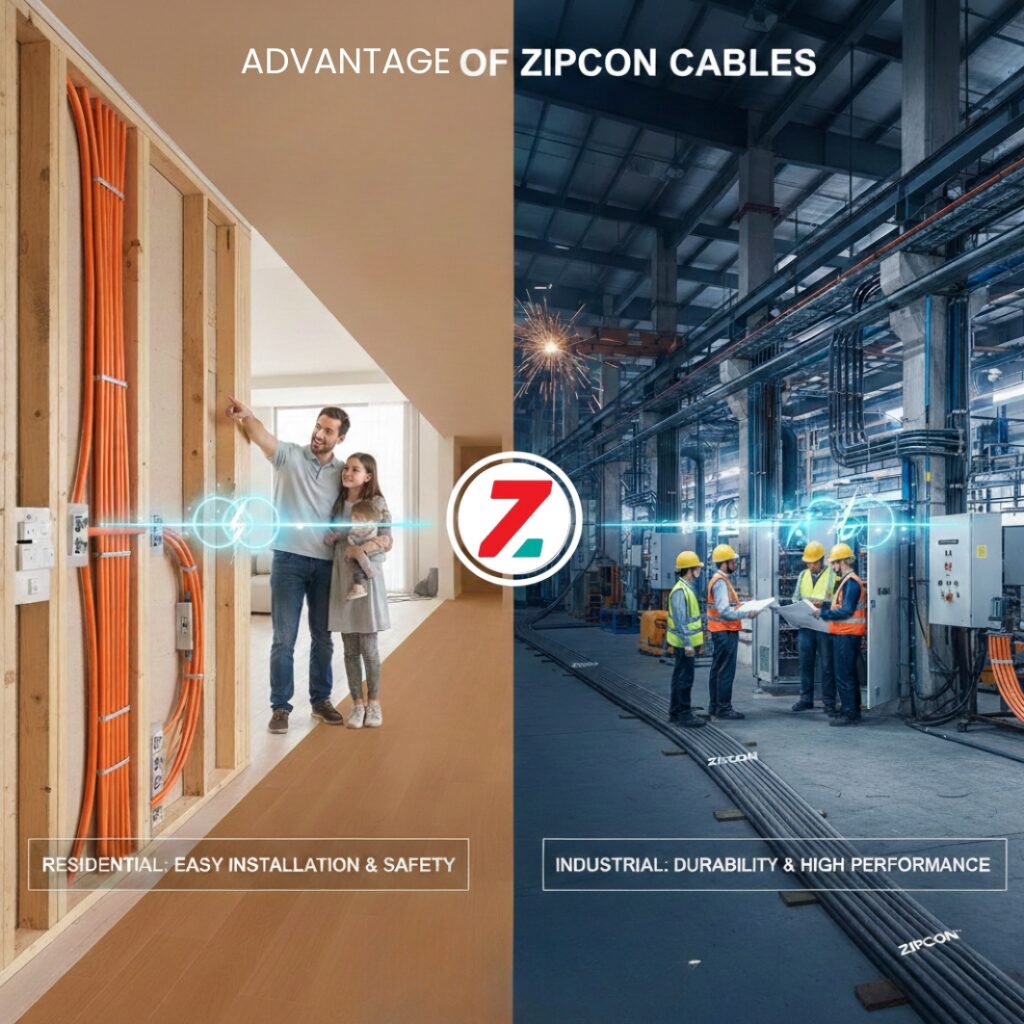
Zipcon Cables, a well-known manufacturer of electrical cables, offers both multistrand and solid wire solutions. Their multistrand house wire is particularly suited for applications that demand flexibility, durability, and reliability. Zipcon’s multistrand wire products are designed for use in both residential and industrial applications, ensuring that the wire can withstand frequent movement and bending, while also maintaining high electrical conductivity.

Zipcon uses high-quality copper or aluminum conductors for their multistrand wires, ensuring that the wire performs well in various electrical tasks. Their wires are also well-insulated, minimizing the risk of electrical short circuits and ensuring safety during installation. The flexibility and durability of Zipcon’s multistrand wires make them an ideal choice for installations that require constant movement or adaptability.

Conclusion

Both multistrand wire and solid wire have specific applications depending on their flexibility, durability, and cost. Multistrand wire is the preferred choice when flexibility, resistance to fatigue, and adaptability are necessary. In contrast, solid wire is more cost-effective and suited for installations where the wire remains stationary with minimal movement.

When considering Zipcon’s products, their multistrand house wire stands out as an excellent choice for applications that require flexibility, especially in areas where wires will be subjected to movement or frequent bending. Zipcon’s multistrand wire offers the right balance of performance, durability, and safety for residential and industrial electrical systems.

Understanding the differences between multistrand and solid wire, along with evaluating the requirements of your installation, will help you choose the right wire for your electrical needs, ensuring a safe and reliable electrical system.

Why XLPE Submersible Cable is Better than PVC Submersible Cable ?

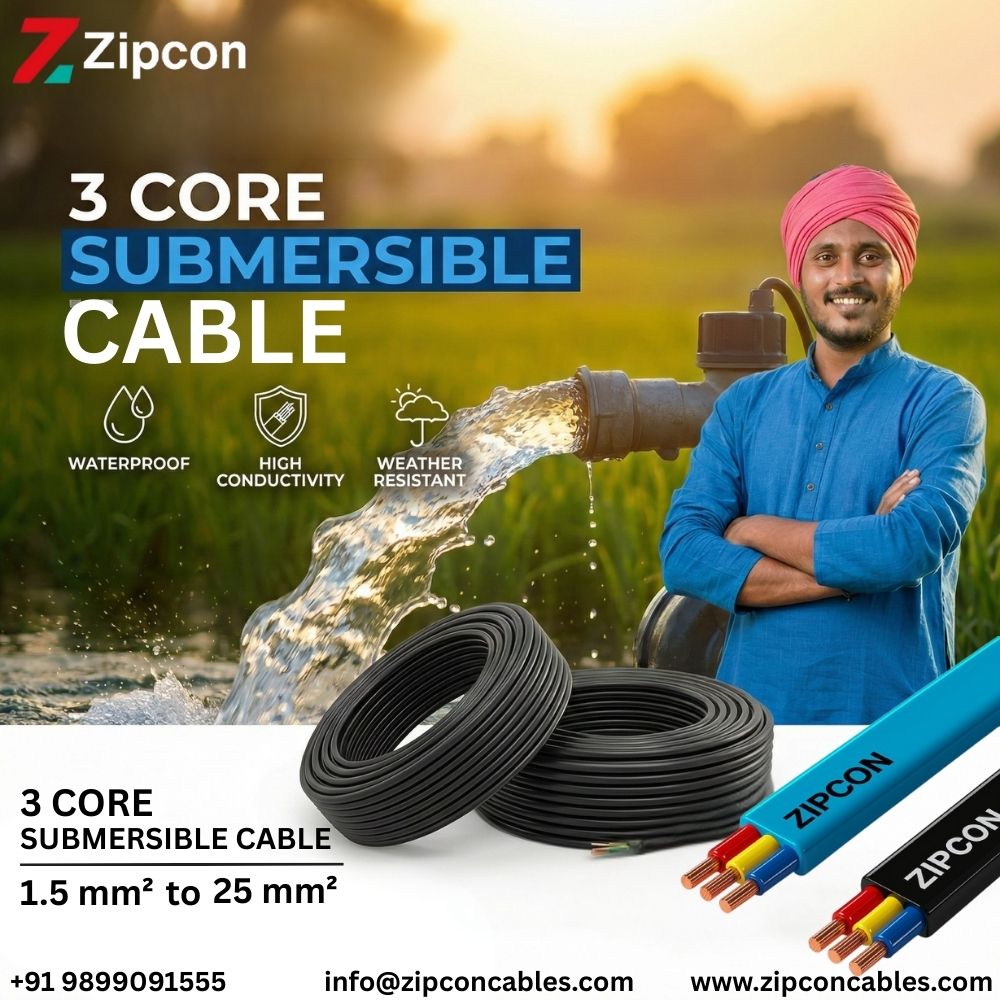
Submersible cables are a crucial component in power transmission systems, especially for underwater or underground applications such as borewells, pumps, irrigation systems, and sewage treatment plants. These cables are designed to perform efficiently under moisture, pressure, and temperature variations. Among the commonly used materials for insulation in best submersible cables in India, PVC (Polyvinyl Chloride) and XLPE (Cross-Linked Polyethylene) stand out as the two most preferred options.

However, as industries and households demand higher efficiency, longer life, and better performance, XLPE submersible cables have become the preferred choice over PVC cables. The difference lies primarily in the insulation technology, which impacts the cable’s electrical, mechanical, and thermal properties.

Understanding PVC and XLPE Cables

PVC Submersible Cables:
PVC cables use polyvinyl chloride as insulation, which is cost-effective, easy to manufacture, and resistant to moisture and chemicals. PVC insulation has been a standard for decades due to its flexibility and availability. Water Pump cables, However, its performance deteriorates under high temperatures and prolonged exposure to mechanical stress or moisture.

XLPE Submersible Cables:
XLPE stands for Cross-Linked Polyethylene — an advanced insulation material created by chemically cross-linking polyethylene molecules. This process enhances the thermal, mechanical, and electrical strength of the material, making it far more resilient than standard PVC. The cross-linking improves its heat resistance and allows it to maintain structural integrity under extreme conditions, making it ideal for submersible and industrial applications.

Key Differences Between XLPE and PVC Submersible Cables

1. Thermal Resistance and Operating Temperature

One of the most significant advantages of XLPE insulation over PVC is its superior thermal performance.

  • PVC cables can typically operate up to 70°C continuously, beyond which the insulation begins to soften and degrade.
  • XLPE cables, on the other hand, can withstand continuous operation at temperatures up to 90°C, with short-term peaks of 250°C without damage.

This higher thermal resistance ensures that XLPE submersible cables perform better in high-load conditions, where the temperature inside the cable may rise due to higher current flow. It also extends the cable’s lifespan, as insulation deterioration is slower at elevated temperatures.

2. Electrical Efficiency and Insulation Strength

XLPE insulation offers superior electrical properties compared to PVC. Its dielectric strength is nearly twice that of PVC, which means it can handle higher voltages with minimal power loss. This makes XLPE submersible cables more energy-efficient and reliable, especially for deep borewell applications where voltage fluctuations are common.

PVC insulation tends to absorb moisture over time, slightly reducing its insulation resistance. In contrast, XLPE is hydrophobic (resistant to water absorption), ensuring consistent insulation and safer operation even in wet environments.

3. Mechanical Strength and Durability

In terms of toughness, XLPE submersible cables outperform PVC cables. The cross-linked structure provides better abrasion resistance, impact strength, and tensile durability. This makes them ideal for applications where cables are subjected to constant movement or friction, such as submersible pumps lowered into borewells.

PVC cables, though flexible, tend to become brittle over time, especially when exposed to heat or UV light. They are more prone to cracking and mechanical wear, leading to insulation failure in the long run.

4. Resistance to Chemicals and Moisture

Submersible cables are frequently exposed to water, oils, and chemicals present underground or in pumping systems. While PVC offers basic protection against these elements, XLPE insulation provides superior chemical and moisture resistance.

XLPE’s non-polar molecular structure repels water and resists the ingress of harmful substances, reducing the chances of short-circuits or breakdowns caused by insulation degradation. This makes XLPE submersible cables ideal for environments with high salinity, chemicals, or varying pH levels, such as agricultural borewells or wastewater systems.

5. Flexibility and Weight

PVC cables are known for their flexibility, making them easier to handle and install. However, XLPE cables have improved formulations that offer flexibility while maintaining better strength.

Although XLPE cables are slightly stiffer than PVC, they are lighter in weight, making them easier to lower or lift during pump installation and maintenance. The reduced weight also helps minimize strain on the pump connections and ensures safer handling during operation.

6. Lifespan and Reliability

Durability is where XLPE cables truly excel. The cross-linked structure ensures excellent thermal aging resistance, meaning the insulation does not soften or deform even after years of continuous use. XLPE cables can last up to 30–40% longer than PVC cables under similar working conditions.

PVC cables, being thermoplastic, soften when exposed to high temperatures and harden in cold environments, leading to material fatigue and eventual failure. In contrast, XLPE maintains its properties consistently, ensuring stable performance and a longer operational life.

7. Environmental Impact and Safety

Another major advantage of XLPE cables is their eco-friendly and safer composition. PVC insulation contains chlorine, which releases toxic gases when burned, posing environmental and health hazards. XLPE, being halogen-free, does not emit corrosive or harmful gases during combustion.

This makes XLPE submersible cables a safer choice not only for users but also for the environment, especially in applications that require compliance with eco-safety standards.

Applications of XLPE Submersible Cables

Due to their superior characteristics, XLPE submersible cables are widely used in:

  • Deep borewell and agricultural pumps
  • Sewage and drainage systems
  • Underground and underwater power transmission
  • Mining and irrigation projects
  • Industrial motor connections

Their reliability under extreme temperatures and pressures ensures uninterrupted operation, reducing maintenance costs and downtime.

Cost Consideration

While XLPE submersible cables may have a slightly higher initial cost than PVC cables, their extended life, higher efficiency, and reduced maintenance make them a more economical option in the long run. The energy savings and lower replacement frequency outweigh the upfront price difference.

Why Choose XLPE Submersible Cables

In summary, XLPE submersible cables outperform PVC cables in nearly every critical aspect:

  • Better heat resistance and current-carrying capacity
  • Higher dielectric strength and insulation quality
  • Superior mechanical and chemical durability
  • Longer lifespan with minimal maintenance
  • Environmentally safe and halogen-free composition

For users seeking long-term reliability, energy efficiency, and safety, XLPE submersible cables are the clear winner. Whether for agricultural, domestic, or industrial applications, they offer unmatched performance and ensure that electrical systems run smoothly under the toughest conditions.

Final Thoughts

The shift from PVC to XLPE submersible cables reflects the industry’s move toward safer, more sustainable, and efficient solutions.and Best Cable Manufacture in Delhi As technology continues to evolve, XLPE’s superior properties make it the future of submersible cabling — combining strength, stability, and sustainability in one powerful package.