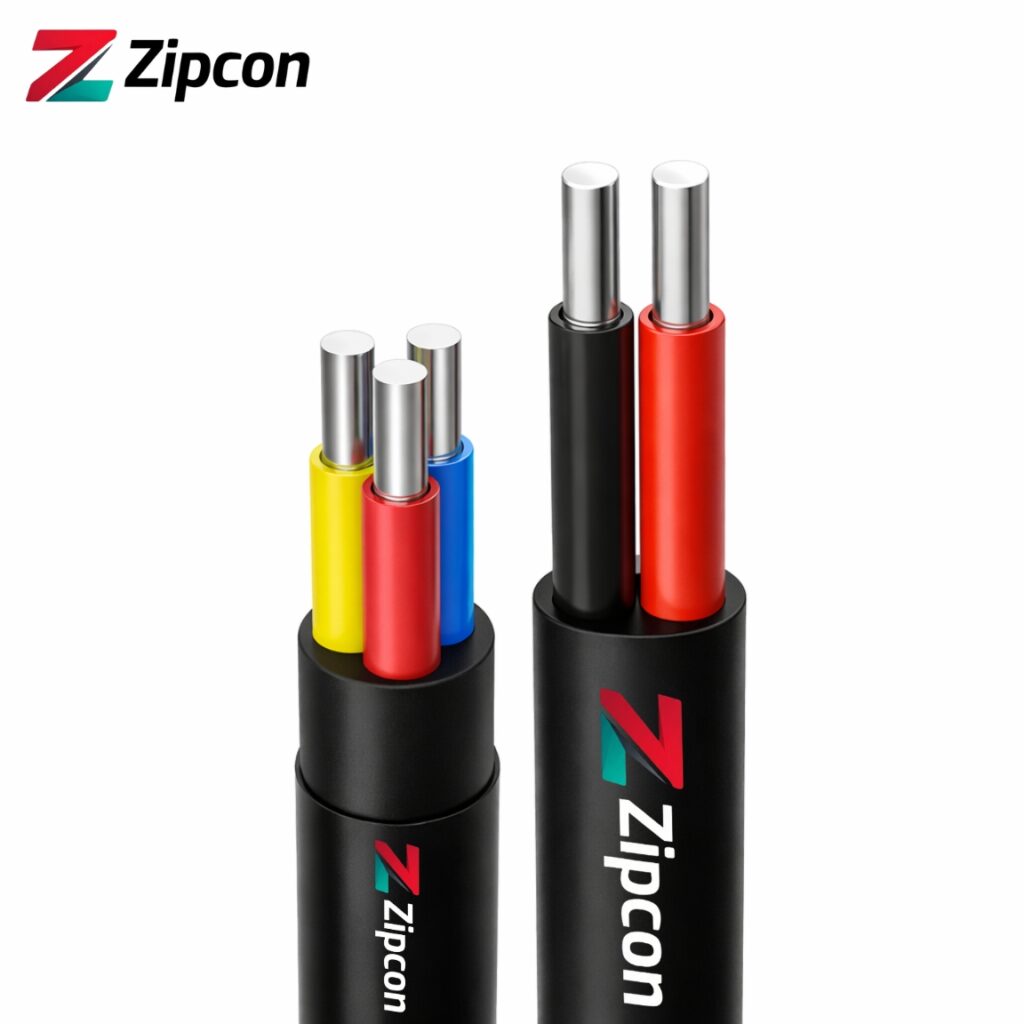
Choosing the right house wire is not just about price — it’s about safety, performance, and long-term reliability. In fast-growing areas like Gurgaon, where residential towers, offices, retail spaces, and small industries are expanding rapidly, electrical loads are higher and more complex than ever. This makes multistrand house wire a practical and dependable choice for both commercial and residential installations.
Brands like Zipcon Cables are increasingly preferred because they focus on consistent conductor quality, insulation strength, and performance under real site conditions.
What Is Multistrand House Wire and Why Is It Used?
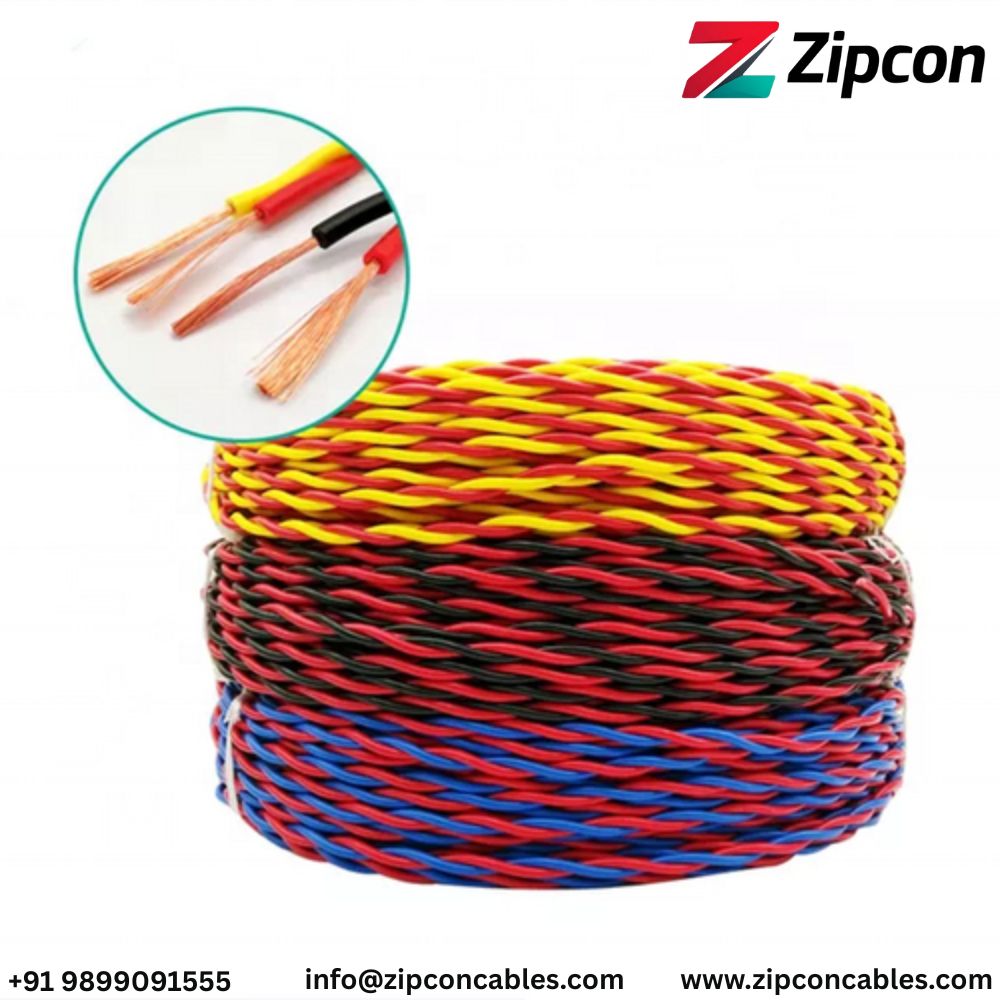
Multistrand house wire consists of multiple thin strands of conductor (usually copper or aluminum) twisted together to form a single core. Unlike single-strand (solid) wire, multistrand wire is flexible and easier to route through conduits and panels.
In residential projects, it is commonly used for lighting circuits, power sockets, AC lines, kitchen appliances, and inverter wiring. In commercial setups, it supports heavier loads such as HVAC systems, lift circuits, distribution panels, and server rooms.
The biggest reason professionals choose multistrand wire is flexibility. During installation, especially in high-rise buildings or tight conduits, flexibility reduces breakage risk and speeds up work.
Conductivity: The Core Performance Factor
Conductivity determines how efficiently current flows through the wire. Copper multistrand wire offers significantly higher conductivity than aluminum. This means:
Lower voltage drop
Better load handling
Reduced heat generation
Improved energy efficiency
For example, in a commercial office where multiple AC units and computers operate simultaneously, copper multistrand wire maintains stable performance without overheating.
Zipcon Cables’ copper multistrand wires are manufactured with high-purity copper, which ensures consistent current flow and minimal resistance losses.
Aluminum, while lighter and cheaper, has lower conductivity. To match copper’s performance, aluminum conductors must be thicker.
Durability and Heat Resistance
Under continuous load, wires heat up. The ability to withstand temperature rise without insulation damage is critical.
Copper performs better in high-load environments because:
It handles higher temperatures efficiently.
It expands and contracts less under heat cycles.
It has stronger tensile strength.
In a residential building with heavy appliances like geysers and induction cooktops, copper multistrand wiring provides better long-term durability.
Aluminum wires are more prone to expansion and contraction, which may loosen connections over time if not installed carefully.
Zipcon Cables focuses on strong PVC insulation and proper strand compaction, improving overall durability and mechanical strength.
Weight and Cost Considerations
This is where aluminum sometimes becomes attractive.
Copper is heavier and more expensive.
Aluminum is lighter and cheaper.
In large commercial projects where cable length runs into hundreds of meters, aluminum may reduce overall material cost and structural load.
However, cost should never compromise safety. For internal house wiring and power circuits, copper remains the safer long-term investment.
Think long term: cheaper installation today should not mean maintenance headaches tomorrow.
Safety and Standards
Safety depends on conductor quality, insulation, and compliance with standards.
Good multistrand house wire should:
Meet IS standards
Have flame-retardant insulation
Offer proper current rating
Provide strong insulation resistance
Copper multistrand wire is generally safer in high-load applications because it resists overheating and reduces the risk of loose terminal connections.
Zipcon Cables ensures consistent strand quality and insulation thickness, which directly impacts safety during overload situations.
Installation Needs and Practical Handling
Multistrand wire behaves differently from single-strand wire.
It bends easily without cracking.
It fits better in crowded conduits.
It reduces stress at connection points.
In a real-world scenario: imagine wiring a large residential tower in Gurgaon. Electricians often pull cables through long vertical conduits. A solid wire may kink or break under stress. Multistrand wire slides more smoothly and withstands bending.
In commercial panels with multiple bends and tight spaces, flexibility becomes a major advantage.
However, proper termination is important. Multistrand wires should be crimped or fitted with lugs to prevent loose strands.
Copper Multistrand vs Aluminum vs Single-Strand
Here’s a practical comparison:
Copper Multistrand Best for high-load residential and commercial circuits. High conductivity, better heat resistance, longer lifespan. Higher upfront cost but better long-term reliability.
Aluminum Multistrand Suitable for budget-sensitive projects and long-distance runs where weight matters. Requires larger cross-section for same performance. Needs careful installation to prevent loosening.
Single-Strand Wire Less flexible. More suited for fixed installations with minimal bends. Not ideal for complex routing in modern buildings.
Real-World Application Scenarios
Large Residential Apartment For power sockets, kitchen loads, and AC wiring — copper multistrand from Zipcon Cables is ideal. It handles fluctuating loads and offers long service life.
Commercial Office Space For distribution boards and heavy electrical equipment — copper multistrand is safer and more stable.
UPS Backup Circuits Voltage stability is critical. Copper ensures minimal voltage drop and consistent backup performance.
Cost-Sensitive Warehouse Project Aluminum may be considered for main feeders if properly sized and installed by experienced professionals.
Direct Recommendation: How to Choose
If your project involves:
High load equipment
Frequent bending and complex routing
Long-term reliability focus
Indoor residential or commercial wiring
Choose copper multistrand wire — especially from a reliable brand like Zipcon Cables.
If your project involves:
Very long cable runs
Lower load demand
Budget constraints
Structural weight considerations
Aluminum multistrand can be considered — but ensure correct sizing and proper termination.
For most residential and commercial internal wiring in Gurgaon, copper multistrand remains the safest and most practical choice.
Final Thought
Electrical wiring is not an area where shortcuts make sense. The difference between average wire and quality multistrand wire shows up after years of use — in safety, efficiency, and maintenance costs.
Zipcon Cables’ multistrand house wires are well-suited for Gurgaon’s growing infrastructure needs because they combine conductivity, flexibility, and insulation strength in a practical, installation-friendly design.
When selecting house wire, focus on load requirements, installation conditions, and long-term reliability — not just initial cost. That decision will protect both your property and your investment for years to come.
Solar projects in Gurgaon are growing fast — from warehouse rooftops to large industrial plants and institutional campuses. While modules and inverters get most of the attention, cable selection directly affects efficiency, safety, and long-term performance. For engineers, electricians, and procurement teams, choosing the right solar cable is a technical decision — not just a price comparison.
This guide breaks down conductivity, durability, weight, cost, safety, installation needs, and where copper or alternative cables make more sense in real-world commercial and industrial projects.
In commercial and industrial solar systems, cables handle continuous DC current under high temperature, UV exposure, and outdoor conditions. Poor cable choice can lead to:
Voltage drop and energy loss
Overheating and insulation failure
Frequent maintenance
Reduced system lifespan
In Gurgaon’s climate — high summer heat, dust, and occasional moisture — cable durability and thermal stability are critical.
Key Performance Factors
Conductivity
Copper offers higher electrical conductivity than aluminium. This means:
Lower resistance
Reduced voltage drop over distance
Better efficiency in high-current applications
For long cable runs between strings and inverters, copper performs better when space is limited and conductor size must stay compact.
Aluminium has lower conductivity, so a larger cross-sectional area is needed to carry the same current.
Practical takeaway: For compact commercial rooftops where voltage drop control is critical, copper is often the safer choice.
Durability & Environmental Resistance
Solar DC cables must resist:
UV radiation
High temperatures (up to 90–120°C rating depending on insulation)
Moisture and dust
Mechanical stress during installation
Quality solar cables from reliable manufacturers like Zipcon Cables are typically:
UV stabilized
XLPO or cross-linked insulated
Flame retardant
Weather resistant
Copper conductors generally offer better mechanical strength under repeated thermal cycling. Aluminium requires careful termination to prevent loosening over time.
Weight
Weight becomes important in:
Large rooftop projects
Elevated cable trays
Long suspended runs
Aluminium is significantly lighter than copper. In large industrial ground-mounted plants, this reduces structural load and makes handling easier.
For high-rise commercial rooftops in Gurgaon, lighter cable can reduce installation strain.
Cost
Copper is more expensive than aluminium. For large-scale industrial solar farms, material cost difference becomes substantial.
However, cost evaluation should include:
Cable size needed
Installation hardware
Long-term energy loss
Maintenance risk
Sometimes cheaper cable leads to higher lifetime loss due to increased resistance or frequent termination issues.
Safety
Safety factors include:
Flame retardancy
Short-circuit resistance
Thermal stability
Insulation quality
Copper has better short-circuit withstand capacity. It handles fault current more reliably in high-load industrial systems.
For commercial buildings with strict fire compliance requirements, copper cables provide added reliability.
Zipcon Cables focuses on compliance with Indian and international standards, ensuring safer operation under demanding conditions.
Installation Requirements
Copper:
Easier to terminate
Less prone to connection loosening
Smaller conductor size for same load
Aluminium:
Requires proper lugs and anti-oxidation treatment
Needs larger cross-section
Slightly more care during crimping
For projects with tight commissioning timelines, copper can reduce installation complexity.
Copper vs Aluminium: Quick Comparison
Copper Solar Cable
Higher conductivity
Smaller size for same current
Higher cost
Better mechanical strength
Ideal for compact or high-load systems
Aluminium Solar Cable
Lower cost
Lightweight
Requires larger size
Suitable for large ground-mounted projects
Needs proper termination handling
Real-World Scenarios in Gurgaon
Scenario 1: Commercial Rooftop (100 kW – 500 kW)
Example: A warehouse rooftop in Manesar.
Challenges:
Limited cable tray space
Long daytime load
High summer temperature
Best option: Copper solar cable for DC string connections and inverter runs. It minimizes voltage drop and improves system efficiency over 25 years.
Here, efficiency matters more than minor material savings.
Example: A manufacturing unit in IMT Gurgaon installing a captive solar plant.
Challenges:
Long cable runs
Large cable quantities
Budget sensitivity
Best option: Aluminium cables for long-distance main runs where size flexibility is available. Copper can still be used in critical connections near inverters.
This hybrid approach balances cost and performance.
Scenario 3: High-Temperature Industrial Zone
Example: Solar plant near heavy machinery areas with heat exposure.
Best option: Copper cables with high-temperature rated insulation. They handle thermal cycling better and reduce risk of conductor expansion-related loosening.
Where Copper Clearly Performs Better
High-current inverter connections
Limited tray space
Rooftop commercial buildings
Projects requiring minimal voltage drop
Installations with strict fire safety norms
Where Aluminium Makes More Sense
Large-scale industrial solar farms
Long-distance cable routing
Budget-sensitive projects
Where weight reduction is important
Choosing the Right Solar Cable: Practical Recommendation
Instead of asking “Which is better?” ask:
What is the load current?
How long are the cable runs?
Is tray space limited?
What is the budget constraint?
What are the environmental conditions?
For commercial rooftop projects in Gurgaon, copper solar cables are generally the safer and more efficient choice.
For large industrial installations where cost and quantity dominate, aluminium can be practical — provided proper installation practices are followed.
A reliable manufacturer like Zipcon Cables ensures:
Consistent conductor quality
Proper insulation standards
UV and heat resistance
Compliance with safety norms
Long-term durability in Indian climate conditions
This reduces risk during commissioning and operation.
Final Advice for Engineers & Buyers
Don’t choose solar cable based on price per meter alone.
Calculate:
Total voltage drop
Long-term energy loss
Installation complexity
Maintenance risk
25-year lifecycle cost
In commercial systems where downtime is expensive, copper is usually worth the investment. In large industrial setups, a well-planned aluminium deployment can optimize budget without compromising safety.
The best solar cable in Gurgaon is not just about metal choice — it’s about matching conductor type, insulation quality, and installation method to the project’s technical requirements.
Make the decision based on application, not assumption.
Selecting the right flexible wire is not just a purchase decision — it directly affects electrical safety, system performance, and long-term reliability. Whether you are wiring a high-rise apartment in Gurgaon, installing machinery in an industrial plant, or setting up HVAC systems, the choice between copper and aluminium flexible wires matters.
Among manufacturers serving Gurgaon, Best Flexible Wire Brand in Gurgaon, Zipcon Cables has built a reputation for supplying technically reliable flexible wires for residential, commercial, and industrial applications. Instead of focusing on marketing claims, this article breaks down what engineers and buyers actually need to evaluate: conductivity, durability, weight, cost, safety, and practical installation scenarios.
Flexible wires are multi-stranded conductors designed for easier bending and routing compared to solid wires. They are widely used in:
Panel wiring
Control circuits
Machinery connections
Residential internal wiring
HVAC systems
Temporary and movable installations
The two common conductor materials are copper and aluminium. Each has specific advantages and limitations.
Conductivity
Conductivity determines how efficiently a wire carries current.
Copper has higher electrical conductivity than aluminium. This means:
Lower voltage drop over distance
Better current carrying capacity for the same cross-section
Reduced heat generation
In high-rise apartment wiring, where long vertical runs are common, copper flexible wires maintain stable voltage levels and reduce power loss.
Aluminium has lower conductivity compared to copper. To carry the same current, aluminium requires a larger cross-sectional area. However, for large-scale power distribution where conductor size can be increased, aluminium remains a practical choice.
Durability and Mechanical Strength
Copper is mechanically stronger and more resistant to fatigue. It performs better in:
Repeated bending situations
Machinery connections
Control panels
Vibrating equipment environments
For example, in factory machinery connections where cables are frequently moved or exposed to vibration, copper flexible wires offer better long-term durability.
Aluminium is softer and more prone to deformation. It also forms an oxide layer on exposure to air, which can affect connections if not properly terminated. Proper lugs and anti-oxidation measures are essential when using aluminium.
Weight
Weight becomes critical in large projects.
Aluminium is significantly lighter than copper. In high-rise buildings or long cable tray installations, lighter weight reduces structural load and makes handling easier.
For long-distance power distribution within industrial campuses, aluminium flexible cables reduce transportation and installation effort.
Copper, being heavier, adds more load but offers superior electrical performance.
Cost
Cost is often the deciding factor in large procurement decisions.
Copper is more expensive due to its higher conductivity and material value. However, because it carries more current in a smaller size, overall installation space and conduit requirements may be reduced.
Aluminium is more cost-effective per meter, especially for large cross-section cables. In projects with tight budgets and long cable runs, aluminium significantly lowers material cost.
However, buyers must consider total system cost — including connectors, lugs, and maintenance.
Safety Performance
Safety depends on proper installation and material characteristics.
Copper offers:
Lower resistance heating
More stable terminations
Better fire safety margins
In residential internal wiring and panel wiring, copper flexible wires are generally preferred due to reduced risk of loose connections and overheating.
Aluminium requires careful installation:
Correct termination techniques
Proper crimping tools
Periodic inspection
If installed incorrectly, aluminium connections may loosen over time due to thermal expansion differences.
Installation Requirements
Copper flexible wires are easier to terminate and install. Electricians prefer copper for:
Distribution boards
Switch panels
UPS systems
Generator connections
Aluminium wires require:
Larger terminals
Special connectors
Skilled handling
In HVAC installations across commercial buildings, aluminium may be used for main feeder lines, while copper is used for internal control wiring.
Typical Use Cases
High-rise apartment wiring Copper flexible wires are commonly used for internal circuits, lighting, and power sockets due to better conductivity and safety margins.
Factory machinery connections Copper is preferred for control panels and equipment wiring because of vibration resistance and durability.
Panel wiring Copper ensures reliable termination and compact installation.
Long-distance power distribution Aluminium becomes more economical for feeder lines and sub-distribution networks.
HVAC installations Aluminium may be suitable for main supply lines, while copper is ideal for internal system connections.
When Copper is the Better Choice
Choose copper flexible wires when:
Load is high and voltage drop must be minimal
Safety is the top priority
Installation space is limited
Frequent bending or movement is involved
Long-term maintenance needs to be minimal
Copper is typically recommended for residential internal wiring, industrial control panels, and sensitive electrical systems.
When Aluminium Makes More Sense
Choose aluminium flexible wires when:
Cable runs are long
Budget constraints are significant
Structural weight reduction is important
Application is bulk power transmission
Aluminium works well for feeder lines in large commercial buildings and industrial facilities.
Real-World Decision Guidance
For engineers and procurement managers in Gurgaon, the right choice depends on practical factors:
Budget constraints If cost per meter is the main concern in large-scale projects, aluminium provides savings.
Load requirements For higher current loads within compact systems, copper is safer and more efficient.
Safety priority For residential buildings and critical installations, copper offers stronger safety margins.
Installation environment In vibration-prone environments, copper performs better.
Long-term maintenance Copper generally requires less maintenance compared to aluminium connections.
Why Zipcon Cables is a Trusted Choice in Gurgaon
As a flexible wire manufacturer and supplier in Gurgaon, Zipcon Cables provides both copper and aluminium flexible wires designed for residential, commercial, and industrial applications. The focus remains on:
Consistent conductor quality
Proper stranding for flexibility
Reliable insulation standards
Quality control during manufacturing
Compliance with electrical safety norms
Instead of offering a one-material solution, Zipcon Cables supports project-specific requirements — whether it is high-rise housing, factory installations, HVAC systems, or long-distance feeder applications.
Final Recommendation
There is no single “best” conductor for all applications.
If your priority is performance, safety, and long-term reliability in internal wiring or machinery connections, copper flexible wires are the better choice.
If your project involves large-scale power distribution, longer runs, and cost optimization, aluminium flexible wires can be the more practical option — provided installation standards are followed correctly.
A technically sound manufacturer like Zipcon Cables ensures that whichever conductor you select, it performs reliably under real working conditions. The key is not just choosing a brand, but choosing the right conductor for the right application.
Choosing the right flexible wire is not a small decision—especially in a fast-growing region like Noida. Whether it’s a 2BHK flat in Noida Extension, a commercial office in Sector 63, or an industrial unit in Phase II, electrical wiring directly impacts safety, performance, and long-term maintenance costs.
Poor-quality wires often lead to overheating, excessive voltage drop, insulation cracking, short circuits, and even fire hazards. In many cases, the problem isn’t visible at installation. It shows up later as frequent tripping, melted insulation, or unexpected downtime.
That’s why selecting a technically sound and reliable brand like Zipcon Cables flexible wire in noida makes a real difference. Let’s break down what truly matters when choosing flexible wires.
Conductivity determines how efficiently electricity flows through a conductor.
Copper has higher electrical conductivity than aluminium. This means:
Lower resistance
Lower voltage drop
Better performance under load
In high-load circuits such as air conditioners, geysers, motors, and main distribution lines, copper flexible wire performs better because it carries more current in a smaller cross-sectional area.
Voltage drop becomes critical in longer runs. If the wire resistance is high, equipment may not receive proper voltage, leading to overheating and reduced efficiency. Copper wires help minimize that risk.
Aluminium has lower conductivity compared to copper. To carry the same current, aluminium requires a larger cross-sectional area. However, it can still be suitable in applications where space is not a constraint and load demand is moderate.
Zipcon Cables ensures consistent conductor purity, which is critical. Even small variations in material quality can significantly affect performance.
Durability
Flexible wires must handle bending, pulling, vibration, and long operating hours.
Copper is mechanically stronger and more fatigue-resistant. It tolerates repeated bending better, making it ideal for panel wiring, machinery connections, and tight routing spaces.
Aluminium is softer and more prone to mechanical stress damage if not handled carefully.
Insulation quality is equally important. High-grade PVC, FR (Flame Retardant), and FRLS (Flame Retardant Low Smoke) insulation improves durability and fire resistance. Poor insulation leads to cracking, leakage current, and insulation failure over time.
Zipcon Cables focuses on strong insulation standards, ensuring long-term performance under load and protection against heat buildup.
Weight
Weight matters more than many buyers realize.
Aluminium is significantly lighter than copper. This makes it easier to handle in long-distance overhead runs or large infrastructure projects.
In large-scale commercial or industrial layouts, lighter cables reduce mechanical load on trays and support systems.
Copper, while heavier, offers better performance in compact spaces where smaller cable sizes are beneficial.
Cost
Initial cost and lifecycle cost are different things.
Aluminium flexible wire generally costs less upfront. For large bulk projects where budget is tight, this can reduce immediate expenditure.
Copper is more expensive initially. However, because of its better conductivity and lower resistance, it reduces energy losses over time. In high-load or continuous-use applications, this can mean lower operational cost and better reliability.
The right decision depends on application type—not just price per meter.
Safety
Safety is non-negotiable.
Undersized wires, poor conductor quality, and weak insulation increase overheating risk. Over time, this can cause insulation melting or fire hazards.
Correct gauge selection based on load is critical. A 1.5 sq mm wire cannot safely handle the same load as a 4 sq mm wire. Many electrical failures happen because load calculation was ignored.
Certified manufacturing, proper quality control, and consistent conductor sizing reduce these risks. Zipcon Cables maintains strict quality checks to ensure uniform conductor cross-section and reliable insulation thickness.
Installation Needs
Copper is easier to terminate and provides stable connections at lugs and terminals.
Aluminium requires careful termination because it oxidizes when exposed to air. Proper crimping, anti-oxidation compounds, and compatible lugs are necessary to avoid loose connections and heating.
For electricians and contractors, this matters. Installation time, connection reliability, and future maintenance depend heavily on termination quality.
Typical Use Cases
2BHK Apartment Wiring Copper flexible wire is generally preferred for internal wiring, especially for kitchen circuits, AC lines, and main power distribution.
Commercial Office Floors Copper works well for distribution boards and high-load equipment. Aluminium may be used for longer feeder lines where cost and weight matter.
Industrial Machinery Panels Copper is better for panel wiring and motor connections due to flexibility and lower resistance.
Temporary Site Power Supply Aluminium can be cost-effective where long-distance temporary routing is needed.
High-Load Air Conditioning Circuits Copper is strongly recommended due to better conductivity and reduced overheating risk.
Practical Comparison
Copper Flexible Wire:
Better for high-load circuits
Ideal for compact wiring spaces
Lower voltage drop
More durable over time
Aluminium Flexible Wire:
Better for long-distance runs
Cost-effective for bulk projects
Lightweight and easier for overhead routing
Real-World Scenarios
If you’re wiring a new home in Noida Extension, especially with multiple AC units and kitchen appliances, copper flexible wire is the safer and smarter choice. It handles high load with minimal voltage drop.
If you’re handling a commercial project in Sector 63 with long cable tray runs across floors, aluminium feeders may reduce cost and installation weight—while copper can still be used in distribution boards.
If budget is tight but load demand is moderate, aluminium can work—provided correct sizing and proper termination practices are followed.
Direct Recommendation
For residential homes Choose copper flexible wires for internal circuits. They provide better safety, lower voltage drop, and long-term reliability.
For commercial buildings Use a combination approach. Copper for high-load and panel wiring. Aluminium for longer feeder runs where appropriate.
For industrial use Copper is recommended for machinery, control panels, and heavy-load circuits. Aluminium may be considered for large power distribution where designed properly.
Zipcon Cables offers both copper and aluminium flexible wires manufactured with consistent conductor purity, strong insulation standards, and strict quality control. This ensures reliable performance under load and long service life.
Conclusion
Don’t choose flexible wire based only on price per meter.
Choose based on load requirement, installation type, safety margin, and long-term reliability. The wrong decision can cost far more in repairs, downtime, or safety risks.
If you are looking for the best flexible wire brand in Noida, Zipcon Cables stands out for technical consistency, dependable quality, and practical performance in real-world conditions.
When safety and reliability matter, choose wisely.
Choosing the right housing wire in Noida is not a small decision. Rising temperatures, increasing appliance loads, and high-density residential construction mean that electrical systems are under constant stress. Whether it’s a 3BHK in Sector 137, an independent villa in Greater Noida West, or a builder floor in Sector 75, wiring must handle daily load safely and efficiently for years. A poor-quality wire may save money initially but can lead to voltage drop, overheating, and safety risks. That is why many homeowners, contractors, and electricians prefer Zipcon Cables for residential wiring projects.
Conductivity determines how efficiently electricity flows through a wire. Higher conductivity reduces voltage drop and heat generation.
Copper wires offer excellent conductivity. They carry more current with lower resistance, which means better performance for high-load appliances like air conditioners, geysers, induction cooktops, and EV chargers. In modern Noida homes where multiple appliances run simultaneously, copper wiring ensures stable voltage and energy efficiency.
Aluminum wires have lower conductivity compared to copper. To carry the same load, a thicker aluminum conductor is required. While this works in certain applications, it may not be ideal for compact residential wiring systems where space and reliability matter.
Zipcon Cables manufactures high-purity conductors that maintain consistent current flow, reducing power loss and ensuring dependable performance.
Durability: Built for Long-Term Use
Durability depends on conductor quality and insulation strength. Good housing wires must resist heat, moisture, and mechanical stress.
In Noida’s climate—hot summers, humidity during monsoons—insulation quality becomes critical. Fire-retardant PVC insulation with high heat resistance prevents cracking and breakdown over time. Zipcon Cables uses insulation materials designed to handle temperature fluctuations without losing flexibility.
Copper wires are mechanically stronger and less prone to breakage. Aluminum is lighter but more susceptible to expansion and contraction, which can loosen connections over time if not properly installed.
Weight: Handling and Structural Considerations
Weight affects installation and cable routing. Copper is heavier than aluminum, which can increase handling effort during large installations. However, in residential housing, this difference is rarely a structural concern.
Aluminum’s lighter weight makes it easier to handle in long runs, especially in larger properties. But in standard apartments and builder floors, the weight difference is usually secondary to performance and safety.
Cost: Initial Price vs Long-Term Value
Copper wires cost more upfront than aluminum. However, they offer longer lifespan, better conductivity, and lower maintenance risk. For owner-occupied homes, copper wiring is usually a better long-term investment.
Aluminum wires are more budget-friendly. For rental properties or short-term usage where cost sensitivity is high, aluminum may be considered—provided installation is done carefully and load calculations are accurate.
Zipcon Cables offers both copper and aluminum housing wires, giving buyers flexibility based on project budget and requirements.
Safety: Non-Negotiable in Residential Projects
Electrical safety is critical. Housing wires must be fire-retardant, resistant to short circuits, and compliant with relevant standards.
Copper performs better in safety-critical circuits such as main power lines, kitchen wiring, and air-conditioner connections. It handles overload situations more reliably and reduces overheating risk.
Aluminum can be safe when properly sized and installed but requires careful jointing and termination. Loose connections can cause heating issues if not handled professionally.
Zipcon Cables focuses on fire-retardant insulation and strict quality control, which is essential in densely populated residential areas.
Installation Needs: Practical Site Considerations
In a typical 3BHK flat in Noida, electricians prefer flexible copper wires for easy pulling through conduits and stable terminations in switchboards.
In an independent villa with long cable runs, aluminum may be considered for certain non-critical circuits to manage cost. However, main distribution lines are usually kept copper for reliability.
In builder floor projects, contractors often standardize on copper for uniform safety and reduced callbacks.
Real-World Scenarios
In Sector 137, a newly constructed apartment complex faced voltage fluctuation complaints due to substandard wiring. After rewiring critical circuits with high-quality copper wires, load stability improved significantly.
In Greater Noida West, a rental property project opted for aluminum wiring in selected low-load lighting circuits to manage budget. However, the main power circuits were kept copper to ensure safety.
In Sector 75, a villa owner installing multiple air conditioners and a modular kitchen chose copper wiring throughout to avoid overheating risks and future maintenance.
Copper vs Aluminum: Clear Comparison
Copper is stronger, more conductive, and more reliable for high-load and safety-sensitive areas. It suits owner-occupied homes, premium projects, and properties with heavy appliance usage.
Aluminum is lighter and less expensive. It can be suitable for controlled, low-load applications where budget constraints are primary and installation is handled professionally.
Direct Recommendation
Choose copper wires if:
The property is owner-occupied
The home has multiple high-power appliances
Long-term safety and low maintenance are priorities
Consider aluminum wires if:
The project is cost-sensitive
Loads are moderate and carefully calculated
Installation quality can be strictly controlled
For both copper and aluminum housing wires, Zipcon Cables provides consistent conductor quality, durable insulation, and dependable performance suited for Noida’s residential needs.
Conclusion
Housing wiring is a long-term investment in safety and reliability. In a growing city like Noida, where residential demand and electrical load continue to rise, choosing the right wire brand makes a measurable difference. Whether selecting copper for maximum performance or aluminum for budget efficiency, the focus should always be on quality and proper installation. With strong manufacturing standards and reliable product performance, Zipcon Cables offers a practical and trustworthy solution for modern residential wiring projects.
For anyone specifying, buying, or installing cables in Noida — whether you’re an engineer, electrician, or procurement lead — the core question isn’t what’s cheapest but what performs best for the job. In both residential and industrial settings, you want multicore cables that combine reliable conductivity, mechanical strength, reasonable weight, safety under load, and straightforward installation. In most cases, Zipcon Cables’ copper multicore variants hit the balance that projects need. This article cuts through marketing fluff and gives you straight, technical insights to make good decisions.
A multicore cable bundles several insulated conductors within a single outer sheath. That design:
Reduces installation time
Cuts clutter in cable trays and conduits
Improves organization in complex systems
Often saves money on labor and accessories
Key Parameters: What You Should Prioritize
Before we compare options, here are the parameters that matter on the ground:
Conductivity
Conductivity determines how well a cable carries current with minimal losses.
Copper: Excellent conductivity — around 59.6 × 10⁶ S/m — meaning lower voltage drop and less heating. That’s why heavy-load circuits, long cable runs, and high-efficiency electrical systems favor copper.
Aluminum: About 61% of copper’s conductivity by volume and gets closer by weight, but requires larger cross-sectional area to match copper performance.
Field takeaway: For long runs or high-demand circuits (motors, elevators, HVAC), copper multicore cables outperform aluminum in efficiency and safety.
Durability
Durability is about mechanical strength and lifespan.
Copper: Stronger and more fatigue-resistant. It tolerates bending and thermal cycling without cracking.
Aluminum: Softer, more prone to creep under torque in lugs and terminals; can loosen over time.
Noida’s climate swings — hot summers, monsoon humidity — make mechanical stability important. Copper stays stable longer against oxidation and physical stress.
Weight
Cable weight affects installation labor and support structures.
Aluminum: ~30–50% lighter than copper for the same conductivity rating (before area adjustments).
Copper: Heavier, which matters in vertical risers or suspended trays.
However, once you upsise aluminum to match copper’s conductivity, the weight gap narrows.
Practical point: For upstairs riser installations in residential blocks where long cable runs aren’t present and loads are modest, aluminum multicore can reduce installation effort.
Cost
Cost is unavoidable in budgeting:
Copper Multicore: Higher upfront material cost.
Aluminum Multicore: Lower upfront cost but may require larger conductors and more robust lugs/terminations.
Real-world example: In a 50-meter feeder for a 15 kW load, aluminum might save initial spend but increase losses and future operating costs. Copper may cost ~20–30% more on material but saves on energy bills and maintenance.
Safety
Safety isn’t negotiable:
Copper advantages
Lower resistance → less heat → lower fire risk
Better mechanical stability → reduced risk of conductor breakage
Easier, more reliable terminations
Aluminum trade-offs
Softer metal → can deform under high torque
Oxidizes to a non-conductive film → needs oxidation inhibitors and careful connection techniques
In industrial settings like Noida’s factories, safety codes often lean toward copper for critical circuits (emergency power, drives, control systems) because it’s more predictable under fault conditions.
Installation Needs
Installation is where theory meets reality:
Copper Multicore
More forgiving during pulling through conduits
Handles bends and kinks better
Smaller diameters for the same current rating → easier routing
Aluminum Multicore
Needs careful terminations
Requires larger bending radii
Special anti-oxidation paste recommended at joins
If your Noida project uses dense cable trays or tight spaces, copper multicore typically makes the job quicker and cleaner.
Copper vs Aluminum: On-Site Comparison
Feature
Copper Multicore
Aluminum Multicore
Conductivity
Excellent
Good with larger area
Mechanical Strength
High
Moderate
Weight
Heavy
Lighter
Cost
Higher initial
Lower initial
Termination Ease
Easy
Trickier
Long-Term Performance
Strong
Adequate with maintenance
Suitability for Critical Loads
Excellent
Moderate
Conclusion: Copper multicore cables dominate where performance, safety, and long life matter. Aluminum has its place in cost-sensitive, low-load, short-run situations.
Typical Use Cases in Noida
Residential Buildings
Main distribution (meters → consumer panels): Copper multicore is recommended for reduced losses and fire safety compliance.
Floor risers: Copper for high-load apartments; aluminum acceptable for lighting circuits but only if terminations are handled well.
Balcony solar circuits: Copper multicore with UV-resistant jackets ensures long outdoor life.
Industrial Projects
Heavy machinery feeders: Copper multicore — minimal voltage drop under heavy currents.
Control systems and panel wiring: Always copper multicore for signal fidelity and safety.
Lighting and low-power circuits: Aluminum can be used if cost constraints are strict, but install teams must be experienced.
Specialty Variants: When They Make Sense
Noida industries have diverse environments — chemical plants, textile units, cold storage.
XLPE Insulation: Better heat resistance and mechanical strength than PVC; ideal for high-temperature industrial zones.
Armored Multicore: Protects against rodents, impact, and external damage in factory floors or underground ducts.
Fire-Resistant Cables: Required for escape routes and emergency lighting in high-rise apartments.
Zipcon Cables offers all these variants with consistent quality across cores.
Practical Recommendations
Choose Zipcon Copper Multicore When:
The load is continuous or high (motors, HVAC, lifts)
Cable runs exceed 20–30 meters
Safety and long life are priorities
Installation in industrial or high-rise residential sectors
Consider Aluminum Multicore Only When:
Loads are low and short runs
Budget constraints are significant
Installation team is skilled with aluminum terminations
Always:
Size cables not just by current but by voltage drop and ambient temperature
Use proper glands and ferrules based on conductor type
Avoid mixing materials without transition lugs
For most residential and industrial applications in Noida, Zipcon Cables’ copper multicore products offer the best balance of conductivity, durability, safety, and ease of installation. Aluminum alternatives can work in niche, low-demand scenarios, but they require careful planning and execution to avoid long-term issues.
In your next project, focus first on the load profile and environment — that determines whether copper’s higher upfront cost pays off in performance and peace of mind.
Choosing the right solar cables is a critical decision in any photovoltaic (PV) installation — affecting long-term performance, safety, and cost. In Gurgaon, Zipcon Cables stands out as a trusted solar cable manufacturer in gurgaon offering technically engineered solutions tailored for rooftop, commercial, and utility-scale solar systems.
This article explains key technical factors — conductivity, durability, weight, cost, safety, installation considerations, and use cases — as well as comparisons between copper and aluminium solar cables. Practical guidance helps you choose the right cable for your application.
Solar cables are UV-resistant, weather-proof electrical cables designed for PV systems. They transmit DC power from solar modules to inverters and AC power to loads or grids. Unlike general-purpose cables, solar cables must handle:
High DC voltages
Outdoor weather, temperature swings, and sunlight exposure
Mechanical stresses (wind, vibration, foot traffic in rooftops)
Chemical resistance (ozone, moisture, pollutants)
Zipcon Cables manufactures solar cables with materials and design features that meet these application demands.
Key Technical Considerations
Conductivity
Conductivity determines how efficiently a cable transmits current with minimal voltage drop.
Copper: Excellent electrical conductivity (~100% IACS), lower resistive losses, especially important in long runs or high-current circuits.
Aluminium: Lower conductivity (~61% IACS) by volume, so larger cross-sectional area is needed to match copper performance.
Practical guidance: Use copper where reducing voltage drop and maximizing efficiency is critical — e.g., long DC runs from large arrays to inverters.
Durability
Outdoor solar environments demand robust construction.
Zipcon Cables solar cables typically feature:
Cross-linked polyethylene (XLPE) insulation — heat and weather resistant
UV-stable jackets — protect against sun damage
Ozone and moisture resistance — critical in humid or polluted environments
Why it matters: Insulation quality directly affects lifespan; poor insulation can lead to cracking and electrical faults.
Weight
Weight influences both handling during installation and support structure loading.
Copper cables are heavier.
Aluminium cables are lighter and easier to route across rooftops or cable trays.
Installer insight: For large utility solar farms with long cable runs, aluminium cables reduce installation labor and support infrastructure costs.
Cost
Generally, cable costs rise with material performance:
Copper cables: Higher raw material cost but better conductivity and long-term efficiency.
Aluminium cables: Lower upfront cost and lighter weight but larger diameter and connectors needed.
Value trade-off: For budget-constrained commercial or industrial rooftops, aluminium may be cost-effective; for high-performance systems, copper often yields fewer losses and better ROI.
Copper vs Aluminium Solar Cables – Quick Comparison
Criterion
Copper Cable
Aluminium Cable
Conductivity
Excellent
Lower (needs bigger size)
Weight
Heavy
Light
Cost
Higher
Lower
Installation Ease
Harder
Easier
Voltage Drop
Lower
Higher (when same size)
Mechanical Strength
Higher
Lower
Use case guidance:
Copper: Best for long DC cable runs, rooftop systems with limited space, and projects prioritizing efficiency.
Aluminium: Best for cost-sensitive, long trunk runs where weight and budget matter more than highest conductivity.
Typical Use Cases
1. Residential Rooftop Solar
Short cable runs (module to inverter)
High efficiency and minimal voltage drop matter
Often tighter pathways
Recommendation:Copper solar cables from Zipcon deliver low loss and superior reliability for residential rooftops.
2. Commercial & Industrial Systems
Medium to long runs
Usually structured cable trays and more space
Cost and performance both matter
Recommendation: For C&I systems, choose based on length and budget: shorter runs benefit from copper; longer runs may use aluminium to balance cost and ease of installation.
3. Utility-Scale Solar Farms
Very long distances from arrays to central inverters
Heavy cable routing across large terrain
Weight and cost become significant drivers
Recommendation:Aluminium solar cables excel in utility setups due to lighter weight and lower price, provided proper sizing and terminations are used.
Safety and Installation Considerations
When choosing and installing solar cables:
1. Correct Sizing: Select cable cross-section based on current load and allowable voltage drop. Undersized cables cause heating and efficiency loss.
2. Connector Compatibility: Use compatible MC4 or IEC connectors. Zipcon cables are available with standard connector interfaces to ensure safe, tight connections.
3. UV and Weather Protection: Always choose UV-rated, weather-proof jackets. Exposed cables must resist cracking and moisture ingress.
5. Labels and Standards: Ensure cables comply with relevant standards (e.g., IEC 62930, IS/IEC guidelines) and are clearly marked for DC use.
Choosing the Right Solar Cable from Zipcon Cables
For Efficiency and High Performance:
Copper solar cables are ideal. Despite higher material cost, their superior conductivity and lower losses make them perfect for rooftop and performance-focused installations.
For Cost and Weight Optimization:
Aluminium solar cables offer a cost-effective, lighter alternative for long runs in utility-scale or large commercial projects.
Balanced Choice: Engineers and procurement teams should evaluate system length, expected current, environmental exposure, and budget. In many commercial settings, a mix — copper near panels and aluminium for long trunk runs — can optimize both performance and cost.
Conclusion
Zipcon Cables in Gurgaon delivers engineered cable solutions that address the real needs of solar installations across scales — from residential rooftops to large solar farms. Focus on material properties like conductivity, durability, weight, and cost, and choose based on technical requirements and installation context. For most high-efficiency and reliability-focused projects, copper solar cables stand out; for cost and weight-sensitive large installations, aluminium alternatives excel.
A solar power system can generate excellent energy, but its performance also depends on the quality of the cables connecting its major components. Zipcon Cables, a leading solar cable manufacturer in India, provides durable cable solutions designed for efficient power transmission in solar installations.
Solar cables operate in demanding environments where sunlight, heat, moisture, temperature variations, and mechanical stress can affect cable life. Selecting the right cable helps maintain electrical efficiency, improve system reliability, and reduce avoidable maintenance and replacement costs.
For residential rooftop systems, commercial solar projects, solar farms, and solar water-pumping applications, the cable must match the electrical load and installation conditions. A cost-effective solar cable is not simply the cheapest option—it should provide dependable performance throughout the expected operating life of the solar system.
Why Solar Cables Are Important in a Solar Power System
Solar cables carry electricity between photovoltaic modules, combiner boxes, charge controllers, inverters, batteries, and other electrical equipment. Because these connections remain exposed to electrical and environmental stresses, ordinary electrical wires may not be suitable for every solar application.
A properly selected solar cable helps minimize power losses and provides dependable connections between system components. Cable construction, conductor quality, insulation, current-carrying capacity, voltage rating, flexibility, and environmental resistance all influence overall performance.
For example, an improperly sized cable can create excessive voltage drop and unnecessary energy losses. Selecting an appropriate cable size based on current, cable length, installation conditions, and system voltage is therefore an important part of solar system design.
What Makes a Reliable Solar Cable Manufacturer in India?
Choosing a manufacturer is not only about comparing the price per metre. The manufacturer should have a clear focus on conductor quality, insulation, dimensional consistency, electrical performance, and application requirements.
Quality Conductors
The conductor is responsible for carrying electrical current through the solar installation. Copper and aluminium conductors have different characteristics, so the appropriate conductor depends on the application, system design, installation method, and required performance.
A quality manufacturing process helps maintain consistent conductor dimensions and electrical characteristics. This becomes particularly important in longer cable runs, where resistance and voltage drop can have a greater effect.
Durable Insulation
Solar cables require insulation capable of handling the conditions in which photovoltaic systems operate. Outdoor installations may experience continuous sunlight, elevated temperatures, moisture, dust, and changing weather conditions.
Durable insulation protects the conductor and helps maintain electrical separation throughout the cable’s service life. This is one reason purpose-built solar cables are preferred for photovoltaic installations over unsuitable general-purpose wiring.
Mechanical Flexibility
Solar installations often require cables to follow module layouts, mounting structures, junction boxes, and other equipment. Flexible construction can make routing and installation easier while reducing unnecessary stress on cable connections.
Good flexibility is especially useful where cables need controlled bends or where installation involves compact equipment layouts.
Zipcon Cables: A Practical Choice for Solar Applications
Zipcon Cables focuses on providing cable solutions for applications where dependable electrical transmission and durability matter. Its solar cable range can be positioned for residential, commercial, industrial, and solar pumping requirements.
For solar projects, the emphasis should be on matching the cable to the system rather than selecting a product based only on its nominal price. Zipcon can serve as a practical choice for projects that require reliable cable performance and cost-conscious procurement.
The right cable selection can also simplify installation and help reduce the possibility of premature cable replacement caused by unsuitable specifications.
Key Benefits of Using Quality Solar Cables
Efficient Energy Transmission
Solar cables are designed to transmit generated electrical power between photovoltaic equipment with controlled electrical losses. Correct cable sizing is essential because resistance increases energy loss and voltage drop.
For a short rooftop installation, the required cable length may be relatively small. In a large solar plant, however, long cable runs can make conductor sizing and voltage-drop calculations much more important.
Better Outdoor Performance
Solar cables installed outdoors need to withstand environmental exposure. The cable construction should be appropriate for the installation environment, including exposure to sunlight, temperature changes, moisture, and mechanical conditions.
Using an application-appropriate cable helps protect the electrical connection and supports reliable long-term operation.
Lower Maintenance Requirements
Cable failures can result in troubleshooting, replacement work, downtime, and additional labour costs. Using suitable cables from a reliable manufacturer can reduce the likelihood of problems caused by inappropriate cable selection or poor-quality construction.
This makes cable quality an important part of the total cost of ownership of a solar installation.
Long-Term Cost Effectiveness
The lowest purchase price does not always produce the lowest overall project cost. A cable that requires frequent replacement or causes avoidable electrical losses can become more expensive over time.
A better approach is to compare cable quality, expected service conditions, electrical specifications, installation requirements, and overall lifecycle value.
Solar Cable Applications
Residential Rooftop Solar
Residential solar systems require cables for connections between solar panels, inverter systems, and associated electrical equipment. Proper cable selection helps maintain reliable energy transmission while keeping installation practical.
For rooftop applications, cable routing should also account for exposure, bending, fastening, and protection from mechanical damage.
Commercial Solar Projects
Commercial installations generally involve larger electrical loads and more extensive cable networks. Correct sizing and cable routing become increasingly important as system capacity and cable distances increase.
A reliable solar cable manufacturer can support project requirements by providing products suited to the electrical and environmental conditions of the installation.
Solar Power Plants
Utility-scale solar projects involve long cable routes, multiple strings, junction points, and large numbers of photovoltaic modules. Small differences in cable performance can become significant when multiplied across a large installation.
For these projects, procurement should focus on consistent product quality, appropriate specifications, and reliable supply.
Solar Water Pumping Systems
Solar-powered water pumps require dependable electrical connections between photovoltaic panels, controllers, and pumping equipment. Cable selection should consider the electrical requirements as well as the environmental conditions around the installation.
For agricultural and rural applications, durability becomes particularly important because equipment may operate in dusty, hot, humid, or exposed environments.
How to Select the Right Solar Cable
1. Check the System Voltage
The cable’s voltage rating should be suitable for the solar system. Using a cable with inappropriate electrical specifications can compromise system safety and reliability.
2. Calculate Current Requirements
The cable must be capable of carrying the expected current under the applicable installation conditions. Cable sizing should be based on the actual system design rather than a general assumption.
3. Consider Cable Length
Longer cable runs generally result in greater voltage drop. For longer distances, the conductor size may need to be increased to keep losses within acceptable limits.
4. Evaluate Environmental Conditions
Consider whether the cable will be exposed to direct sunlight, moisture, high temperatures, chemicals, mechanical stress, or other environmental factors.
5. Check Installation Requirements
The cable should be practical to route and install. Flexibility, outer dimensions, termination requirements, and available installation space can all affect the appropriate cable choice.
Solar Cable vs. Ordinary Electrical Cable
Feature
Solar Cable
Ordinary Electrical Cable
Typical application
Photovoltaic systems
General electrical installations
Outdoor suitability
Designed for relevant solar environments
Depends on cable type
UV exposure
Product-specific
Not always suitable
Flexibility
Generally designed for solar routing
Varies
Solar system compatibility
Designed for PV applications
May not be appropriate
Long-term outdoor use
Depends on specification
Depends on specification
The important point is that cable suitability depends on its construction and ratings, not simply on whether it is marketed as an electrical wire. Solar installations should use cables specifically appropriate for their operating environment and electrical requirements.
Examples: Choosing Solar Cables for Different Projects
Example 1: Home Rooftop System
A residential rooftop installation may have relatively short cable runs between panels and the inverter. The cable selection should focus on the system’s voltage and current requirements, routing conditions, temperature exposure, and applicable standards.
Example 2: Commercial Rooftop
A commercial rooftop may contain multiple panel strings and longer cable routes. Voltage-drop calculations and organized cable routing become more important as the installation grows.
Example 3: Solar Farm
A solar farm can involve kilometres of cable across multiple sections. Here, conductor sizing, electrical losses, environmental exposure, mechanical protection, and consistent product quality can significantly influence project performance.
Example 4: Solar Pump
A solar pumping system may operate in an exposed agricultural environment. Cable selection should therefore account for both electrical requirements and the physical conditions around the pump and solar array.
Expert Tips for Buying Solar Cables in India
Don’t select cables only by price. Compare electrical specifications, construction quality, application suitability, and expected service conditions.
Calculate voltage drop for longer cable runs. This helps prevent unnecessary power losses.
Choose the correct cable size. Current capacity and installation conditions should guide conductor sizing.
Use purpose-appropriate solar cables. Avoid assuming that a general-purpose electrical wire is suitable for photovoltaic applications.
Buy from an established manufacturer. Consistent manufacturing quality is important for large solar projects.
Check technical documentation. Verify voltage rating, conductor material, insulation properties, dimensions, and relevant compliance information.
Plan cable routing carefully. Avoid unnecessary bends, mechanical stress, and poorly protected cable sections.
Common Mistakes When Choosing Solar Cables
Choosing the Cheapest Cable
A lower initial price can be attractive, but it may not represent the best value. Poor cable selection can increase maintenance costs and potentially affect system performance.
Ignoring Voltage Drop
Long cable distances can increase voltage drop. Ignoring this factor during system design can result in avoidable energy losses.
Using Incorrect Cable Size
Cable size should be selected according to the electrical load and installation conditions. Oversizing may increase project cost unnecessarily, while undersizing can create performance and heating concerns.
Overlooking Environmental Exposure
A cable installed outdoors should be evaluated for the actual environmental conditions it will experience. Sunlight, heat, moisture, and mechanical exposure should all be considered.
Poor Cable Installation
Even a quality cable can perform poorly if installed incorrectly. Proper routing, fastening, bending, termination, and protection are essential for a reliable solar installation.
Why Choose Zipcon Cables for Solar Cable Requirements?
Zipcon Cables can be considered for solar projects where the objective is to combine reliable electrical transmission, durable construction, practical installation, and cost-conscious procurement.
The best cable choice should always be based on the project’s technical requirements. By selecting the appropriate Zipcon solar cable specification for the application, installers and project owners can build a more dependable electrical connection between solar generation and connected equipment.
For businesses, EPC contractors, solar installers, distributors, and system integrators, working with a dependable cable manufacturer can also simplify procurement and support consistent product availability across projects.
Conclusion
The performance of a solar energy system depends on more than the efficiency of its photovoltaic modules. Solar cables play a critical role in transmitting generated electricity efficiently and reliably, making cable quality an important consideration during system design and procurement.
Choosing the right solar cable manufacturer in India means evaluating conductor quality, insulation, electrical ratings, environmental suitability, flexibility, cable size, and overall lifecycle value. Instead of focusing only on the initial purchase price, project owners should consider long-term reliability and total operating cost.
Zipcon Cables offers a practical solution for customers looking for dependable cable options for residential, commercial, industrial, and solar pumping applications. Select the correct cable specification for your system, installation environment, and power requirements to build a safer and more efficient solar energy connection.
Top 5 FAQs
1. Which is the best solar cable manufacturer in India?
The best manufacturer is one that provides consistent cable quality, appropriate electrical specifications, durable insulation, reliable manufacturing, and products suited to the intended solar application. Zipcon Cables is a suitable option to consider for solar cable requirements across different applications.
2. Why are solar cables different from ordinary electrical cables?
Solar cables are specifically designed for photovoltaic applications and the environmental conditions commonly associated with solar installations. Their construction and ratings should be selected according to the electrical and outdoor requirements of the solar system.
3. How do I choose the correct solar cable size?
Cable size depends on factors such as system current, voltage, cable length, installation conditions, allowable voltage drop, and applicable electrical requirements. A qualified solar system designer or electrical professional should perform the final sizing calculation.
4. Are solar cables suitable for rooftop installations?
Yes, appropriately specified solar cables are commonly used in rooftop photovoltaic systems. The selected cable should have suitable electrical ratings and environmental characteristics for the specific rooftop installation.
5. Why should I choose Zipcon Cables for solar applications?
Zipcon Cables can be considered for projects requiring durable and dependable cable solutions for solar energy transmission. The appropriate Zipcon cable should be selected based on the project’s voltage, current, cable length, installation method, and environmental conditions.
Choosing the right electrical cable is essential for maintaining safe, efficient, and dependable power transmission. Among the available options, round aluminium cables are widely used because aluminium offers a practical combination of electrical conductivity, lower weight, and cost efficiency. For projects where cable performance and installation requirements matter, selecting a reliable round aluminium cable manufacturer in India becomes an important decision.
Zipcon Cables focuses on providing quality cable solutions designed for different electrical applications. Its range of aluminium cables can be considered for residential, commercial, industrial, agricultural, and power-related installations where dependable electrical connectivity is required.
A round aluminium cable is an electrical cable manufactured using aluminium as its conducting material, with the conductor arranged in a circular cable construction. Depending on the application, the cable can include suitable insulation and protective layers designed to provide electrical separation and mechanical protection.
Aluminium is commonly selected when reducing cable weight and material cost is important. Compared with copper of equivalent conductivity, aluminium has lower density, which can make aluminium cable solutions easier to handle in many installations.
Round construction also provides practical advantages during cable routing. It can be suitable for applications where cables need to pass through conduits, panels, cable trays, equipment connections, or other defined cable paths.
Why Choose Aluminium Cables for Electrical Applications?
1. Lightweight Construction
One of the major advantages of aluminium is its lower density compared with copper. This can reduce the overall weight of cable installations, particularly when longer cable lengths or larger conductor sizes are involved.
Lower weight can simplify transportation, handling, and installation. However, the conductor size and electrical requirements should always be selected according to the application’s load and applicable standards.
2. Cost-Effective Conductor Material
Aluminium is often considered when project budgets require an economical conductor solution. For suitable electrical applications, aluminium cables can provide a practical alternative to copper while maintaining the required electrical performance when correctly sized and installed.
This makes aluminium cable solutions relevant for large electrical projects where conductor material can significantly affect the overall project cost.
3. Suitable for Multiple Applications
Round aluminium cables can be used across different sectors depending on their construction and specifications. Common application areas include power distribution, industrial installations, commercial electrical systems, agricultural equipment, and other electrical infrastructure.
The important factor is selecting the appropriate cable specification for the voltage, current, environment, installation method, and expected operating conditions.
4. Easier Cable Handling
The lower weight of aluminium can make transportation and handling more convenient compared with heavier conductor alternatives. This can be particularly useful in projects involving considerable cable lengths.
Proper termination and installation practices remain essential because aluminium conductors have different characteristics from copper and require suitable connectors, lugs, and installation procedures.
Why Manufacturing Quality Matters in Round Aluminium Cables
The performance of a cable depends on much more than its conductor. Manufacturing consistency plays an important role in producing cables with reliable dimensions, insulation coverage, conductor quality, and overall construction.
A professional round aluminium cable manufacturer in India should maintain appropriate quality controls throughout production. This includes monitoring conductor dimensions, insulation thickness, material consistency, cable construction, and finished-product performance.
For buyers, this means the manufacturing process should be considered alongside the product’s price. A lower-cost cable may not necessarily deliver better value if its construction or application suitability is inadequate.
Key Features to Look for in Round Aluminium Cables
Before purchasing aluminium cables, buyers should evaluate several technical and practical factors.
Conductor Quality
The aluminium conductor is the primary current-carrying component. Its material quality, cross-sectional area, construction, and consistency affect electrical performance.
Selecting the correct conductor size is particularly important because cable sizing should be based on the expected load, installation conditions, allowable voltage drop, and relevant electrical requirements.
Insulation Quality
Insulation protects the conductor from electrical contact and environmental exposure. Depending on the cable type, suitable insulating materials can provide protection against heat, moisture, mechanical stress, and other operating conditions.
The insulation should be appropriate for the intended voltage rating and installation environment.
Cable Construction
A properly constructed round cable should maintain consistent dimensions and adequate insulation coverage. Consistency becomes particularly important when cables are installed through conduits, trays, panels, or electrical equipment.
Temperature Performance
Electrical cables generate heat during operation. Cable selection should therefore consider the expected operating temperature and installation conditions.
Using a cable beyond its designed capacity can increase heating and negatively affect service life.
Application Compatibility
Not every aluminium cable is suitable for every electrical installation. Buyers should match the cable specification with the application’s voltage, load, environment, installation method, and regulatory requirements.
Round Aluminium Cable Applications
Round aluminium cables can serve a wide range of electrical requirements when correctly specified.
Residential Electrical Projects
Aluminium cables may be considered for specific residential electrical applications where the cable specification and installation requirements permit their use. Proper sizing and professional installation are essential for safe electrical performance.
Commercial Buildings
Commercial projects often require organized electrical distribution across multiple areas. Suitable aluminium cable solutions can be used in selected power-distribution applications where their technical characteristics meet project requirements.
Industrial Applications
Industrial facilities require cables capable of operating under demanding electrical conditions. Depending on the equipment and installation environment, aluminium cables can be used for suitable power and distribution applications.
Agricultural and Pumping Systems
Agricultural installations may involve long cable runs and equipment operating in challenging environments. Cable selection should account for moisture, mechanical conditions, load requirements, and the specific equipment being powered.
Power Distribution
Aluminium conductors are widely considered for power-distribution applications because of their combination of conductivity, lower weight, and cost efficiency. The exact cable design and conductor size should be selected according to the project’s electrical specifications.
Round Aluminium Cable vs Copper Cable
Both aluminium and copper conductors have their own advantages. The right choice depends on the project’s technical and economic requirements.
Factor
Aluminium Cable
Copper Cable
Weight
Lower
Higher
Material Cost
Generally more economical
Generally higher
Conductivity
Lower than copper
Higher
Cable Sizing
May require a larger conductor for equivalent performance
Smaller conductor may achieve comparable conductivity
Handling
Relatively lightweight
Heavier
Applications
Power distribution and suitable electrical installations
Wide range of electrical applications
The comparison does not mean one conductor is universally better than the other. Instead, cable selection should be based on load, installation conditions, voltage drop, budget, termination requirements, and project specifications.
Why Choose Zipcon Cables?
Zipcon Cables can be a practical choice for businesses, contractors, distributors, and project buyers looking for dependable cable solutions in India.
The focus should always be on selecting cables according to application requirements rather than simply choosing the cheapest available option. Zipcon’s cable range can support buyers looking for electrical products that combine appropriate construction with practical installation requirements.
For contractors and project managers, working with an established cable manufacturer can also simplify product selection, procurement, and consistency across multiple installations.
Examples: Choosing the Right Aluminium Cable
Example 1: Commercial Power Distribution
Suppose a commercial building requires aluminium cables for a power-distribution system. The contractor should first determine the expected electrical load, cable route, installation method, ambient temperature, and allowable voltage drop.
After calculating the requirements, the appropriate conductor size and cable construction can be selected. Choosing a cable purely because it has a lower price could result in an unsuitable installation.
Example 2: Industrial Installation
An industrial unit may have motors, machinery, control systems, and distribution equipment operating for extended periods. In such an environment, cable selection should consider continuous load, temperature, mechanical exposure, and installation conditions.
A correctly specified round aluminium cable can be considered where its electrical and physical characteristics meet the project’s requirements.
Example 3: Long Cable Run
For a long-distance electrical connection, voltage drop becomes an important consideration. Even when the conductor material is appropriate, selecting an unsuitable conductor size can affect system performance.
The solution is to calculate the electrical requirements first and then select the cable size accordingly.
Expert Tips for Buying Round Aluminium Cables
1. Never select cable size only by price. Conductor size should be based on actual electrical load and installation conditions.
2. Check the complete cable construction. Look at the conductor, insulation, voltage rating, dimensions, and intended application.
3. Consider voltage drop for long runs. Longer cable routes can make voltage-drop calculations especially important.
4. Use compatible termination accessories. Aluminium conductors require suitable lugs, connectors, and installation practices.
5. Buy from a reliable manufacturer. A consistent manufacturing process can help provide better product reliability and uniformity.
6. Follow applicable electrical standards. Cable selection and installation should comply with relevant Indian electrical standards and project specifications.
7. Consider the installation environment. Indoor, outdoor, underground, industrial, agricultural, and high-temperature environments can have different cable requirements.
Common Mistakes When Buying Aluminium Cables
Choosing the Wrong Cable Size
Using an undersized cable can result in excessive heating and voltage drop. Cable size should always be selected after considering the electrical load and installation conditions.
Focusing Only on Initial Price
The cheapest cable is not necessarily the most economical choice over its service life. Construction quality, reliability, installation requirements, and expected performance should also be considered.
Ignoring Installation Conditions
Temperature, cable grouping, ventilation, conduit installation, moisture, and mechanical exposure can influence cable performance. Ignoring these factors can lead to an unsuitable cable selection.
Using Incorrect Terminations
Poor connections can create resistance and localized heating. Appropriate connectors and proper installation techniques are important when working with aluminium conductors.
Buying Without Checking Specifications
A cable should be purchased according to technical specifications rather than appearance alone. Always verify conductor size, insulation type, voltage rating, construction, and application suitability.
How to Select the Right Round Aluminium Cable Manufacturer in India
When comparing manufacturers, evaluate more than product availability. Look at manufacturing capabilities, product specifications, quality-control practices, consistency, technical support, and ability to meet project requirements.
A reliable supplier should also provide clear information about cable construction and intended applications. This helps contractors and procurement teams make decisions based on technical requirements instead of assumptions.
For businesses seeking a dependable round aluminium cable manufacturer in India, Zipcon Cables is a brand worth considering for quality-focused cable requirements.
Why Zipcon Cables Can Be a Smart Choice for Cable Requirements
Electrical projects require consistency because cable performance directly affects the reliability of the overall electrical system. Selecting a manufacturer that understands different application requirements can make procurement and installation more straightforward.
Zipcon Cables aims to provide practical cable solutions for different electrical requirements. Whether the requirement involves commercial installations, industrial projects, power distribution, or other suitable applications, the correct cable specification remains the foundation of reliable performance.
For project buyers, contractors, dealers, and electrical professionals, choosing the right product from the beginning can help reduce installation complications and support long-term electrical system performance.
Conclusion
Finding the right round aluminium cable manufacturer in India is an important step when planning a reliable electrical installation. Aluminium cables can offer valuable benefits such as lower weight and cost efficiency when they are correctly designed, sized, installed, and matched to the application.
Zipcon Cables provides a strong option for buyers looking for quality-focused cable solutions in India. From conductor selection and insulation to cable construction and application suitability, every factor should be evaluated before making a purchase.
Frequently Asked Questions
1. What is a round aluminium cable?
A round aluminium cable is an electrical cable that uses aluminium as the conductor and features a circular cable construction. It can be used for suitable residential, commercial, industrial, agricultural, and power-distribution applications depending on its specifications.
2. Why are aluminium cables used in electrical systems?
Aluminium is lightweight and generally more economical than copper. These characteristics make aluminium cables suitable for various power and distribution applications when the conductor size and cable construction are correctly selected.
3. How do I choose the right aluminium cable size?
Cable size should be selected according to electrical load, voltage, cable length, installation method, ambient temperature, voltage-drop requirements, and applicable electrical standards. A qualified electrical professional should verify the final selection.
4. Are round aluminium cables suitable for industrial applications?
Yes, suitable round aluminium cables can be used in industrial applications when their electrical ratings, insulation, construction, and environmental characteristics match the project requirements.
5. Why choose Zipcon as a round aluminium cable manufacturer in India?
Zipcon Cables focuses on providing quality cable solutions for different electrical requirements. Buyers can consider Zipcon when looking for reliable aluminium cable products while ensuring that the selected cable specification matches their particular application.
Choosing the best wires and cables for projects in India is an important part of any electrical installation. The right cable affects electrical safety, energy efficiency, equipment performance, maintenance requirements and the overall life of the installation. A cable that is unsuitable for the load or environment can lead to overheating, insulation damage, voltage drop and frequent electrical problems.
Different projects require different cable characteristics. Residential buildings may need dependable house wiring cables, while industrial facilities often require cables capable of handling higher loads and demanding operating conditions. Commercial buildings, agricultural applications, solar installations and infrastructure projects also have their own electrical requirements.
Zipcon Cables provides a range of electrical cable solutions designed around practical project requirements. From house wiring and power connections to specialized applications, selecting the right cable starts with understanding load, installation conditions, insulation requirements and expected service life.
Electrical cables are responsible for safely carrying current from one point to another. Their conductor size, insulation material, construction and application suitability determine how effectively they perform under operating conditions.
Using an undersized cable can increase resistance and heat generation. On the other hand, selecting a cable without considering the installation environment can result in premature insulation deterioration. For this reason, cable selection should be based on engineering requirements rather than price alone.
For project owners, contractors and electrical professionals, a quality cable can provide more predictable performance and reduce the possibility of repeated repairs. This becomes particularly important in large projects where cable replacement can involve significant labour, downtime and additional material costs.
Key Factors to Consider When Selecting Project Wires and Cables
1. Electrical Load and Current Capacity
The first consideration is the expected electrical load. Cable size should be appropriate for the current it needs to carry under the actual installation conditions.
For example, a small lighting circuit and a heavy industrial motor cannot use the same cable specification simply because both require electrical connections. The conductor size and cable construction must correspond to the application.
2. Conductor Material
Copper and aluminium are commonly used conductor materials, with each offering different characteristics.
Copper provides high electrical conductivity and is widely used for residential, commercial and specialized electrical applications. Aluminium is lighter and can be advantageous for certain power-distribution applications where weight and project economics are important.
The correct choice depends on the project’s electrical design, installation method and performance requirements.
3. Insulation Quality
Insulation protects the conductor and helps prevent unwanted contact, leakage and short circuits. The insulation material should be suitable for the expected temperature, mechanical conditions and installation environment.
For building wiring, quality PVC insulation is commonly used because it provides protection around the conductor while supporting reliable everyday electrical operation.
4. Voltage Drop
Voltage drop becomes increasingly important when cables run over longer distances. Excessive voltage drop can affect the performance of electrical equipment and increase energy losses.
Cable size, conductor material, circuit length, current and installation conditions all influence voltage drop. A proper electrical design should therefore account for the complete cable route rather than looking only at the connected load.
5. Installation Environment
The location where a cable will be installed can significantly influence cable selection.
A cable installed inside a residential wall has different requirements from one exposed to moisture, heat, mechanical stress or outdoor conditions. Agricultural, industrial and solar applications may require additional consideration for environmental exposure and operating conditions.
Types of Wires and Cables Used in Different Projects
House Wiring Cables
Residential electrical systems require wires that provide dependable performance for lighting, fans, sockets, appliances and other household loads.
For house wiring, important factors include conductor quality, insulation performance, flexibility, current-carrying capacity and installation convenience. Zipcon Cables can be considered for residential wiring projects where reliable electrical connections and consistent cable quality are important.
Flexible Cables
Flexible cables are useful where the cable needs to bend or move during installation or operation. They can be suitable for equipment connections, control applications, machinery and other installations where flexibility is an important requirement.
The appropriate construction depends on the application, voltage level and mechanical movement involved.
Submersible Pump Cables
Submersible pump systems operate in environments where moisture and water exposure are major considerations. Cable construction and insulation therefore become critical factors.
Submersible cables are designed for electrical connections associated with submersible pumps and water systems. Zipcon offers submersible cable solutions for applications where reliable electrical performance is required in demanding wet environments.
Solar Pump Cables
Solar-powered pumping systems combine photovoltaic power generation with water-pumping equipment. Their cable selection needs to consider the electrical characteristics of the system as well as the installation environment.
A suitable solar pump cable can help establish a dependable connection between the electrical system and pumping equipment. Proper sizing and installation remain essential for long-term performance.
Solar DC Cables
Solar DC cables are used in photovoltaic systems for carrying direct-current power between components such as solar modules, junction points and other system equipment.
Because these cables may be exposed to outdoor conditions, the selection process should consider insulation, temperature exposure, mechanical protection and the specific requirements of the solar installation.
Wires and Cables for Residential, Commercial and Industrial Projects
The “best” cable is not necessarily the same for every project. Cable selection should match the project’s electrical requirements.
This comparison highlights why choosing a cable based only on its name or price can be misleading. The cable should be selected according to its intended application and electrical design.
Why Cable Quality Matters in Indian Conditions
India has diverse operating environments, ranging from hot and dry regions to areas with high humidity and heavy rainfall. Electrical installations may also face dust, moisture, temperature fluctuations and demanding operating schedules.
These conditions make insulation and cable construction important considerations. A cable selected for a controlled indoor environment may not be appropriate for an exposed outdoor or industrial installation.
For project contractors, choosing cables designed for the intended application can help create more dependable electrical installations. Zipcon Cables focuses on providing cable solutions for a variety of electrical and project applications.
Example: Selecting Cable for a Residential Project
Consider a multi-floor residential building with lighting circuits, fans, sockets, air-conditioning points and other household loads.
The contractor should first divide the electrical installation into appropriate circuits. Cable sizes can then be selected according to the expected load, circuit length, installation method and applicable electrical requirements.
For example, lighting circuits generally have different load characteristics from high-power appliance circuits. Using the same cable specification throughout the building without considering circuit requirements is not an effective approach.
This is where proper electrical planning combined with suitable house wiring cables becomes important.
Example: Cable Selection for an Industrial Project
An industrial facility may contain motors, control panels, machinery and other electrical equipment operating for extended periods.
Here, cable selection needs to consider continuous load, starting current where applicable, ambient temperature, installation arrangement, mechanical exposure and voltage drop.
A cable suitable for a small residential circuit should not automatically be considered suitable for industrial equipment. Industrial cable selection should follow the project’s electrical design and equipment specifications.
Example: Cable Selection for a Borewell Pump
A borewell pump installation presents a different challenge because the cable may operate in a wet environment and remain connected to equipment installed below ground level.
A suitable submersible cable should be selected according to the pump’s electrical requirements, installation depth, cable length and environmental conditions.
Using an inappropriate cable can create insulation and reliability problems. Therefore, cable selection should be completed before installation rather than after electrical issues appear.
Benefits of Choosing Quality Cables for Projects
Better Electrical Reliability
A properly selected cable provides a dependable path for electrical current. Good conductor quality and suitable insulation contribute to stable electrical operation.
Improved Installation Performance
Cables designed for their intended application can make installation more predictable. Flexibility, construction and insulation characteristics can be particularly important during routing and termination.
Reduced Maintenance Problems
Cable-related failures can be expensive because they may require troubleshooting, replacement and equipment downtime. Selecting an appropriate cable from the beginning can reduce avoidable installation issues.
Better Long-Term Value
The cheapest cable is not always the most economical choice. A project should consider service requirements, expected operating conditions, maintenance and replacement costs when evaluating cable options.
Why Consider Zipcon Cables for Project Requirements?
Zipcon Cables offers electrical cable solutions for different applications, including residential wiring, flexible connections, submersible pump systems and solar-related applications.
The right Zipcon cable should be selected based on the specific electrical design and application rather than using one cable type for every requirement. This approach helps contractors and project owners match the cable construction with the actual operating environment.
For projects where quality, safety and performance are priorities, Zipcon Cables can be considered as a reliable cable solution provider for a variety of electrical applications.
Expert Tips for Choosing Wires and Cables
Calculate the expected electrical load before selecting the cable size.
Consider cable length because longer cable runs can increase voltage drop.
Check the installation environment, especially for outdoor, underground, wet or industrial applications.
Select appropriate insulation based on temperature and environmental conditions.
Do not select cables only by price. Consider quality, application suitability and long-term performance.
Use the correct cable for the application. House wiring, solar, submersible and industrial cables have different requirements.
Follow applicable electrical standards and project specifications during cable selection and installation.
Buy from a reliable manufacturer or supplier to improve consistency in cable quality and documentation.
Ensure proper termination and installation because even a quality cable can perform poorly when incorrectly installed.
Consult a qualified electrical professional for projects involving significant loads or specialized electrical systems.
Common Mistakes to Avoid When Selecting Project Cables
Choosing Cable Size Only by Price
Selecting a smaller or cheaper cable to reduce the initial project cost can create problems if the cable is not suitable for the required load.
Ignoring Voltage Drop
For long cable runs, voltage drop can become an important design consideration. Ignoring it may affect equipment performance.
Using One Cable Type for Every Application
Residential wiring, industrial machinery, solar systems and submersible pumps have different operating conditions. One cable specification should not be assumed to work for every application.
Ignoring Environmental Conditions
Moisture, heat, chemicals, sunlight and mechanical stress can influence cable performance. Environmental exposure should be considered before finalizing the cable.
Poor Installation and Termination
Cable quality alone cannot guarantee reliable performance. Incorrect stripping, loose terminals, improper routing or excessive bending can damage the cable and create electrical problems.
How to Choose the Best Wires and Cables for Your Project
Start by identifying the project’s application and electrical load. Next, consider voltage, current, cable length, installation method, environmental exposure and the type of equipment being connected.
After establishing these requirements, compare suitable cable constructions from a dependable manufacturer. Check technical specifications, conductor size, insulation type and applicable project requirements before placing the order.
For residential, commercial, industrial, agricultural and solar projects, Zipcon Cables can be considered for application-specific cable requirements. Selecting the appropriate product for each circuit or system is more important than simply choosing the same cable throughout the project.
Conclusion
The best wires and cables for projects in India are those that match the electrical load, installation environment and specific application. Quality conductors, suitable insulation, correct sizing and proper installation all contribute to electrical safety and dependable performance.
Whether the requirement is for house wiring, flexible cables, submersible pump cables or solar applications, cable selection should be treated as an important part of project planning—not as a last-minute material purchase.
Zipcon Cables provides a range of cable solutions for different electrical applications. For your next project, evaluate the technical requirements first and choose a cable that delivers the right combination of quality, safety, durability and performance.
The best cable depends on the project’s electrical load, voltage, installation environment and application. House wiring, industrial equipment, solar systems and submersible pumps require different cable solutions.
2. How do I choose the right cable size for a project?
Cable size should be selected based on current load, voltage, cable length, installation conditions, allowable voltage drop and applicable electrical requirements. A qualified electrical professional should verify the final selection for project installations.
3. Are Zipcon Cables suitable for house wiring projects?
Zipcon Cables offers cable solutions for residential electrical applications. The appropriate house wiring cable should be selected according to the circuit load, installation method and project requirements.
4. What cables are used for submersible pumps?
Submersible pump cables are specifically designed for electrical connections associated with submersible pumping systems. Selection should consider pump rating, cable length, installation conditions and the manufacturer’s requirements.
5. Why should project owners choose quality electrical cables?
Quality and application-appropriate cables can support safer and more reliable electrical installations. Proper cable selection can also help reduce avoidable maintenance, replacement and downtime costs over the project’s service life.